National Geographic’s ambitious new three-part docudrama series, Pompeii: Out of Time, harnesses the engaging charisma of actor Tom Hiddleston, sophisticated cinematic techniques, and a profound reverence for history to recount the harrowing final hours of Pompeii before its catastrophic annihilation by the volcanic eruption of Mount Vesuvius in 79 A.D. This meticulously crafted series aims to transport viewers back in time, offering a visceral and intellectually stimulating journey into one of history’s most enduring and dramatic events.
The allure of Pompeii has captivated human imagination for nearly two millennia. As a UNESCO World Heritage Site, it draws an astonishing 2.5 million visitors annually, each seeking to walk among the remarkably preserved ruins of an ancient Roman city frozen in time. The site’s unique preservation offers an unparalleled window into daily life, social structures, and the final moments of its inhabitants, making it a subject of perpetual fascination for historians, archaeologists, and the general public alike. Pompeii: Out of Time seeks to delve deeper, blending dramatic re-enactments with expert historical analysis to create a compelling narrative that resonates with contemporary audiences.
A Passion for the Past: Tom Hiddleston’s Connection to Pompeii
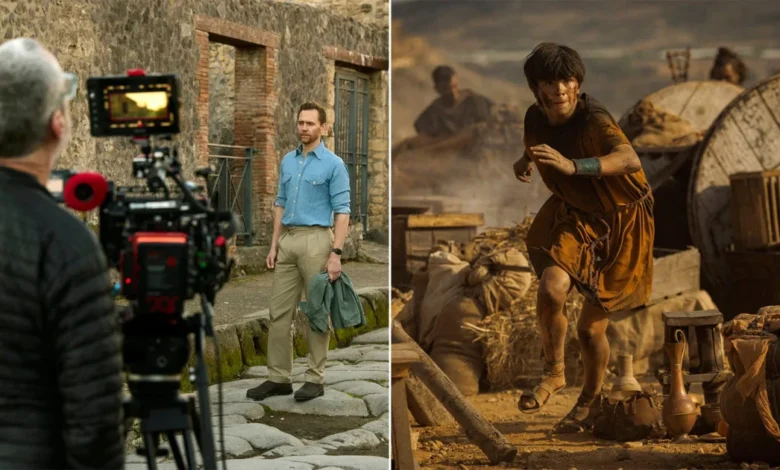
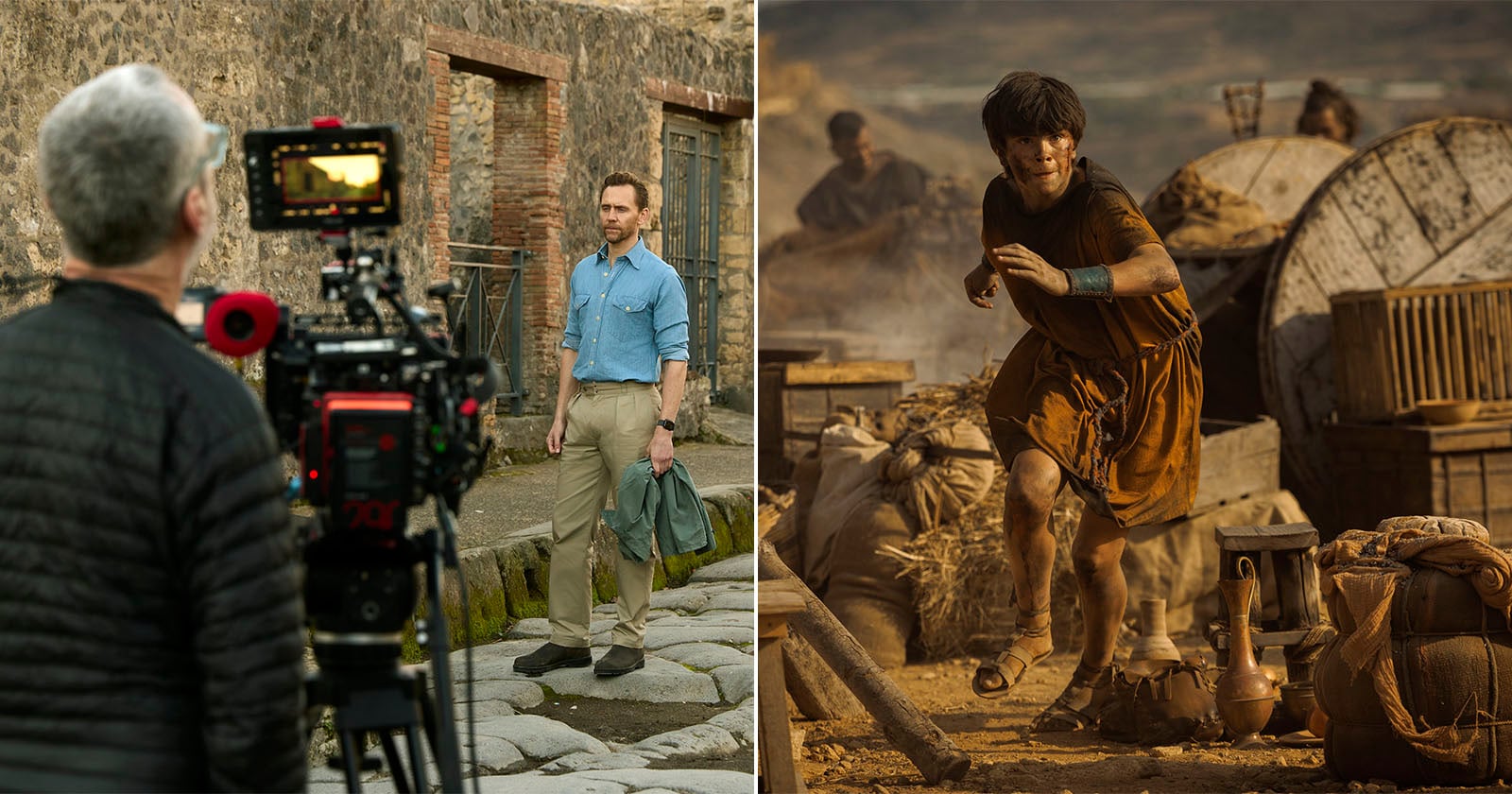
Tom Hiddleston, globally recognized for his iconic portrayal of Loki in the Marvel Cinematic Universe, brings a deeply personal connection to this project. Far from being a mere celebrity endorsement, Hiddleston’s involvement is rooted in a genuine historical passion. Cinematographer Jim Jolliffe, who collaborated closely with director Tom Barbor-Might, shared insights into Hiddleston’s dedication. Jolliffe noted that Hiddleston first visited Pompeii and Herculaneum at the tender age of 17 in 1998, a formative experience that clearly ignited a lifelong interest in the region’s tragic past. This personal investment translates into a performance that is both knowledgeable and deeply empathetic, allowing Hiddleston to guide viewers through the unfolding events with an authority born of genuine fascination.
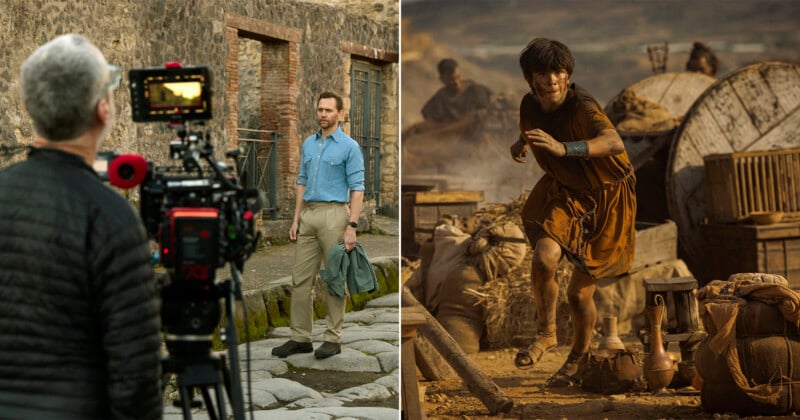
Furthermore, Hiddleston’s presence on set proved invaluable in eliciting candid and informative contributions from the array of archaeologists, historians, and academics interviewed for the series. Jolliffe remarked on Hiddleston’s remarkable ability to foster a comfortable and conducive environment for these experts, many of whom are accustomed to the quiet of academic research rather than the glare of a camera. This skill was crucial in extracting nuanced insights that enrich the documentary’s historical narrative, bridging the gap between academic scholarship and accessible public understanding.
Cinematic Storytelling: Blending Drama and Documentary
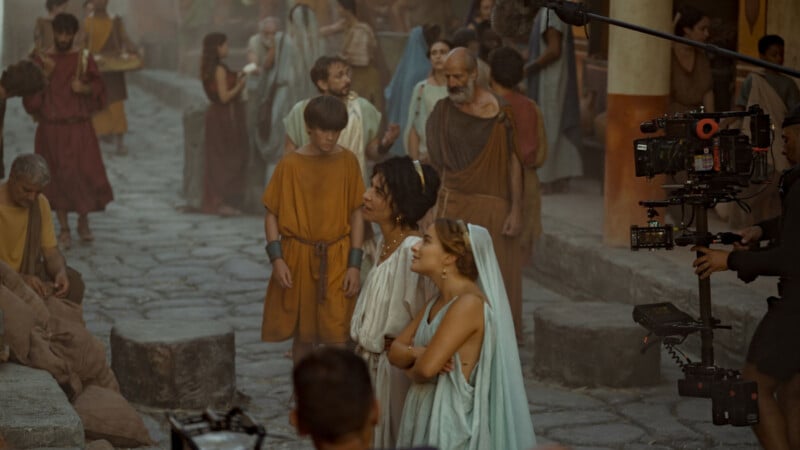
The series distinguishes itself through its sophisticated visual approach, a deliberate departure from the often simplistic or theatrical reenactments common in historical documentaries. Pompeii: Out of Time masterfully integrates dramatic, cinematic sequences depicting Pompeii’s final hours with expert commentary, creating a cohesive and immersive experience.
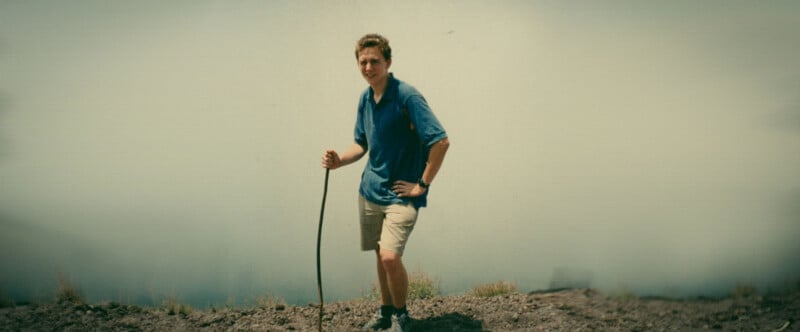
Cinematographer Jim Jolliffe explained the core aesthetic decision made in collaboration with director Tom Barbor-Might: the use of anamorphic lenses. "The first thing we thought was that we both wanted to shoot on anamorphic lenses," Jolliffe stated in an interview. "We thought, first, it’s obviously great for the drama, and second, it would be a great way to visually tie the drama-world into the present-day with Tom and his interviews and stuff." This choice imbues the entire production with a distinctly cinematic quality, lending an epic sweep to both the historical recreations and the contemporary segments. The wide aspect ratio and characteristic anamorphic flares contribute to a visual richness that elevates the series beyond typical documentary fare.
A Visual Timeline: Capturing the Descent into Chaos
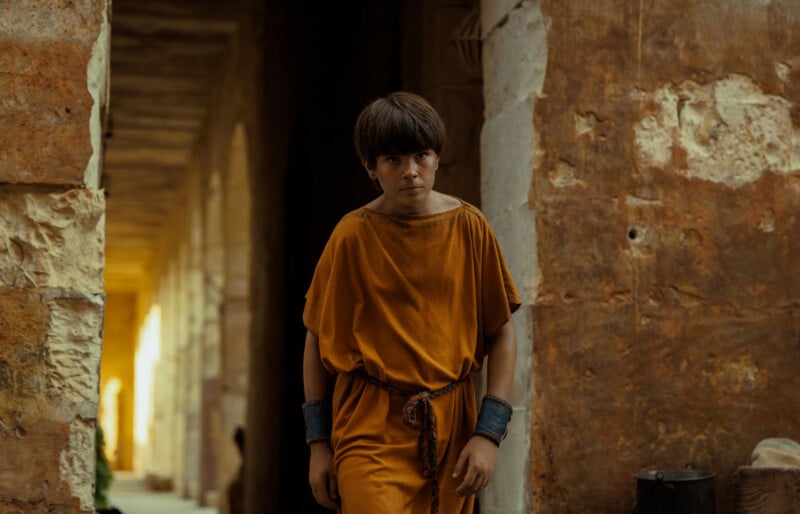
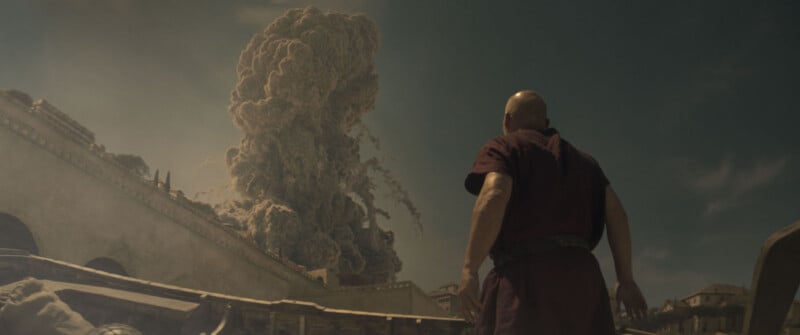
The visual language of Pompeii: Out of Time evolves deliberately across its three parts, mirroring the escalating catastrophe. Jolliffe meticulously crafted distinct looks for different phases of the event. Pre-eruption sequences are bathed in a warmer palette, creating a sense of normalcy and vibrancy that starkly contrasts with the impending doom. This warmth subtly carries over into the present-day interview segments featuring Hiddleston, establishing a visual continuity.
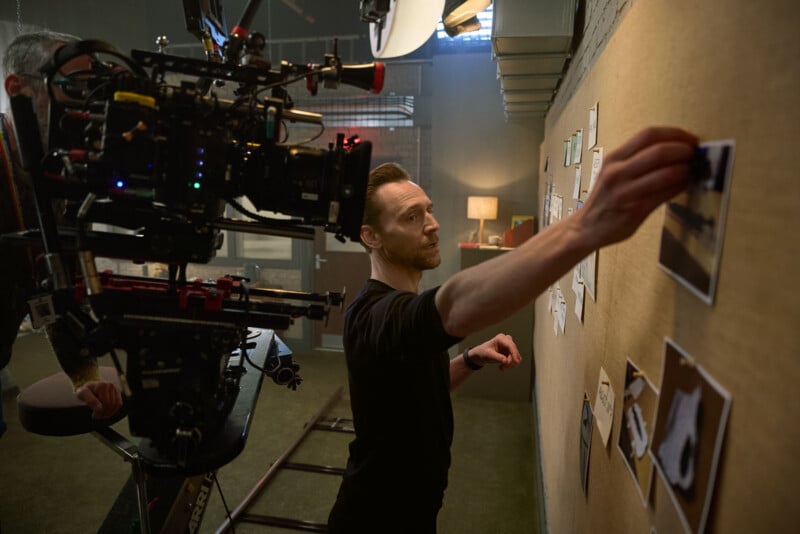
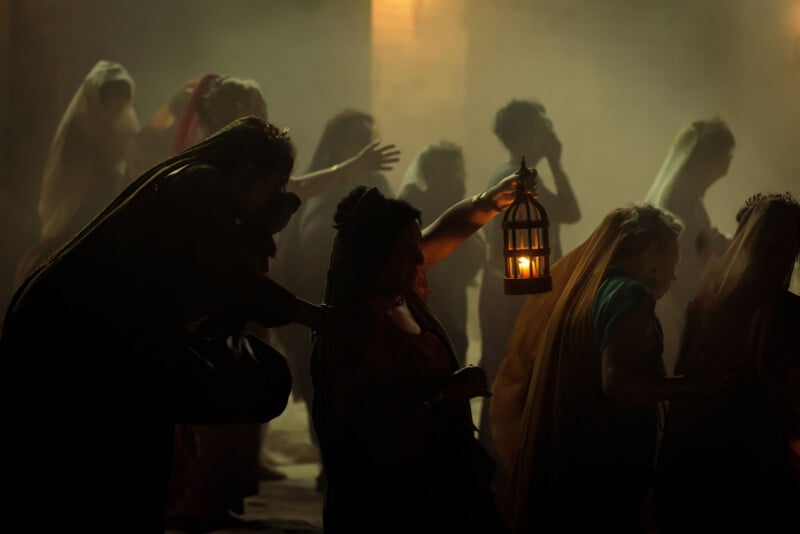
As the eruption commences, the color palette shifts dramatically towards cooler tones, reflecting the ash-laden skies and the growing terror. The visual cues are designed to immerse the viewer in the experience of the Pompeiians. Jolliffe noted the collaborative effort with colorists and editors in bringing his pre-visualized "look" to fruition, emphasizing the importance of post-production in achieving the desired emotional impact.
For the dramatic reenactments, the crew opted for Caldwell Chameleon anamorphic prime lenses on an Arri Alexa 35 camera. Jolliffe described these lenses as having "beautiful flares," though he noted that the nature of the production, focusing on historical authenticity, limited opportunities to exploit lens flares by keeping bright lights out of frame.
Natural Light and Intimate Storytelling
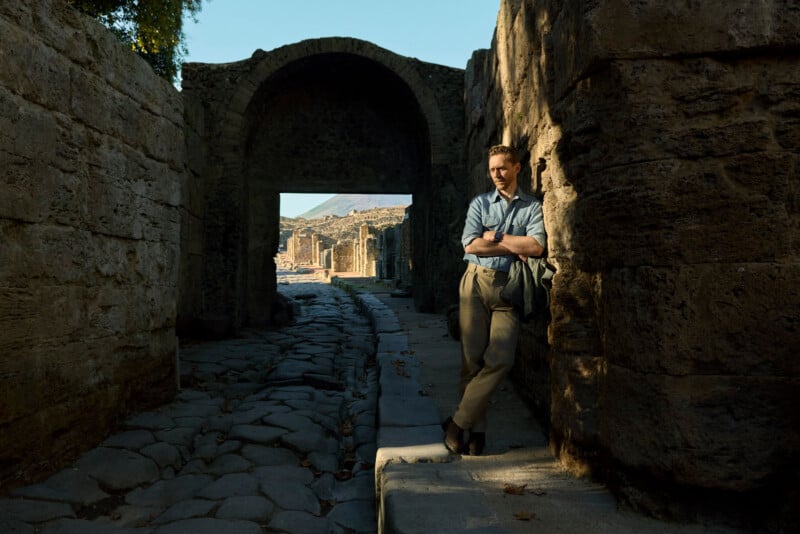
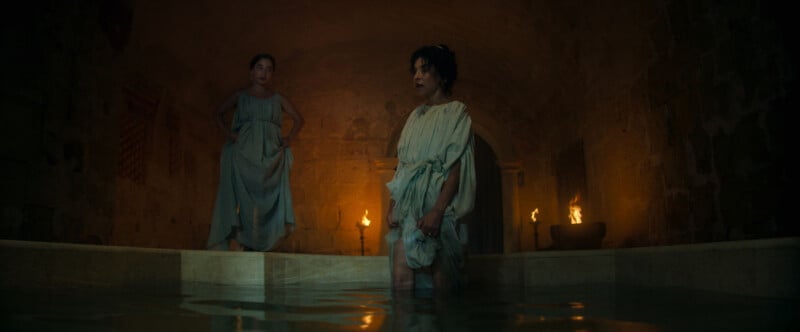
The lighting strategy employed in Pompeii: Out of Time is particularly noteworthy, especially within the historical segments. The deliberate choice to use minimal artificial lighting, relying instead on the glow of torches and candles, creates an intimate and authentic atmosphere. This approach, Jolliffe explained, was partly born out of necessity.
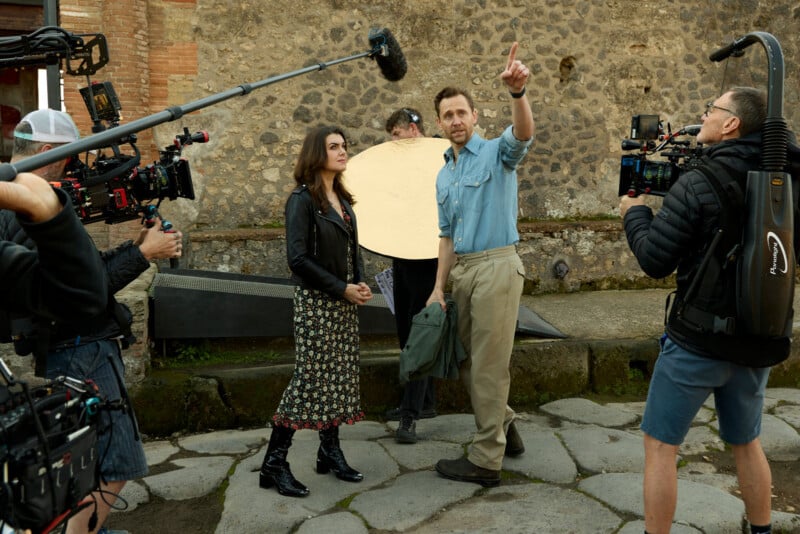
"In Pompeii specifically, the crew had to be extremely small, often including just Jolliffe, an audio technician, the director, Barbor-Might, and Tom Hiddleston," Jolliffe recounted. "We couldn’t bring in lights, so we had to work around natural lighting conditions, using bounce and diffusion to make everything look good." This constraint, however, proved to be an artistic advantage. It ensured that the lighting in the dramatic reenactments closely mirrored the natural light conditions of the present-day interviews, creating a seamless visual flow between the two timelines.
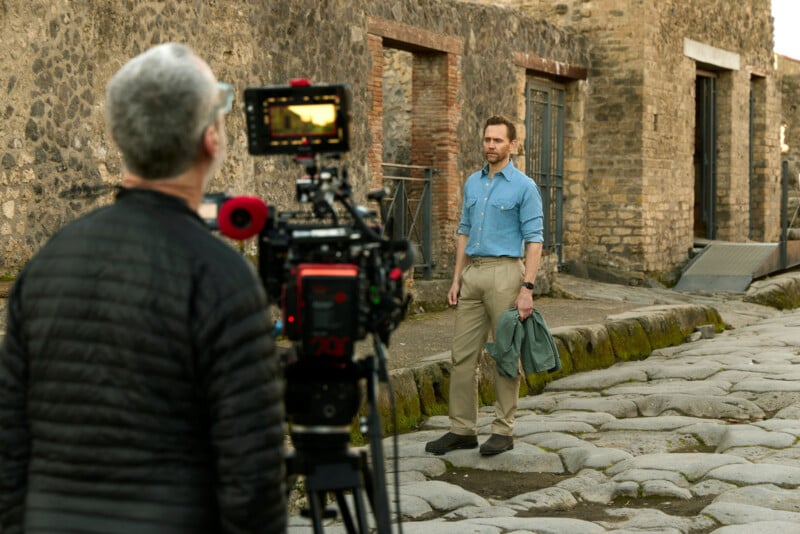
While natural light was paramount, the crew did employ straightforward LED fixtures when necessary. However, these were not powerful enough to overpower bright sunlight, reinforcing the theme of working in harmony with existing light sources throughout the shooting process. This commitment to a naturalistic lighting style contributes significantly to the series’ cinematic realism and its ability to draw viewers into the historical narrative.
The Eruption: A Timeline of Destruction
The eruption of Mount Vesuvius was not a single, instantaneous event but a cataclysmic sequence that unfolded over approximately 24 hours, transforming the vibrant Roman cities of Pompeii and Herculaneum into ash-covered tombs. Understanding this timeline is crucial to appreciating the narrative presented in the docudrama.
- Initial Tremors and Pumice Fall (Morning of August 24, 79 A.D.): The disaster likely began with a series of earthquakes, unsettling the inhabitants. By midday, Vesuvius erupted with immense force, sending a colossal column of volcanic ash, pumice, and gas miles into the atmosphere. The initial phase saw a heavy rain of pumice stones and ash, accumulating rapidly and beginning to damage roofs and block streets. This period would have been marked by confusion, growing alarm, and initial attempts to shelter or flee.
- Pyroclastic Surges (Night of August 24 – Morning of August 25, 79 A.D.): The most devastating phase of the eruption involved pyroclastic surges – superheated, fast-moving clouds of gas, ash, and rock. These surges raced down the slopes of Vesuvius, incinerating everything in their path. The first surge hit Herculaneum, a smaller town closer to the volcano, with unsurvivable temperatures exceeding 500°C (932°F). Subsequent surges, more powerful and extensive, engulfed Pompeii. These surges were instantaneous and lethal, causing rapid death through thermal shock and asphyxiation.
- Ash Burial (Morning of August 25, 79 A.D. and beyond): Following the pyroclastic surges, a thick layer of volcanic ash and debris continued to fall, burying the cities. This layer, in some places reaching over 20 meters (65 feet) deep, preserved the remains of the cities and their inhabitants with astonishing detail.
The series likely depicts this progression, moving from the initial signs of danger and the onset of the pumice fall to the terrifying onslaught of the pyroclastic surges and the final burial under ash.
Supporting Data and Historical Context
The eruption of Mount Vesuvius was a significant geological event, impacting a densely populated region of the Roman Empire. Archaeological evidence reveals that Pompeii was a thriving Roman city with an estimated population of 10,000 to 20,000 people. It was a bustling port and commercial center, featuring public baths, temples, theaters, an amphitheater, and numerous shops and residences. Herculaneum, a smaller but wealthier town, was also destroyed.
The volcanic material ejected by Vesuvius included a vast quantity of pumice, a lightweight, porous volcanic rock, and fine ash. The sheer volume of material released was immense, estimated to be in the order of cubic kilometers. Scientific analysis of the ash layers has provided invaluable data on the eruption’s dynamics, including the speed and temperature of the pyroclastic flows.
The preservation of Pompeii is exceptional due to the rapid burial under ash and volcanic material, which prevented decomposition and protected structures from the elements. This unique preservation has allowed archaeologists to reconstruct aspects of Roman life with remarkable fidelity, from the frescoes adorning villas to the loaves of bread left in ovens.
Expert Perspectives and Official Statements
National Geographic, a storied institution in exploration and storytelling, has consistently brought significant historical events to light. Tom McDonald, EVP of Content at National Geographic, articulated the network’s vision for this series: "National Geographic has spent more than a century bringing the past to life through groundbreaking discoveries, exploration and world-class storytelling. Working with Tom and Kevin, alongside the team at Plimsoll led by showrunner Tom Barbor-Might, has been a process of inventing an entirely new genre of history programming – one which brings evidence and imagination together in a way which feels distinctive."
This statement highlights the network’s commitment to innovation in historical programming, aiming to create a format that is both rigorously researched and captivatingly presented. The collaboration with Tom Hiddleston and showrunner Tom Barbor-Might underscores a strategic approach to combine compelling personalities with expert narrative direction.
Broader Impact and Implications
The story of Pompeii serves as a potent reminder of the destructive power of nature and the fragility of human civilization. Its preservation offers profound insights into the past, informing our understanding of Roman society, urban planning, and daily life. The series Pompeii: Out of Time contributes to this ongoing dialogue by making this history accessible and engaging for a global audience.
The docudrama’s emphasis on cinematic quality and personal narrative, spearheaded by Tom Hiddleston, aims to foster a deeper emotional connection with the historical event. By blending dramatic reenactments with expert analysis, the series not only educates but also humanizes the victims of the eruption, reminding viewers that behind the archaeological ruins were individuals with lives, families, and aspirations.
Furthermore, the series’ production reflects a modern approach to historical documentary filmmaking, demonstrating how advanced cinematography and narrative techniques can breathe new life into well-trodden historical subjects. The success of such productions can encourage further investment in historical storytelling, ensuring that critical moments in human history continue to be explored and understood by new generations.
National Geographic is reinforcing the series’ launch with a comprehensive feature story on the cities buried by Mount Vesuvius, appearing in the August issue of their magazine and online. This multi-platform approach ensures a wide reach and deep engagement with the subject matter.
Pompeii: Out of Time premieres on National Geographic on July 22 at 9/8c, with subsequent availability on Disney+ and Hulu on July 23, offering audiences multiple avenues to experience this compelling exploration of a defining moment in history.