Beyond the Pitch How to Build a Custom Football Simulator in Godot Engine as EA Sports FC Prepares for Its Next Annual Release

Beyond the Pitch How to Build a Custom Football Simulator in Godot Engine as EA Sports FC Prepares for Its Next Annual Release. The global gaming community is currently bracing for the next iteration of Electronic Arts’ flagship soccer franchise, with the EA Sports FC 27 release date widely anticipated for September 25. While the title is expected to launch across a comprehensive array of platforms—including the PlayStation 4, PlayStation 5, Xbox One, Xbox Series X/S, and the Nintendo Switch ecosystem, including the rumored Switch 2—the excitement is tempered by a growing sentiment of fatigue among the player base. Following a series of critiques regarding technical bugs, stagnant gameplay mechanics, and the increasing prevalence of aggressive microtransactions in recent installments, a new movement is gaining momentum: the shift from consuming sports simulations to creating them.
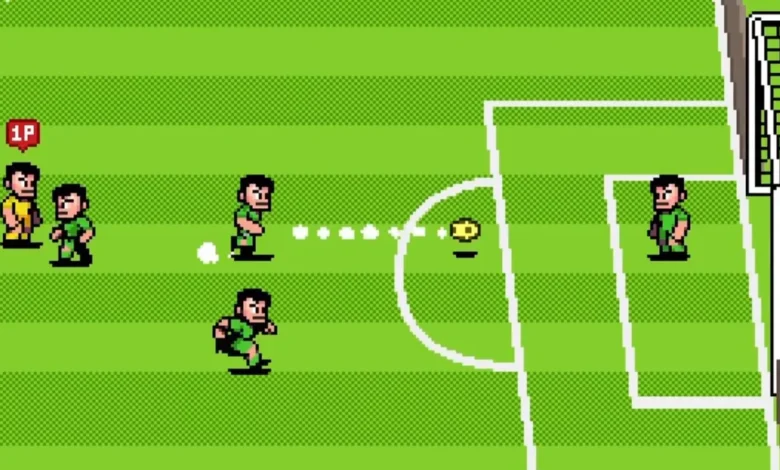
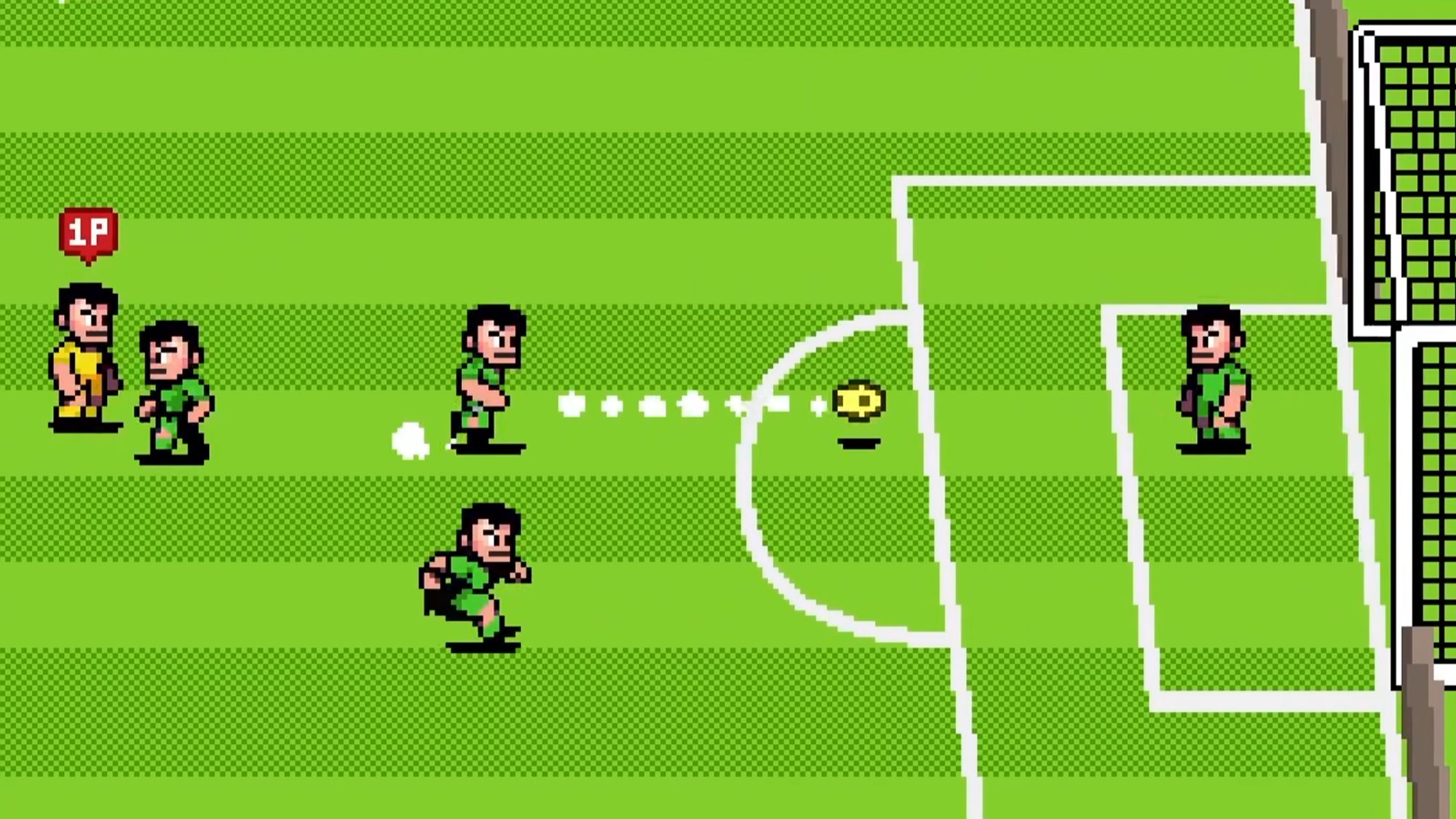
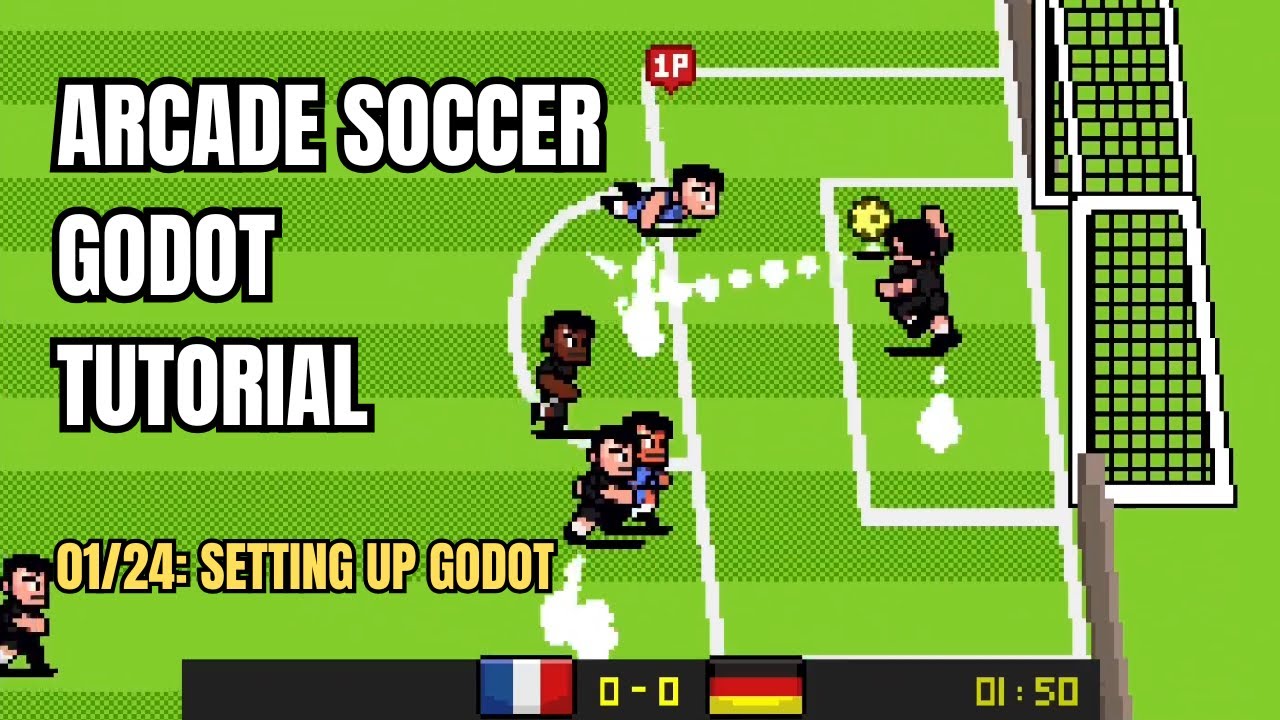
As the industry moves toward the final quarter of the year, the spotlight has shifted to the Godot Engine, a free and open-source game development platform that has rapidly become the preferred choice for indie developers. This surge in interest is highlighted by the release of a comprehensive, 12-hour instructional course available on YouTube, designed to teach aspiring developers how to build an arcade-style soccer game from the ground up. This educational initiative, spearheaded by GameDev Tavern, offers a direct alternative to the high-cost, high-frustration cycle of AAA sports titles, providing all necessary assets for free and democratizing the tools of game creation.
The Evolution of the EA Sports FC Franchise and Current Market Sentiment
The transition from the long-standing "FIFA" branding to "EA Sports FC" in 2023 marked a pivotal moment in sports gaming history. Following a high-profile split between Electronic Arts and the Fédération Internationale de Football Association (FIFA) over licensing fees, EA rebranded its multi-billion dollar franchise. While the first iteration, EA Sports FC 24, maintained strong sales figures, it was met with significant community backlash. Players reported a range of issues, from inconsistent ball physics and "scripting" concerns to a heavy emphasis on the Ultimate Team mode, which critics argue prioritizes monetization over competitive integrity.
The projected September 25 release for the next installment follows EA’s traditional annual cycle, aiming to capture the excitement of the early European football season. However, the recurring nature of these releases has led to accusations of "roster updates" being sold at full retail price. This environment has created a vacuum for indie developers and enthusiasts who long for the arcade-style simplicity of classic titles like Sensible Soccer or International Superstar Soccer.
The Rise of Godot Engine in the Indie Development Landscape
In the wake of the 2023 Unity pricing controversy, where the Unity engine’s developers attempted to introduce a "runtime fee" based on game installs, the Godot Engine saw an unprecedented influx of users. As a completely free, open-source tool under the MIT license, Godot offers developers total ownership of their code and products without royalty obligations.
Godot’s lightweight architecture and intuitive scene-based system make it particularly suitable for both 2D and 3D sports simulations. For many, the appeal lies in the engine’s accessibility. Unlike the steep learning curves associated with Unreal Engine 5, Godot allows for rapid prototyping. This accessibility is central to the new 12-hour soccer development course, which aims to take a novice from a blank project to a functional, playable game in a fraction of the time traditionally required for game design education.
Chronology of the 12-Hour Arcade Soccer Tutorial
The curriculum provided by GameDev Tavern is structured into 24 digestible episodes, each approximately 30 minutes long. This modular approach allows learners to master specific game development disciplines in isolation before integrating them into a cohesive project.
Phase 1: Foundation and Movement
The initial stages of the course focus on environment setup and basic player physics. This is a critical hurdle in sports games, where the "feel" of movement determines the player’s engagement.
- Setting up Godot: Configuring the workspace and importing free assets provided via GitHub.
- Basic Movement: Implementing character controllers that handle directional input and momentum.
- Scalable State Machines: Developing a logic system that allows players to switch between states, such as idling, running, or prepares-to-kick, without code conflicts.
Phase 2: Advanced Mechanics and Ball Physics
The middle segment of the course tackles the complexities of the sport itself. Unlike a standard platformer, a soccer game requires complex interaction between two independent entities: the player and the ball.
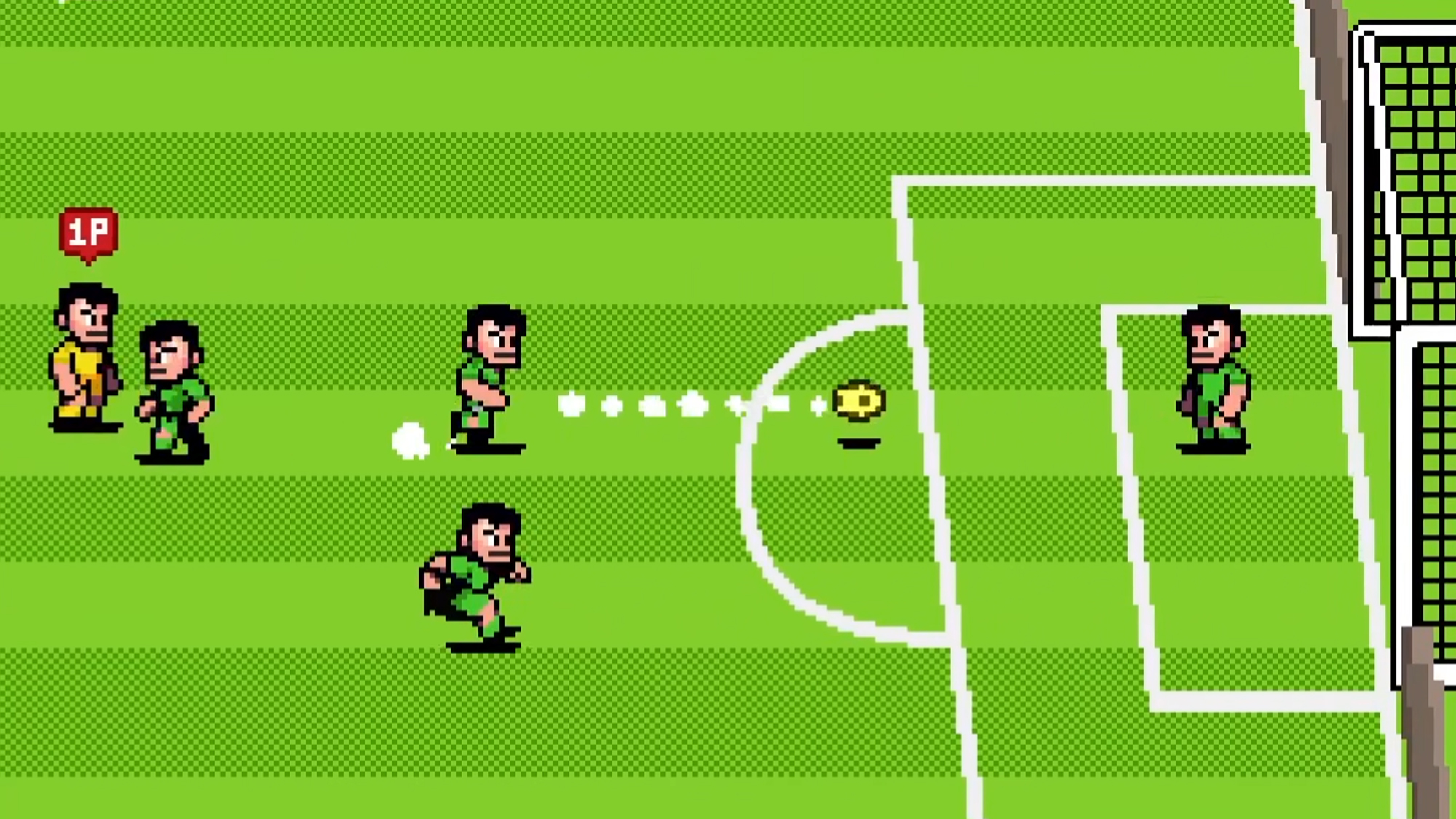
- Dribbling and Shooting: Coding the "magnetism" of the ball to the player’s feet and the trajectory logic for shots on goal.
- Bicycle Kicks and Special Moves: Adding flair to the gameplay through animation triggers and specialized physics calculations.
- AI-Driven Steering Behaviors: This is perhaps the most technical aspect of the course, involving the creation of "intelligent" opponents that can track the ball, mark players, and make strategic decisions on the pitch.
Phase 3: Data Management and Visual Polish
The final phase moves beyond gameplay into the realms of user interface (UI) and systems architecture.
- JSON Integration: Learning how to generate entire team squads from external JSON data, allowing for easy updates to player stats and names without altering the core game code.
- Shaders and Customization: Using Godot’s shader language to dynamically change player skin colors and kit designs, ensuring diversity and team identification.
- UI Design and Effects: Implementing scoreboards, timers, and "juice"—the visual effects like particle systems that make a game feel responsive and exciting.
Technical Analysis of Indie Sports Game Development
Building a soccer game presents unique challenges that differ from other genres. In a first-person shooter, the AI typically focuses on "seek and destroy" logic. In a sports simulation, the AI must balance individual tactical positioning with team-wide strategy. The use of "steering behaviors" in the Godot course is a sophisticated approach to this problem. Instead of hard-coding every movement, developers create "forces" that pull or push the AI toward specific targets, resulting in more fluid and natural-looking player behavior.
Furthermore, the course’s focus on JSON data reflects professional industry standards. By separating the game data (player names, speeds, accuracy) from the game logic, developers can create a highly moddable experience. This is a direct response to one of the main criticisms of the EA Sports FC series: the lack of community-driven customization and the locked-down nature of the game’s database.
Industry Implications and Community Reactions
The democratization of these development tools has significant implications for the future of the sports gaming market. While indie developers may lack the multi-million dollar marketing budgets and official licenses of Electronic Arts, they are increasingly capable of delivering superior gameplay experiences.
Market analysts suggest that the "indie sports" genre is on the verge of a renaissance. Projects like Super Soccer, the final product of the Godot tutorial, serve as proof-of-concept that small teams or even individuals can produce engaging content. The ability to play the final game online via platforms like Itch.io further lowers the barrier to entry for both creators and players.
Community reactions to the tutorial series have been overwhelmingly positive, particularly among those who feel alienated by the current state of AAA gaming. Many users on developer forums have noted that the 12-hour timeframe is a realistic commitment for hobbyists, providing a sense of accomplishment that is often missing from long-term, aimless learning paths.
Broader Impact: The Shift Toward Creative Agency
The rise of comprehensive, free education for engines like Godot represents a broader shift in digital culture. As players become increasingly dissatisfied with the "Games as a Service" (GaaS) model—where titles are designed to maximize player retention and spending through psychological triggers—the act of creation becomes a form of protest and empowerment.
By learning to build their own soccer games, enthusiasts are no longer at the mercy of annual release cycles or server shutdowns. They gain the skills to build, maintain, and share their own visions of the "beautiful game." This transition from passive consumer to active creator is facilitated by the availability of high-quality hardware, such as dedicated game development laptops, and the wealth of free information provided by the global developer community.
As September 25 approaches and the marketing machine for EA Sports FC kicks into high gear, a significant subset of the gaming world will be looking elsewhere. They will be looking at their own code, their own shaders, and their own AI logic, proving that the future of sports gaming may not be found in a corporate boardroom, but in the open-source community and the hands of inspired individuals.