
Category Theme Park Reviews
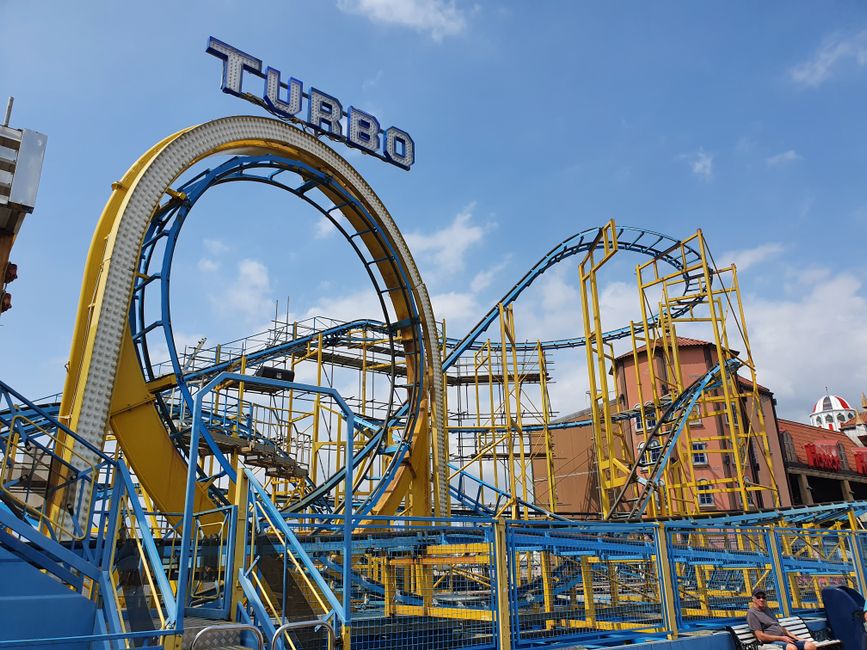
Theme Park Reviews: Your Ultimate Guide to Thrills, Spills, and Family Fun
Theme park reviews serve as an indispensable resource for consumers planning leisure activities, offering detailed insights into attractions, amenities, and overall guest experience. The proliferation of online platforms, from dedicated review websites to social media forums, has democratized the process of sharing park experiences, empowering potential visitors with a wealth of peer-generated data. Understanding the nuances of these reviews, and how to effectively leverage them, is crucial for maximizing enjoyment and financial investment in theme park visits. This article delves into the critical components of theme park reviews, explores their SEO implications for park operators, and provides a comprehensive framework for consumers to navigate this vast information landscape.
The primary function of a theme park review is to inform and influence purchasing decisions. Consumers are not solely interested in whether a park has roller coasters; they seek detailed analyses of ride intensity, queue times, food quality, cleanliness, staff interaction, and value for money. A well-written review often breaks down the park experience into distinct categories, allowing potential visitors to quickly assess areas of most interest. For example, a family with young children will prioritize reviews that detail toddler-friendly attractions, stroller accessibility, and changing facilities, while a thrill-seeking group will focus on the newest, most extreme rides and their technical specifications. The presence of user-generated content, such as photos and videos, significantly enhances the credibility and informativeness of reviews, providing visual context that text alone cannot convey. Search engine optimization (SEO) plays a pivotal role in making this valuable information discoverable. When users search for terms like "best roller coasters [park name]," "family-friendly rides Disneyland," or "theme park food reviews Orlando," well-optimized reviews, and the park pages they are associated with, are more likely to appear at the top of search results.
For theme park operators, actively managing their online reputation through reviews is no longer optional; it is a fundamental aspect of their marketing and customer service strategy. Positive reviews act as powerful social proof, bolstering brand image and driving ticket sales. Conversely, negative reviews, if left unaddressed, can significantly damage a park’s reputation and deter potential visitors. Therefore, a robust review management strategy is essential. This involves not only encouraging guests to leave feedback but also actively monitoring review platforms, responding promptly and professionally to both positive and negative comments, and using feedback to identify areas for improvement. SEO for theme park pages is heavily influenced by review content. Keywords within reviews, such as "affordable theme park tickets," "longest wait times Six Flags," or "clean restrooms Universal Studios," are ingested by search engines and contribute to the ranking of park-related web pages. Furthermore, the sheer volume of fresh, relevant content generated by reviews can signal to search engines that a website is active and authoritative.
When evaluating theme park reviews, consumers should adopt a critical and discerning approach. Not all reviews are created equal. It is important to consider the source of the review, the date it was published, and the reviewer’s potential biases. A review from a reputable theme park blogger with a long history of objective analysis carries more weight than an anonymous comment filled with hyperbole. Similarly, a review from a decade ago may not accurately reflect the current state of the park, as attractions are constantly updated, and operational procedures evolve. Look for recurring themes and patterns across multiple reviews. If several reviewers consistently praise a particular ride or lament long queues at a specific attraction, this indicates a generally reliable observation. Conversely, a single outlier opinion should be treated with caution. The use of specific, descriptive language is also a good indicator of a helpful review. Vague statements like "it was okay" are less useful than detailed accounts of ride mechanics, sensory experiences, or the efficiency of park staff. SEO considerations also extend to the language used in reviews. When users search using very specific phrases, reviews that incorporate those exact or very similar phrases are more likely to rank highly.
Key elements to scrutinize in theme park reviews include the quality and variety of attractions. This encompasses thrill rides, family rides, water rides, and shows. For thrill rides, reviewers often detail the G-forces, inversions, height, and speed. For family rides, accessibility for different age groups, safety features, and storytelling are paramount. Shows and parades are assessed for entertainment value, production quality, and audience engagement. Food and beverage options are another critical area. Reviews should cover price points, dietary accommodations, the variety of cuisines, and the quality of ingredients. The ambiance and theming of the park are also frequently discussed. This includes the immersion created by the park’s environment, the attention to detail in its theming, and the overall aesthetic appeal. Cleanliness and maintenance are fundamental aspects that can significantly impact guest satisfaction. Reviews that mention spotless restrooms, well-maintained pathways, and operational ride vehicles are indicative of a park that prioritizes guest comfort.
Staff performance is a crucial, yet often overlooked, component of theme park reviews. Friendly, helpful, and knowledgeable staff can elevate an otherwise average experience, while rude or unhelpful employees can detract from even the most spectacular attractions. Reviews that highlight positive staff interactions, such as efficient ticket agents, engaging ride operators, or accommodating food service workers, provide valuable insights into the park’s customer service culture. Conversely, complaints about long wait times, inefficient operations, or poor queue management can significantly deter visitors. For SEO purposes, phrases like "efficient ticketing," "friendly staff," or "long queues at [ride name]" are valuable keywords that search engines associate with these specific park experiences.
Accessibility and family-friendliness are paramount for a significant segment of theme park visitors. Reviews that detail stroller accessibility, wheelchair access, availability of quiet rooms, and family restrooms are invaluable for parents and individuals with disabilities. The presence of character meet-and-greets, interactive play areas, and age-appropriate entertainment options also contributes to a park’s family-friendly appeal. Similarly, reviews that discuss the availability of baby care centers, high chairs in restaurants, and child-friendly meal options are highly sought after by families with young children. The SEO strategy for parks should actively encourage reviews that mention these specific aspects.
The financial aspect of a theme park visit is a major consideration for most consumers. Reviews that provide detailed breakdowns of ticket prices, food costs, merchandise expenses, and parking fees are essential for budget-conscious travelers. Comparisons with other parks, or with previous visits, can offer valuable context regarding value for money. Discussions about the effectiveness of express pass or skip-the-line options, and whether the cost is justified by the time saved, are also frequently found in reviews. Parks that consistently receive positive reviews regarding their value proposition are more likely to attract visitors. SEO for theme park websites often incorporates long-tail keywords related to pricing, such as "cheapest theme park tickets for families" or "Orlando theme park value for money."
For theme park operators, understanding how search engines interpret and rank reviews is critical for optimizing their online presence. Search engines like Google consider several factors when determining the ranking of a web page, including relevance, authority, and user engagement. Reviews contribute to all these factors. Relevant keywords within reviews help search engines understand what specific aspects of a park are being discussed. The sheer volume of positive reviews can establish a park’s authority and credibility in the eyes of search engines. User engagement, such as likes, shares, and comments on review platforms, signals to search engines that the content is valuable and popular. Furthermore, the integration of review snippets directly into search results (rich snippets) can significantly increase click-through rates. This is why encouraging guests to leave detailed, keyword-rich reviews is so important from an SEO perspective.
The SEO benefits of user-generated review content for theme park websites are multifaceted. Firstly, it provides a continuous stream of fresh, relevant content, which search engines favor. This content is naturally rich in keywords that potential visitors are actively searching for. Secondly, positive reviews build social proof and trust, which can indirectly boost SEO by increasing dwell time on park websites and reducing bounce rates. Thirdly, review platforms themselves are highly indexed by search engines, meaning that well-optimized review pages on third-party sites can drive significant traffic to a park’s official website through backlinks. Parks can further enhance their SEO by actively encouraging guests to leave reviews on specific platforms, such as Google My Business, TripAdvisor, and Yelp. The use of structured data (schema markup) can also help search engines better understand and display review information, including star ratings and review counts, directly in search results.
In conclusion, theme park reviews are a dynamic and essential element of the modern consumer journey. For visitors, they offer an invaluable tool for informed decision-making, enabling them to tailor their park experiences to their specific needs and preferences. For theme park operators, proactive review management and strategic SEO integration are paramount for maintaining a positive online reputation, attracting new visitors, and fostering brand loyalty. By understanding the components of effective reviews, critically evaluating their content, and leveraging the power of SEO, both consumers and businesses can navigate the exciting world of theme parks with greater success.
