
The Flash Is Bringing Stephen Amells Green Arrow Back For Epic Yet Emotional Reunion
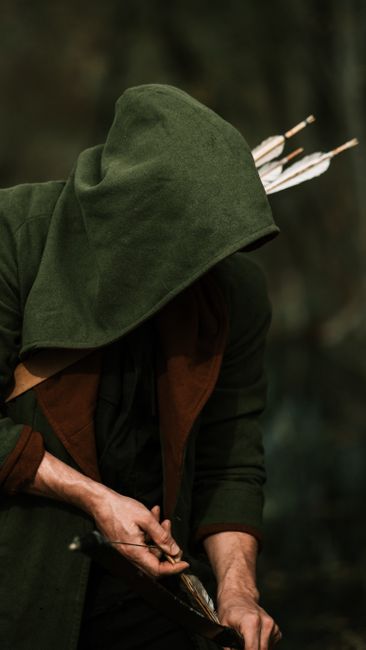
The Flash Brings Stephen Amell’s Green Arrow Back for an Epic, Emotional Reunion
The Arrowverse, a sprawling multiverse built upon the foundations of DC Comics characters, is poised for a significant and emotionally resonant event. Stephen Amell, the actor who embodied Oliver Queen, the Green Arrow, for eight groundbreaking seasons of Arrow, is set to reprise his iconic role in the upcoming season of The Flash. This return isn’t merely a cameo or a brief appearance; reports indicate a substantial storyline that promises an epic yet deeply emotional reunion, allowing fans to bid a proper, impactful farewell to a character who defined a generation of superhero television. The narrative implications of Amell’s return are vast, offering opportunities to explore Oliver’s post-death existence, his enduring legacy, and the profound impact he had on the lives of Barry Allen and the entire superhero community.
Oliver Queen’s departure from the Arrowverse in the "Crisis on Infinite Earths" crossover event was a pivotal moment, sacrificing himself to save the multiverse. His death, while heroic, left a void that has been keenly felt. His return in The Flash isn’t just about nostalgia; it’s a chance to revisit the themes of sacrifice, redemption, and the ongoing struggle for justice that defined Oliver’s journey. The setup for this reunion likely involves the vast capabilities of the Speed Force, the omnipresent energy field that grants speedsters their powers and often serves as a conduit to other dimensions, timelines, and even the afterlife. This presents a myriad of narrative possibilities, from Oliver existing in a purgatorial state, to his spirit interacting with Barry, or even a more direct, albeit temporary, resurrection for a crucial mission. The key will be how the writers leverage this fantastical element to deliver a story that is both grand in scope and intimately personal.
The emotional weight of this reunion is arguably the primary draw. Oliver Queen was the anchor of the Arrowverse, the gritty, morally complex hero who paved the way for the cavalcade of costumed crusaders that followed. His mentorship of Barry Allen was a cornerstone of their relationship, a dynamic that often saw Oliver acting as the stern, experienced mentor to Barry’s more optimistic and sometimes naive hero. The prospect of seeing these two titans of the Arrowverse interact again, with Oliver no longer bound by his mortal coil, opens the door for profound reflections on their shared experiences, their triumphs and failures, and the sacrifices they both made. We can anticipate dialogues that delve into the lessons Oliver imparted, the burdens he carried, and the enduring impact of his leadership. The return offers a cathartic opportunity for both the characters within the narrative and the audience who have followed their stories for over a decade.
Beyond his relationship with Barry, Oliver’s influence permeated every corner of the Arrowverse. His return could involve interactions with other characters who owe him a debt of gratitude or who were profoundly shaped by his actions. This could include Felicity Smoak, his wife and the love of his life, whose grief was a central element of Arrow‘s final seasons. A reunion between Oliver and Felicity, even in a non-corporeal or altered state, would undoubtedly be a tear-jerking moment for many fans. Similarly, his interactions with Diggle, his steadfast friend and partner, or Laurel Lance, whom he inspired and mentored in her own heroic journey, could provide significant emotional resonance. The narrative has the potential to explore how Oliver’s legacy continues to inspire and guide these characters, offering them closure or renewed purpose.
The "epic" aspect of this reunion is equally important. Oliver Queen was not just a street-level vigilante; he became a multiversal force, a key player in protecting reality itself. His return could coincide with a new multiversal threat that only he, with his unique understanding of sacrifice and leadership, can help combat. This could involve him leading a new iteration of the Justice League, or perhaps guiding Barry through a particularly challenging crisis that mirrors the scale of "Crisis on Infinite Earths." The writers have the opportunity to craft action sequences that harken back to the grittier, more grounded fights of Arrow‘s early seasons, while also incorporating the larger-than-life stakes that have become a hallmark of The Flash‘s more fantastical storylines. The fusion of Oliver’s established combat prowess and strategic mind with the cosmic elements of The Flash‘s universe promises thrilling set pieces.
The timing of Stephen Amell’s return is also significant. The Flash itself is reportedly in its final season, making this reunion a potential swan song for a significant era of the Arrowverse. This amplifies the emotional stakes and suggests that the writers are aiming for a definitive and memorable conclusion to Oliver Queen’s narrative arc, even if it’s within the context of another show. It’s a chance to provide a satisfying send-off that honors the character’s journey and his profound impact on the franchise. This isn’t just about bringing back a popular character; it’s about providing narrative closure and giving the audience a chance to say goodbye to Oliver Queen in a meaningful and impactful way.
Furthermore, the narrative can explore Oliver’s perspective on the multiverse now, from a place of understanding beyond mortal limitations. Having experienced the ultimate sacrifice and witnessed the tapestry of reality, his insights could be invaluable. He might offer Barry a new perspective on loss, purpose, and the true meaning of heroism. The dialogue between Oliver and Barry could be a masterclass in character development, offering new layers to their established dynamic and providing valuable lessons for Barry as he navigates his own future without his mentor. It’s an opportunity to explore Oliver’s wisdom gained from his ultimate sacrifice and his continued existence in some form.
The practicalities of this return, while rooted in superhero tropes, will need to be handled with care. Whether Oliver appears as a spirit, a residual energy, or through some temporal anomaly, the writers must establish clear rules and limitations for his presence. This will prevent the return from feeling like a cheap gimmick and ensure that the emotional and epic aspects remain the focus. The visual representation of Oliver, whether he appears in his iconic Green Arrow suit or a more ethereal form, will also be crucial in evoking the desired emotional response from the audience. The potential for flashbacks, interwoven with present-day events, could also be used to remind viewers of Oliver’s impact and the journey he undertook.
The return of Stephen Amell as Green Arrow in The Flash is more than just a fan-service moment; it’s a carefully orchestrated narrative event that promises to deliver both thrilling action and profound emotional depth. It’s an opportunity to revisit a beloved character, explore the enduring themes of the Arrowverse, and provide a fitting, epic, and emotional conclusion to a significant chapter in superhero television history. The anticipation for this reunion is palpable, as fans eagerly await the chance to see the Emerald Archer once more, standing alongside his closest allies, ready to face whatever challenges the multiverse throws their way, and perhaps, finally find peace. The narrative implications of Oliver Queen, a character defined by his struggle and sacrifice, returning from beyond the veil, offers a potent blend of catharsis, closure, and continued heroism. It’s a chance for the Arrowverse to honor its foundational hero one last time, leaving an indelible mark on its legacy. The reunion will serve as a powerful testament to Oliver’s unwavering spirit and the lasting impact he has had on the lives he touched and the worlds he saved. This is not just a return; it is a culmination, an affirmation of a legacy that continues to resonate, even in the face of the ultimate sacrifice.
