
Im Honestly Shocked So Many People Had Negative Thoughts About Disney Greenlighting Toy Story 5
I’m Honestly Shocked So Many People Had Negative Thoughts About Disney Greenlighting Toy Story 5
The announcement of Toy Story 5 sent ripples, not of anticipation, but of considerable apprehension and even outright negativity throughout the internet and broader fandom. This reaction, for a franchise long considered a bedrock of animated storytelling and a cornerstone of Pixar’s legacy, is frankly baffling. For decades, Toy Story has been synonymous with groundbreaking CGI, profound emotional resonance, and a unique ability to tap into universal themes of friendship, belonging, and the passage of time. To see such widespread skepticism, bordering on outright dismissal, before a single frame has been animated is a testament to a peculiar form of fan fatigue or perhaps a misunderstanding of what a fifth installment could even represent. It suggests a pre-emptive judgment based on perceived trends in franchise sequels rather than a faith in the creative power that birthed the original masterpieces. This article will delve into the reasons behind this surprising negativity, dissecting the common arguments and offering a counter-perspective grounded in the franchise’s enduring strengths and the potential for continued innovation.
A primary driver of the negative sentiment appears to stem from the increasingly common phenomenon of franchise fatigue. In the current entertainment landscape, sequels, prequels, reboots, and spin-offs are churned out at an unprecedented rate. Audiences, bombarded with familiar IPs revisited and rehashed, have developed a healthy (or perhaps overly cynical) skepticism. The fear is that Toy Story 5 will be another cash grab, a hollow imitation of its predecessors, lacking the originality and heart that defined the first four films. This concern is understandable given the commercial pressures facing major studios like Disney. However, it risks overlooking the fact that Toy Story isn’t just any franchise; it’s a narrative universe that has consistently evolved and explored new territory with each installment. The original film revolutionized animation. Toy Story 2 deepened its themes of identity and legacy. Toy Story 3 delivered a surprisingly mature and poignant exploration of growing up and letting go, culminating in a perfect, emotional finale. Toy Story 4, while perhaps more divisive, still managed to offer a compelling character arc for Woody and introduced fascinating new dimensions to the toy world through characters like Forky. To assume that a fifth film will automatically fall into the trap of creative bankruptcy is to underestimate the Pixar creative engine and the inherent narrative potential within the Toy Story universe.
Another significant concern voiced by detractors revolves around the perceived finality of Toy Story 3‘s ending. For many, Andy’s departure for college and the toys’ transition to Bonnie represented a complete and satisfying narrative conclusion. They felt that Toy Story 4 somewhat diluted this closure by sending Woody on his own path. The argument is that any further continuation inevitably undoes or complicates this established sense of finality. This perspective, while valid for those who found profound closure in Toy Story 3, overlooks the inherent nature of storytelling. Not all narratives need absolute endings. The lives of these beloved characters don’t cease to exist the moment the credits roll. The Toy Story universe, by its very definition, is one of ongoing play and evolving relationships. The toys’ purpose is to be played with, to be loved, and to embark on adventures. Even after Andy grew up, they found new purpose. The possibility of new children, new adventures, or even entirely new toy dynamics presents fertile ground for exploration. The fear of "undoing" a previous ending is often rooted in a desire for perfect, static closure, which isn’t always reflective of real life or compelling storytelling. A well-executed Toy Story 5 could explore the natural progression of these characters, their continued evolution, and the emergence of new challenges and friendships without negating the emotional weight of previous installments.
The argument that Pixar has lost its creative edge is also a recurring theme in the negative discourse. With the rise of Disney’s internal animation studio and the perceived decline in the originality of some recent Pixar releases (though subjective), fans have grown wary. However, this overlooks the fact that Pixar, like any creative entity, experiences ebbs and flows. Furthermore, judging the potential of Toy Story 5 based on other recent Pixar films is a premature and unfair assessment. Toy Story is a unique beast within the Pixar canon, possessing a deep well of established characters and a universally understood premise that allows for considerable creative freedom. The announcement of the film is a starting point, not a final product. The team behind it, presumably still populated by many of the creative minds who championed the original films, has the opportunity to forge a new narrative path, perhaps focusing on a new generation of toys, exploring the world beyond Andy and Bonnie’s rooms, or even delving into the philosophical implications of sentient toys in an increasingly digital world. The potential for innovation remains vast, and to dismiss this out of hand is to underestimate the studio’s capacity for reinvention.
Furthermore, the sheer nostalgia factor associated with Toy Story cannot be overstated. For a significant portion of the audience, these films were formative childhood experiences. This nostalgia, while powerful, can also cloud judgment, leading to an almost prohibitive reverence for the original films. Any deviation from what is perceived as the "perfect" Toy Story formula is met with immediate resistance. However, creative franchises must evolve to remain relevant and engaging. Stagnation is the true enemy of longevity. While respecting the legacy of the original films is crucial, clinging to an idealized past can prevent the creation of new, meaningful experiences. The potential for Toy Story 5 lies in its ability to connect with both long-time fans and a new generation, offering fresh perspectives and relatable themes within the familiar framework of toys coming to life. The very fact that people are so invested and passionate about the future of these characters is a testament to their enduring impact, a passion that should ideally fuel anticipation rather than immediate condemnation.
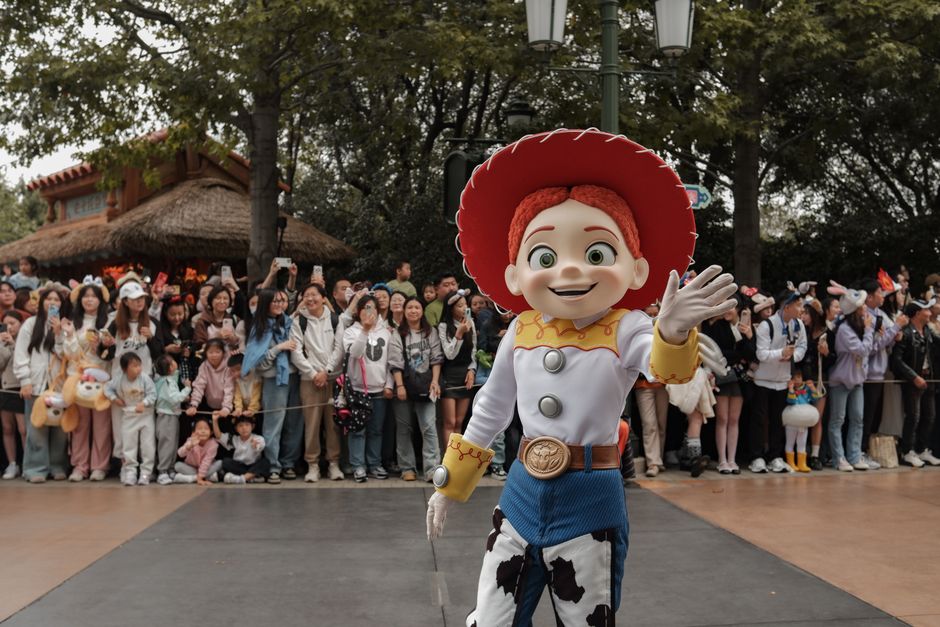
The practicalities of character arcs also present an opportunity, not a hindrance. Woody, arguably the heart of the franchise, has undergone significant development. His journey in Toy Story 4 explored his intrinsic nature as a pull-string toy and his longing for purpose beyond being a primary toy. This trajectory opens up possibilities. What does Woody do now? Does he find a new calling? Does he interact with a new set of toys who have different needs and desires? Similarly, Buzz Lightyear, having also experienced his own journey of self-discovery and embracing his identity as a toy, is ripe for further exploration. The ensemble cast, including Jessie, Slinky Dog, Rex, and the Potato Heads, all have their own established personalities and potential for new interactions and challenges. The "threat" of a new installment might be the fear that these characters will be reduced to caricatures of their former selves, but a well-crafted narrative can allow them to mature, adapt, and face new realities. The world of toys is vast and varied, and there’s no shortage of compelling scenarios that could test their bonds and their understanding of their place in the world.
The underlying assumption in much of the negative reaction is that sequels are inherently inferior. While it’s true that many sequels fail to capture the magic of their predecessors, this is not an inevitability. Consider the evolution of other beloved franchises that have seen successful later installments. The key lies in strong storytelling, genuine innovation, and a deep understanding of the characters and their world. Pixar, with its track record of critical and commercial success in the Toy Story franchise, possesses the creative capital to achieve this. The announcement of Toy Story 5 should be viewed as an opportunity to see what new stories can be told, what new emotional depths can be plumbed, and what new technological advancements can be leveraged to push the boundaries of animated storytelling once again. The fear of failure should not paralyze the potential for greatness. The dialogue surrounding Toy Story 5 needs to shift from preemptive criticism to constructive anticipation, focusing on the potential for the filmmakers to deliver another chapter worthy of the legacy. The shock should be not at the announcement, but at the overwhelming wave of negativity that seems to disregard the established quality and potential of this iconic franchise.
