The Evolution of Electronic Soundscapes from Gary Numans 1979 Synth Pop to the Modern Dance Legacy of Basement Jaxx

The history of electronic music is often defined by the intersection of technological innovation and creative reappropriation, a phenomenon perhaps best exemplified by the enduring legacy of a specific synthesizer riff that traveled from the analog studios of the late 1970s to the global dance floors of the early 2000s. At the heart of this sonic journey is Gary Numan’s 1979 track "M.E." and its subsequent transformation into the 2001 multi-platinum hit "Where’s Your Head At" by the British electronic duo Basement Jaxx. This evolution serves as a case study in the shifting landscape of sampling laws, the architectural brilliance of Moog synthesis, and the cyclical nature of musical influence that continues to resonate with contemporary artists like PinkPantheress and Steve Angello.

The Genesis of an Icon: Gary Numan and the Minimoog Revolution
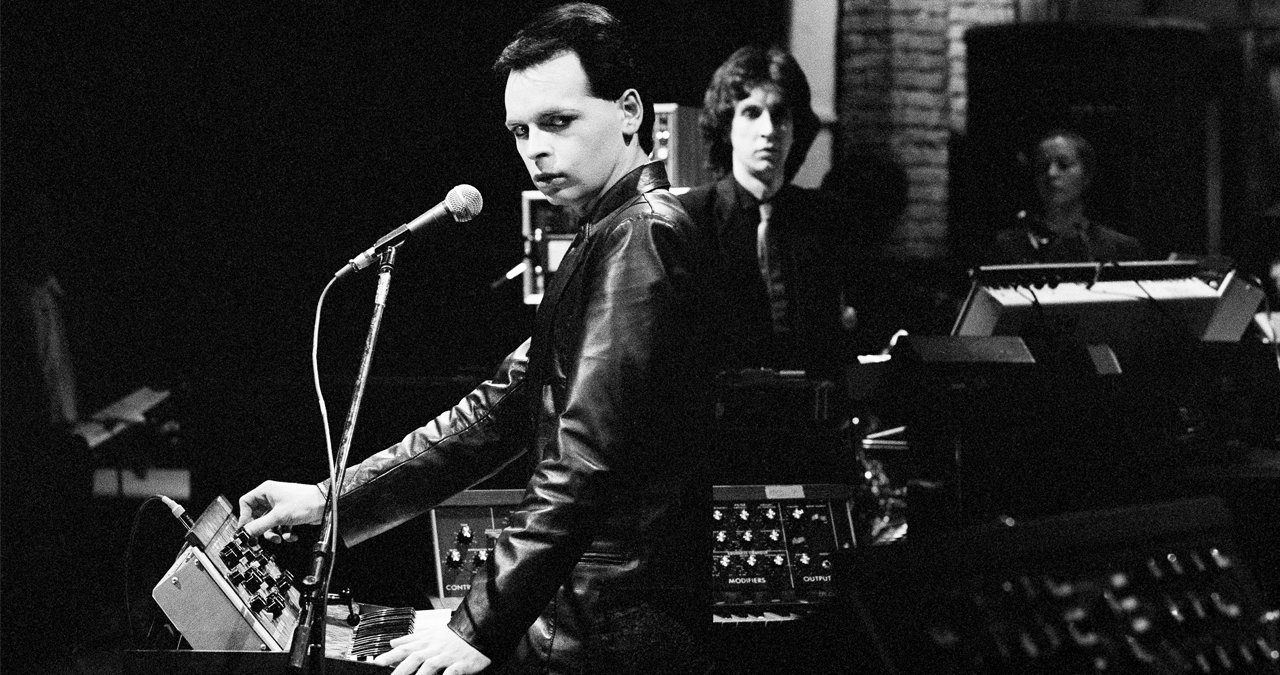
To understand the weight of the "Where’s Your Head At" riff, one must return to 1979, a pivotal year for the British New Wave. Gary Numan, then the frontman of Tubeway Army, was preparing to record a punk-influenced album when he encountered a Minimoog synthesizer in the corner of a London recording studio. Numan has frequently recounted how this accidental discovery fundamentally altered the course of his career. The instrument’s ability to produce massive, detuned bass frequencies and "reedy" lead tones provided a stark contrast to the guitar-driven aesthetics of the era.
"M.E.," a track from Numan’s seminal album The Pleasure Principle, featured a distinctive, descending three-note synth riff (F, E, and C) that utilized the Minimoog Model D’s unique three-oscillator architecture. Unlike the polyphonic synthesizers that would dominate the 1980s, the Minimoog was monophonic, requiring every note to be deliberate and impactful. The riff in "M.E." was designed to be ominous and mechanical, fitting the song’s lyrical themes of a sentient machine contemplating its own existence after the extinction of humanity. The sound was characterized by a specific pulse-width modulation and a sharp, resonant filter sweep that became a hallmark of Numan’s "machine-rock" sound.

The Legal Shift: From Lawless Sampling to Clearance Mandates
By the time Felix Buxton and Simon Ratcliffe of Basement Jaxx began working on their second studio album, Rooty, in the late 1990s, the legal environment surrounding music production had undergone a seismic shift. In the early days of hip-hop and house music, producers operated under a "wild west" mentality where brief or unrecognizable samples were often used without permission. A common industry myth suggested that using less than three seconds of a track, or an "unrecognizable portion," exempted a producer from legal liability.
This ambiguity was decisively ended by several landmark court cases in the early 1990s, most notably Grand Upright Music, Ltd. v. Warner Bros. Records Inc. (1991), which involved Biz Markie. The ruling established that any usage of another artist’s copyrighted sound recording required express permission from both the master recording owner and the songwriter.
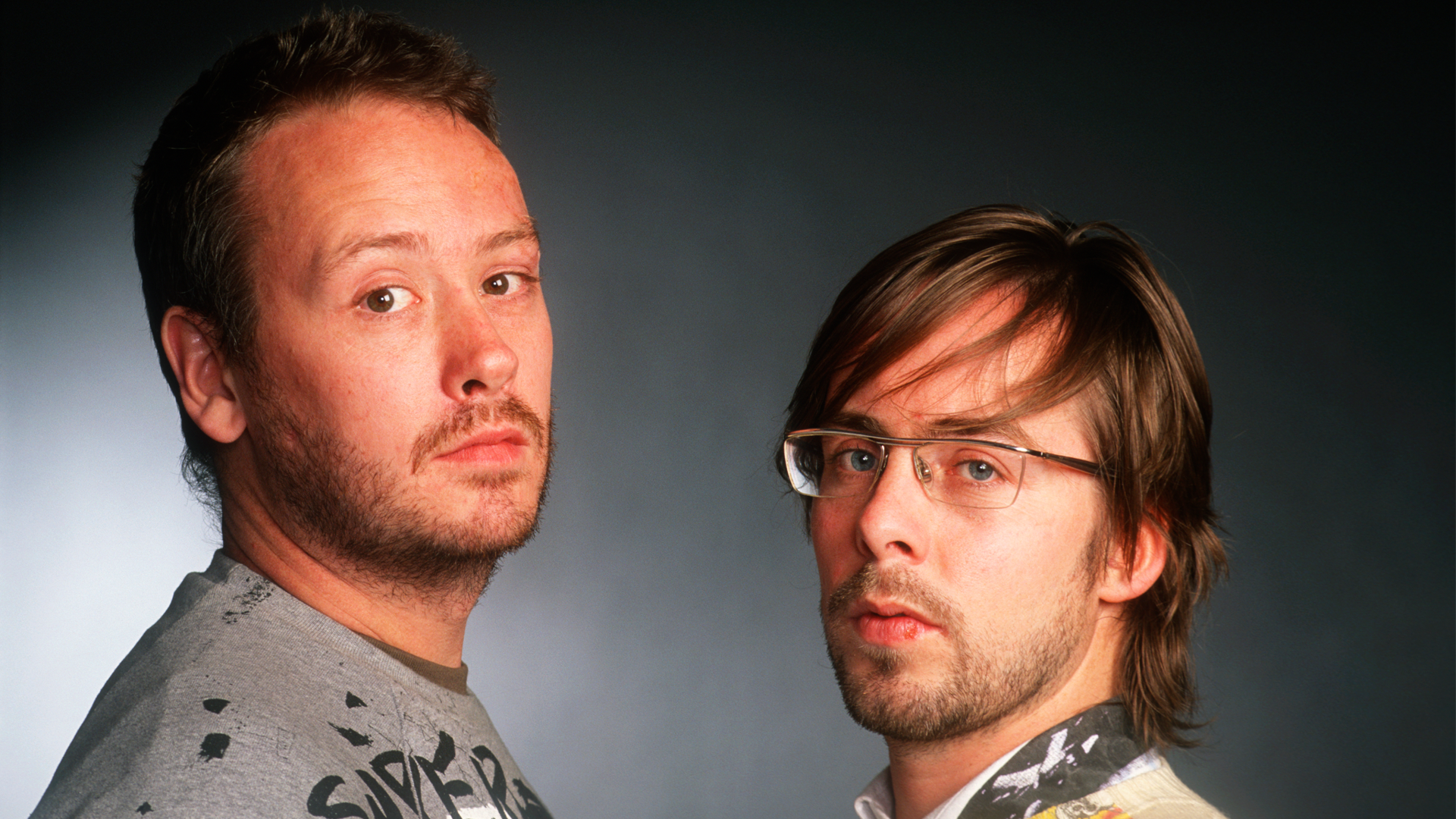
Basement Jaxx, known for their eclectic "pirate" approach to production—plundering various genres and eras to create something entirely new—recognized that the riff from "M.E." was too iconic and overt to go undeclared. By seeking formal clearance, the duo ensured that Gary Numan was credited as a songwriter, allowing him to benefit from the track’s massive commercial success. This professional approach to sampling marked the transition of electronic music from an underground subculture into a transparent, billion-dollar industry.
Engineering the Sound: A Technical Reconstruction
The production of "Where’s Your Head At" involved more than just looping a record; it required a sophisticated blend of 1970s analog warmth and 2000s digital processing. Buxton and Ratcliffe utilized emerging sampling technology to manipulate Numan’s original performance. While the original riff was recorded at a slower, more deliberate tempo, Basement Jaxx needed to increase the BPM to fit the "Big Beat" energy of the early 2000s club scene. Crucially, they utilized time-stretching algorithms that allowed them to speed up the audio without raising the pitch, maintaining the original key of C.
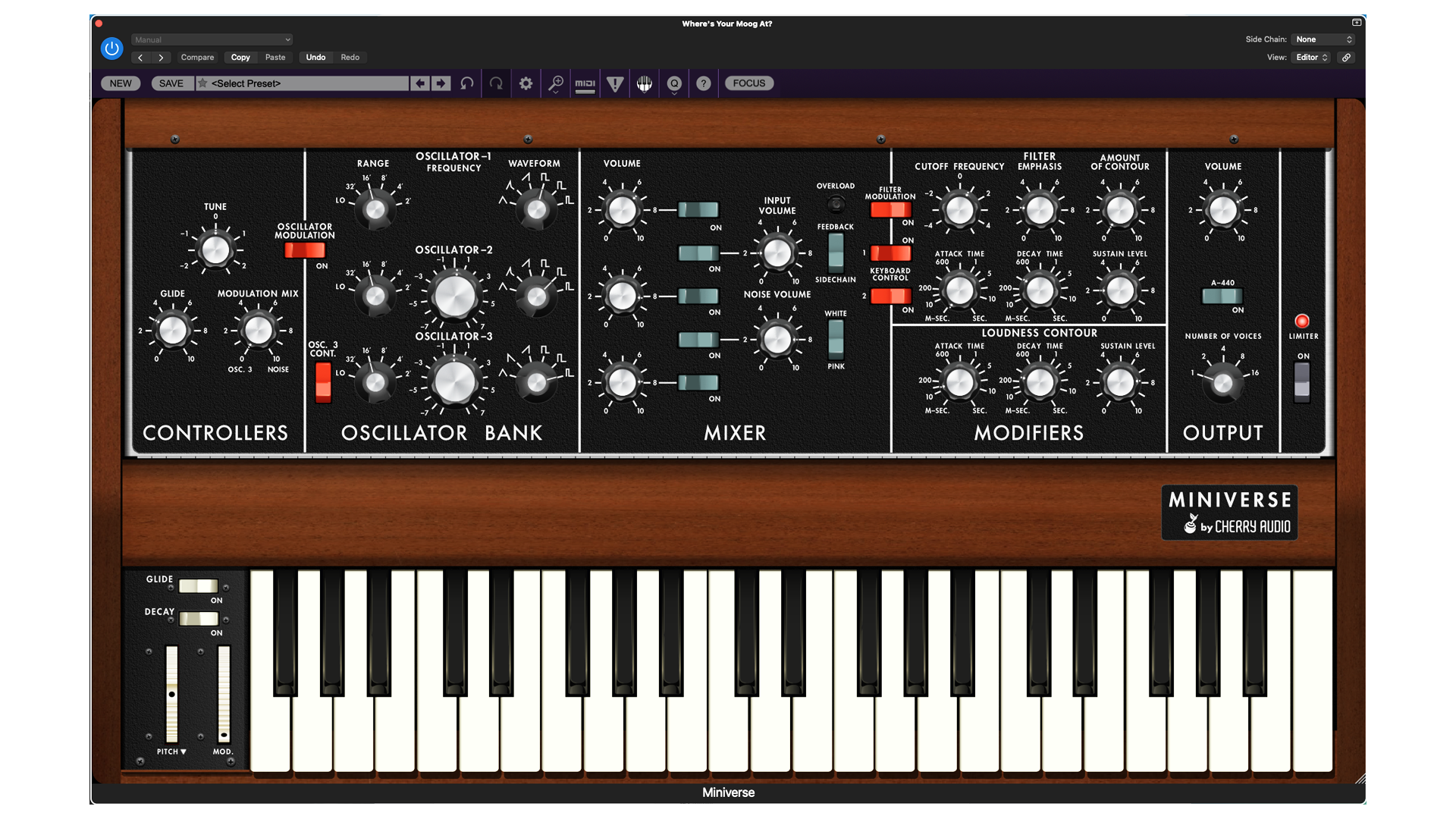
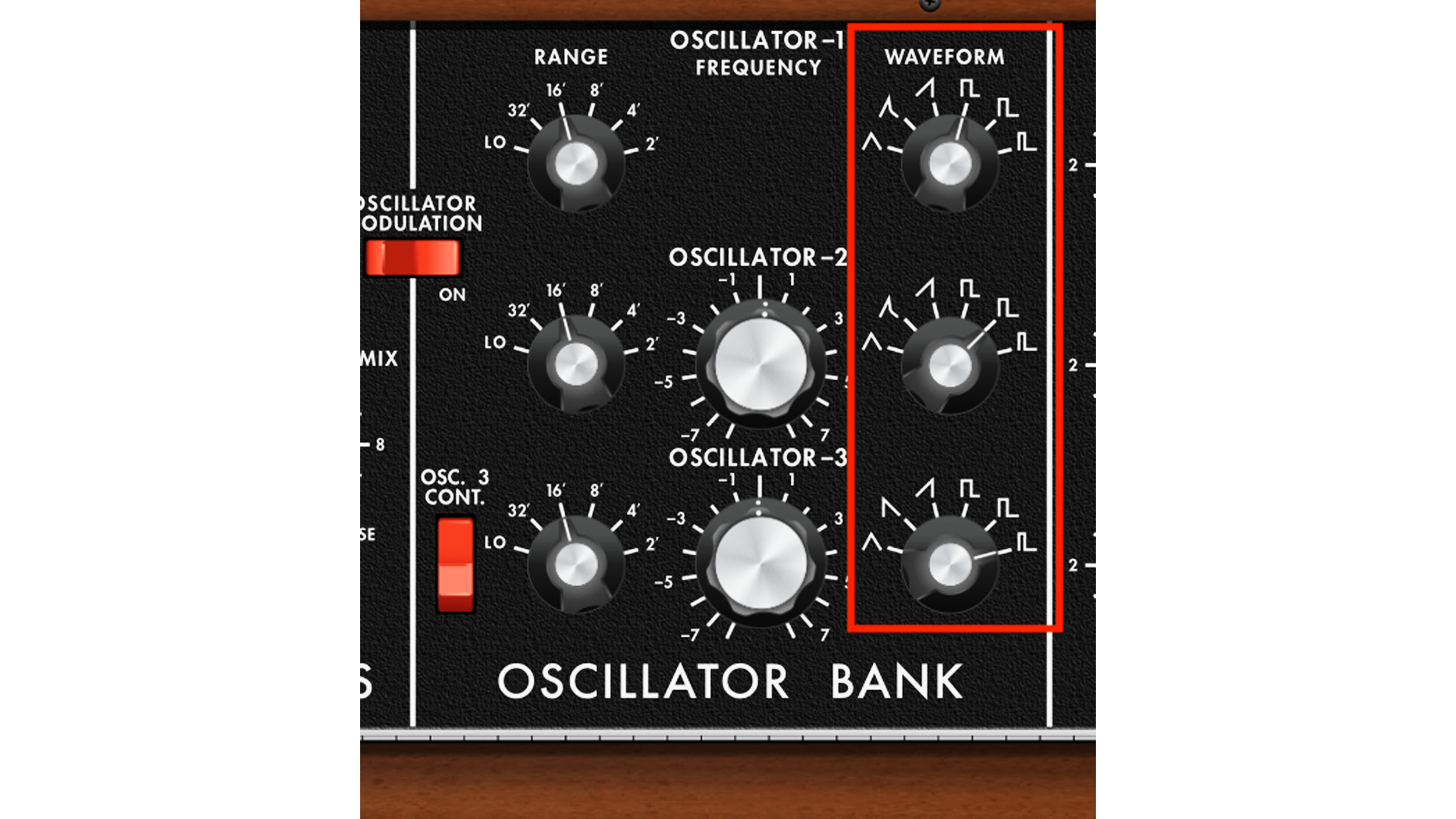
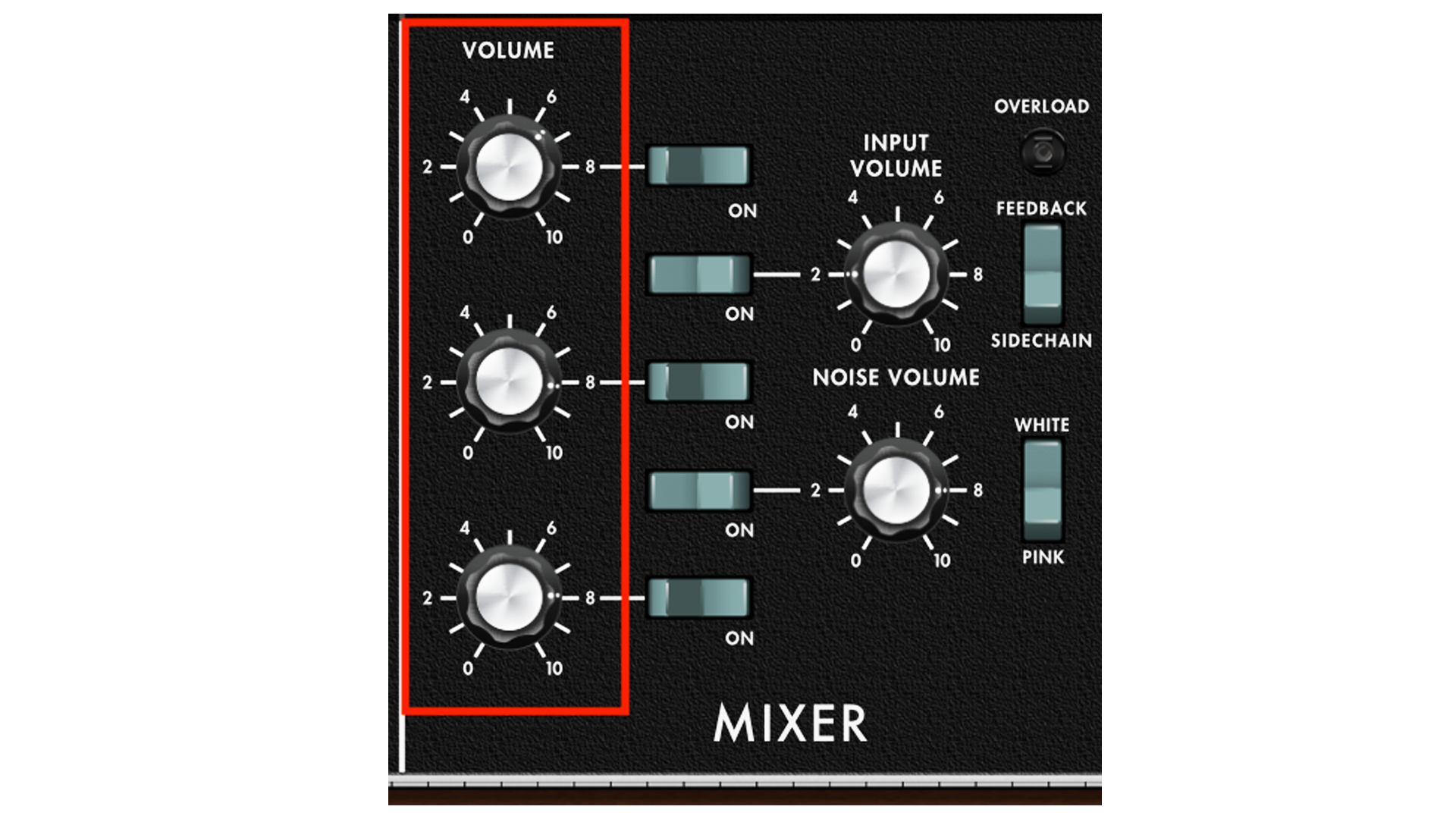
For modern producers seeking to recreate this sound using contemporary tools, the process involves a deep dive into subtractive synthesis. The core of the sound relies on three Voltage Controlled Oscillators (VCOs). To achieve the necessary "thickness," all three oscillators are typically set to a 16’ pitch and slightly detuned against one another. The selection of waveforms is critical; a mix of square and pulse waves provides the "reedy" texture heard in both Numan’s original and the Basement Jaxx version.
The filtration process is where the sound gains its aggressive character. Using a 24dB-per-octave Low Pass Filter (a hallmark of the Moog "ladder" filter), the cutoff frequency is generally set to approximately 60%, with a moderate amount of resonance—often referred to as "Emphasis" on Moog units. In the "Where’s Your Head At" iteration, the sound is further processed with a vintage-style flanger or phaser to add movement, followed by heavy overdrive or saturation to give the riff its "punk-rock" edge. Finally, Basement Jaxx applied aggressive sidechain compression, linked to the kick drum, which created a "pumping" effect that helped the synth cut through dense club sound systems.
Visual Provocation: The Impact of the "Monkey" Music Video
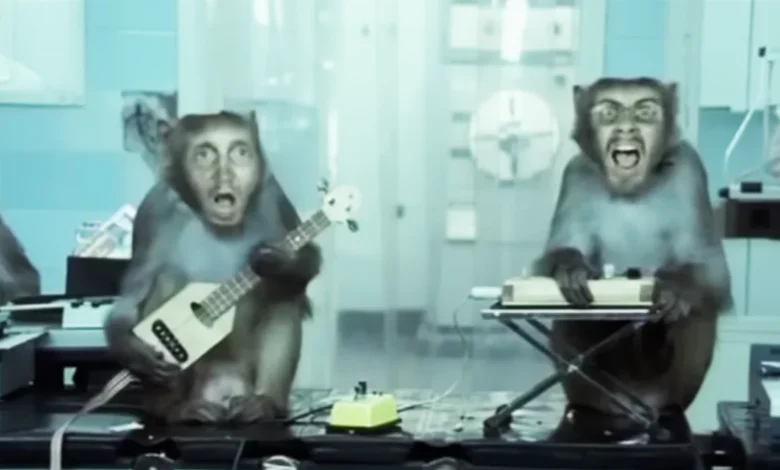
The cultural saturation of "Where’s Your Head At" was significantly bolstered by its accompanying music video, directed by the Swedish collective Traktor. The video, which depicts a dystopian laboratory where human faces are surgically grafted onto monkeys, became an MTV staple and is frequently cited as one of the most memorable—and disturbing—visuals of the era.
The video’s success highlighted the importance of visual branding in the electronic music industry. It transformed a sample-based club track into a pop-culture phenomenon, helping the single reach the top 10 on the UK Singles Chart and gain significant traction on the US Billboard Hot Dance Club Play chart. The imagery of the "Basement Jaxx monkeys" became so synonymous with the track that Gary Numan himself noted that the video gave his 22-year-old riff a second life in the minds of a new generation.
Chronology of Influence and Modern Resurgence
The timeline of this specific synth sound illustrates the long-tail influence of well-crafted electronic hooks:
- 1979: Gary Numan releases "M.E.," establishing the Minimoog as a lead instrument in pop music.
- 2001: Basement Jaxx releases "Where’s Your Head At," introducing the riff to the global house and big beat scenes.
- 2013: In interviews, Basement Jaxx reflects on their "pirate" philosophy, emphasizing the importance of not being tied to a single scene or sound.
- 2020s: A new generation of artists, led by Brit Award-winner PinkPantheress, begins citing Basement Jaxx as a primary influence. PinkPantheress, known for her short, sample-heavy tracks, has noted that she studied the duo’s creative process as a template for her own meteoric rise.
- 2024: Steve Angello of Swedish House Mafia releases an official remix of "Where’s Your Head At." After years of the track being a staple in his live sets, the remix brought the 1979-originating riff back to the main stages of festivals like Tomorrowland and Coachella.
Official Responses and Industry Analysis
The reaction from the original creator, Gary Numan, has been overwhelmingly positive. In various retrospectives, Numan has expressed his admiration for how Basement Jaxx reimagined his work. "I was very pleased with that," Numan told the BBC, acknowledging that the duo’s interpretation was both respectful of the source material and innovatively modern. This mutual respect between the "Godfather of Synth-Pop" and the leaders of the house music movement helped bridge the gap between different eras of electronic music.
Industry analysts point to "Where’s Your Head At" as a prime example of "Intergenerational Sonic Equity." By sampling a track from 1979, Basement Jaxx tapped into a sense of nostalgia for older listeners while providing a fresh, high-energy experience for younger club-goers. This strategy has become a standard blueprint in the modern streaming era, where "interpolation" and sampling are used to create instant familiarity in a crowded marketplace.
Broader Impact and Implications for the Future
The journey of the "M.E." riff from a Minimoog in 1979 to a Steve Angello remix in 2024 underscores the durability of well-engineered sound. It suggests that in the digital age, a song is never truly finished; it is merely a set of components waiting to be reassembled by the next generation.
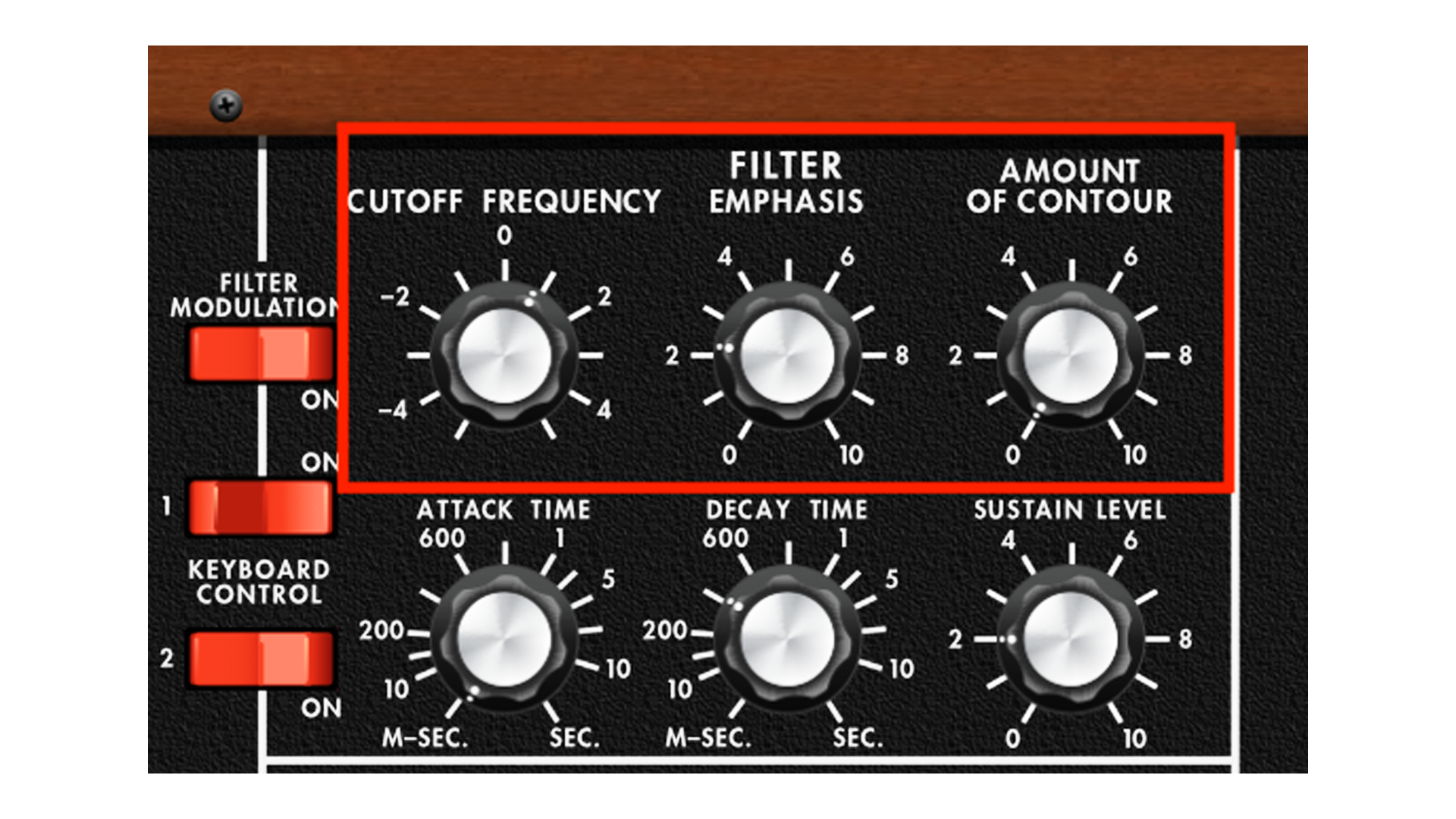
As software emulations like Cherry Audio’s Miniverse make classic Moog sounds accessible to bedroom producers for a fraction of the cost of original hardware, the barrier to entry for high-quality sound design continues to fall. However, as the history of Basement Jaxx shows, the true art lies not just in the technology, but in the ability to "plunder" the past with enough creativity to shape the future. The "Where’s Your Head At" legacy remains a testament to the power of the riff—a three-note sequence that, across five decades, has lost none of its ability to command a room.
Related posts: