The Sonic Architect Brian McNelis and the Digital Transformation of Modern Soundtrack Production

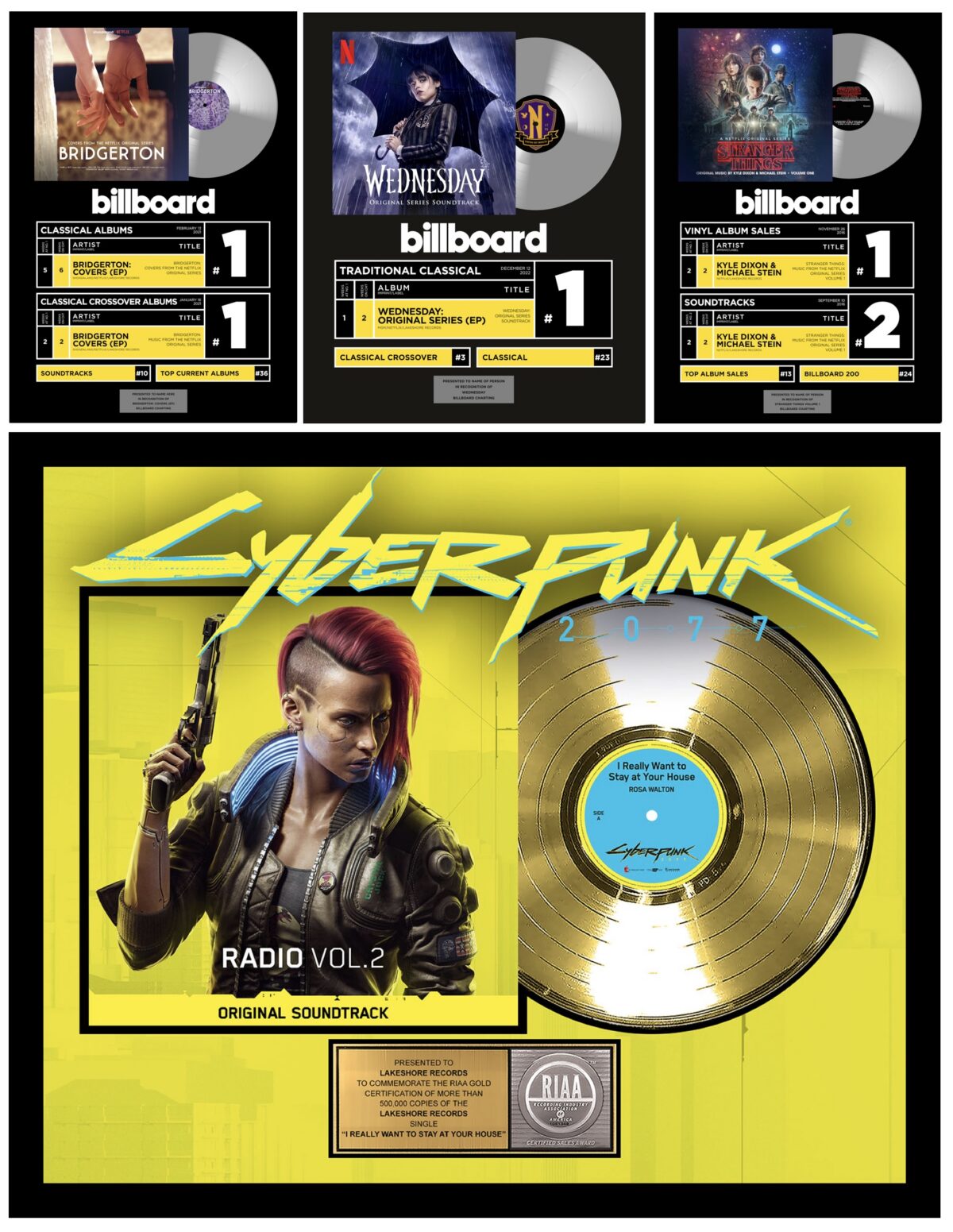
Brian McNelis, the President of Lakeshore Records, has carved a unique niche at the nexus of music, cinema, and emerging technology, overseeing a career that mirrors the evolution of digital audio production over the last quarter-century. As the head of one of the industry’s most influential independent soundtrack labels, McNelis has managed a catalog that boasts 11 Grammy nominations, a Grammy win, and numerous Billboard-charting albums. His influence extends from the quirky, low-budget charm of Napoleon Dynamite to the sprawling, high-octane digital landscape of Cyberpunk 2077. Throughout this trajectory, McNelis has utilized a specific suite of technological tools—most notably from Native Instruments—to bridge the gap between creative vision and technical execution.
The story of McNelis’s career is not merely one of executive oversight but of deep-rooted technical proficiency. His journey began in the late 1990s, a period defined by the seismic shift from analog hardware to software-based synthesis and sampling. This transition is encapsulated in his long-standing relationship with Native Instruments (NI), which serves as a primary case study for how digital tools have redefined the role of the music supervisor and producer in the modern era.
The Dawn of Digital Production: A Historical Chronology
The origins of McNelis’s integration into the digital ecosystem date back to the late 1990s, specifically around 1998 or 1999 at the National Association of Music Merchants (NAMM) show. At the time, McNelis was immersed in the production of Better Living Through Circuitry, a seminal documentary exploring the electronic music and rave culture of the era. Produced in collaboration with Cleopatra Records, the film sought to document the first wave of digital production tools that were beginning to enter the mainstream.
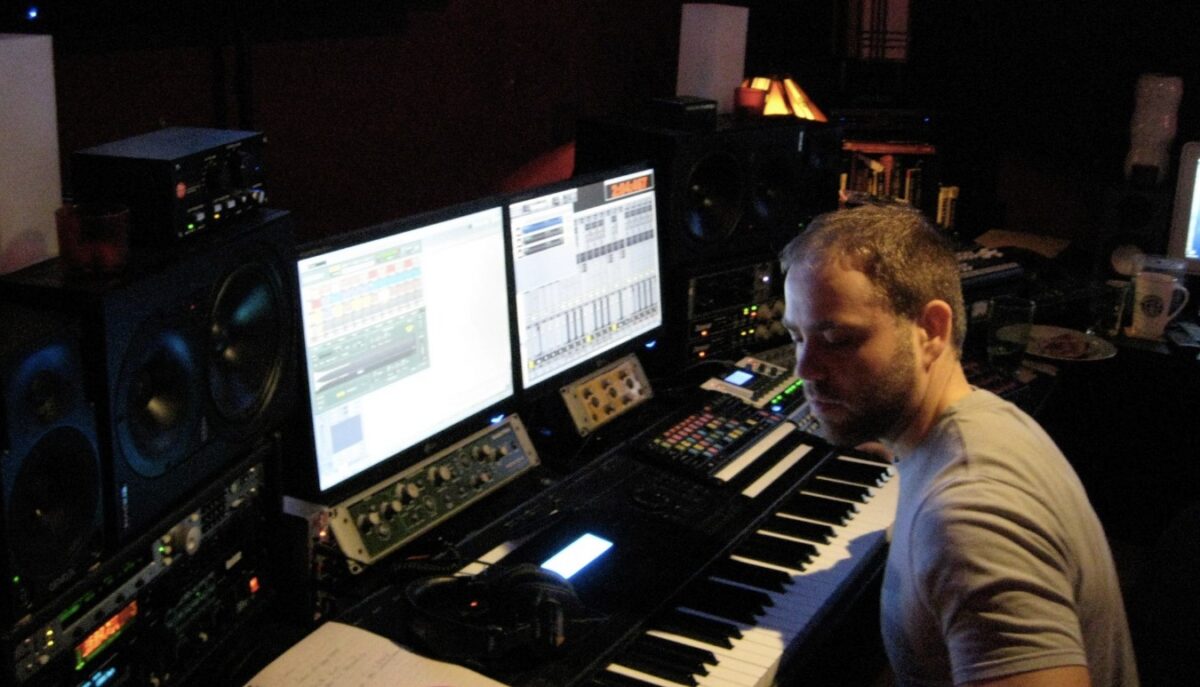
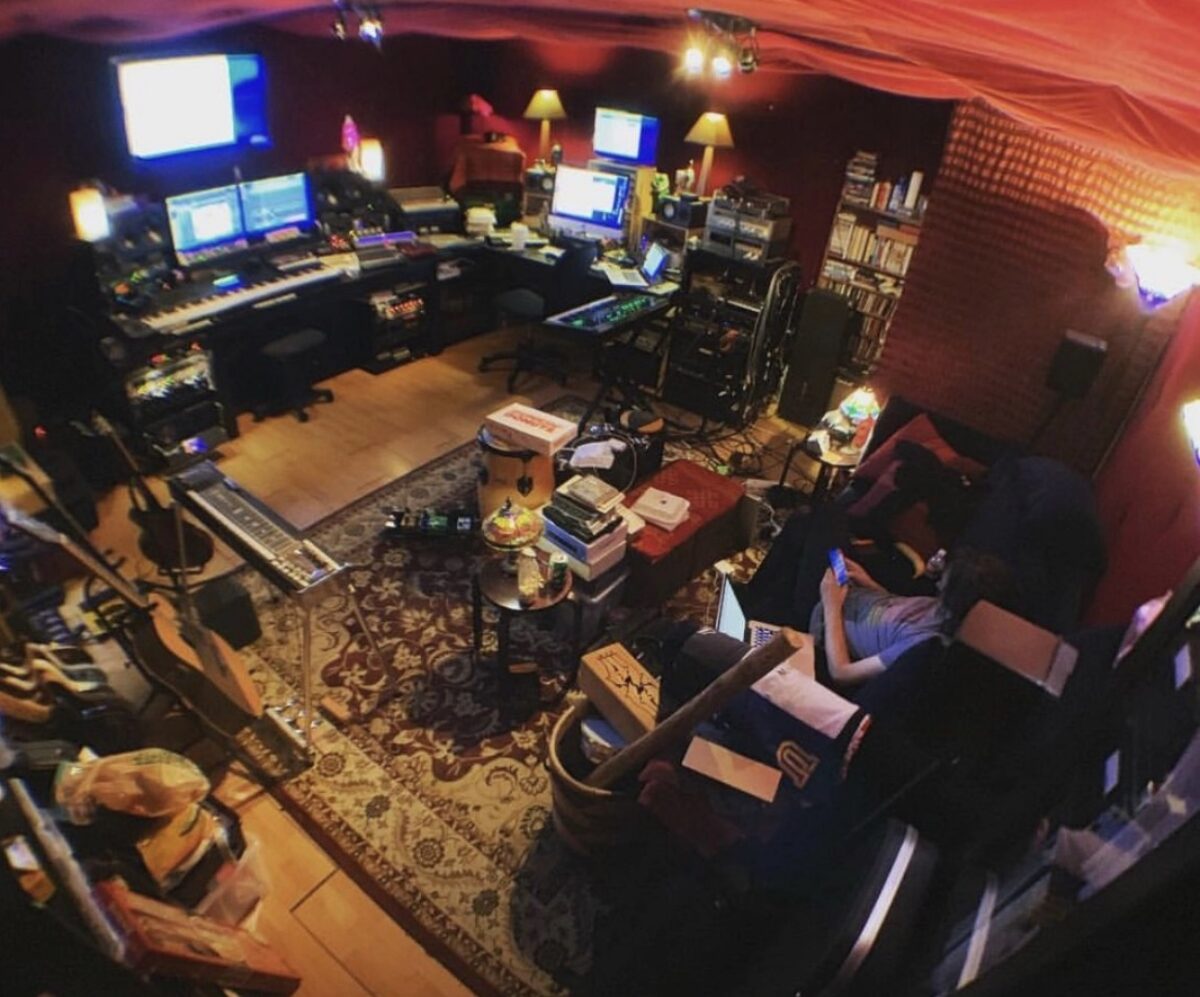
During this period, the production landscape was a complex hybrid of legacy hardware and nascent software. McNelis’s studio, located on Highland Avenue in Hollywood, was built around a Pro Tools 888 rig and a Mackie 3208 mixing desk. The workflow was labor-intensive; producers relied heavily on external hardware samplers such as the Akai S3000 and the Kurzweil K2000R. These machines, while powerful for their time, lacked the flexibility and integration of modern virtual instruments.
The introduction of Native Instruments’ early software, such as Generator (the precursor to Reaktor), B4, and Pro-5, offered a glimpse into a future where the constraints of physical hardware could be bypassed. However, it was the release of Battery and Kontakt that fundamentally altered the workflow. These tools allowed producers to move away from the "mental math" required to manage 32 tracks across multiple hard drives and constant CPU overloads. In the late 90s, maintaining a stable session required strategic "printing" of tracks to audio to conserve processing power—a stark contrast to the near-limitless capabilities of contemporary systems.
The Evolution of Music Supervision: From Studio Rat to Translator
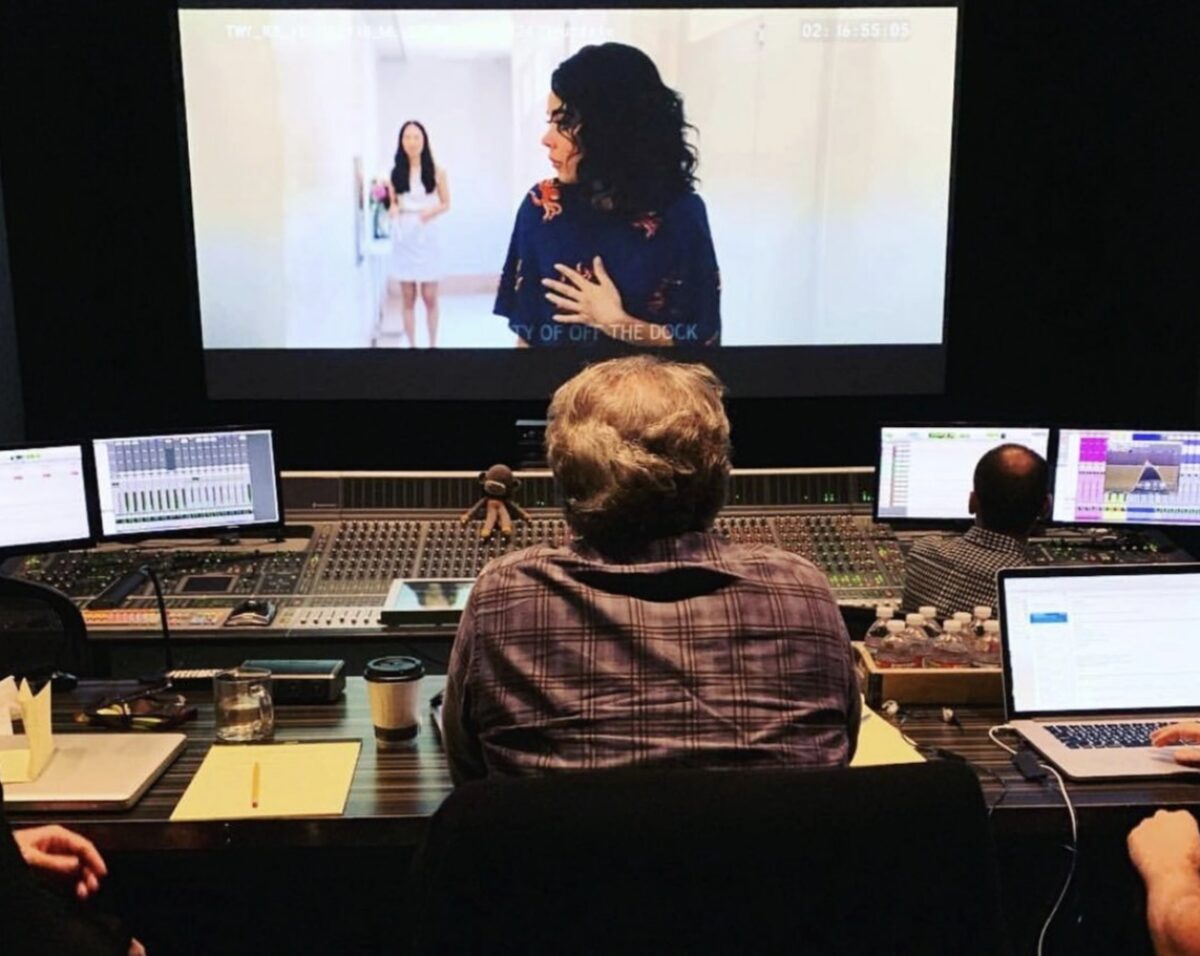
As McNelis transitioned from a hands-on producer and remixer—working under the moniker Aleister Einstein with partner Gregory Butler—into a high-level music supervisor, his relationship with technology evolved from creative exploration into essential infrastructure. In the current industry landscape, a music supervisor does not merely select songs; they act as a "translator" between non-musical stakeholders, such as directors and studio executives, and the composers who create the score.
McNelis argues that a background in music production is invaluable in this service-oriented role. Directors often describe their vision using emotional or abstract terms rather than technical musical vocabulary. Some may possess what McNelis calls "sound allergies"—an immediate, often unexplainable distaste for specific textures, such as analog string pads or orchestral percussion.
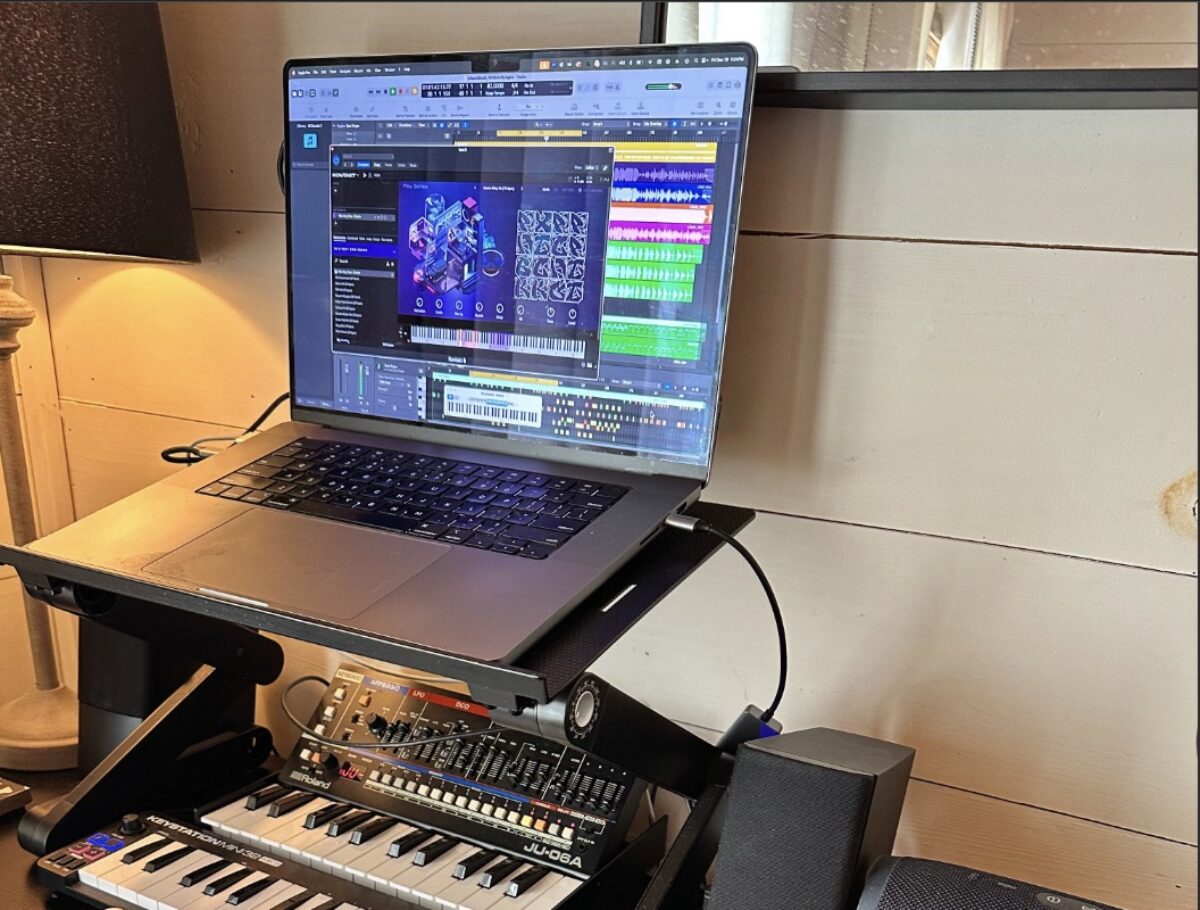
In these scenarios, McNelis utilizes software like Kontakt and its extensive library of samples to provide immediate, actionable alternatives. By having a mobile studio—currently a MacBook Pro equipped with dedicated SSDs for NI libraries—he can sketch out musical ideas or swap instrumental textures in real-time. This capability allows the creative team to reach an emotional consensus without the director needing to understand the difference between reverb and delay or the nuances of synth architecture.
Case Study: The Monumental Scale of Cyberpunk 2077
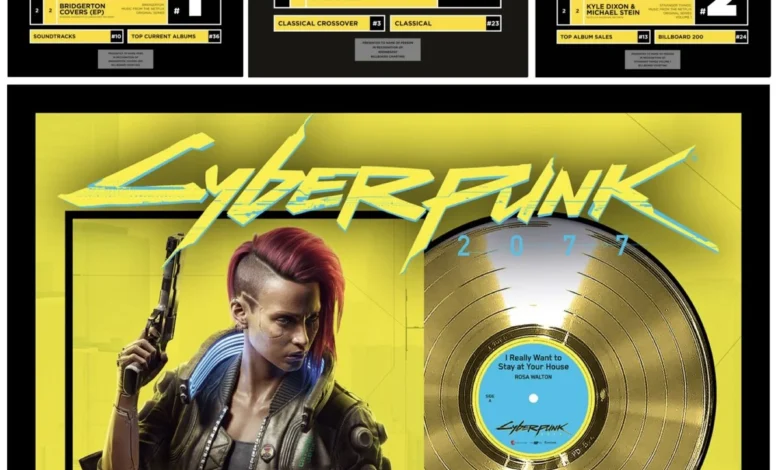
Perhaps the most significant testament to McNelis’s approach is his work on the Cyberpunk 2077 soundtrack. Brought onto the project by developer CD Projekt Red due to his acclaimed work on the film Drive, McNelis and his partner Eric Craig faced a task of unprecedented scale. The objective was to create an entirely original sonic identity for the fictional "Night City," requiring roughly 150 exclusive tracks.
The project spanned four years of daily production and A&R work. To maintain the immersion of the futuristic setting, all contributing artists—ranging from underground electronic producers to established rock bands—were required to adopt fictional in-game aliases. This necessitated an intense iterative process. McNelis used his production background and NI tools to "stress-test" submissions, ensuring they aligned with the specific aesthetics of the game’s various radio stations.
The logistical challenge of Cyberpunk 2077 required a massive operations infrastructure to track versions, notes, and revisions. McNelis and Craig frequently suggested specific technical tweaks to artists, such as implementing different types of distortion or specific synth basses to push the music further into the "future" environment. This collaborative process ensured that while artists remained true to their core sound, they delivered a version of themselves that fit the narrative requirements of a high-budget AAA video game.
Supporting Data and Industry Impact
The impact of the shift toward software-integrated supervision can be seen in the commercial and critical success of Lakeshore Records’ output. The label’s ability to maintain high quality across diverse genres is supported by the following data and milestones:
- Grammy Recognition: The label’s 11 nominations reflect a consistent ability to curate soundtracks that transcend their visual medium, a feat made possible by the high-fidelity sampling standards established by tools like Kontakt.
- Napoleon Dynamite (2004): An early success where McNelis recorded tracks in his own studio using NI software, demonstrating that independent, low-budget films could achieve platinum-selling soundtrack status through clever digital production.
- Fame (2009): A year-and-a-half-long production process where McNelis and Craig co-produced songs with the cast, relying entirely on the stability of virtual instrument suites to meet rigorous studio timelines.
- Technological Mobility: In the 1990s, a studio capable of professional-grade soundtrack production required thousands of pounds of gear and a dedicated power grid. Today, McNelis performs the same functions with a laptop and a compact USB keyboard, a shift that has democratized the industry while increasing the demand for expert curation.
Analysis of Implications: The Future of Soundscapes
The career of Brian McNelis illustrates a broader trend in the entertainment industry: the blurring of lines between technical production and creative executive roles. As the barriers to entry for music production have lowered due to the availability of free or affordable tools like the Kontakt Player, the role of the "human filter" has become more critical.
The use of standardized software ecosystems like Komplete allows for a "shared language" across the global production chain. A composer in London, a supervisor in Los Angeles, and a developer in Warsaw can all reference the same sample libraries and effects chains, ensuring that creative intent is not lost in translation. This standardization has shortened production cycles and allowed for more experimental sound design in mainstream media.
Furthermore, McNelis’s philosophy emphasizes that while the technology has reached a level of "sorcery" compared to the 90s, the ultimate goal remains emotional delivery. The tools are effective only insofar as they make communication faster and the workflow smoother. This balance between structure and creativity is what has allowed Lakeshore Records to remain a dominant force in an industry that has seen many other independent labels falter.
Conclusion: A Legacy of Innovation
Brian McNelis’s 25-year relationship with Native Instruments serves as a roadmap for the digital age of music. From the early days of "mental math" and hardware samplers to the streamlined, mobile workflows of today, his career reflects a commitment to using technology as a bridge rather than a barrier.
As he continues to oversee score sequencing and soundtrack production for major franchises, the core toolkit remains a constant. By integrating these digital foundations into the very start of every project, McNelis ensures that the emotional core of a film or game is supported by the most advanced technical means available. His legacy is defined by this intersection: where the art of the "Evil Genius" meets the science of the digital age, creating the sounds that define the modern cinematic experience.