OpenAI Quietly Revises ChatGPT Business Hub Terms Following Backlash Over Legal Claim Waivers

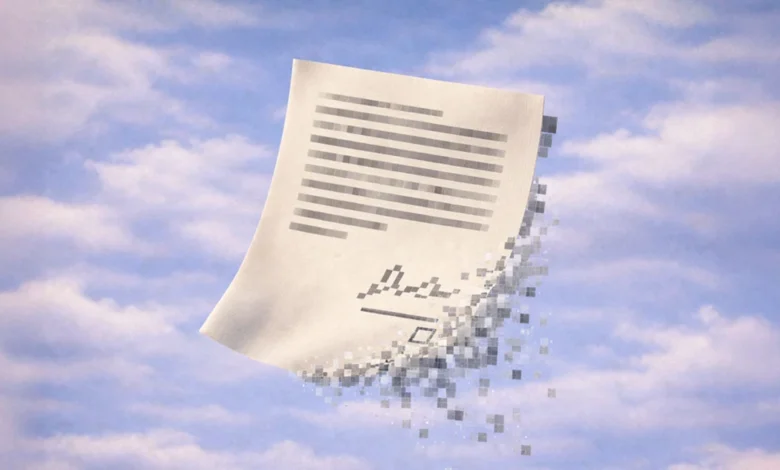
OpenAI has quietly amended the terms of service for its newly introduced ChatGPT Business Hub following swift and intense scrutiny from legal experts and digital publishers. The initial version of the agreement, rolled out alongside the platform in mid-November 2026, contained broad clauses that technology and intellectual property lawyers warned could inadvertently force businesses—particularly news publishers—to waive pre-existing legal claims against the artificial intelligence developer. The controversy highlights a mounting tension in the digital ecosystem as media organizations increasingly find themselves forced to weigh the operational benefits of AI visibility tools against the long-term protection of their intellectual property.
The ChatGPT Business Hub was designed to provide verified organizations with unprecedented, first-party analytics regarding how their domains and digital properties appear within ChatGPT search and conversational environments. For years, publishers have relied on rough approximations and secondary metrics to gauge their footprint across generative AI platforms. The Business Hub offered direct visibility into metrics such as profile views, active mentions, user clicks, and discovery topics. However, the utility of these new insights was quickly overshadowed by the legal framework governing access to the platform.
A Closer Look at the Original Terms of Service
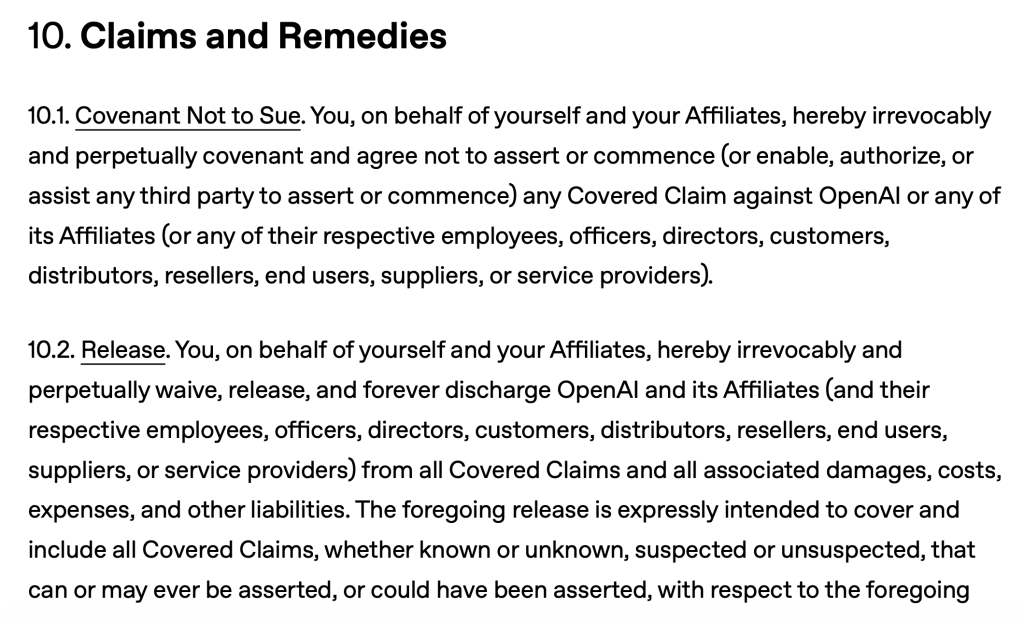
When OpenAI published the initial terms of service for the Business Hub on November 10, 2026, legal counsel representing various media companies and enterprise brands immediately identified potential landmines, specifically within Section 10 of the agreement. According to privacy experts and legal scholars, the original language appeared to demand a sweeping release of liability that extended far beyond the immediate use of the Business Hub or its underlying AI agents.
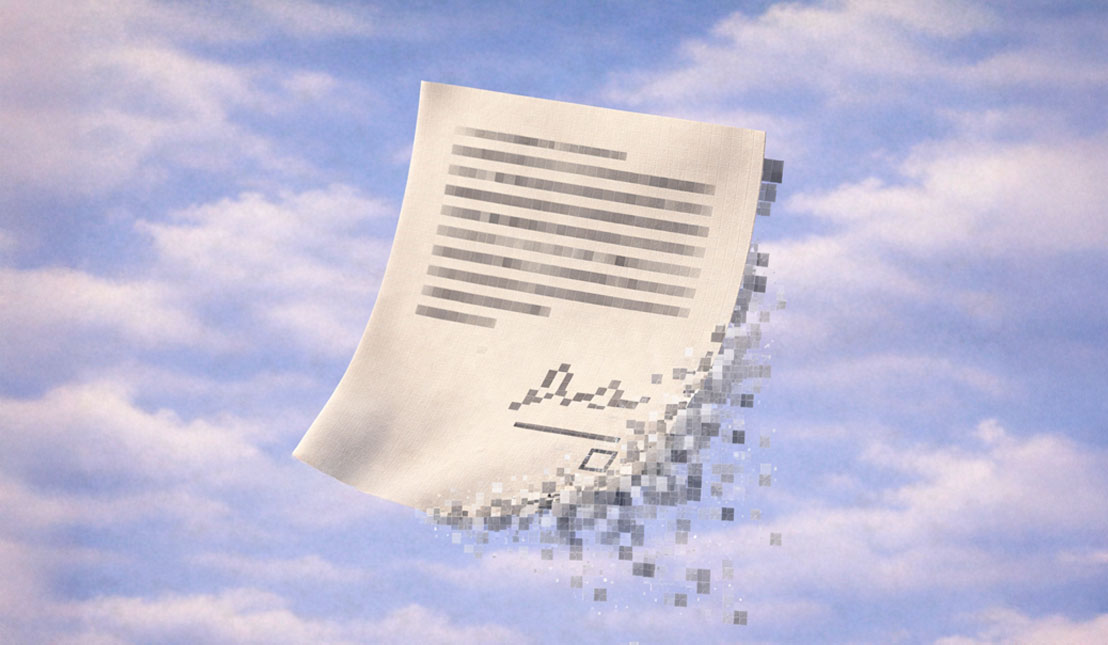
Alan Chapell, a prominent privacy expert and the founder of Chapell and Associates, was among the first to flag the implications of the initial text. Chapell noted that the terms incorporated mandatory arbitration provisions and strict class-action waivers. More concerning to legal teams, however, was the breadth of the "covered claims" language. As originally drafted, the agreement appeared broad enough to encompass historical disputes and potential copyright infringement claims originating from content published long before a business ever enrolled in the Business Hub.
Had publishers accepted the original terms without modification, they could have found themselves legally barred from pursuing traditional judicial avenues. This would have effectively stripped them of the right to obtain standard legal discovery, file formal appeals, or contribute to legal precedents through public court proceedings. In an era where the publishing industry is locked in existential battles over copyright protection, fair use doctrine, and uncompensated data harvesting, surrendering such rights would have constituted a massive strategic concession.
Rapid Escalation and Chronology of the Revision
The timeline of the dispute accelerated rapidly over the course of a single week in November 2026, showcasing the immediate influence of specialized trade journalism and vigilant legal oversight:
- November 10, 2026: OpenAI officially publishes its terms of service for businesses utilizing the ChatGPT Business Hub and associated AI Business Agents.
- Mid-November 2026: Legal teams representing media entities and corporate brands begin advising caution, noting restrictive language regarding historical liabilities.
- November 18, 2026: Digiday contacts OpenAI for comment regarding the potential legal limitations embedded in Section 10 of the terms.
- November 18, 2026 (Later that day): Within hours of media inquiries, OpenAI updates its documentation, replacing the controversial "covered claims" provision with narrower language in Section 5.2.
Legal Analysis of the Changes
While OpenAI’s rapid modification averted a prolonged public relations crisis, legal analysts maintain that the initial drafting was far from an accidental oversight. Gary Kibel, a partner at the law firm Davis+ Gilbert who frequently advises media and advertising clients, emphasized the deliberate nature of corporate terms of service.
"This is certainly not an oversight because they put these terms out there," Kibel stated, characterizing the original strategy as an aggressive maneuver to secure blanket waivers while attention was focused on the rollout of a high-demand product.
An anonymous intellectual property and technology lawyer who reviewed both versions of the agreement noted that while the revised terms still contain notable restrictions, they represent a meaningful retreat from OpenAI’s initial stance. The updated text ties the waiver strictly to claims arising directly from the operation of a business’s specific AI Business Agent—including the processing and utilization of customer data submitted to that agent—rather than extending into unrelated historical disputes. Consequently, while participating businesses still waive certain rights regarding the immediate functionality of the hub, they retain their legal standing to pursue monetary damages or separate grievances through appropriate judicial channels.
OpenAI’s Official Response
Addressing the modifications, an official spokesperson for OpenAI maintained that the disputed language in the original draft was simply misinterpreted and "was not intended to cover this scenario."
The company defended its ongoing administrative processes, stating that it continually evaluates its legal agreements to ensure maximum clarity for its enterprise partners. "The updated terms replace the separate ‘covered claims’ provision with language in Section 5.2 that ties the release to claims arising from a business’s Business Agent, including the use of customer data with that agent," the spokesperson confirmed in a formal statement.
Broader Industry Context: A Climate of Mistrust
OpenAI’s policy pivot does not occur in a vacuum; rather, it arrives amid a broader wave of industry friction concerning the unauthorized scraping and utilization of journalistic and creative works. Just weeks prior to the ChatGPT Business Hub controversy, Meta encountered fierce global backlash after attempting to implement new commercial terms that would have permitted the tech giant to harvest content from the websites of Meta Business account users. That move galvanized publishers, trade associations, and regulatory bodies into immediate collective action, ultimately forcing Meta to pause the rollout of its updated terms pending stakeholder consultations.
Simultaneously, ongoing courtroom battles continue to erode the veil of secrecy surrounding how major AI laboratories acquire their training data. Unsealed internal documents from high-profile litigation—such as the landmark lawsuit filed by The New York Times against OpenAI and Microsoft—have revealed internal discussions among tech executives treating paywalled and publicly accessible journalism as readily available raw material for AI development. These disclosures have left media executives intensely vigilant regarding any contractual language proposed by artificial intelligence developers.
Implications for the Future of AI-Publisher Relations
For publishers navigating the digital landscape of late 2026, the episode serves as a stark reminder of the hidden legal costs associated with adopting new technological platforms. Even as analytics tools like the ChatGPT Business Hub offer valuable visibility into audience engagement and referral patterns, the foundational conditions of use demand rigorous legal scrutiny.
Ultimately, while OpenAI’s prompt revision restored a degree of balance and preserved baseline legal recourse for participating businesses, it has done little to soothe the underlying anxieties of an industry fighting to secure its economic future. As generative AI continues to reshape the distribution of information, the fragile truce between artificial intelligence creators and content originators will likely continue to be tested clause by clause, courtroom by courtroom.