Blizzard Entertainment Ushers in a New Era of Franchise Expansion Following Successful BlizzCon 2026

The return of BlizzCon in September 2026 marked a pivotal transition for Blizzard Entertainment, signaling a bold, accelerated development strategy under the sustained ownership of Microsoft. Held at the Anaheim Convention Center from September 12 to 13, the event served as more than a fan gathering; it was a demonstration of the studio’s revitalized production pipeline. Following the monumental $69 billion acquisition of Activision Blizzard by Microsoft, the industry had been watching closely to see how the gaming giant would leverage its vast resources to revitalize its most iconic intellectual properties. The data from this year’s convention—35,000 in-person attendees and a staggering 12.5 million live viewers globally—suggests that Blizzard’s brand resonance remains as potent as ever.
The centerpiece of this year’s announcements was the swift release of World of Warcraft Forever, a title that transitioned from a stage reveal in mid-September to a full commercial launch on November 4. This rapid execution underscores a fundamental shift in Blizzard’s operational philosophy, favoring shorter cycles between major announcements and product availability to maintain market momentum.
A Chronology of Strategic Growth
The road to the 2026 convention was paved with intense speculation regarding how the integration into the Microsoft ecosystem would affect Blizzard’s long-term roadmap. Since the finalization of the Microsoft-Activision Blizzard merger, the studio has been tasked with proving that it could modernize its output while maintaining the high production values historically associated with its titles.
The timeline leading to the current success began with the restructuring of internal teams during the 2024-2025 fiscal years, aimed at streamlining development cycles. By the time BlizzCon 2026 commenced, the studio had finalized its plans for a five-year content roadmap. The event schedule itself was highly choreographed, designed to project stability and ambition.
On September 12, Blizzard executives outlined a vision that moved beyond the traditional sequel-heavy model, integrating transmedia initiatives and long-term service expansions. The announcement that Diablo 5 is slated for a spring 2029 release provided the investor community with a clear outlook on the studio’s long-term earnings potential, while the reveal of a StarCraft open-world shooter, projected for 2030, signaled a willingness to experiment with genres that have previously been untapped by the developer.
The Business of Fan Engagement
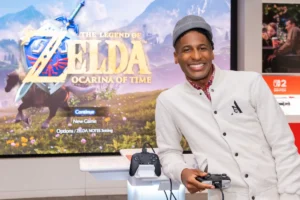
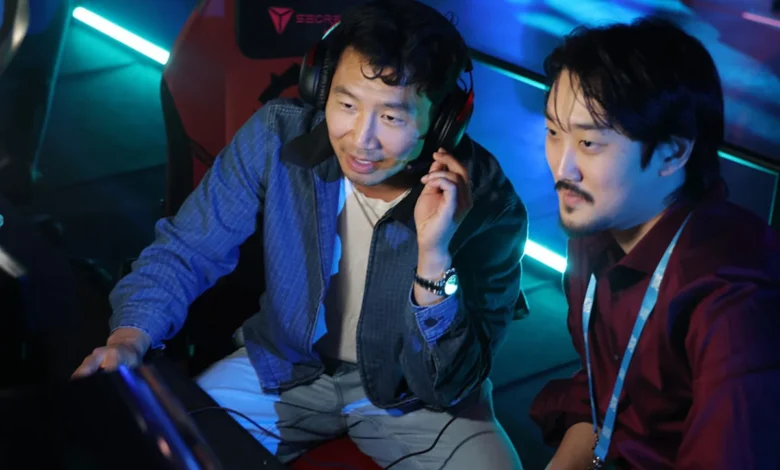
The success of BlizzCon 2026 was not measured solely in ticket sales but in the cross-pollination of gaming culture with broader entertainment sectors. The presence of high-profile figures such as Simu Liu, T-Pain, and the K-pop group Le Sserafim highlighted Blizzard’s ongoing strategy to position its games as lifestyle brands rather than niche software products.
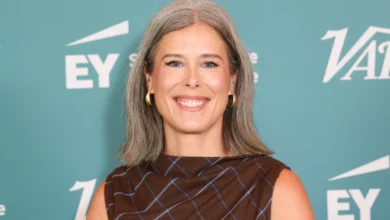
In a recent episode of Variety’s Strictly Business podcast, Blizzard Entertainment President Johanna Faries discussed the psychological importance of this physical engagement. "We were even backstage and we’ve seen all the show and all said it feels like we were watching it for the first time all over again because we are finally sharing it with our players in our community," Faries noted. This sentiment reflects an internal push to bridge the gap between the development studio and the consumer, particularly after a period of industry-wide remote work and digital-only events.
For the analysts tracking the gaming industry, the presence of these celebrities is a deliberate move to tap into the "omnichannel" consumer. By involving mainstream talent, Blizzard is attempting to lower the barrier to entry for its complex, lore-heavy franchises, effectively broadening its total addressable market beyond the core gaming demographic.
Expanding the Narrative Universe: The Netflix Diablo Project
Perhaps the most significant long-term strategic play announced during the convention was the confirmation of an animated adaptation of the Diablo franchise, currently in development for Netflix. This move mirrors the success of other gaming-to-screen adaptations like Arcane (League of Legends) or The Last of Us, which have proven to be powerful drivers for game engagement.
By diversifying into television, Blizzard is executing a "walled garden" strategy. Players who engage with the Diablo animated series are funneled into the game ecosystem, and vice versa. This cross-media pollination is essential for a company that relies heavily on live-service revenue, as it creates constant touchpoints with the consumer even when they are not actively playing the game.
Market Implications and Financial Outlook
The immediate launch of World of Warcraft Forever less than two months after its unveiling is a testament to the agility now afforded to Blizzard by the infrastructure of Microsoft. Historically, Blizzard was known for its "it’s ready when it’s ready" development philosophy, which often resulted in multi-year delays. The current shift toward a more predictable, disciplined release cadence is likely a direct result of Microsoft’s operational influence.
Financial analysts have noted that the stability of the Blizzard portfolio, combined with the predictable release schedule of major titles like the upcoming Diablo 5 and the new StarCraft project, provides a hedge against the volatility often found in the gaming market. While the costs associated with developing high-fidelity, open-world titles are substantial, the potential for sustained revenue through subscriptions and microtransactions within the World of Warcraft ecosystem remains a bedrock of the studio’s financial health.
Furthermore, the integration of these titles into the broader Xbox Game Pass ecosystem—a core tenet of Microsoft’s gaming strategy—ensures that these new releases will have an immediate and massive install base upon launch. This removes the risk of a "slow start" that often plagues new game launches in the modern era, as millions of subscribers will have day-one access to the content.
Leadership and Cultural Transition
The leadership of Blizzard, under Johanna Faries and creative leads like World of Warcraft Forever director Ion Hazzikostas, is currently navigating the delicate balance of preserving the studio’s "legacy" identity while pivoting toward the high-output requirements of a modern tech-conglomerate subsidiary.
The feedback from the 2026 convention suggests that the player base is receptive to this change. The record-breaking live viewership of 12.5 million indicates that the community is not only interested in playing the games but is also invested in the "event" of Blizzard’s future. For the developer, the challenge remains to maintain the quality threshold that fans expect while meeting the aggressive timelines set by their new corporate parent.
The Road Ahead: 2027 and Beyond
As Blizzard moves into the post-BlizzCon phase, the focus will inevitably turn toward the execution of the 2027-2030 roadmap. The industry is currently in a state of consolidation, and Blizzard’s ability to successfully launch the StarCraft shooter in 2030 will serve as a bellwether for the company’s long-term creative health.
The inclusion of the Netflix project suggests that the studio is no longer just a software developer, but a content house. This shift is critical for stakeholders to understand: the valuation of the studio is increasingly tied to its intellectual property reach rather than just the unit sales of its software.
In summary, the 2026 BlizzCon was a watershed moment that defined the new Blizzard. By blending traditional fan-focused events with modern, high-speed release strategies and cross-media expansion, the company is positioning itself to lead the next generation of interactive entertainment. The success of the recent World of Warcraft Forever launch serves as the first proof-of-concept for this new strategy, and all eyes remain on the studio as it attempts to maintain this momentum into the latter half of the decade. As Blizzard continues to integrate further into the Microsoft fold, the focus on community, quality, and consistent delivery will remain the primary metrics by which its success is measured by both the public and the financial markets.