Mastering the Art of Autumn Photography: Professional Strategies for Capturing Seasonal Brilliance

As the northern hemisphere transitions from the intense heat of summer to the crisp, golden atmosphere of autumn, photographers across the globe shift their focus to one of the most visually dynamic seasons of the year. The fall season, typically spanning from late September through November, offers a unique palette of natural colors, shifting light patterns, and atmospheric conditions that professional photographers leverage to create compelling imagery. Whether for wedding portraiture, editorial fashion, or lifestyle documentation, understanding the nuances of autumn lighting and environmental composition is essential for producing high-quality work.

The Science and Timing of Autumnal Color Shifts
The hallmark of the autumn season is the process of senescence in deciduous trees. As daylight hours shorten and temperatures drop, the chlorophyll—the pigment responsible for the green color in leaves—breaks down, revealing accessory pigments such as carotenoids (yellows and oranges) and anthocyanins (reds and purples).

According to botanical researchers, the "peak" foliage season is highly dependent on local latitude, elevation, and moisture levels. While many regions in the United States and Europe experience peak color between mid-September and early October, variations in climate can shift these windows by several weeks. For professional photographers, this necessitates meticulous planning. Advanced scouting using tools like the Farmer’s Almanac or real-time foliage trackers has become standard industry practice.

The strategic importance of this timing cannot be overstated. A successful autumn photoshoot often requires a "chase" approach, where photographers monitor weather patterns to anticipate when the saturation of color will reach its zenith. Even in regions where traditional fall foliage is less pronounced, such as coastal California or tropical climates, photographers often lean into the "fall vibe" by focusing on the softer, lower-angled sunlight that characterizes the season, which provides a warmer, more flattering golden hour for portrait subjects.

Advanced Compositional Techniques for Seasonal Imagery
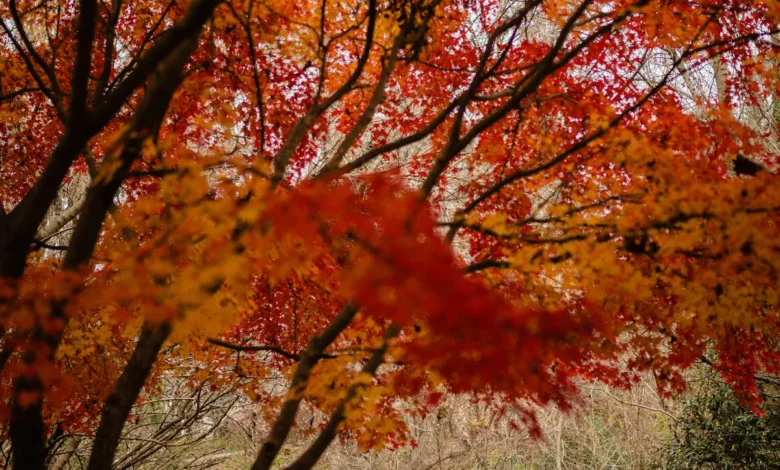
Professional photographers often differentiate their work through the use of sophisticated compositional techniques. The incorporation of foreground elements, for instance, serves as a cornerstone for creating depth. By utilizing overhanging branches, vibrant foliage, or natural debris, photographers can create a "framed" effect that draws the viewer’s eye toward the subject, while simultaneously providing context to the environment.

This technique is frequently used to facilitate "leading lines," where natural elements guide the viewer through the frame. Furthermore, the use of foreground blur—often achieved through a wide aperture (low f-stop)—can make the viewer feel as though they are witnessing a candid, private moment, adding a sense of intimacy and spontaneity to the final image.

Another dynamic technique involves the intentional use of motion and interactive props. The classic "leaf toss" is more than just a nostalgic activity; it is a professional tool for creating unpredictability. Similar to confetti drops at weddings or festive events, a well-executed leaf toss introduces controlled chaos into a frame, challenging the photographer to capture high-speed action while maintaining sharp focus on the subjects. This requires a high shutter speed, typically 1/500th of a second or faster, to freeze the individual leaves in mid-air.

The Role of Wardrobe and Color Theory
In the professional photography sector, the coordination of wardrobe with the environment is a primary factor in the final aesthetic of the image. Color theory plays a significant role in creating a cohesive visual narrative. Earth tones—such as rust, burnt orange, mustard yellow, and deep forest green—are frequently selected to complement the natural surroundings rather than compete with them.

Professional photographers often provide "style guides" to their clients, encouraging the use of textures like knits, wool, and layers. These materials not only align with the seasonal theme but also provide visual interest in the form of texture, which helps to ground the subjects within the landscape. When the wardrobe is perfectly matched to the environmental palette, the result is an organic, elevated look that appears both intentional and timeless.

Aerial and Elevated Perspectives
Technological advancements, specifically in the realm of high-end drone photography, have revolutionized how the season is captured. While traditional portraiture remains focused on eye-level interactions, the use of aerial photography allows for a broader, macro-view of the landscape.

By capturing the canopy from above, photographers can showcase the vast tapestry of color that defines autumn. This perspective is particularly useful for wedding and landscape photography, as it emphasizes the scale of the venue or the location, providing a sense of grandeur that is impossible to achieve from the ground. However, this shift in perspective requires strict adherence to local airspace regulations and, in many cases, specialized licensing for commercial operators.

Broader Impact and Industry Implications
The demand for autumn-themed photography continues to rise as clients seek to document the transition of seasons, which has become a staple of modern lifestyle branding. For professional studios, the fall season represents a peak period for bookings. The logistical challenges—ranging from unpredictable weather to the short duration of peak foliage—require photographers to be highly adaptable.

The shift toward documenting the "feeling" of the season, rather than just the visual change, has prompted a move toward more candid, documentary-style photography. This reflects a broader trend in the industry where authenticity is prioritized over heavily posed, studio-centric imagery. As noted by industry experts, the ability to weave a narrative—the cozy, introspective, and reflective nature of fall—into a session is what separates professional-grade work from amateur efforts.

Chronology of the Autumn Photography Season
- Late August – Early September: The planning phase. Photographers begin scouting locations and monitoring foliage forecasts. Consultations with clients regarding wardrobe and vision occur during this window.
- Mid-September – Mid-October: The "Peak" window for northern latitudes. This is the period of highest demand, where photographers are often scheduled for back-to-back sessions in high-color regions.
- Late October – November: The "Transition" window. As leaves begin to fall, the aesthetic shifts from lush, vibrant colors to a more moody, muted, and minimalist look. This is often the time when "hints of fall" are captured, emphasizing textures and the cooling climate.
- December: The transition to winter. Photography shifts toward preparations for holiday-themed shoots, marking the conclusion of the formal autumn season.
Conclusion
The autumn season provides an unparalleled opportunity for creative exploration. Through the integration of natural color theory, precise timing, and advanced compositional techniques, photographers can transform the simple change of seasons into a compelling visual story. As the industry continues to evolve, the emphasis remains on the professional’s ability to interpret the environment and provide clients with imagery that transcends the fleeting nature of the season.

Whether utilizing the grand scale of an aerial shot or the intimate detail of a foreground-blurred portrait, the objective remains consistent: to document the beauty of the transition and the emotional resonance of the season. For those looking to refine their craft, the key lies in preparation, an eye for color, and the willingness to adapt to the unpredictable, yet rewarding, nature of the autumn landscape. As technology and artistic trends progress, the professional photography community will undoubtedly continue to find innovative ways to honor the timeless appeal of the fall.