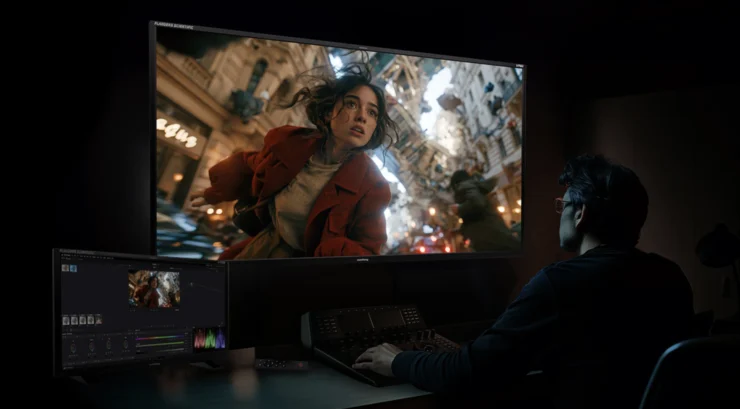
The professional display market, long dominated by high-cost reference monitors, has witnessed a significant shift with the launch of the FSI VP and V Series by Flanders Scientific. Known primarily for their high-end XMP Series, which has become a staple in color grading suites and high-end production houses globally, FSI has sought to broaden its reach. By stripping away non-essential features that many post-production professionals have moved toward external solutions for, the company has effectively democratized access to their acclaimed color science and QD-OLED panel technology.
The Evolution of FSI’s Product Strategy
The release of these seven new monitors marks a strategic pivot for Flanders Scientific. For years, the company maintained a reputation for providing "all-in-one" solutions, where the monitor served as a hub for scopes, LUT processing, and live signal management. However, as the industry has matured, many editors and colorists have adopted dedicated, standalone hardware for waveform monitoring, vectorscopes, and color management.
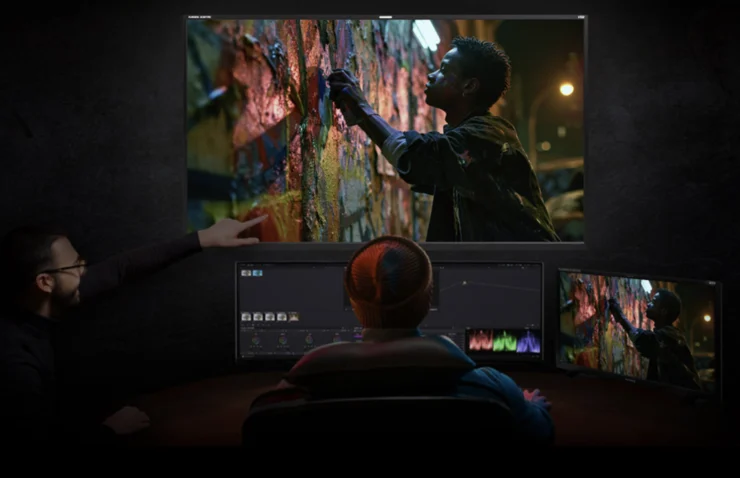
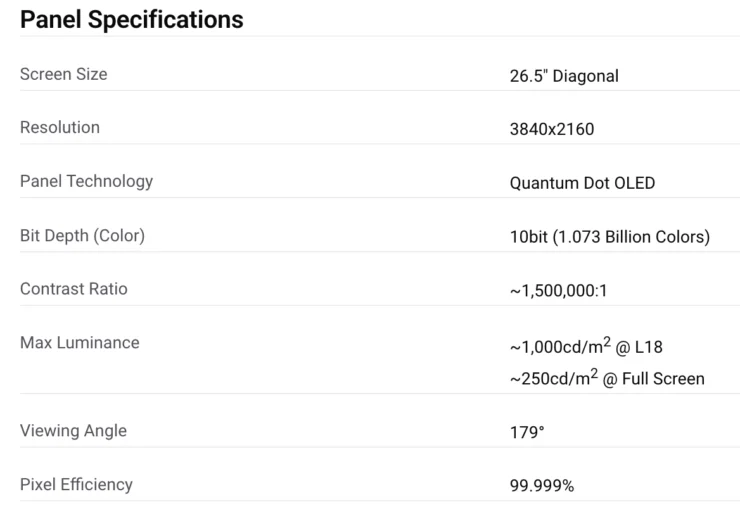
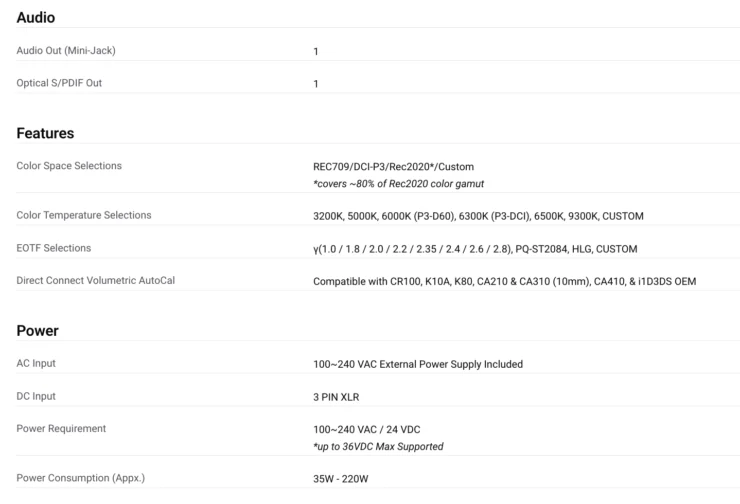
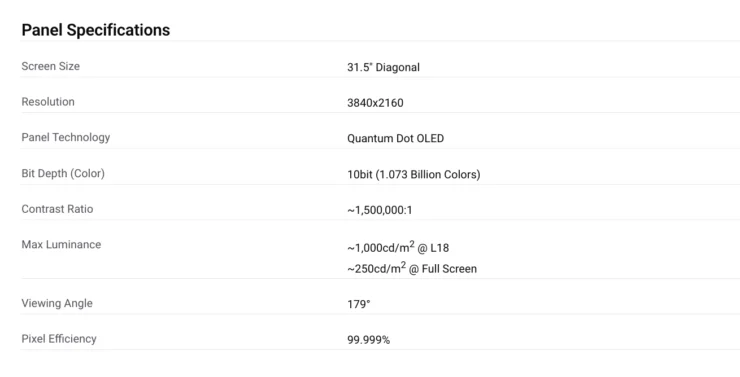
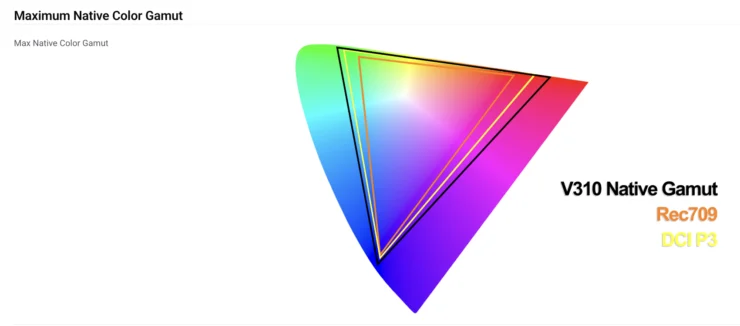
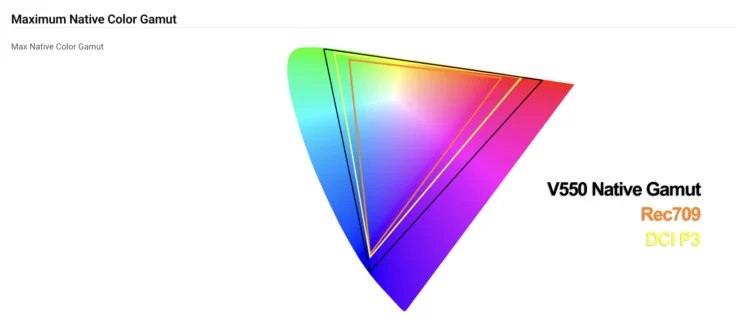
Recognizing this shift, FSI engineers designed the VP and V Series to retain the core requirement of any professional display: absolute color fidelity. By utilizing the same high-performance QD-OLED panels, color engines, and proprietary GaiaColor calibration tools found in the flagship XMP series, FSI ensures that these "accessible" units do not compromise on the visual performance that the brand is synonymous with.

Chronology of the Launch
The announcement, made on November 6, 2026, represents the culmination of an 18-month research and development cycle aimed at streamlining the production line. Following the successful reception of their QD-OLED transition in previous years, FSI identified a specific market segment—post-production facilities and creative studios—that desired the performance of the XMP line but operated under budget constraints that made the full-featured flagship monitors difficult to justify.

The company confirmed that the rollout will begin immediately, with units shipping to global distributors throughout November 2026. This rapid transition from announcement to availability is a departure from previous product cycles, suggesting a robust manufacturing pipeline and inventory readiness.

Analyzing the VP Series: Performance with Professional Connectivity
The VP Series is positioned as the bridge between the flagship XMP and the entry-level V Series. Engineered specifically for post-production houses, it balances the need for professional-grade inputs with a leaner feature set.
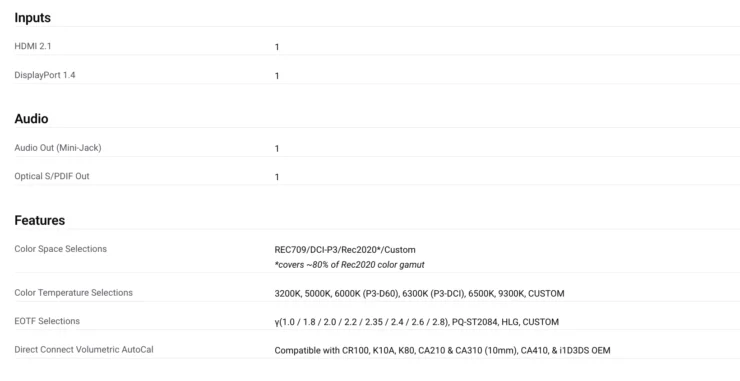
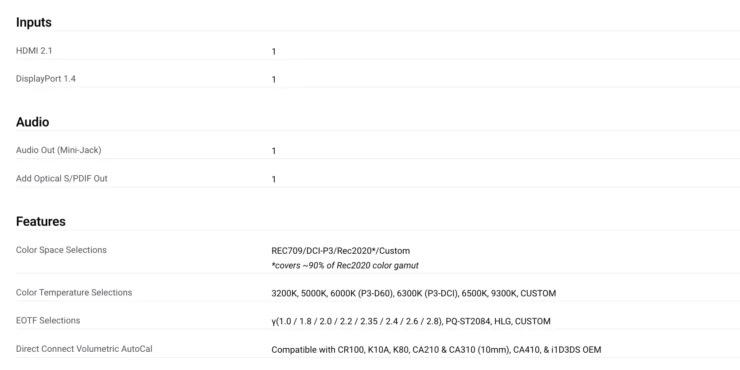
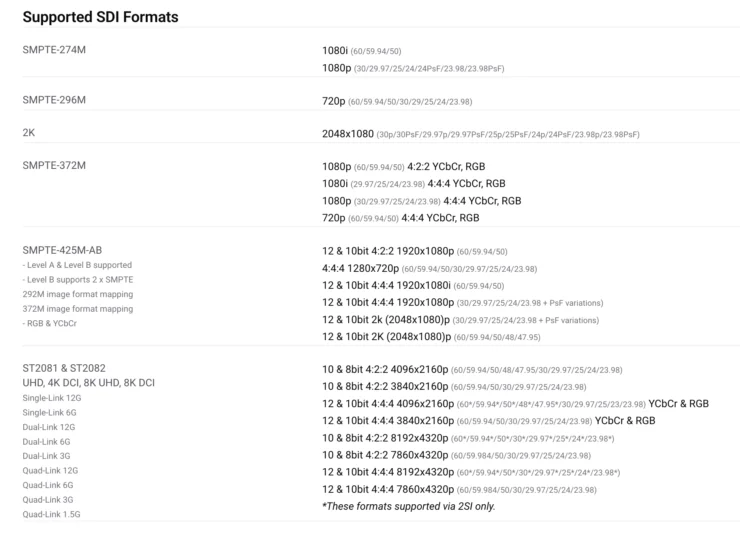
The inclusion of 12G-SDI connectivity is the defining characteristic of the VP line. For professionals working in broadcast or high-end cinema pipelines, SDI remains the industry standard for robust, uncompressed signal delivery. By retaining this, FSI acknowledges that while a user might not need on-monitor scopes, they cannot afford to lose the reliability of a broadcast-grade input.
Beyond the connectivity, the VP Series introduces a unique, albeit niche, capability: optional 3D support. While the industry has seen a cooling of 3D production, there remains a persistent demand for high-quality, stereoscopic monitoring in specialized sectors such as medical imaging, scientific visualization, and high-end industrial design. By building this into the new hardware platform, FSI has captured a market segment that previously had to rely on cumbersome, outdated, or unreliable third-party converters.
The V Series: Accessibility and Editorial Workflow
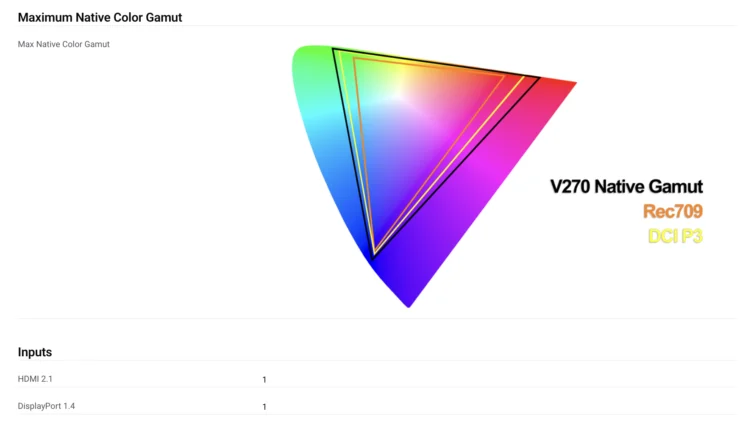
If the VP Series is for the post-house, the V Series is for the creative professional, the editor, and the VFX artist. By moving away from SDI in favor of HDMI and DisplayPort, FSI has reduced the hardware overhead, leading to significant cost savings—up to 48% lower than comparable XMP units.
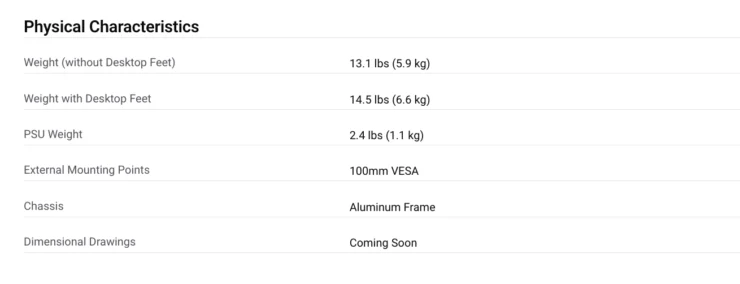
The V Series is designed to function as an ideal reference monitor for those who primarily work in computer-based environments. Modern editing suites, which often utilize high-end desktop workstations equipped with professional-grade GPUs, rarely require the complex routing or signal management that SDI provides. By focusing on the display’s panel performance and calibration, the V Series offers a "reference-grade" visual experience at a price point that rivals high-end consumer OLED televisions, but with the critical advantage of professional color accuracy, consistent performance across panels, and the backing of FSI’s support network.
Comparative Data and Market Implications
The pricing strategy adopted by Flanders Scientific reflects a calculated attempt to disrupt the middle market. Historically, the gap between consumer-grade OLEDs and professional-grade reference monitors was massive, often exceeding $20,000 for a single unit.
By offering the V Series at a 48% discount compared to the XMP line and the VP Series at a 30% discount, FSI is effectively forcing a re-evaluation of how facilities allocate their capital budgets. The following table illustrates the strategic positioning of these new lines:
| Series | Primary Connectivity | Intended User | Price Efficiency |
|---|---|---|---|
| XMP Series | Full SDI/HDMI | Mastering/Color Grade | Baseline |
| VP Series | 12G-SDI, HDMI, DP | Post-Production Houses | 30% lower than XMP |
| V Series | HDMI, DisplayPort | Editorial/VFX | 48% lower than XMP |
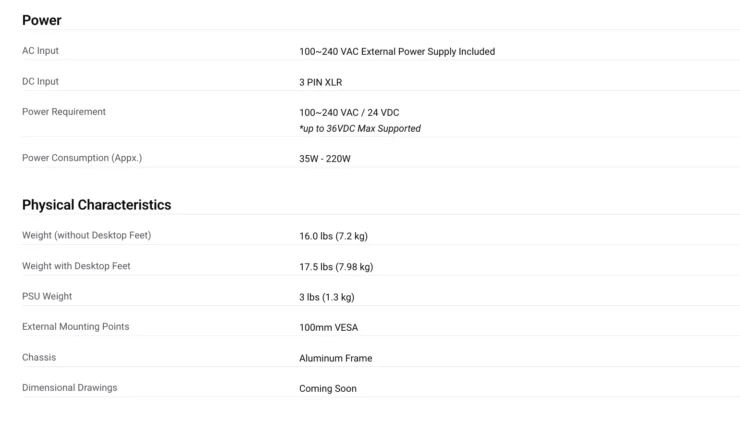
This price reduction is achieved by removing the "on-monitor" processing that was standard in the XMP series. In the past, FSI monitors were essentially computers designed to monitor signals. With the VP and V series, FSI is returning to the concept of the monitor as a precision instrument, leaving the data processing to the host computer or external hardware, which, according to many industry analysts, is the direction the entire market is trending.
Official Perspectives and Industry Reception
While Flanders Scientific has not released detailed transcripts of internal meetings, the design philosophy of these monitors speaks to a broader industry consensus: complexity in hardware is becoming a liability. As production environments move toward cloud-based workflows and software-defined monitoring, the demand for "dumb" displays—displays that do one thing perfectly—has increased.
Industry feedback suggests that the removal of built-in scopes and LUT support will not be a deterrent for the target demographic. Most professional colorists already utilize software like DaVinci Resolve, which provides more powerful and customizable scoping tools than any hardware-based monitor could replicate. Consequently, paying for these features in a monitor was often seen as redundant. By removing them, FSI is not just lowering the price; they are decluttering the professional workspace.
Broader Impact on the Professional Ecosystem
The introduction of these monitors has potential implications for the wider display market. For years, colorists have debated the utility of "prosumer" OLED screens versus dedicated reference monitors. While consumer screens offer impressive contrast and color, they often suffer from panel-to-panel variation and unstable calibration over time.
FSI’s move to offer their proprietary GaiaColor calibration tools in a more affordable chassis addresses this divide. It provides a "safe" path for small to mid-sized production companies to ensure their color pipelines are consistent without the prohibitive cost of flagship equipment. This could lead to a higher baseline of visual quality across independent films, web content, and corporate media.
Furthermore, by standardizing the panel technology across their entire lineup—from the entry-level V Series to the top-tier XMP Series—FSI is creating a "unified ecosystem." A facility could theoretically have an XMP monitor in the final grading suite, with VP series units in the edit suites, and V series units at the producer’s desk, all while maintaining consistent color representation across the entire workflow. This consistency is a major selling point for larger houses looking to standardize their hardware infrastructure.
Technical Considerations and Long-term Reliability
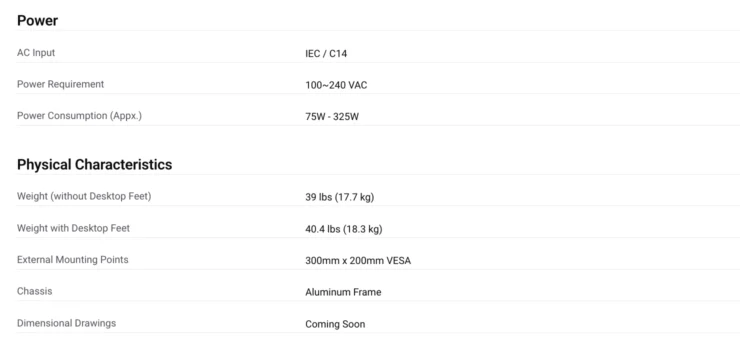
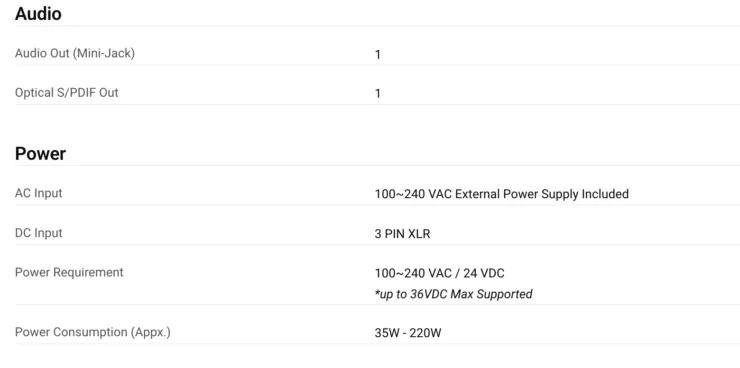
One of the most critical aspects of the FSI brand is the longevity and stability of their displays. While the VP and V Series are "more affordable," the company has emphasized that they have not utilized lower-grade components for the critical signal paths. The power supplies, internal cooling, and, most importantly, the panel selection processes remain consistent with the company’s rigorous standards.
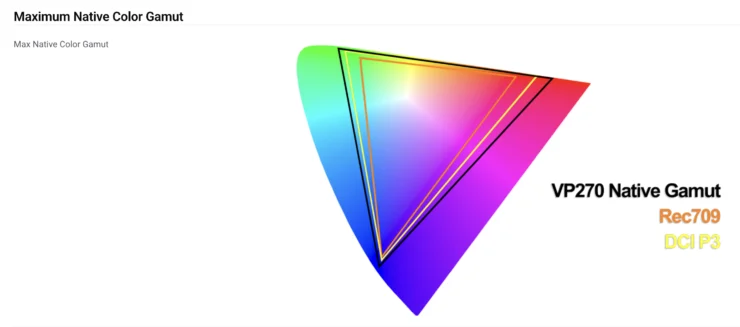
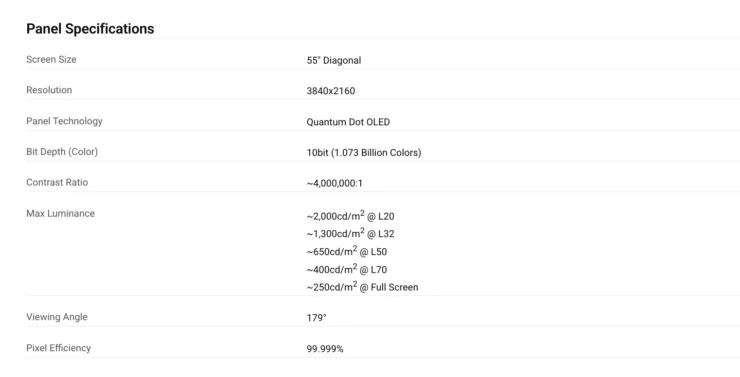
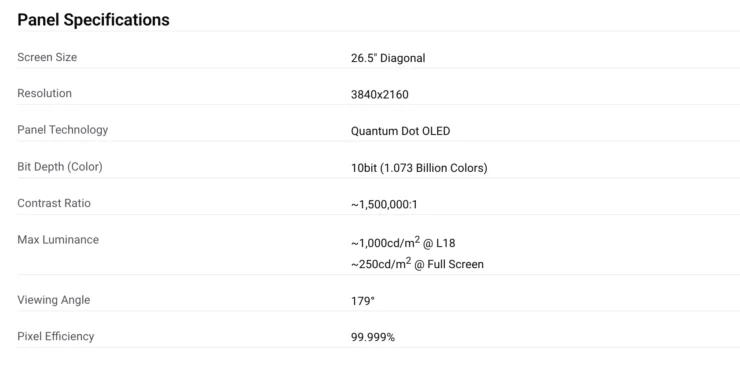
The transition to QD-OLED technology has been a cornerstone of FSI’s recent portfolio. Unlike traditional WOLED panels, QD-OLED offers superior color volume and brightness, particularly in the high-dynamic-range (HDR) spectrum. By pushing this technology into a wider range of price points, FSI is positioning itself to lead the inevitable transition away from older LCD-based grading monitors, which, despite their longevity, struggle to match the black levels and contrast ratios required by modern HDR mastering standards.
Conclusion
The launch of the VP and V Series by Flanders Scientific represents a mature company responding to a changing market. By decoupling the high-end display hardware from the auxiliary processing features, FSI has created a flexible, modular, and more accessible product range.
Whether the goal is to equip a home editing suite with professional-grade color tools or to standardize a multi-room facility, the new series offers a compelling value proposition. As the professional video industry continues to prioritize efficiency and cost-effectiveness without sacrificing the integrity of the image, the VP and V series are poised to become standard fixtures in production environments worldwide. The market will now wait to see how competitors react to this aggressive pricing and whether the "lean" monitor philosophy will become the new industry benchmark.