ProjectSAM and the Evolution of Orchestral Sampling: Inside the Development of Lineage Strings and the Native Kontrol Standard Integration

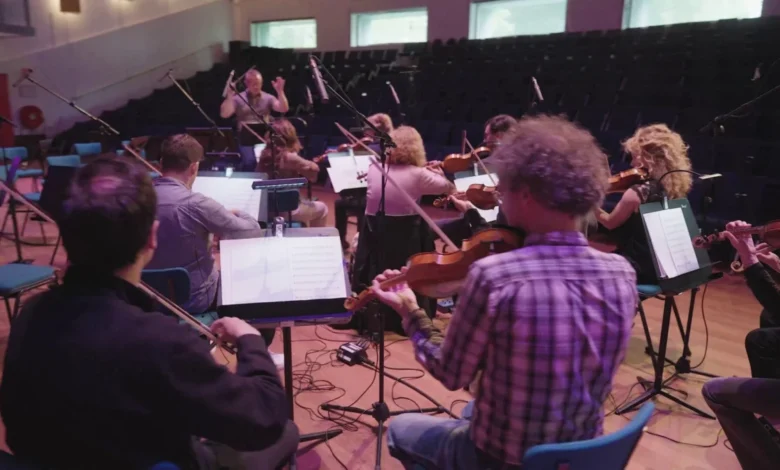
For over two decades, the landscape of virtual orchestration has undergone a profound transformation, moving away from rigid, dry sample blocks toward dynamic, organic acoustic environments. Since its founding in 2001, ProjectSAM has remained at the vanguard of this movement, pioneering an ensemble-recording philosophy that introduces the natural resonance and breathing acoustic space of a physical concert hall directly into the digital audio workstations of modern composers. As the developer expands its acclaimed Lineage Series from percussion into string orchestration, the intersection of traditional recording techniques and next-generation software architecture has opened new horizons for film, television, and game scoring.
This technical evolution coincides with broader commercial initiatives within the audio production community, notably the current Big Partner Sale hosted by Native Instruments. Running through June 30, the promotional event offers significant price reductions on hundreds of Native Kontrol Standard (NKS) instruments, sample libraries, and production bundles from leading developers, including ProjectSAM. This convergence of hardware-software integration and high-end sample library design highlights a growing industry-wide push toward seamless workflow optimization.
The Historical Genesis of ProjectSAM and the Symphonic Shift
To understand ProjectSAM’s current trajectory, one must examine the state of virtual orchestration at the turn of the millennium. In the early days of software sampling, industry-standard libraries relied heavily on close-microphone techniques. Composers were forced to artificially drench dry audio files in digital reverb to simulate the depth of a real orchestra, often resulting in muddy mixes and unnatural instrument localization.
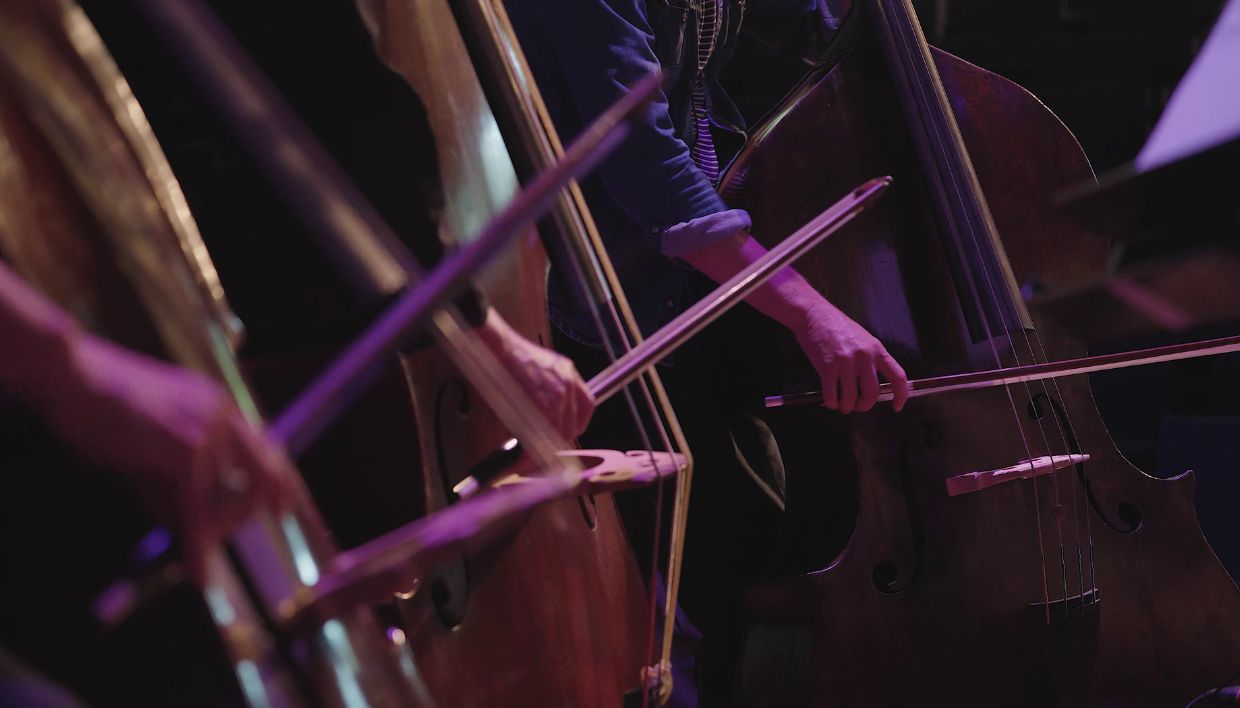
Recognizing this limitation, ProjectSAM founders Vincent and Maarten adopted a radically different approach: capturing the natural acoustic perspective of an orchestra from a distance within a scoring stage. Their initial proof-of-concept recording, utilizing local conservatory musicians, challenged prevailing mixing paradigms and instantly resonated with the scoring community.
Early releases such as Symphobia and True Strike redefined cinematic writing by offering pre-orchestrated ensembles and explosive percussion elements that captured the raw power of a film scoring stage out of the box. However, these early iterations required minimal graphical user interface (GUI) development, often existing merely as basic preset collections for platforms like GigaSampler and early versions of Native Instruments Kontakt. Supporting physical installation formats across multiple DVDs presented persistent technical hurdles. Over time, the maturation of software development forced a shift. By 2008, ProjectSAM standardized its catalog entirely around the Native Instruments Kontakt platform, allowing development teams to dedicate their full technical capacity to advanced scripting, deep sample management, and responsive user interfaces.
Bridging the Gap: From Symphobia to the Lineage Series
While the Symphobia series established ProjectSAM’s reputation for instant cinematic inspiration and pre-mixed ensemble blocks, the modern scoring market increasingly demands detailed, granular control over individual instrumental sections. This market demand catalyzed the creation of the Lineage Series, starting with Lineage Percussion and culminating in the newly released Lineage Strings, developed specifically for Kontakt 8.
The Lineage Series is engineered to complement, rather than replace, the Symphobia universe. While Symphobia excels at broad cinematic gestures and fast sketching, Lineage adopts a traditional orchestral layout, providing discrete instrumental sections that allow for intricate orchestration and voice-leading. This dual approach addresses a central dilemma for contemporary media composers: the balance between tight project deadlines that require immediate gratification and the artistic need for bespoke, detailed arrangements.

Under the Hood: Adaptive Phrasing and Intelligent Arranging
One of the most significant technical advancements integrated into Lineage Strings is the implementation of Adaptive Phrasing, an evolution of the Adaptive Sync technology previously deployed in ProjectSAM’s Pandora and Lineage Percussion libraries.
In traditional sample libraries, achieving realistic phrasing requires meticulous manual keyswitching and continuous CC controller data adjustments to transition between sustained notes, tenutos, and staccatos. Lineage Strings utilizes a Smart Lookahead delay system that evaluates incoming MIDI data in real time. By analyzing the temporal context of a musical phrase—identifying articulations, grace notes, and trills—the engine automatically selects and triggers the most appropriate articulation without requiring manual intervention from the composer.
Complementing Adaptive Phrasing is the onboard Arranger module. This intelligent tool analyzes chord structures, root keys, inversions, and slash chords, automatically distributing voice assignments across the five string sections. Composers can utilize the system as an automated orchestration assistant to quickly draft realistic accompaniments or manually reassign specific voices for granular control. This dual workflow accommodates both fast-paced commercial television scoring and meticulous classical composition.
Accessibility and Hardware Integration via NKS

Beyond acoustic realism and algorithmic assistance, modern virtual instrument design increasingly prioritizes accessibility and hardware integration. The adoption of the Native Kontrol Standard (NKS), and specifically NKS2 specifications, has fundamentally altered how developers approach user interface layout and physical controller mapping.
Historically, virtual instrument design focused heavily on mouse-driven workflows within graphical user interfaces. While functional for sighted users, complex multi-parameter interfaces presented significant accessibility barriers for visually impaired musicians relying on screen readers and tactile hardware controllers. ProjectSAM addressed this disparity during the development of Lineage Strings and Lineage Percussion by designing visual interfaces and NKS hardware layouts simultaneously to achieve complete functional parity.
This integration extended to hardware features such as the Light Guide on Native Instruments S-Series keyboards. Implementing visual feedback for advanced features like Smart Lookahead delay required extensive collaborative testing. For instance, determining whether the Light Guide should illuminate keys when physically pressed by the musician or when the samples are programmatically triggered required iterative refinement, heavily informed by active beta-testing communities.
Industry Implications: The Role of Machine Learning and AI in Scoring
As software developers incorporate increasingly sophisticated algorithms into virtual instruments, broader questions arise regarding the future of machine learning and artificial intelligence in music production. Industry analysts observe a persistent tension between automated assistance and real-time performance constraints.

Machine learning models inherently require processing time to evaluate data sets, which can conflict with the low-latency performance requirements demanded by live keyboardists. To execute predictive tasks like Smart Lookahead, an engine requires a buffer of several hundred milliseconds to analyze incoming MIDI sequences. Consequently, automated systems can deliver highly polished, musically convincing results, but they operate on statistical probability rather than conscious intent.
Developers and composers generally agree that artificial intelligence and algorithmic assistance should function as workflow amplifiers rather than creative replacements. By automating technical bottlenecks—such as repetitive keyswitching and voice distribution—these tools reduce cognitive fatigue, allowing composers to focus on overarching emotional expression and structural narrative.
Market Impact and Ongoing Promotions
The ongoing integration of advanced scripting, hardware standardization, and acoustic sampling reflects a mature virtual instrument market where producers expect high efficiency alongside uncompromising sonic fidelity. Initiatives like the Native Instruments Big Partner Sale emphasize the commercial accessibility of these advanced ecosystems, lowering the financial barrier for independent producers and large studio facilities alike to adopt enterprise-grade tools.
As ProjectSAM continues to refine the Lineage Series and expand its catalog within the Kontakt ecosystem, the boundaries between traditional orchestration and software-assisted composition continue to blur. By prioritizing natural acoustic spaces, responsive algorithms, and inclusive hardware integration, developers are actively shaping the technical standards that will define film and game scoring for the foreseeable future.