The Evolving Ecosystem of Visual Effects: How Studios Have Shifted from Hired Hands to Creative Partners in Modern Filmmaking

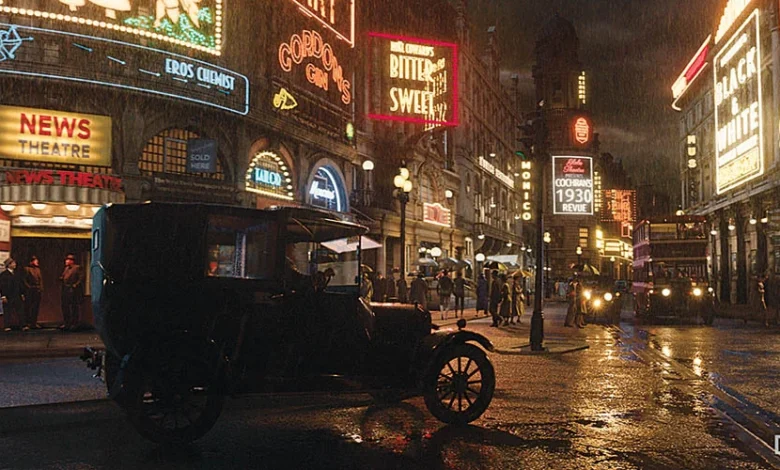
Over the past thirty years, the visual effects (VFX) industry has undergone a monumental transformation. Once viewed strictly as a post-production utility—a technical service brought in late in the lifecycle of a film or television show to erase boom mics, insert digital backlots, or add explosive pyrotechnics—computer-generated imagery has permeated every facet of modern media production. Today, prominent VFX studios are no longer mere digital sweatshops executing instructions from afar; they have evolved into essential creative partners, embedded in the filmmaking pipeline from the earliest conceptual stages through to final delivery.
This paradigm shift reflects a maturing industry where filmmakers, producers, and studio executives treat digital tools not as an afterthought or a quick fix, but as a foundational pillar of their creative toolkit. As digital technology has stabilized and advanced, the boundaries separating pre-production, principal photography, and post-production have blurred, giving rise to a more vertical, interconnected workflow. Yet, this evolution comes at a complex time for the industry, characterized by changing economic landscapes, shifting audience expectations, and a persistent paradox surrounding the public acknowledgment of visual effects in marketing campaigns.
The Changing Production Ecosystem and the Rise of the Vertical Pipeline
The traditional filmmaking process was largely linear. Directors shot scenes on location or on soundstages, editors assembled the cuts sequentially, and visual effects vendors were handed shots late in the game with rigid deadlines and fixed parameters. In contrast, today’s production landscape is remarkably fluid, marked by diverse operational ecosystems tailored to individual projects.
Chris Jones, founder and executive creative director of Zoic Studios, notes that the structure of modern shows varies wildly. In some scenarios, a single studio acts as the sole visual effects vendor. According to Jones, this monolithic approach carries distinct strategic advantages. When a project is not piecemealed across a dozen different vendors, a single studio retains a comprehensive view of the overarching narrative and design aesthetic, allowing them to contribute at a much higher level. Vendor-side supervisors embedded early in the process can actively shape the creative direction while building within a tightly managed budget to maximize visual fidelity. Conversely, traditional multi-vendor models allow individual facilities to lean heavily into their specific core competencies, though they run the risk of getting bogged down by time-consuming administrative and logistical hurdles.

This fluidity has been accelerated by technological advancements and global shifts in working habits. Christa Tazzeo Morson, vice president of global partnerships and executive visual effects producer at Rocket Science VFX, points out that the COVID-19 pandemic and the subsequent mainstream adoption of remote collaboration tools permanently altered industry timelines.
"You have many departments operating a lot earlier on the front end, rather than waiting for each department to move down the line to finish the movie or television show," Morson explains. By pulling editing, sound design, and visual effects into the earliest phases of development, productions can construct dynamic, highly accurate blueprints of the finished product long before cameras begin rolling. Consequently, internal art departments have become standard fixtures within major VFX studios, allowing artists to collaborate directly with directors and production designers on extensive research and development (R&D) long before principal photography commences.
Real-Time Collaboration and the Unreal Engine Revolution
At the heart of this structural shift is the integration of real-time game engine technology, most notably Epic Games’ Unreal Engine. Originally designed for interactive gaming, real-time engines have revolutionized previsualization, virtual production, and post-production workflows across film and television.
Morson emphasizes that Unreal Engine has fundamentally elevated the standards of quality and efficiency. Clients continually demand higher standards, faster turnarounds, and greater visual fidelity. Real-time toolsets allow VFX artists to work back and forth with directors and cinematographers instantaneously, establishing cameras, blocking, and lighting frameworks in a collaborative digital space. This digital foundation minimizes costly guesswork on physical sets, ensuring that physical production and digital extension align seamlessly.
However, technology alone cannot replace the intricate web of interdepartmental communication required on modern sets. Tom Mahoney, founder and partner of CoSA VFX, stresses that visual effects is one of the very few departments that must maintain active channels with nearly every other division on a production, from stunts and special effects to cinematography, wardrobe, makeup, transportation, and props.

"On a given project, there’s almost no way I’m not in close communication with the stunts supervisor, special effects supervisor, cinematographer, camera operators, wardrobe, makeup, transportation, and props," Mahoney notes. He highlights that effective communication prevents catastrophic and costly mistakes—such as a specific prop design rendering a digital integration unnecessarily complex.
Furthermore, Mahoney advocates for a pragmatic approach to digital effects: physical execution should always be prioritized when it is safe, practical, and economically viable. Visual effects, in his view, should be deployed primarily in three scenarios: when physical shooting is impossible (such as outer space), when a stunt or sequence is too dangerous for practical execution, or when logistical and financial constraints make practical builds prohibitive, such as rendering a background cruise ship on an open ocean.
The Economic Reset: Post-Pandemic Correction and the Impact of Strikes
Despite technological triumphs, the business of visual effects has experienced severe economic turbulence over the past five years. The immediate aftermath of the COVID-19 pandemic triggered a gold rush of content creation, driven primarily by streaming platforms aggressively scaling up production volumes to capture subscriber market share. Traditional linear networks quickly scrambled to match this pace, resulting in an unprecedented volume of work flooding into VFX houses worldwide.
However, this unsustainable boom met a sharp financial reality check. Corporate accountants, auditing the massive expenditures required to fuel the streaming wars, began rolling back budgets. This fiscal contraction was compounded significantly by the 2023 Hollywood labor strikes, which brought major American productions to a grinding halt.
According to industry insiders, the dual-union strikes served as a systemic reset button. Studio executives and financial auditors used the enforced downtime to reevaluate spending trajectories. While many industry professionals initially expected production levels to instantly snap back to pre-strike highs following the resolution of labor disputes, the market has instead stabilized at a new, more cautious equilibrium. Budgets are scrutinized more heavily, and greenlighting processes have become markedly more conservative.

The Taboo of VFX in Marketing and the Search for Creative Respect
An ongoing frustration within the visual effects community is the persistent industry habit of downplaying or outright denying the use of digital effects in promotional campaigns. While practical filmmaking is frequently romanticized in publicity press tours—with studios boasting about "in-camera" stunts and minimal computer generation—the reality is that almost every modern blockbuster, prestige drama, and historical epic relies on hundreds, if not thousands, of hidden digital interventions.
Chris Jones remarks that while this marketing trend rarely impacts the core creative collaboration between filmmakers and VFX supervisors—who deeply understand and value digital contributions—it takes a psychological toll on artists.
"We all got into this because we love creating things," Jones states. "Whether it’s monitoring comps or full CG shots, every artist goes into it knowing the work they’re putting on the screen is the best it can possibly be… When filmmakers turn around and say, ‘There were no visual effects in it,’ from a company standpoint, you understand that, smile, and know deep inside that there were hundreds of visual effects in it."
Tom Mahoney echoes this sentiment, expressing bafflement at the vilification or erasure of visual effects in public discourse. He argues that visual effects should be viewed with the exact same artistic neutrality as cinematography, costume design, or film editing—as a core craft of modern filmmaking rather than a deceptive shortcut.
The Shifting Workload: From Major Sequences to Ubiquitous Polish
As digital tools have matured, the nature of the workload handled by specialized studios has shifted dramatically. Henry Badgett, visual effects supervisor and creative director at BlueBolt, notes that the baseline expectations of audiences have fundamentally altered post-production demands.
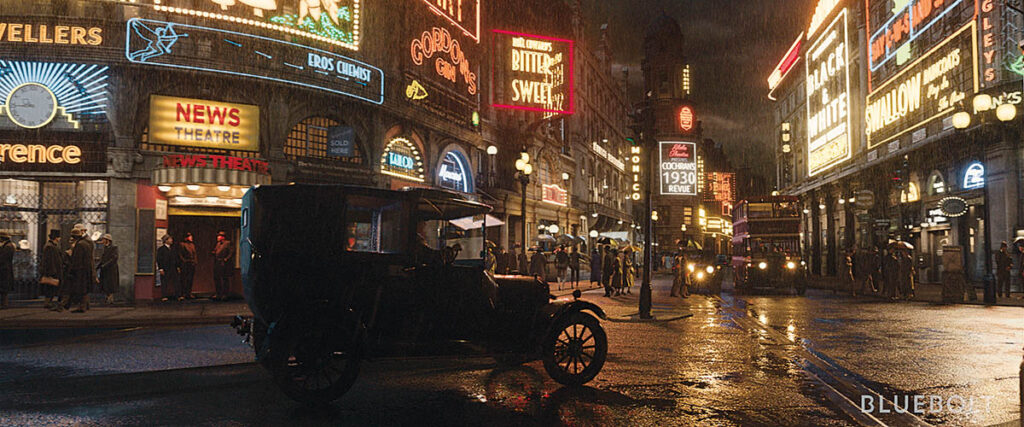
Fifteen years ago, indie films and mid-budget features typically contracted VFX houses for a handful of heavy, distinct sequences—such as a fantasy creature or a massive environmental transformation—while smaller cleanup tasks were handled internally or ignored. Today, audience sophistication means that even lower-budget independent films demand pristine visual execution. Imperfections, wire removals, set extensions, and minor background cleanups cannot be left on screen. Consequently, the volume of smaller, meticulous polish work has exploded.
This dual nature of creative collaboration manifests in two distinct types of directors. Tracy McCreary, managing director at BlueBolt, observes that some visionary filmmakers—such as meticulous auteur Robert Eggers—exercise hyper-control over every single pixel within the frame, making the VFX partnership an intense, highly rewarding deep-dive into world-building. Conversely, other directors approach visual effects studios seeking guidance, asking open-ended questions like, "What do you have in your toolbox that looks good?" In these instances, VFX studios act as creative consultants, presenting a menu of digital options that help filmmakers shape their narrative execution.
Conclusion
As the visual effects industry navigates the post-strike economic equilibrium, the relationship between production companies and VFX vendors continues to mature. Driven by real-time software innovations, early-pipeline integration, and a deep reservoir of artistic problem-solving, visual effects studios have solidified their status as indispensable creative partners.
While financial pressures, communication hurdles, and outdated marketing taboos remain ongoing challenges, the core mission of the VFX artist endures: to expand the boundaries of visual storytelling. Whether crafting fantastical digital worlds or invisibly polishing the gritty realism of historical dramas, visual effects houses have permanently woven themselves into the DNA of contemporary cinema and television.