The 21 Martyrs is a 13-minute animated masterpiece currently positioned as one of the most anticipated films on the Oscar-shortlisted circuit for 2025. This production, which spans five years of intensive labor from 2019 to 2024, serves as a cinematic tribute to the 21 Coptic Christians who were abducted and executed by ISIS in Libya in 2015. Directed by Tod Polson and featuring an evocative score by The Ayoub Sisters, the film has earned high praise from industry veterans, including animation legend Glen Keane, who described the work as “powerful, heart-wrenching, challenging, and inspiring… not to mention exquisitely beautiful.”
A Chronology of Tragedy and Remembrance
To understand the weight of the film, one must revisit the events of February 2015. The 21 men, mostly migrant workers from Egypt, were captured in Sirte, Libya, by militants affiliated with the Islamic State. On February 15, 2015, a video was released by the extremist group showing the mass execution of these individuals on a Libyan beach. The event sent shockwaves through the global community, drawing immediate condemnation from the Vatican, the United Nations, and human rights organizations worldwide.
The production of 21 Martyrs began in 2019, four years after the tragedy. Director Tod Polson approached the project not merely as a retelling of the violence, but as an exploration of the victims’ faith and the resilience of their families. The development phase involved rigorous research, including interviews with Coptic community members, journalists who had documented the conflict, and even former ISIS members to provide a comprehensive narrative backdrop.
A Global Collaborative Effort
The film stands as a testament to cross-border cooperation in the modern animation industry. The production involved creative contributors from 23 nations, including Egypt, Japan, Canada, South Africa, Syria, and Ukraine. This international collaboration was essential to the film’s aesthetic and thematic integrity. The project received guidance from prominent figures in the animation world, such as Tomm Moore and Tom Bancroft, alongside ecclesiastical consultation from His Eminence Archbishop Angaelos.

This collaborative model is part of a growing trend in the digital arts sector, where decentralized teams leverage global talent to produce high-concept, short-form content. By involving artists from the very regions where these events unfolded, Polson ensured that the cultural nuances of Coptic life and the gravity of the Libyan landscape were treated with authenticity and reverence.
The Visual Language of Iconography
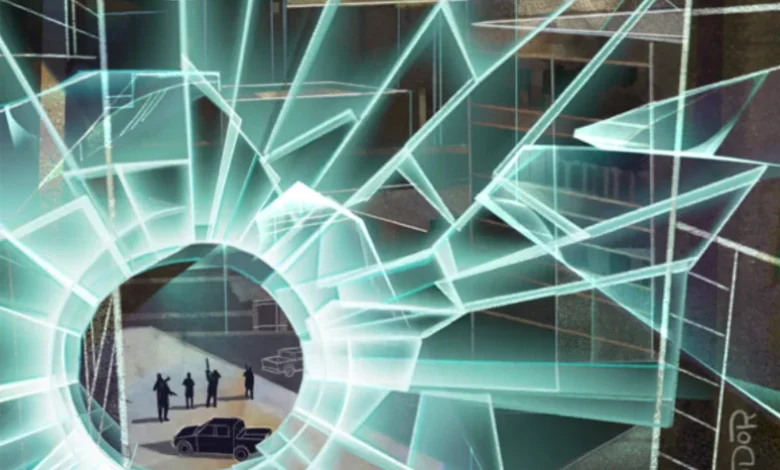
The aesthetic identity of 21 Martyrs is deeply rooted in Coptic iconography, a stylistic choice that serves both a narrative and theological purpose. Producer Mandi Hart explains that the production team moved away from the hyper-saturated colors common in mainstream animation to favor the specific, symbolic color theory found in traditional religious art.
“In the film, as in iconography, we tried to be very specific with our color,” Hart noted. “We often used gold to represent the light of God, while the broken landscapes were designed to reflect the fractured nature of the world the martyrs occupied.”
The character design process further reinforced this dichotomy. The martyrs were illustrated with subtle, stylized nods to Christ, emphasizing the eyes to convey humanity, emotion, and internal resolve. In sharp contrast, the depictions of their captors were intentionally minimalist, utilizing stripped-down graphic forms and deliberately obscuring their eyes. This visual choice serves to dehumanize the perpetrators within the narrative frame, focusing the viewer’s empathy entirely on the victims’ internal experience.
Furthermore, the team employed a 1:1 aspect ratio—the traditional square "Academy" format—to evoke the vertical, narrow orientation of historical icons. This choice provides an intimate viewing experience, drawing the audience into a space that feels both sacred and confined. To capture the harsh reality of the Libyan setting, the art department drew inspiration from 20th-century Vorticist painters such as Wyndham Lewis and C.R.W. Nevinson, whose work during World War I defined a visual language for the horrors of industrial-age warfare. By blending these discordant influences, the film manages to bridge the gap between ancient tradition and modern trauma.

Thematic Significance and Cultural Impact
The film’s focus on the concept of martyrdom provides a unique case study in how animation can address heavy, real-world subject matter. While much of the animation industry remains focused on commercial, light-hearted, or fantasy-based narratives, 21 Martyrs demonstrates the medium’s capacity for serious, historical, and philosophical inquiry.
The inclusion of symbols—such as birds representing the Holy Spirit and the sea serving as a manifestation of the divine presence—allows the film to function as an allegory rather than a documentary. This allows the story to resonate with a global audience, regardless of their specific religious affiliation. By framing the tragedy through the lens of faith, the creators provide a narrative that is fundamentally about human endurance in the face of absolute malice.
Analytical Implications for the Animation Industry
The success of 21 Martyrs in achieving an Oscar shortlist placement signals a shifting preference within the Academy and the broader industry for shorts that tackle challenging geopolitical and historical themes. The production highlights the efficacy of the "distributed studio" model, where remote teams from across the globe contribute to a singular, cohesive vision.
Furthermore, the project challenges the perception of animation as a medium primarily for children or genre-fiction. By using sophisticated, symbolic visual storytelling, the production team has demonstrated that animation can process collective grief and historical trauma with a level of nuance that live-action might find difficult to replicate without resorting to gratuitous violence. The focus here remains on the dignity of the subjects, a deliberate decision that has earned the film its critical acclaim.
Future Outlook and Reception
As the 2025 awards season progresses, 21 Martyrs continues to generate discussion regarding the role of digital media in preserving historical memory. The film is not merely a biography of the victims; it is an artifact of a specific moment in history, translated into a timeless artistic form.

For the production team, the ultimate goal remains the honor of the families left behind. As Tod Polson noted during recent discussions, the project is a testament to those who stood firm in their convictions. Through the lens of international collaboration and the application of ancient art forms to modern digital storytelling, the film has secured its place as a significant achievement in contemporary animation. Whether or not it secures an Academy Award, the project has already succeeded in its primary objective: ensuring that the story of the 21 men is treated with the gravity, artistry, and remembrance it demands.
For those interested in the technical and thematic underpinnings of the work, the production team has made resources available at THE21FILM.COM. The film’s journey from a traumatic headline to a celebrated work of art serves as a powerful reminder of the intersection between human suffering, artistic expression, and the enduring human spirit.