YouTube Introduces Accessible Games Initiative Tags to Playables to Revolutionize Game Discovery and Inclusivity

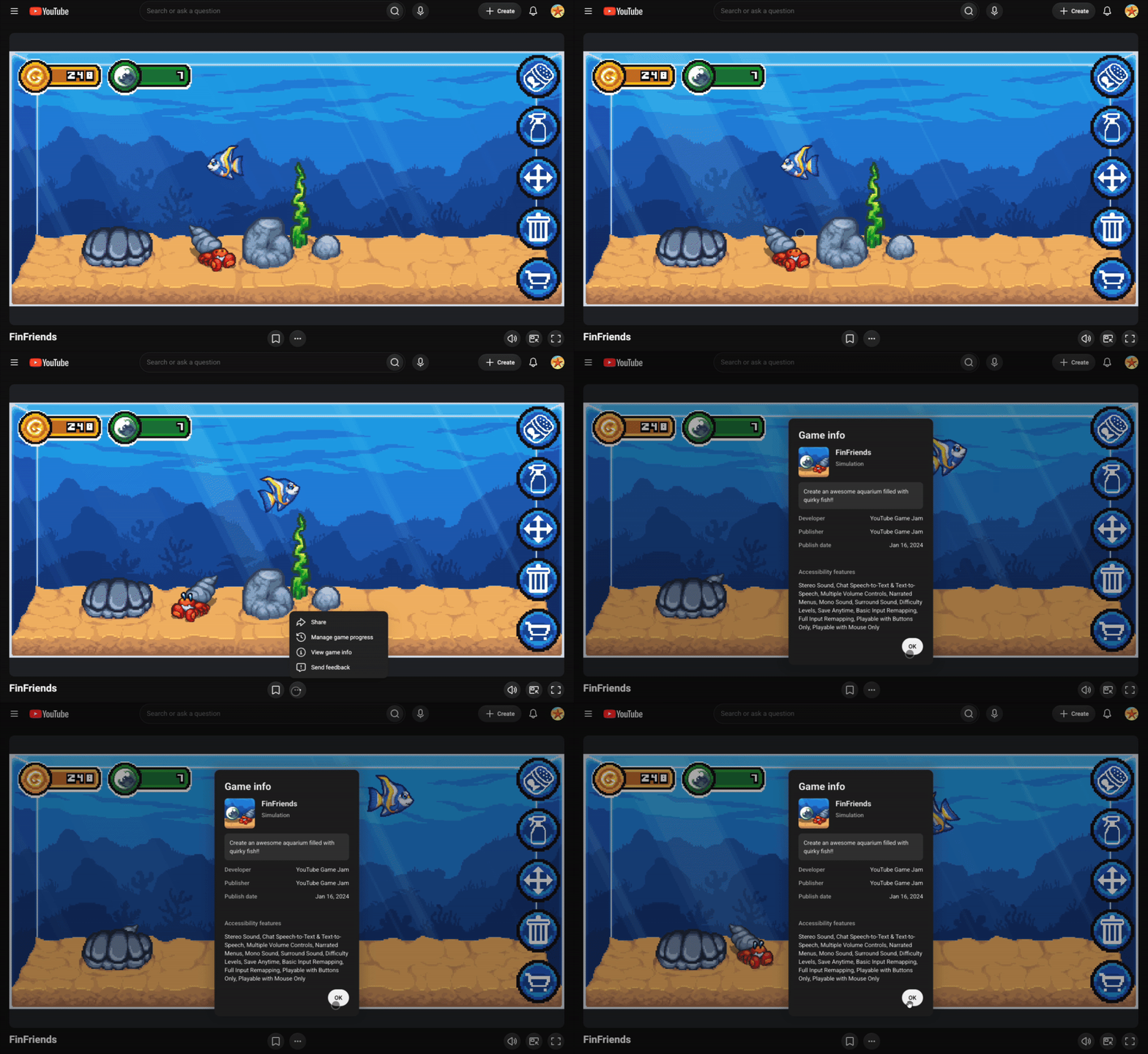
YouTube has officially announced the rollout of twenty-four standardized accessibility tags within its YouTube Playables section, marking a significant milestone in digital gaming accessibility. Available across both mobile and web platforms, the new feature allows users to inspect any game’s information panel to view a comprehensive list of supported accessibility options at a glance. This development aligns YouTube Playables directly with the broader framework established by the Accessible Games Initiative, signaling a major push toward creating a unified, cross-platform standard for disabled gamers worldwide.
The integration of these tags addresses a long-standing challenge in the digital entertainment sector: the fragmentation of accessibility information. Historically, players with disabilities had to navigate inconsistent terminology, vague descriptions, or entirely absent details when searching for games that accommodated their specific needs. By adopting the standardized taxonomy developed by the Accessible Games Initiative, YouTube is ensuring that accessibility metrics are no longer an afterthought, but a core component of game discovery. Developers publishing titles on YouTube Playables can now implement these tags directly through the developer portal under the Game Details section, integrating the labeling process seamlessly into standard publishing workflows.
Background Context and the Evolution of Gaming Accessibility
For decades, the video game industry operated without unified guidelines for describing how titles could be played by individuals with visual, auditory, motor, or cognitive impairments. While major console manufacturers and PC storefronts gradually introduced their own proprietary labeling systems, these solutions often lacked interoperability. A tag indicating "high contrast support" on one platform might mean something entirely different on another, leading to confusion and frustration for consumers.
The inception of the Accessible Games Initiative was born out of a collective recognition that accessibility standards needed to transcend corporate silos. Industry leaders, advocacy groups, and developers spent years collaborating to establish a universal lexicon that could be understood and implemented universally. The goal was simple yet ambitious: to create a standardized set of tags where a label on a mobile browser, a console dashboard, or a PC store meant the exact same thing.
YouTube’s integration of these twenty-four specific tags across key categories represents one of the largest platform-wide adoptions of this standard to date. By embedding these indicators into YouTube Playables—an in-platform hub for casual and arcade-style games—the platform is extending formal accessibility awareness to a casual gaming audience that spans billions of active monthly users.
The Chronology of the Rollout and Industry Alignment
The journey toward this announcement began years ago with initial working groups dedicated to auditing existing accessibility pain points in digital distribution. As the Accessible Games Initiative matured, it refined its taxonomy through iterative feedback from disabled gamers, accessibility consultants, and software engineers.
Over the past twenty-four months, foundational members of the initiative tested pilot programs on select platforms to measure the effectiveness of standardized labeling. The positive reception from both players and creators paved the way for broader ecosystem adoption. The current rollout on YouTube Playables represents the latest phase in this timeline, shifting the initiative from niche implementation to mainstream deployment.
According to platform deployment schedules, the twenty-four tags are now live for users globally. Developers utilizing the YouTube Playables developer portal have immediate access to the metadata configuration tools, allowing them to tag existing catalogs and upcoming releases with minimal friction. Comprehensive definitions and integration requirements remain hosted via the official Accessible Games Initiative portal, ensuring that technical compliance remains transparent and accessible to studios of all sizes.
Data, Analytics, and the Business Case for Accessibility
While the ethical imperative for accessible gaming has always been clear, the economic and commercial justifications have increasingly captured the attention of industry executives and product managers. Historically, accessibility was viewed primarily as a compliance measure or a niche accommodation. Contemporary market research, however, paints a vastly different picture.
Studies within the digital services and gaming sectors indicate that removing barriers to entry significantly broadens total addressable markets. Data highlighted during the rollout points to a compelling statistic: providing transparent accessibility details upfront not only reduces consumer friction and purchase abandonment, but it is also correlated with up to a 60% boost in repeat players. When gamers can easily verify that a title accommodates their specific physical or cognitive requirements, trust in the platform deepens, translating directly into higher retention rates and long-term user loyalty.
Furthermore, the global community of gamers with disabilities represents a substantial economic demographic. Market estimates suggest that hundreds of millions of players globally experience some form of permanent, temporary, or situational impairment. Platforms that fail to provide clear discovery tools risk alienating a vital segment of their user base. By standardizing these metrics, YouTube is positioning its Playables ecosystem as an inclusive environment capable of capturing this overlooked market share.
Developer Obligations and Implementation Workflow
For independent developers and large studios publishing content on YouTube Playables, integrating the new accessibility metadata has been designed to be as frictionless as possible. The process requires no specialized software development kits (SDKs) or complex coding implementations.
Within the developer portal, creators navigate to the Game Details section, where they are presented with the twenty-four standardized tags categorized by functional impact—covering categories such as visual customization, audio cues, input modifications, and difficulty scaling. By evaluating their game against the criteria outlined by the Accessible Games Initiative, developers can select applicable tags with just a few clicks.
Industry analysts note that this low-barrier approach is critical for the success of any metadata standard. If tagging is overly burdensome or ambiguous, compliance rates drop. By aligning the YouTube Playables portal directly with the Accessible Games Initiative’s definitions, the platform minimizes ambiguity and empowers creators to accurately represent their work. Developers seeking deeper technical guidance or reviewing exhaustive tag definitions are directed to consult the primary resource hub at accessiblegames.com.
Broader Industry Implications and Future Outlook
The introduction of Accessible Games Initiative tags to YouTube Playables carries profound implications for the future of digital content distribution. As streaming platforms, social media networks, and traditional storefronts increasingly converge into unified entertainment hubs, the boundaries separating casual gaming from traditional gaming continue to blur.
By adopting a shared industry standard, YouTube is setting a precedent that other web-based entertainment platforms may feel compelled to follow. Fragmentation has long been the enemy of digital accessibility; when every platform invents its own vocabulary, the cognitive load shifts entirely onto the consumer, disproportionately penalizing the very individuals the features are designed to help. A unified standard mitigates this burden, establishing a baseline expectation of transparency across the entire digital economy.
Moreover, the integration reflects a broader cultural shift within Big Tech toward inclusive design as a default operational philosophy. Accessibility is no longer siloed within specialized accessibility labs; it is becoming embedded into product architecture, UI/UX design, and discovery algorithms.
As more developers adopt the twenty-four standardized tags and more platforms align with the Accessible Games Initiative, the gaming landscape moves closer to total equity of access. For the millions of players who rely on these cues to navigate the digital world, YouTube’s latest update represents more than just a minor interface tweak—it is a vital step toward a more transparent, inclusive, and universally accessible future in interactive entertainment.