Apart: A Poignant Exploration of Childhood and Apartheid in the Oscar-Contending Short Film

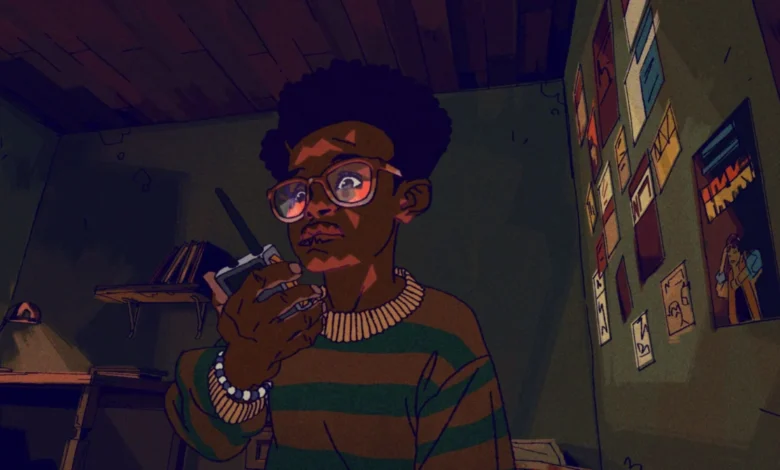
Pola Maneli’s animated short film Apart has emerged as a significant contender in the race for the 2027 Academy Awards, securing its eligibility after winning Best in Show at the 2026 SIGGRAPH conference. The film, a collaborative effort involving heavyweights such as writer Spike Lee, along with Tim Jones, Jeff Leisawitz, and Lubabalo Mtati, represents a sophisticated fusion of historical gravity and artistic innovation. Produced in association with Taking Over NY and 40 Acres and a Mule Filmworks, with music supervision by Black Coffee and wardrobe design by the acclaimed Laduma Ngxokolo, the project stands as a profound examination of the human condition under the systemic pressures of apartheid-era South Africa.
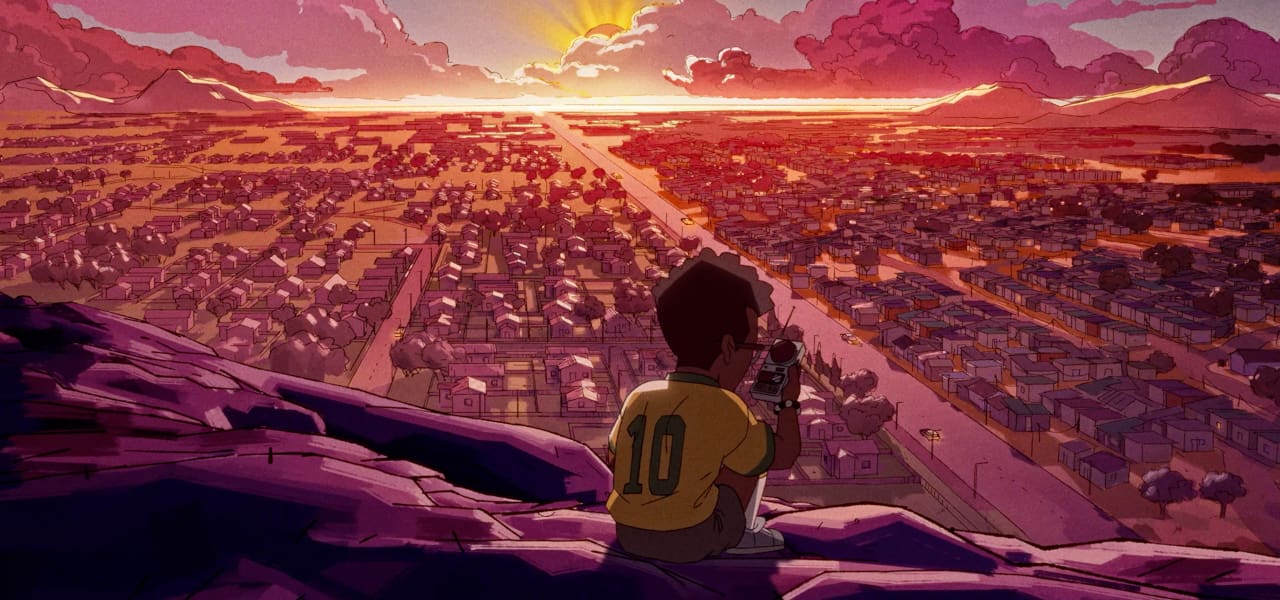
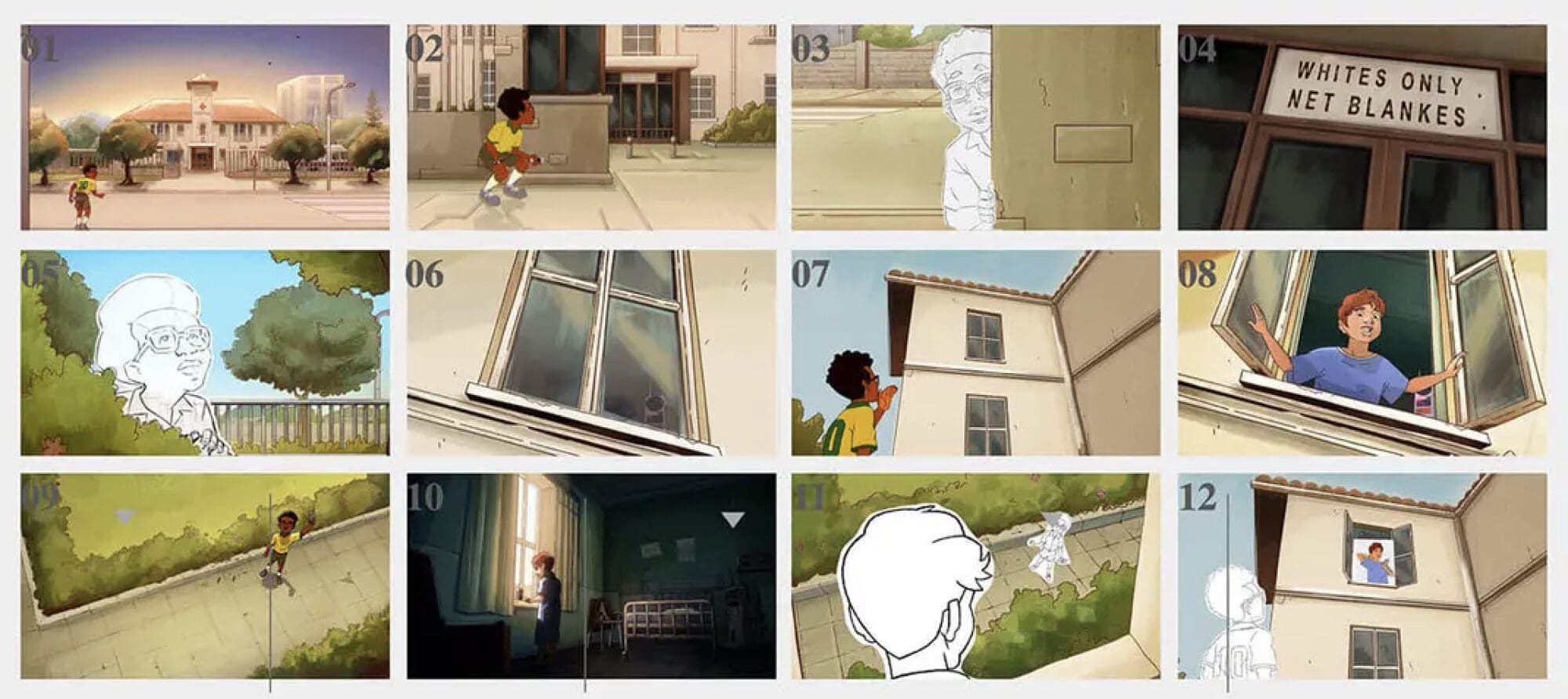
The narrative follows the story of two young boys whose friendship transcends the rigid, state-mandated racial boundaries of their environment. Their bond is put to the ultimate test during a life-saving intervention that forces both children to confront the pervasive hatred defining their world. By centering the story on the perspectives of children, the film manages to bridge the gap between intimate personal connection and the broad, often overwhelming, political structures of the time.
Historical Context and Thematic Development
The policy of apartheid in South Africa, which officially began in 1948 and dismantled in the early 1990s, established a regime of institutionalized racial segregation and discrimination. It fundamentally altered the social fabric of the country, impacting every aspect of daily life, including education, housing, and social interactions. For Pola Maneli, the challenge was to depict this era not merely as a historical backdrop, but as an active, oppressive force that shapes the psychology of the youth.

Maneli’s research process was exhaustive. Despite his own upbringing in South Africa, the director noted that the deep-seated brutality of the apartheid system continues to be an under-researched and under-communicated aspect of global history. His discovery of anecdotal testimonials from Black children living during the period provided the emotional anchor for the script. These accounts highlighted the daily psychological toll of living in a society where one’s existence was criminalized based on race, a reality that the film strives to translate into a visual language that is both historically grounded and narratively compelling.
Visual Language and Aesthetic Choices
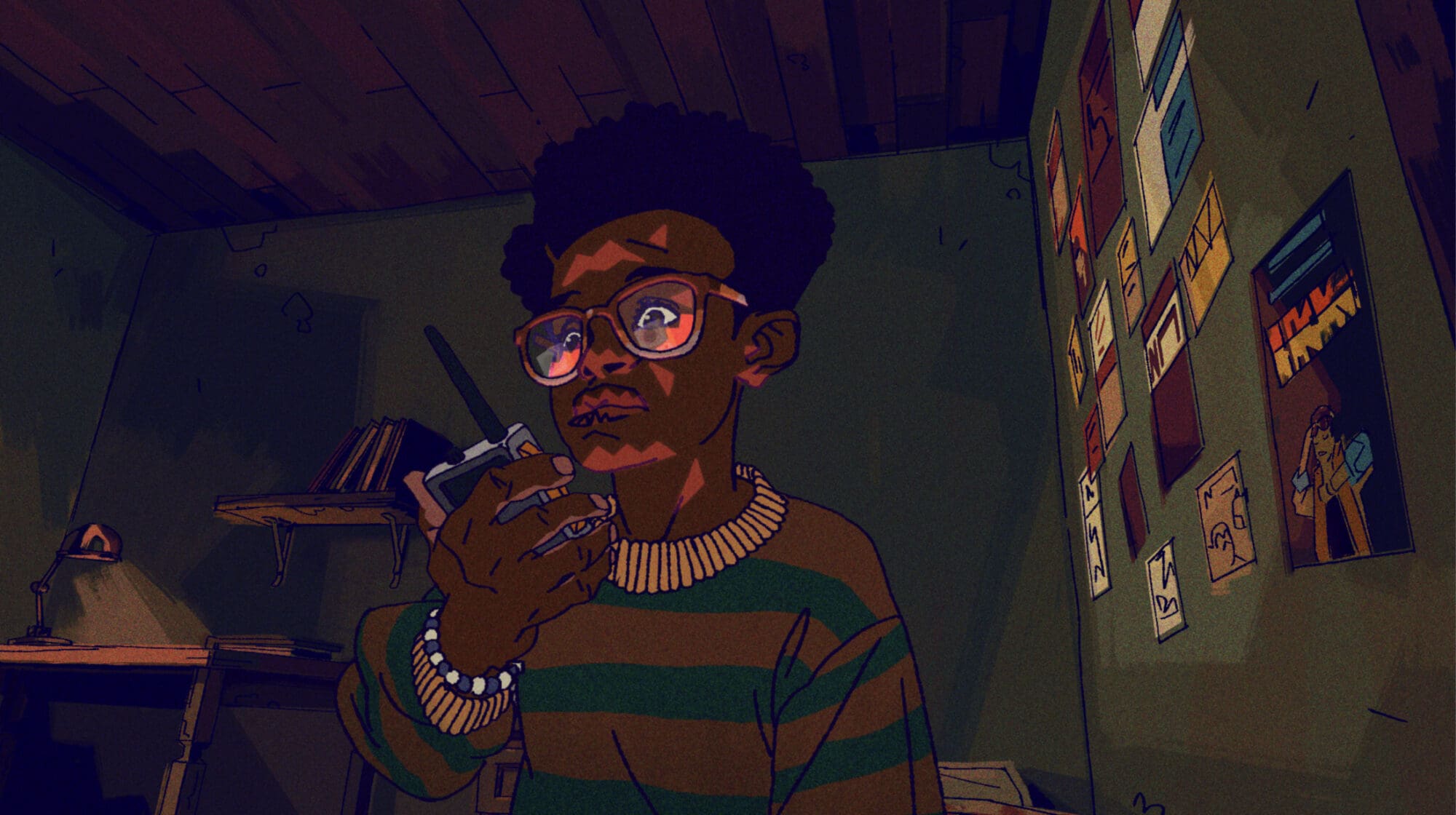
The aesthetic of Apart is heavily influenced by the visual traditions of the anti-apartheid movement, specifically the stark, high-contrast woodcut prints that were widely used in protest art. These prints, often characterized by bold lines and limited color palettes, were essential tools for resistance, conveying complex political messages through accessible, iconic imagery.
Maneli opted for a visual style that mirrors these woodcuts. By utilizing angular forms and rough linework, the animation captures the limitations of the medium, effectively suggesting the lack of flexibility and humanity in the apartheid state. The lighting design—inspired by the harsh, high-humidity, and intense sunlight characteristic of a South African summer—creates sharp, elongated shadows. These shadows are not merely aesthetic; they are abstracted into geometric patterns reminiscent of traditional Nguni designs.
The director’s approach was a deliberate act of restraint. He noted that while he had the technical ability to produce more complex, fluid, or intricate animation, he chose to maintain a certain simplicity. This decision was designed to prevent the visuals from becoming "a hat on top of a hat," ensuring that the technical virtuosity of the animation never overshadowed the core emotional stakes of the story.
Production and Collaborative Synergy
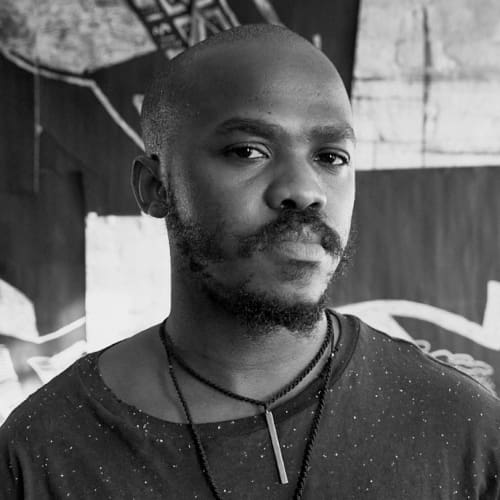
The production of Apart was a testament to the power of cross-disciplinary collaboration. By bringing together professionals from the fields of film, music, and fashion—such as the collaboration with designer Laduma Ngxokolo for the wardrobe—the film achieves a cultural authenticity that is rarely seen in animated shorts.
For Maneli, a first-time director, the transition from illustrator to filmmaker involved a steep learning curve. He acknowledged that his initial impulse was to handle as many technical tasks as possible, a habit born from his background in illustration where the creator is often the sole executor of the work. However, the complexity of a narrative animated film necessitated a shift in leadership style. He found that the most effective way to lead was to communicate his vision to his collaborators at Colossal, the animation production company, rather than attempting to execute every frame personally. This shift in methodology served as a major turning point in the project’s development, allowing the team to function as a cohesive unit.
Analysis of Impact and Industry Recognition
The recognition of Apart by the Academy of Motion Picture Arts and Sciences, evidenced by its qualification through the prestigious SIGGRAPH festival, signals a broader industry trend toward recognizing animated films that tackle heavy, sociopolitical subject matter. Historically, the animation category at the Oscars has been dominated by family-oriented or fantasy-based narratives. However, the rise of projects like Apart reflects a growing appetite for "adult-oriented" animation that utilizes the medium to explore complex human rights issues.
From an analytical standpoint, the film serves as a critical case study in how animation can document history. Unlike live-action, which is bound by the physical constraints of location and era, animation allows for the abstraction of trauma. By using the visual language of protest art to tell a story about systemic oppression, the film creates a symbolic link between the act of resistance and the act of storytelling. The film suggests that beauty, when applied to the depiction of struggle, is a vital instrument for ensuring that the history of such periods is not forgotten or sanitized.
Chronology of Eligibility and Recognition
- Early 2026: Pre-production and extensive historical research are conducted, focusing on childhood testimonials from the apartheid era.
- Mid-2026: Principal production takes place at Colossal, with focus on the unique visual style mimicking woodcut prints.
- August 2026: The film premieres at the SIGGRAPH conference, where it is awarded the "Best in Show" designation.
- November 2026: Following its win at SIGGRAPH, the film officially qualifies for consideration for the 2027 Academy Awards.
- Late 2026 – Early 2027: The film enters the awards campaign circuit, highlighting its collaborative production model and unique aesthetic approach.
Future Implications
The success of Apart and its inclusion in the 2027 Oscar conversation underscore the evolving role of the short film format as a medium for pedagogical and historical discourse. As the global animation industry continues to diversify its talent pool and subject matter, films that engage with regional history—such as South Africa’s transition from apartheid—are likely to gain greater prominence.
Furthermore, the involvement of high-profile figures like Spike Lee suggests that the industry is increasingly viewing animation as a legitimate and powerful vehicle for prestige storytelling. For directors like Pola Maneli, the film serves as a proof of concept: that it is possible to maintain a singular, artistic voice while navigating the complexities of a multi-disciplinary, professional production environment. As the 2027 awards season approaches, the industry will be watching to see how the Academy responds to such a bold, historically charged, and visually distinctive piece of work. The ultimate impact of Apart may extend beyond the ceremony, potentially serving as a model for how future filmmakers approach the delicate task of balancing aesthetic beauty with the grim realities of the past.