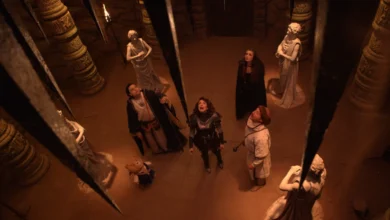
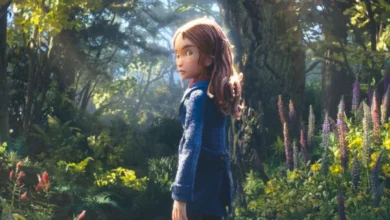
Sixteen Years in the Making: Travis Knight and LAIKA Studios Push the Boundaries of Stop-Motion Animation with the Epic Fantasy Wildwood

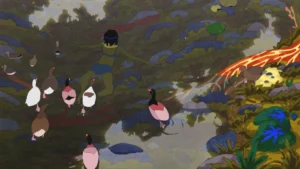
The intersection of handcrafted stop-motion artistry and cutting-edge visual effects has long defined the cinematic output of LAIKA Studios. For director and studio CEO Travis Knight, the culmination of a 16-year creative odyssey has arrived with the production and release of Wildwood. Juggling the dual responsibility of directing both Masters of the Universe and Wildwood within the same production calendar has tested the endurance of the studio’s veteran leadership, yet it represents a monumental leap forward for a medium traditionally rooted in painstaking physical craft. Based on the acclaimed children’s fantasy novel by Colin Meloy, featuring distinctive illustrations by Carson Ellis, Wildwood chronicles the journey of 12-year-old Prue McKeel as she ventures into a magical, perilous realm known as the Impassable Wilderness—reimagined from Portland’s own Forest Park—to rescue her infant brother from a flock of aggressive crows.
A Decade-and-a-Half Journey Through Production Challenges
The genesis of Wildwood dates back over a decade and a half, evolving through various developmental stages before entering full-scale production. According to Knight, the decision to greenlight the ambitious adaptation followed the completion of the studio’s first five feature films, a milestone that instilled a false sense of operational security among the creative team. What ensued, however, was a turbulent gauntlet of unforeseen global and regional crises.
The production timeline intersected directly with the disruptions of the COVID-19 pandemic, severe regional wildfires across Oregon, and localized civil unrest in Portland. These compounding obstacles stretched the studio’s resilience to its limits, making Wildwood the most arduous undertaking in LAIKA’s history. Despite these unprecedented hurdles, the production forged ahead, ultimately expanding its visual effects department from its traditional 90-person roster to an expansive 300-member team, alongside external partnerships to manage the staggering workload.
Scaling Up: Technical Ambition and Hybrid Workflow
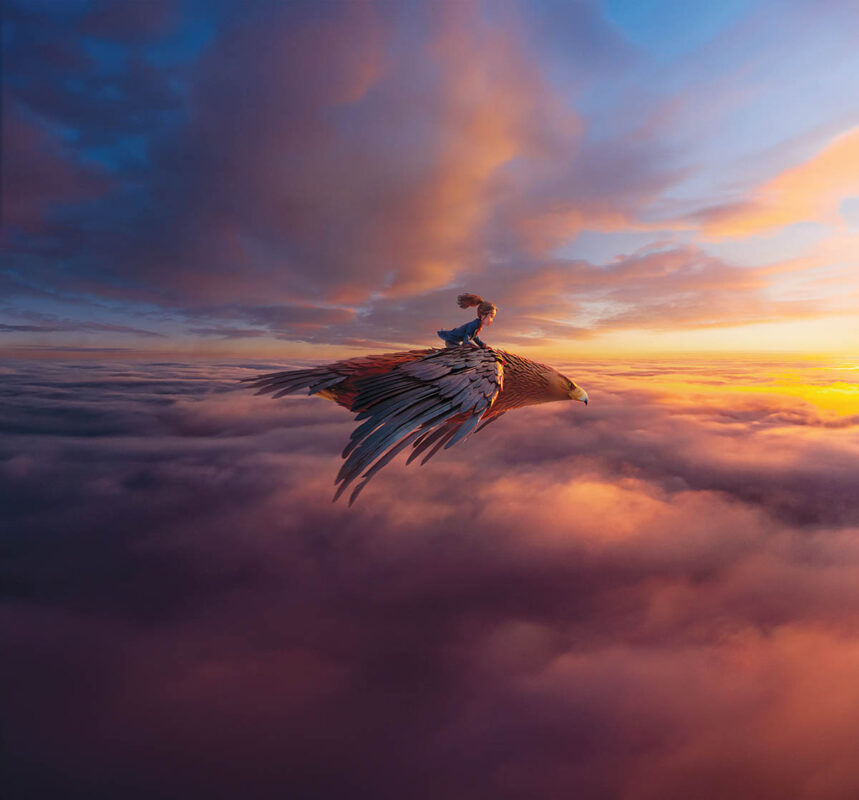
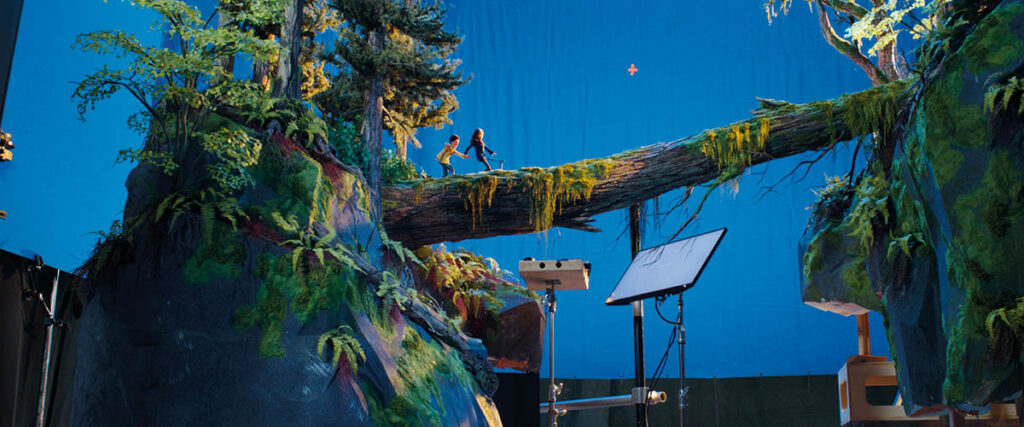
To bring Meloy’s richly detailed literary world to life, LAIKA expanded the scope of Wildwood far beyond the parameters of its previous cinematic efforts, doubling the typical shot count to approximately 2,800. This massive volume necessitated a seamless integration of physical stop-motion sets, digital extensions, and advanced computer-generated imagery.
Visual effects supervisor Steve Emerson and production designer Nelson Lowry spearheaded an environment where practical artistry and digital enhancement co-mingled extensively. Unlike previous projects where the studio relied solely on internal infrastructure, the sheer technical demands of Wildwood compelled LAIKA to collaborate with external visual effects powerhouse Wētā FX. This partnership proved vital in bridging the gap between physical miniature environments and sweeping digital landscapes, ensuring that the visual scope matched the narrative scale of the story.
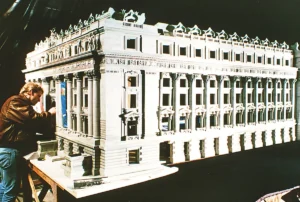
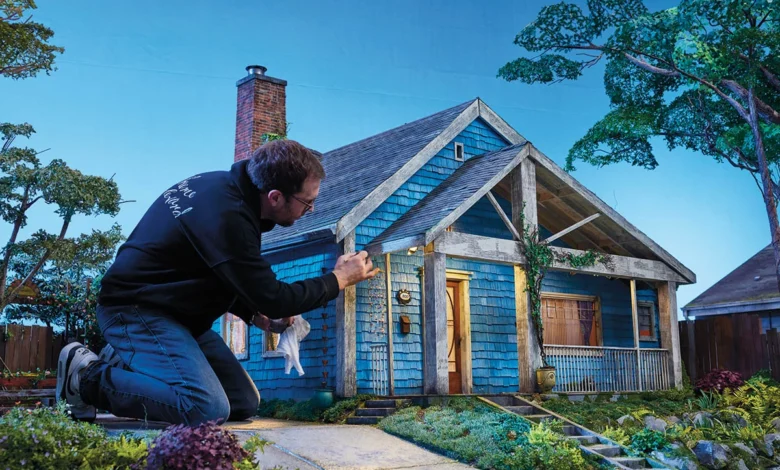
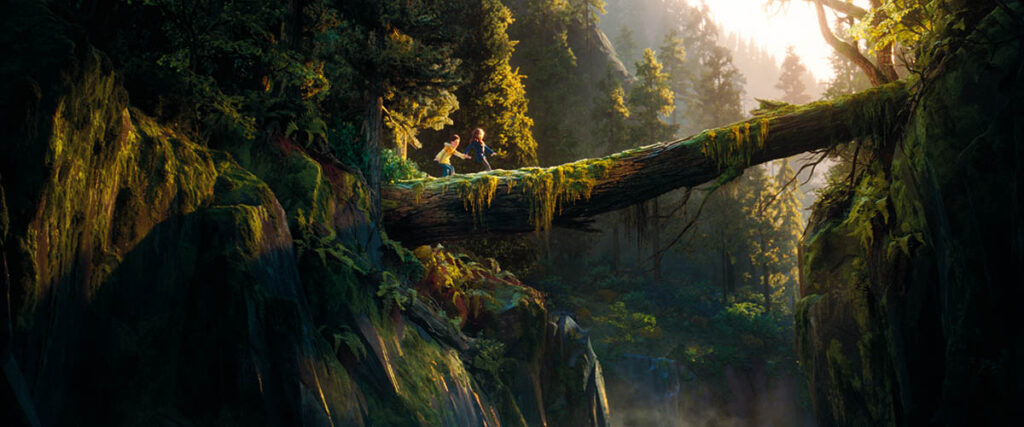
The film’s visual language is anchored by two primary architectural touchstones: Prue’s family home, representing the emotional heart of the human world, and the Pittock Mansion, which serves dual purposes as a domestic dwelling for key characters and the seat of a corrupt governing body within Wildwood. To imbue the dense forest vegetation with organic life, cinematographers and riggers employed inventive techniques, including UV-reactive paints visible only under blacklight exposure to isolate leaves for digital compositing, and utilizing air cannons in conjunction with high-speed camera capture to simulate natural wind disturbances.
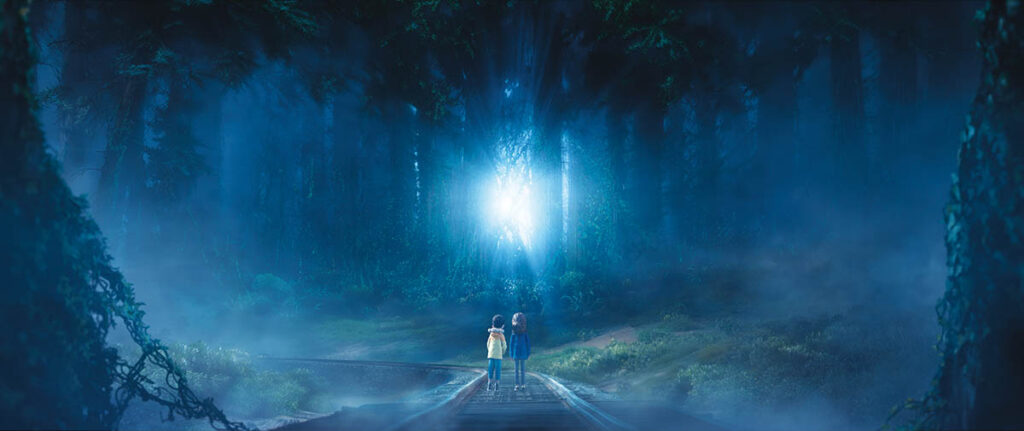
Cinematic Adjustments in Miniature Spaces
Cinematographer Caleb Deschanel faced unique logistical challenges transitioning from live-action cinematography to the miniature environments of stop-motion animation. Unlike traditional filmmaking, which relies on spontaneous interactions with live actors, stop-motion requires absolute premeditation regarding performance and camera movement. To establish a realistic human perspective within miniature sets, Deschanel conducted early lighting and depth-of-field experiments, testing various f-stops and light levels.
The physical construction of the sets further highlighted the unconventional nature of the production. To accommodate changing camera angles and reverse shots, production teams routinely dismantled and reassembled sets across multiple soundstages, resulting in a fragmented, modular approach to shooting individual scenes. This splintered workflow required meticulous planning by editor Christopher Murrie-Green and the editorial department to maintain spatial continuity and emotional resonance across disparate physical environments.
Puppet Fabrication and Technological Innovation
Under the supervision of puppet fabrication supervisor Ollie Jones, the production of Wildwood required the creation of 236 fully functional, highly detailed puppets. The sheer quantity of characters necessitated a parallel fabrication pipeline, utilizing digital tools such as Maya, AutoCAD, and Inventor to design armatures, clothing constraints, and rig systems simultaneously.
A significant technological advancement for the studio was the adoption of high-precision wax 3D printers. Initially utilized to produce realistic coyote fur destined for silicone molding, the technology was quickly adapted to print organic shapes that could be melted and investment-cast in bronze. This hybrid methodology allowed the fabrication team to produce complex, bespoke metal components for character armatures, wardrobe elements, and props at an unprecedented velocity.
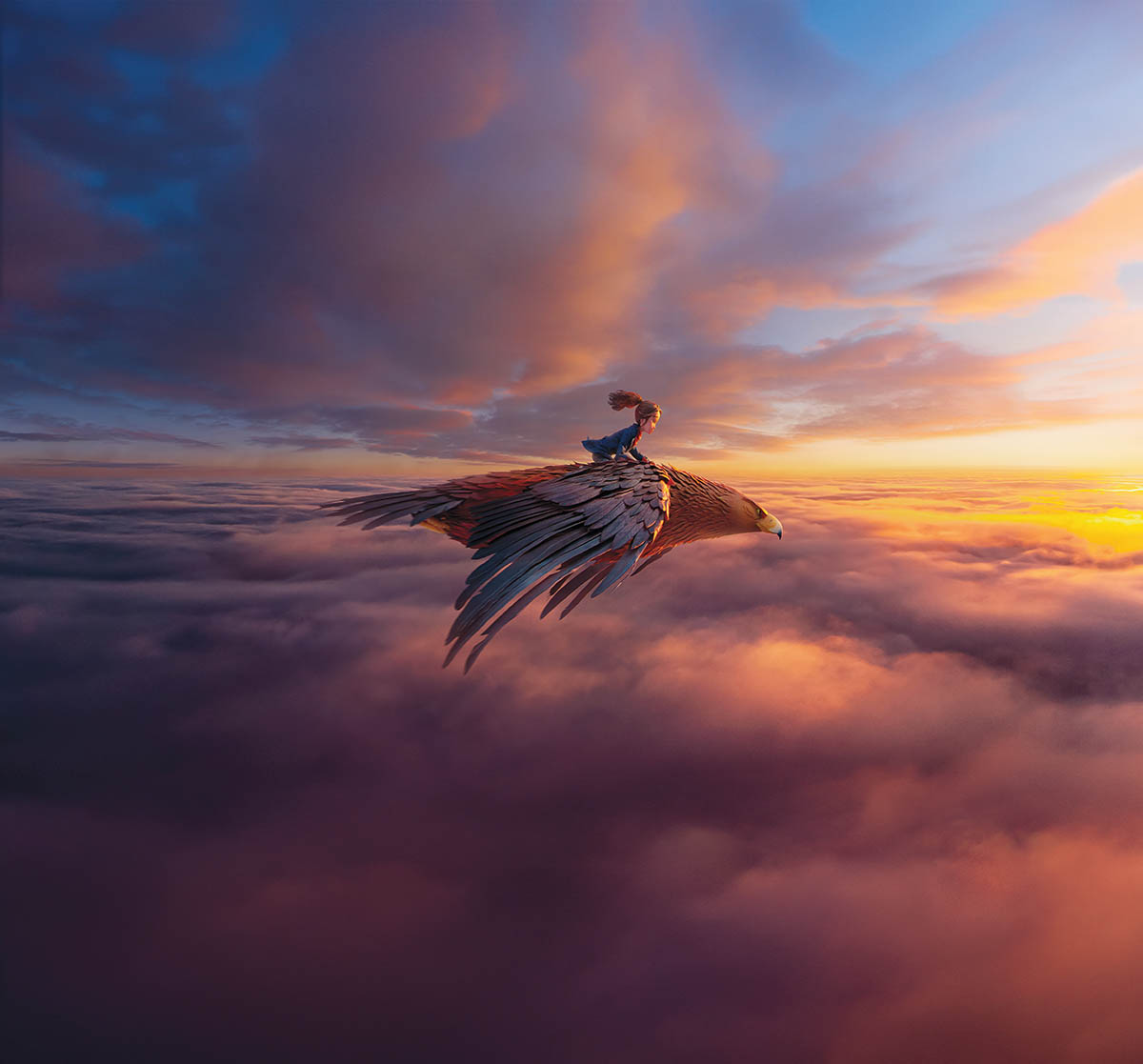
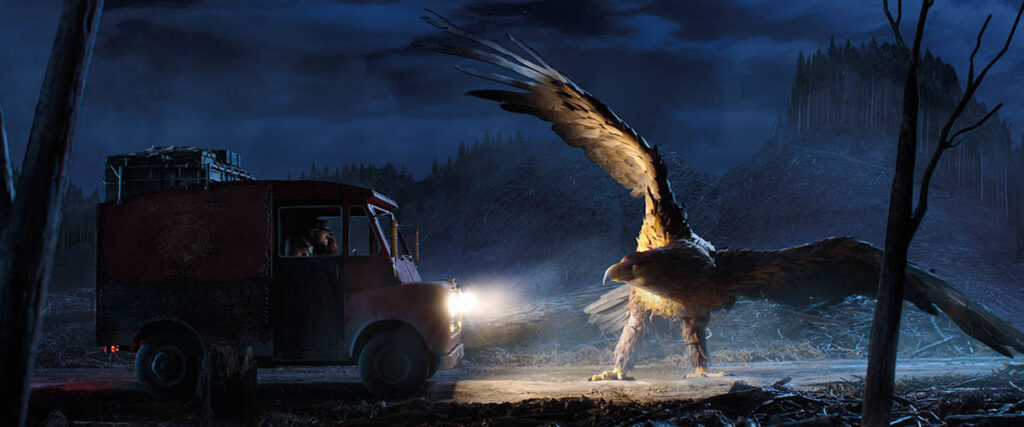
Among the most technically demanding creations was the golden eagle character known as The General, featuring a five-foot wingspan and approximately 3,000 individually crafted feathers. Constructed using light FDM (fused deposition modeling) 3D-printed materials and aluminum armatures, the puppet required specialized internal motors in the shoulders to execute repetitive gliding and flapping cycles, alongside flexible wing-folding mechanisms designed to mimic avian biomechanics. Similarly, human characters like baby Mac required intricate rigging systems utilizing monofilament lines and independent clothing mechanics to simulate the realistic physics of being carried aloft by digital and practical avian antagonists.
Broader Implications and Industry Legacy
The completion of Wildwood marks a significant watershed moment for LAIKA Studios, demonstrating the enduring viability of stop-motion animation in an era dominated by fully digital pipelines. By deliberately choosing an arduous, hands-on methodology over streamlined digital alternatives, the studio continues to champion a dying art form.
As noted by visual effects supervisor Steve Emerson, the studio’s willingness to embrace discomfort and technical complexity is foundational to its corporate identity. By processing 2,800 intensely complex shots over a six-year production span, LAIKA has not only surpassed its own internal benchmarks—dwarfing the shot counts of predecessors like Missing Link—but has also established a modern blueprint for the symbiosis between traditional physical craftsmanship and advanced computer graphics. Wildwood stands as both a love letter to the cultural landscape of the Pacific Northwest and a definitive testament to the unrelenting perseverance of independent animation craftsmanship.