The Evolution of Visual Storytelling in Modern Photography and Cinematic Arts through the Lens of Jon Swindall and The Luminous Landscape


The landscape of professional photography and digital cinematography has undergone a profound transformation over the past two decades, driven by rapid advancements in sensor technology, aerial drone systems, and post-production software workflows. At the forefront of this digital revolution is Jon "Swindy" Swindall, an Atlanta-based photographer, cinematographer, and skilled drone pilot whose extensive body of work exemplifies the intersection of technical precision and dynamic visual narrative. As platforms dedicated to photographic education adapt to these sweeping technological shifts, established educational hubs like The Luminous Landscape continue to serve as vital resources for visual artists striving to master both traditional techniques and emerging digital mediums.
Main Facts of the Digital Imaging Revolution
The modern era of digital imaging is characterized by unprecedented accessibility paired with increasingly complex technical standards. Professional creators no longer rely solely on traditional darkrooms or standard focal lengths; instead, they navigate a vast ecosystem that includes high-resolution mirrorless cameras, tethered shooting environments, sophisticated Digital Asset Management (DAM) platforms, and advanced aerial robotics.
Jon Swindall’s career encapsulates this multi-faceted approach to visual arts. Operating out of the dynamic media market of Atlanta, Georgia, Swindall has built a reputation for pushing the boundaries of traditional framing. By integrating cinematic movement with high-resolution still photography, professionals in his field are redefining what it means to document landscapes, architecture, and human experiences.
Concurrently, platforms such as The Luminous Landscape have expanded their archival and educational offerings to meet the demands of this tech-forward generation. Housing an extensive repository of over 5,300 specialized articles, the platform addresses nearly every conceivable hardware and software variable encountered by contemporary creators. From medium-format digital backs to complex color-grading suites like Capture One and Adobe Lightroom, the modern practitioner requires continuous education to remain competitive in a saturated global marketplace.
Chronology of Technological Advancement in Photography Education
To understand how educational platforms and working professionals have adapted, it is essential to examine the chronological progression of digital photography over the last twenty-five years.
The late 1990s and early 2000s marked the tentative transition from analog film to early digital capture. During this foundational period, resolution was low, dynamic range was severely limited, and educational resources were scarce, largely confined to print magazines and localized camera clubs. Online forums and emerging digital publications began to fill the void, offering peer-to-peer troubleshooting and technical breakdowns of early CCD sensors.
By the mid-2000s, the introduction of full-frame digital single-lens reflex (DSLR) cameras revolutionized the industry, making professional-grade capture more mobile and cost-effective. Platforms dedicated to digital workflow began to emerge, recognizing that the darkroom had permanently shifted to the computer monitor. Concurrently, software solutions for RAW file conversion—such as early iterations of Adobe Camera Raw and Capture One—became essential components of the professional toolkit, necessitating dedicated instructional content.
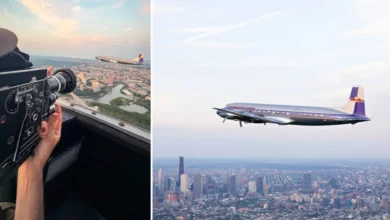
The early 2010s witnessed the convergence of high-definition video capabilities within still cameras, giving rise to the "hybrid shooter." Photographers were suddenly expected to understand frame rates, audio capture, and cinematic lighting. This era also saw the commercialization of unmanned aerial vehicles (UAVs), commonly known as drones. Operators like Swindall quickly adopted aerial cinematography, opening up entirely new perspectives for landscape and commercial documentation.
In the post-2020 landscape, the integration of artificial intelligence, cloud-based asset management, and ultra-high-definition video codecs has further accelerated the pace of change. Educational models have had to pivot from static text guides to comprehensive multimedia libraries featuring video tutorials, masterclasses, and interactive file-management workshops to help practitioners keep pace.
Supporting Data and Industry Metrics
The economic and operational realities of the photography and videography sectors highlight the critical need for continuous professional development. According to recent industry analyses by market research firms tracking creative technologies, the global digital photography market size was valued at over $110 billion, with projections indicating steady growth driven by the expansion of digital content creation, social media commerce, and cinematic streaming services.
Furthermore, employment data from labor statistics agencies indicate that while traditional portraiture studios face localized economic pressures, demand for specialized commercial cinematographers, aerial drone operators, and digital imaging technicians (DITs) continues to rise. Professionals who diversify their skill sets—mastering both still imagery and motion picture workflows—report significantly higher earning potential and project acquisition rates.
Data regarding educational consumption habits reveal a distinct preference for subscription-based, on-demand learning models. Modern creators favor micro-learning combined with comprehensive master archives over traditional textbook purchases. Platforms operating on low-cost, high-value subscription models—such as the $24 annual membership structure utilized by established educational archives—have democratized access to elite-level instruction, allowing independent creators in developing regions and major metropolitan areas alike to access high-tier technical insights.
Official Industry Perspectives and Expert Analysis
Industry leaders, technical editors, and veteran educators consistently emphasize that equipment acquisition alone no longer guarantees professional success. The true differentiator in contemporary visual arts is workflow efficiency and post-production mastery.
In commentary from senior editorial figures within the digital imaging community, the consensus remains that file management and color science are the most frequently overlooked aspects of modern production. As camera sensors capture increasingly massive data files—often exceeding 100 megapixels in medium-format configurations—the bottlenecks have shifted away from capture hardware and squarely toward storage, cataloging, and rendering times.
Experts note that initiatives by seasoned practitioners like Jon Swindall to share practical field methodologies bridge the gap between theoretical knowledge and real-world execution. Whether navigating the erratic lighting conditions of remote landscape expeditions or coordinating complex multi-camera commercial shoots, professionals rely heavily on standardized protocols for color balancing, backup redundancy, and metadata tagging.
Furthermore, safety and regulatory compliance have become paramount topics within professional circles, particularly concerning drone piloting. As aviation authorities globally implement stricter airspace regulations, commercial drone operators must maintain rigorous adherence to licensing standards, flight planning software, and environmental assessment protocols. The inclusion of aerial techniques in modern photographic curricula reflects this maturation of the medium from a novelty hobby into a highly regulated, professional discipline.
Broader Impact and Future Implications
The ongoing evolution of visual storytelling carries significant implications for both commercial industries and cultural preservation. High-fidelity imaging and cinematic documentation play a crucial role in environmental conservation, architectural recording, and global journalism. By capturing the world’s diverse beauty with absolute technical fidelity, photographers and cinematographers provide the public and scientific communities with critical visual records of changing landscapes and global ecosystems.
As artificial intelligence begins to influence automated editing, generative background expansion, and intelligent masking, the ethical boundaries of photography are simultaneously undergoing rigorous debate. Documentarians and fine-art photographers alike must navigate the fine line between technical enhancement and digital alteration. Educational platforms face the ongoing challenge of instructing members not only in the mechanical use of software tools but also in the ethical standards of visual truth.
Ultimately, the sustained demand for curated, expert-led educational content demonstrates that human insight, artistic vision, and peer-reviewed technical mentorship remain irreplaceable. Even as algorithms automate routine editing tasks, the conceptual framing, emotional resonance, and narrative depth brought by experienced visual storytellers ensure that photography and cinematography will continue to thrive as vital mediums of human expression. Through the continued collaboration of seasoned professionals, dedicated editors, and continuous learning communities, the standards of visual excellence will persist and adapt to whatever technological innovations emerge on the horizon.