The landscape of social media management has undergone a significant transformation over the last three years, moving from simple scheduling utilities to complex data-driven command centers. For many independent creators and small marketing teams, Metricool has served as an accessible entry point into this ecosystem, offering a blend of analytics, competitor benchmarking, and multi-platform publishing. However, as business requirements scale and the cost of proprietary add-ons increases, organizations are increasingly evaluating whether the platform remains the most efficient choice for their long-term growth.
When a digital marketing setup outgrows its initial toolset, the primary friction points usually emerge in three areas: the cost-to-feature ratio, the depth of collaborative workflows, and the integration of advanced reporting. As teams move from managing single-brand accounts to overseeing complex multi-channel strategies, the modular pricing structures common in the industry—where essential features are hidden behind paywalls or add-ons—can cause operational costs to balloon unpredictably. Consequently, the search for alternatives has become a standard quarterly exercise for marketing managers seeking to balance budget constraints with the need for high-level performance data.

The Evolution of Social Media Management Tooling
Historically, social media management tools were siloed. A manager would use one platform for scheduling, another for analytics, and a third for community management. The industry shift toward "all-in-one" platforms, exemplified by the rise of tools like Metricool, Buffer, and Hootsuite, was driven by the need to reduce "context switching"—the productivity-killing habit of jumping between browser tabs.
The current market is bifurcated. On one side are the "creator-first" tools, which prioritize intuitive UI, visual planning, and low barriers to entry. On the other side are "enterprise-grade" suites, which focus on compliance, granular team permissions, and deep integrations with customer relationship management (CRM) software. The challenge for modern teams is identifying which side of this divide their current and future needs fall on.
Comparative Analysis of Market Alternatives
For teams transitioning away from Metricool, the following seven platforms represent the current industry standards, each catering to specific operational workflows.
1. Buffer: The Scalable Standard
Buffer remains a primary contender for those prioritizing flexibility. Unlike models that charge per feature, Buffer maintains a focus on simplicity. Its inclusion of X (formerly Twitter) and LinkedIn on free and entry-level tiers addresses one of the most common complaints regarding Metricool’s tiered add-on pricing. For growing agencies, Buffer’s team plan—which removes the cap on team members—offers a predictable cost structure that is rare in an industry trending toward per-seat billing.
2. Hootsuite: The Enterprise Benchmark
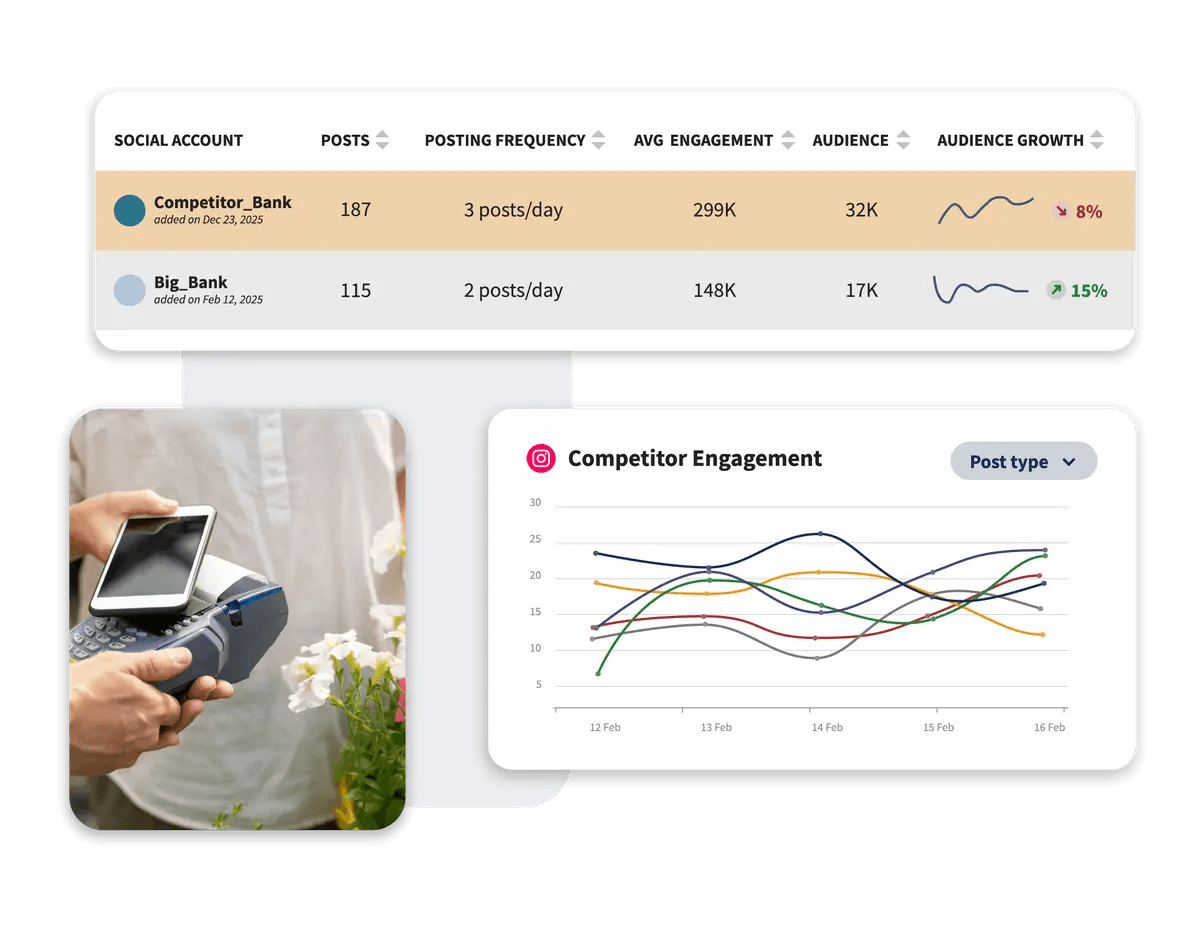
Hootsuite remains the incumbent for large-scale operations. Its strength lies in its comprehensive competitor benchmarking. While Metricool offers insights into competitors, Hootsuite’s infrastructure allows for the creation of private watchlists that track engagement trends across 20-plus competitors simultaneously. This is critical for brands operating in highly saturated markets where share-of-voice data is as important as internal performance metrics.
3. Sprout Social: The Engagement Powerhouse
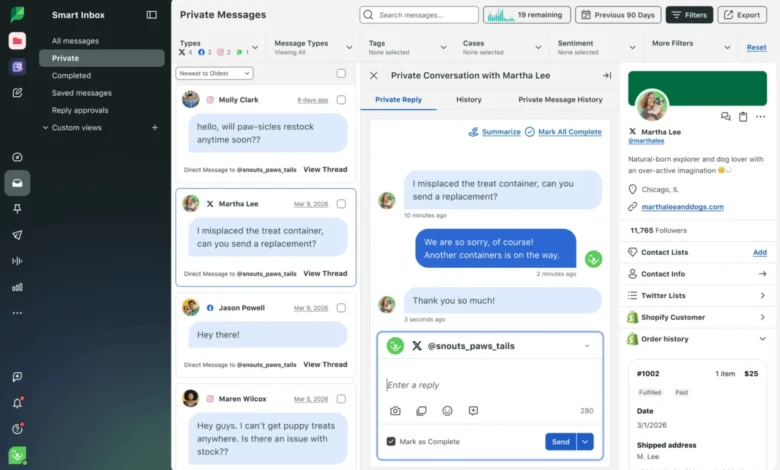
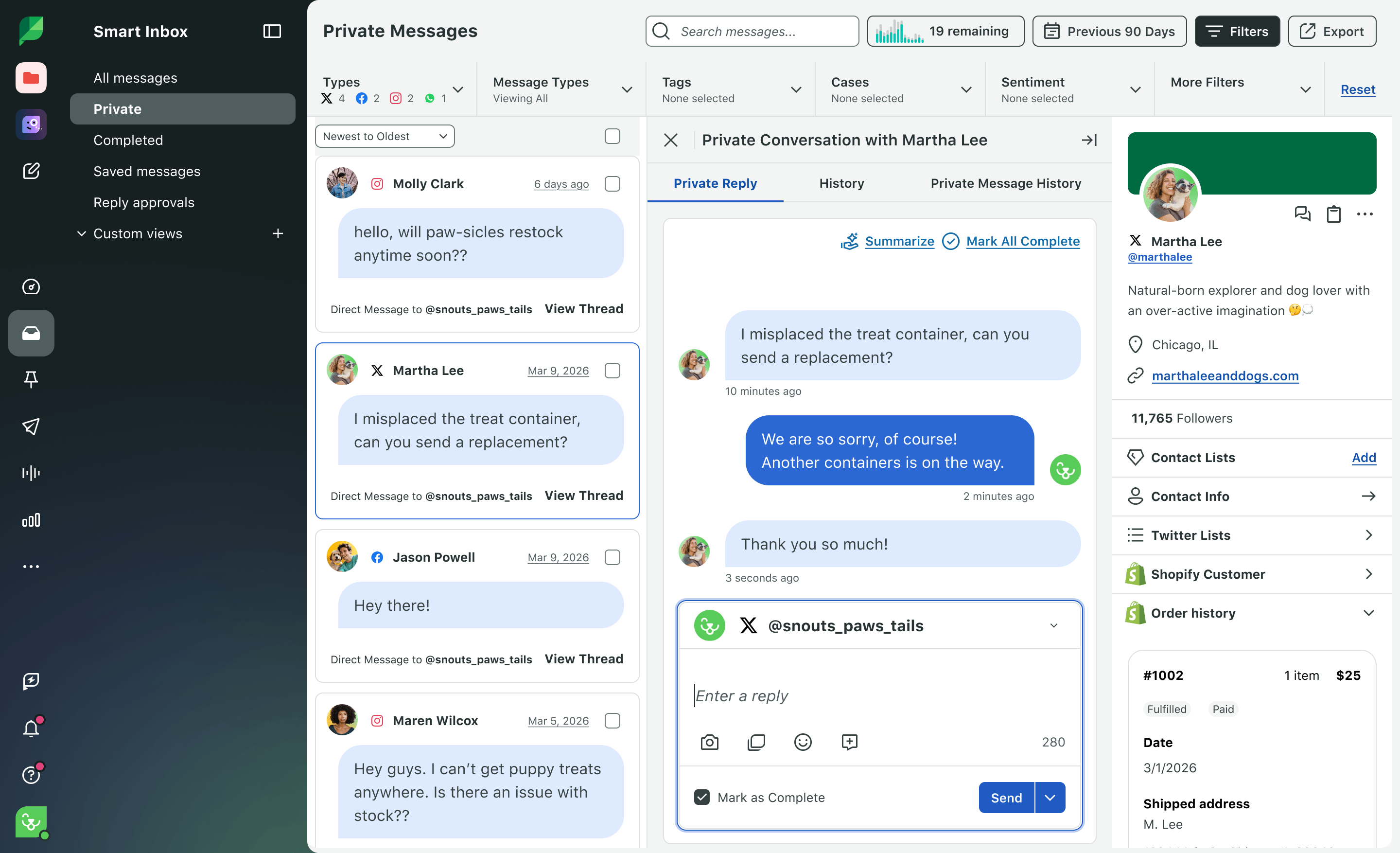
For organizations where social media is a primary customer support channel, Sprout Social represents a shift from "publishing" to "conversation management." Its "Smart Inbox" technology uses natural language processing to aggregate comments, DMs, and ad feedback, allowing support teams to assign tickets to specific agents. The ability to integrate these conversations directly into Salesforce or Zendesk makes it a vital tool for brands that treat social media as an extension of their customer service department.
4. Agorapulse: The Analytics Specialist
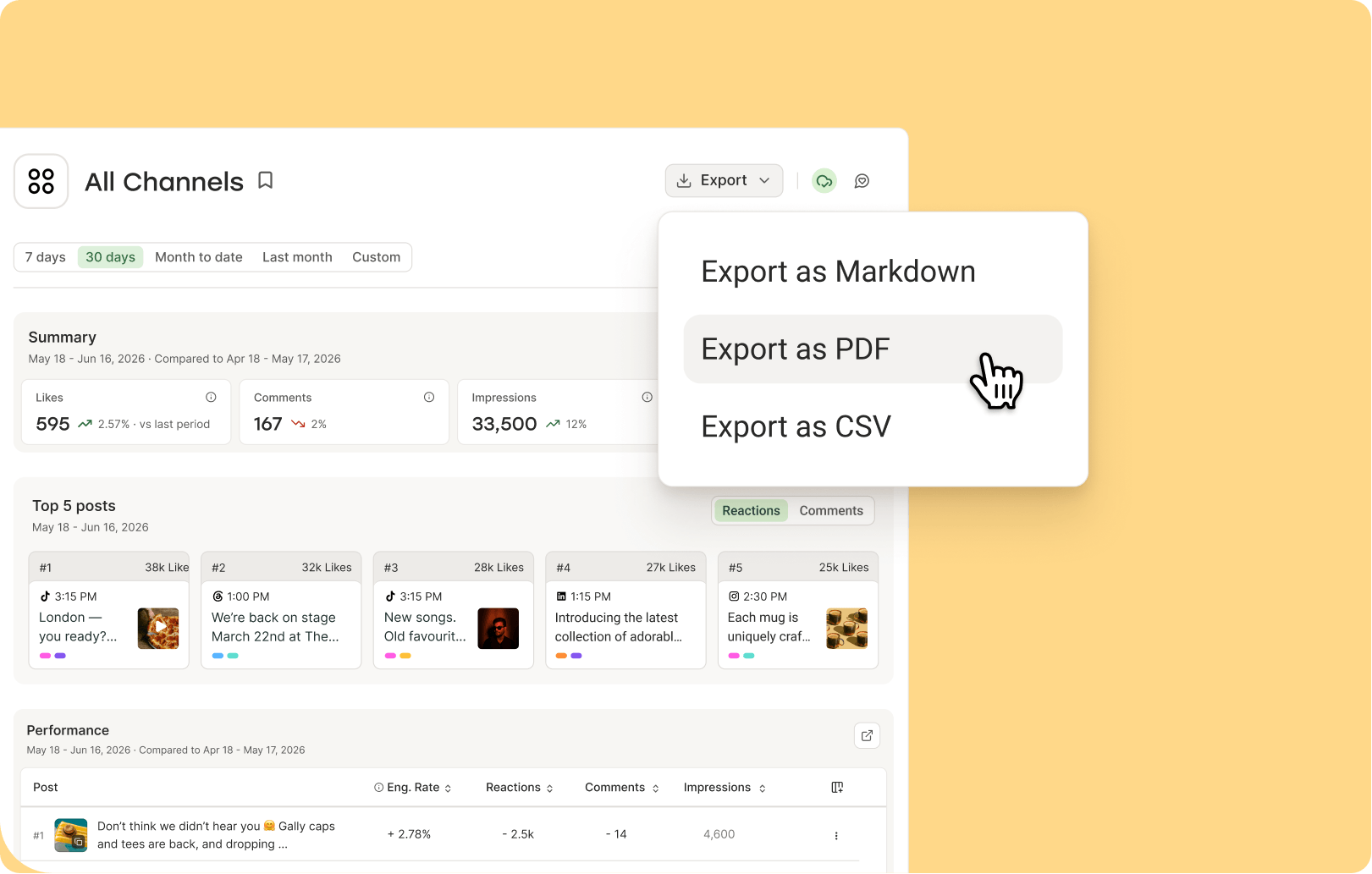
If the motivation for seeking an alternative is a demand for deeper, audit-ready data, Agorapulse is the industry leader. It focuses on ROI reporting, providing clear visualizations that map social activity to business outcomes. Its capability to export data into Looker Studio—a major requirement for data analysts—positions it as the top choice for teams that need to present findings to executive leadership who are not daily users of social platforms.
5. SocialPilot: The Agency-Centric Solution
SocialPilot occupies a specific niche for digital agencies. While other platforms offer "white labeling" as a premium feature, SocialPilot makes it a core component of its identity. The ability to provide clients with a branded portal, including custom domains and bespoke reporting colors, allows agencies to maintain brand equity throughout the client relationship. This is a significant differentiator for small-to-mid-sized agencies looking to present a high-end image without the overhead of enterprise-level software.
6. Later: The Visual Planning Priority
Later was born from the visual-first requirements of Instagram. For brands that rely heavily on aesthetics—such as lifestyle, retail, and fashion—the drag-and-drop calendar and visual grid preview are essential. While it has expanded to support TikTok, LinkedIn, and YouTube, its core competency remains the visual narrative. It is arguably the most effective tool for creative teams who view their social feed as a digital magazine.
7. Planable: The Collaborative Workflow Specialist
Planable addresses the "approval bottleneck." In organizations with strict legal or branding requirements, the process of getting a post from draft to publication can be fraught with delays. Planable’s multi-step approval chain allows for hierarchical sign-offs, where a post cannot go live until it passes through the appropriate stakeholders. This reduces the risk of human error and ensures that all content adheres to corporate governance standards.
Data-Driven Decision Making
The process of selecting a new tool should be grounded in a 14-day testing period. Industry data suggests that the "learning curve" for new social media management software is approximately 10 to 12 days, during which time a team should conduct a side-by-side performance test.
| Feature Category | Primary Driver | Recommended Tool |
|---|---|---|
| Budget/Scalability | Cost efficiency & team growth | Buffer |
| Market Analysis | Competitor benchmarking | Hootsuite |
| Support/CRM | High-volume inbox management | Sprout Social |
| ROI Reporting | Data-driven executive insights | Agorapulse |
| Agency Branding | Client-facing white labeling | SocialPilot |
| Visual Aesthetics | Instagram/TikTok grid planning | Later |
| Compliance | Multi-level content approval | Planable |
Implications of Tool Migration
Switching platforms does not mean losing historical data, though the depth of data retention varies by platform. When transitioning, it is standard practice to maintain the old subscription for 30 days while the new platform syncs with API connections. Because social platforms (Meta, LinkedIn, X) own the raw data, most management tools can pull a certain amount of historical performance data (usually 90 days to one year) upon initial connection.
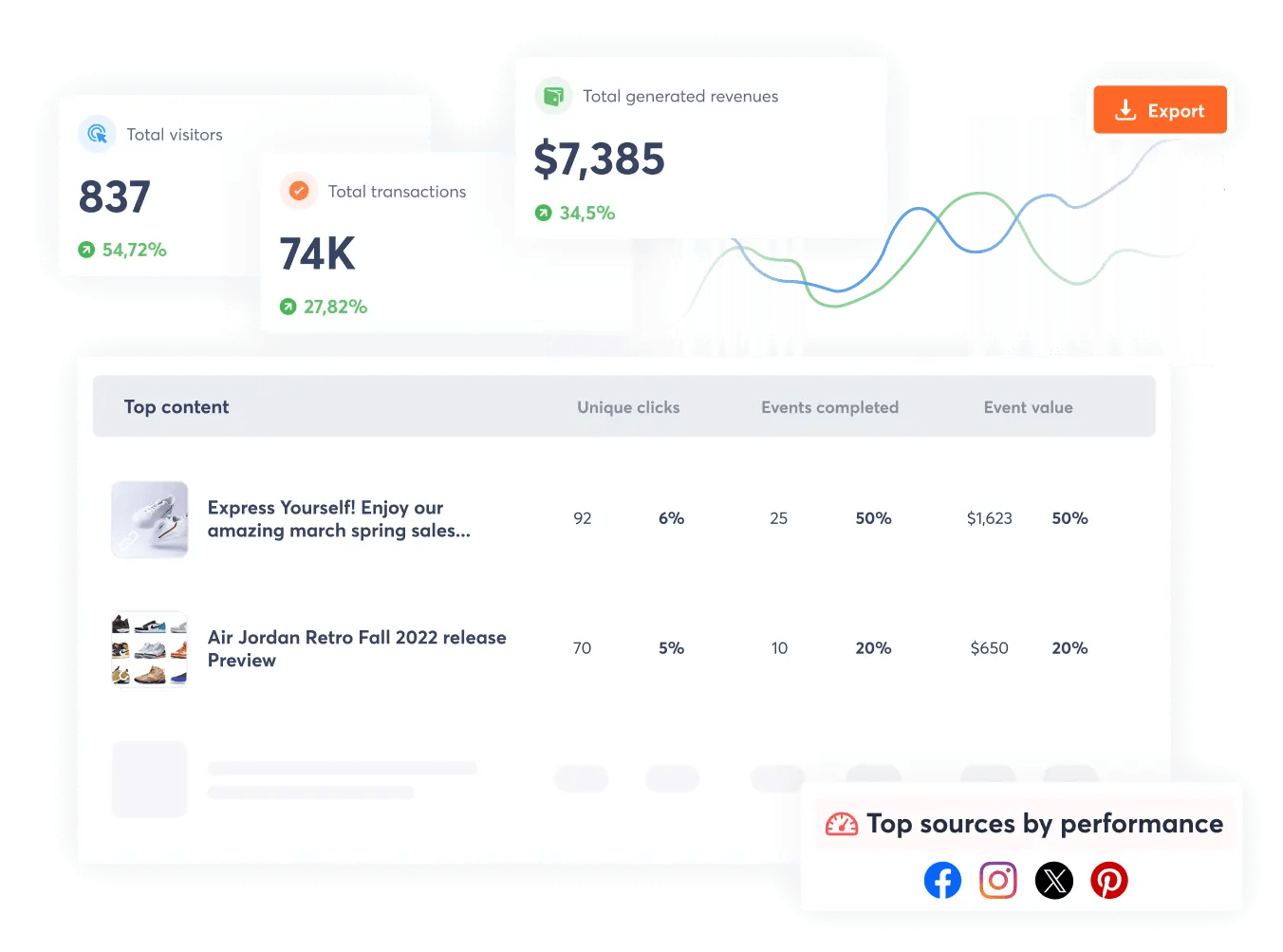
The broader implication of this market diversity is that the "one-size-fits-all" era of social media management is ending. Brands are increasingly moving toward a "best-of-breed" strategy, selecting tools based on their specific operational bottlenecks rather than choosing the most popular platform on the market.
Conclusion
The decision to move away from Metricool is rarely about the platform being "bad"—it is about the platform no longer aligning with the evolving operational maturity of the brand. Whether the requirement is for deeper data transparency, better agency branding, or more robust team collaboration, the market provides a high degree of specialization. By conducting a formal audit of current workflows—specifically identifying where time is lost in the publishing and reporting process—marketing leads can identify the platform that will sustain their growth for the next several years. As the social media landscape continues to integrate AI-driven content generation and deeper CRM connectivity, the most successful teams will be those that view their management software not as a static utility, but as a dynamic asset that must be updated in tandem with their business strategy.