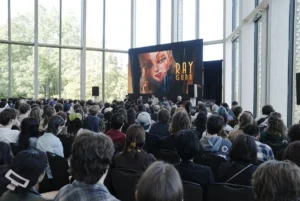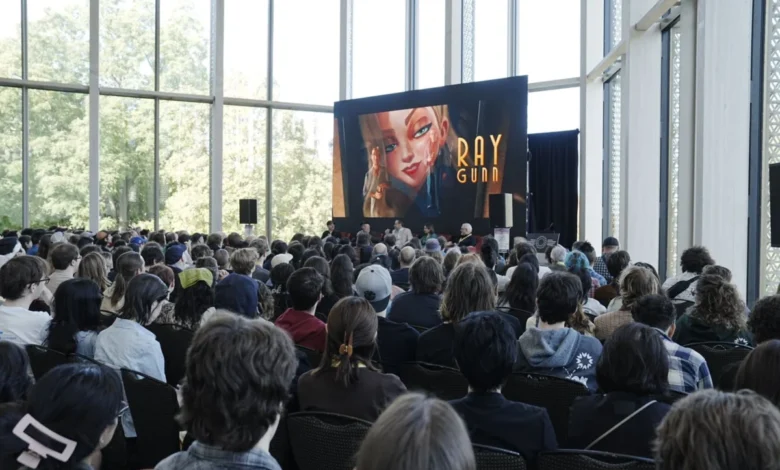
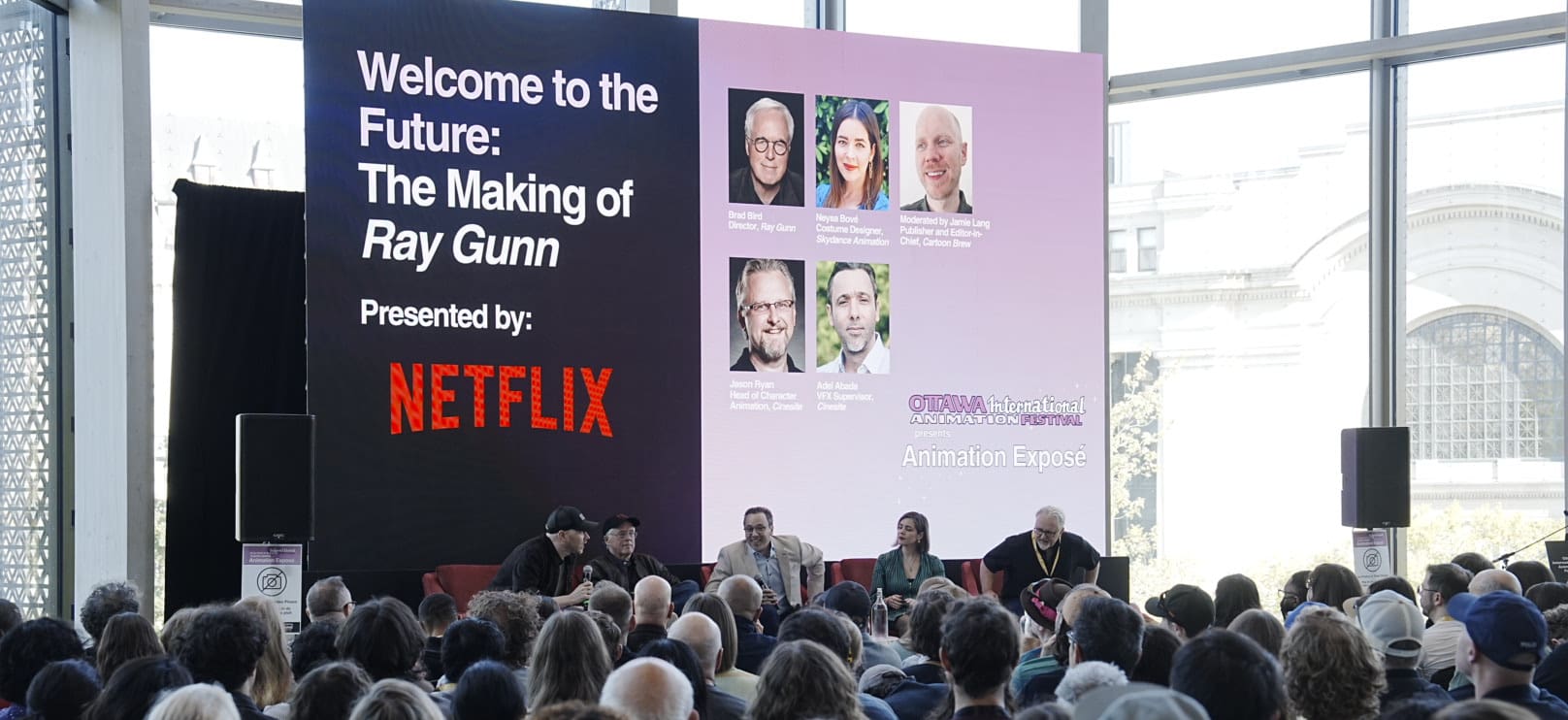
After nearly thirty years of development, archival dormancy, and creative persistence, Brad Bird’s ambitious sci-fi noir Ray Gunn is finally poised to reach the public. The film, which represents a significant departure from the traditional family-oriented animation landscape, was the subject of an in-depth retrospective at the Ottawa International Animation Festival (OIAF) this past Saturday. During the presentation, Bird and his core creative team from Skydance Animation and Cinesite provided a granular look at the technical and narrative evolution of the project, which is scheduled for a limited theatrical release—including exclusive 70mm screenings—on December 4, followed by a wide streaming debut on Netflix on December 18.
The OIAF presentation, moderated by Cartoon Brew, served as a masterclass in modern animation production, featuring Cinesite VFX supervisor Adel Abada, costume designer Neysa Bové, and head of character animation Jason Ryan. The panelists utilized a combination of the film’s opening seven minutes and work-in-progress materials to demonstrate the aesthetic and technical hurdles faced during the project’s 18-month production cycle.
A Vision of the Future Through a 1939 Lens
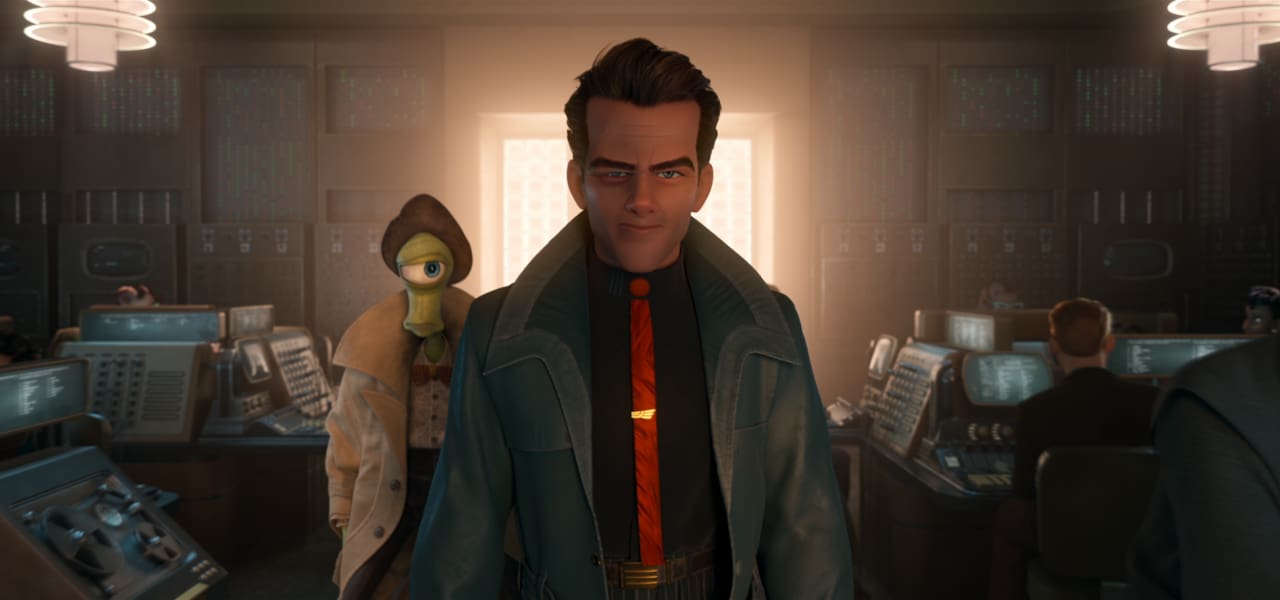
Set in the sprawling, vertical metropolis of "Metropia," the film centers on private investigator Raymond Gunn, voiced by Sam Rockwell, and a mysterious celebrity, Venus Nova, voiced by Scarlett Johansson. The narrative framework relies on a distinct stylistic conceit: it is a vision of the future as imagined by a citizen of 1939. This retro-futuristic aesthetic forces the audience to view advanced technology through the visual language of the Golden Age of detective fiction.
Brad Bird explained that the visual identity of the film was a deliberate attempt to reconcile the hard-boiled noir genre with the expansive possibilities of animation. "The basic idea is it’s the future, but the future as seen from 1939," Bird stated. This directive influenced every aspect of the film’s production, from the architectural design of Metropia to the nuanced, era-appropriate performance styles of the characters.
Technical Innovation and the Rejection of CG Conventions
The production team, led by Abada, consciously moved away from established computer-generated (CG) animation workflows to achieve a more cinematic result. Traditionally, animation studios separate layout, lighting, and camera placement into distinct, sequential stages. For Ray Gunn, these departments were merged into a concurrent pipeline. This allowed for a director-led environment where Bird could make real-time creative decisions, mimicking the spontaneity of a live-action film set.
Cinematography was a cornerstone of this effort. The team leaned heavily into the stylistic precedents set by Roman Polanski’s Chinatown, particularly in the selection of lens packages. Bird frequently pushed for the use of 28mm lenses, a choice that challenged the team because of the inherent distortion such wide-angle lenses apply to digital characters. Furthermore, the film incorporates 70mm photography techniques, favoring widescreen aspect ratios paired with spherical lenses to create a sense of scale and depth rarely seen in animated features.
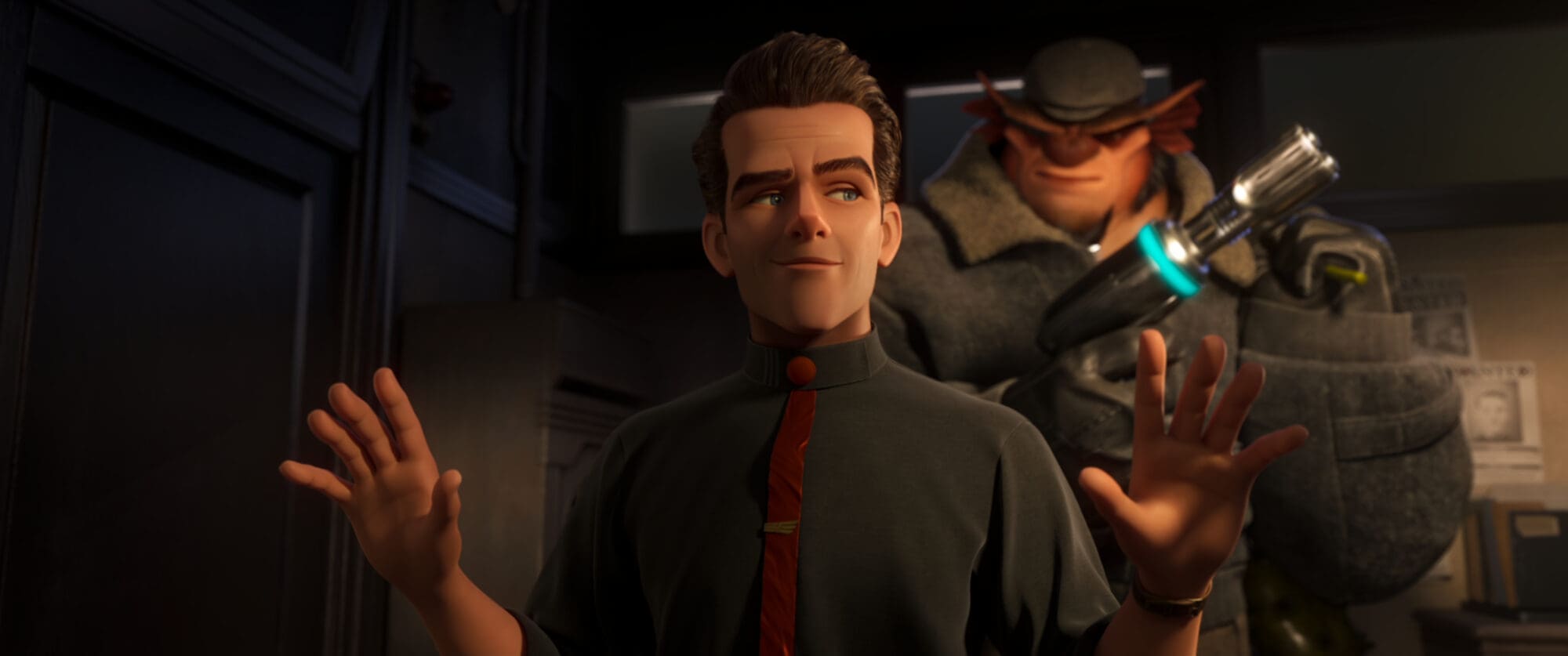
The team also adopted a "shadow-first" philosophy. Moving away from the common practice of ensuring every character remains perfectly lit for clarity, the lighting team prioritized narrative mood over aesthetic perfection. "Don’t be afraid of the shadow," Abada noted. "Lighting is not beauty; it’s a storytelling tool just like animation." This approach extended to the use of low-angle compositions, inspired by John Huston’s The Maltese Falcon, where the inclusion of ceilings in the frame serves to emphasize the imposing height of the city and the stature of the characters within it.
Logistical Scale and the ‘Vertical’ Challenge
The logistical requirements of the film were immense. With approximately 1,800 shots across 35 distinct sequences, the team had to establish its workflow early. A 65-second vertical chase sequence, featuring complex environmental effects, rain, and character interaction, was tackled early in production as a "proof of concept." By successfully executing this high-complexity sequence, the team gained the confidence necessary to scale up for larger, more demanding scenes, such as those set in broad daylight where the environment required complete visual fidelity.
Costume Design as Narrative Technology
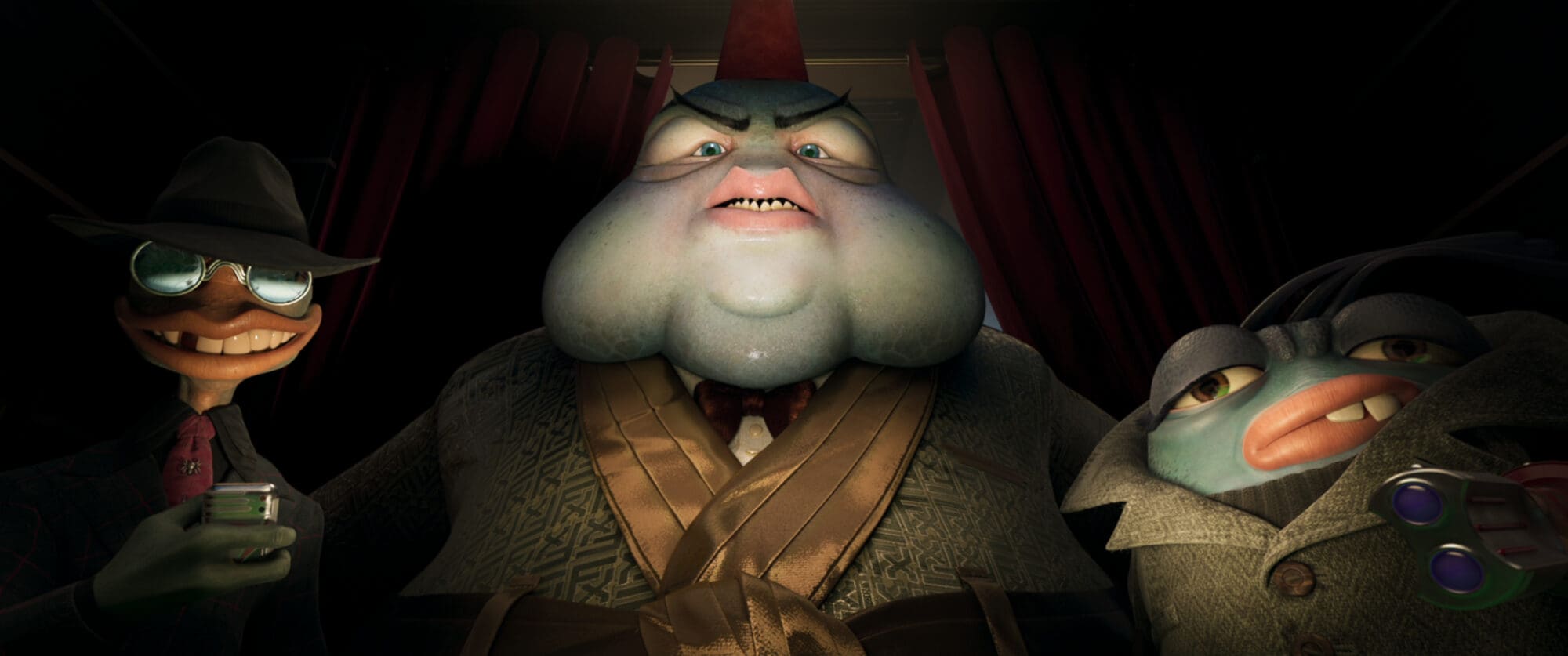
Neysa Bové’s approach to the film’s costumes was defined by the same technological groundedness that defined the cinematography. Bové avoided the trap of simple period-piece aesthetics, instead integrating Streamline Moderne technology into the fashion of the 1940s. A prime example is the character Venus Nova, whose wardrobe changes are treated not as magical transformations, but as feats of technological engineering.
"Everything that comes to these costumes is reality, and they’re grounded in reality," Bové explained. The research process involved studying iconic stars such as Lauren Bacall and Rita Hayworth, then extrapolating how their silhouettes would look if modified by the futuristic tech of the film’s internal timeline. The level of detail in the costume packets was such that, according to Bové, they were designed with enough mechanical specificity to be built by a real-world tailor.
Performance and the Legacy of the ’40s
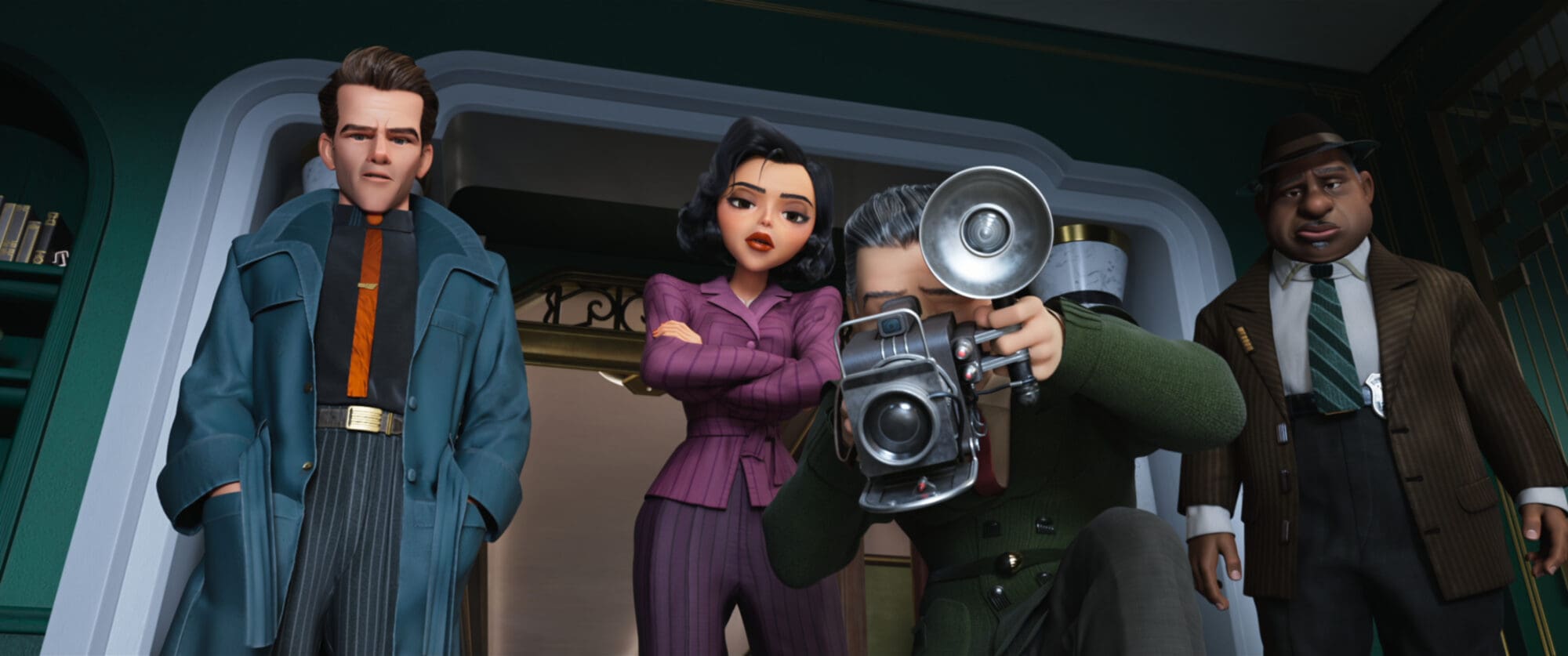
Jason Ryan, tasked with overseeing the character animation, focused on translating the contained, expressive acting styles of 1940s cinema into the CG medium. The team analyzed the movements of Humphrey Bogart to understand the restraint required for the genre. However, Bird also encouraged departures from realism, pushing for exaggerated reaction shots that provided moments of levity. This blend of traditional, hand-crafted animation techniques—such as smear frames—with modern CG pipelines gave the film a tactile, organic quality that feels distinct from the polished, smooth aesthetic of contemporary mainstream animation.
The Unscratched Itch: A Historical Context
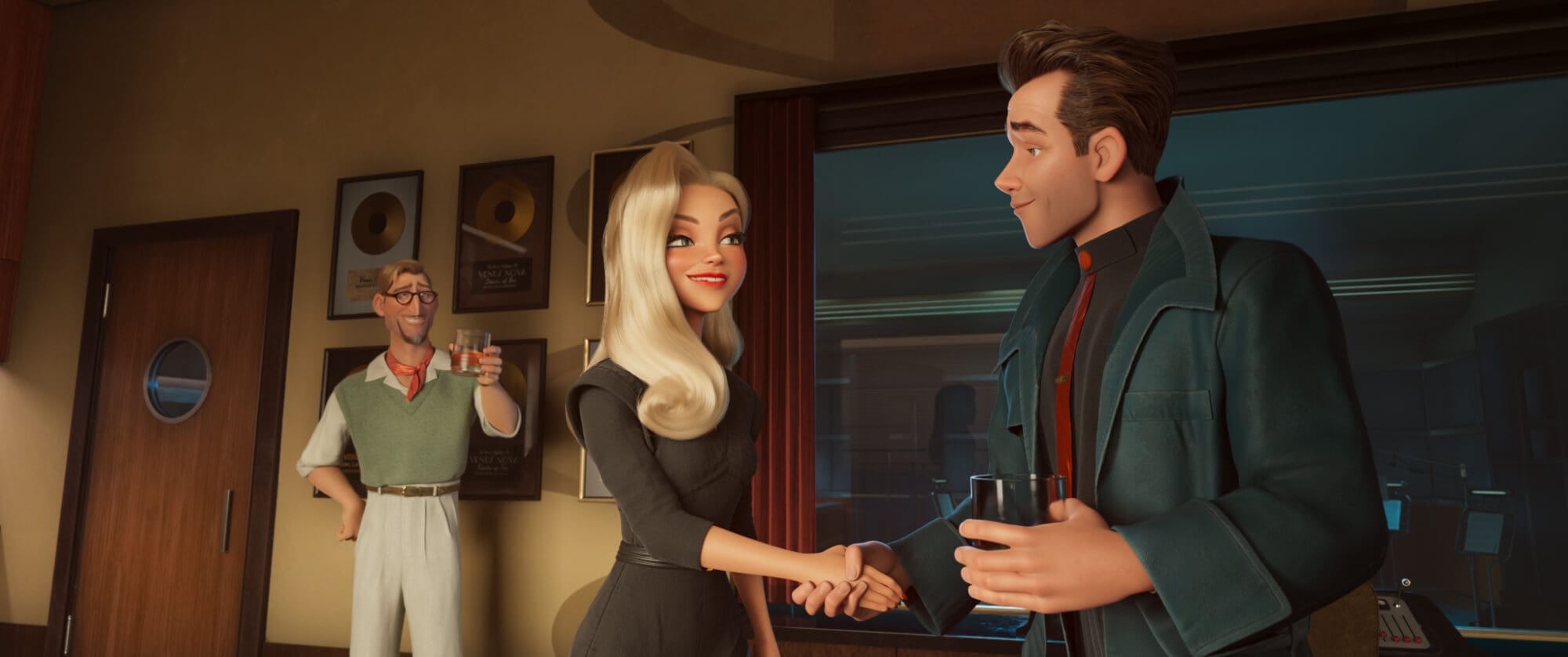
The road to Ray Gunn began in the 1990s, shortly after Bird attempted to develop an animated project based on Will Eisner’s The Spirit. Despite the involvement of industry heavyweights like producer Gary Kurtz, the project failed to secure financing. At the time, the industry was largely unwilling to invest in animated films that did not adhere to the standard "family-friendly" template.
For decades, Ray Gunn remained in development purgatory, an "unscratched itch" for the director. When it was finally revived, the core story remained largely unchanged, a testament to the strength of the original premise. Bird noted that while the tools of the trade have evolved, the narrative heart of the project has remained the same, demonstrating that his vision was simply ahead of its time.
Broader Implications for the Animation Industry
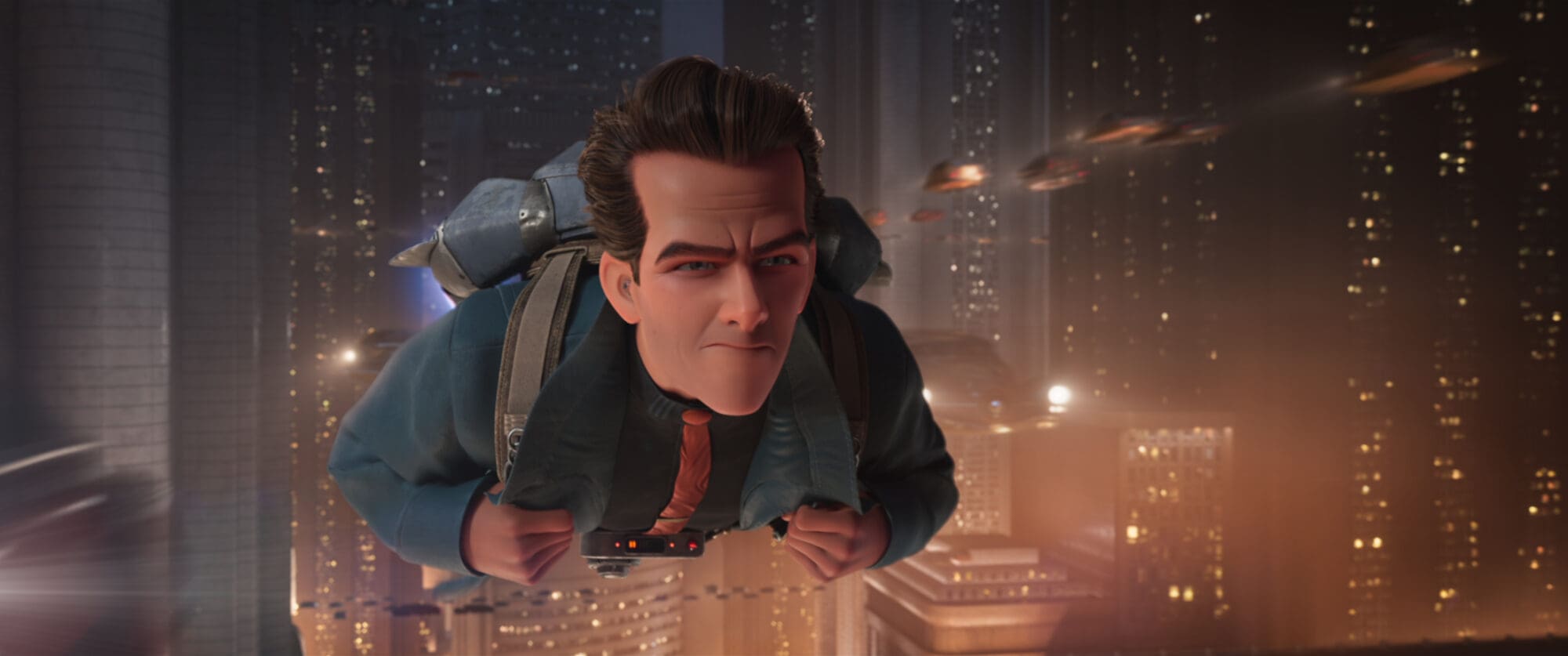
The release of Ray Gunn carries significant weight for the animation industry. It serves as a test case for whether mainstream audiences—specifically teenagers and adults—will support large-scale, big-budget animated features that explicitly avoid the "kiddies’ table."
Bird has been a vocal proponent of elevating animation as a medium rather than a genre. Throughout his career, starting with The Iron Giant and continuing through his work at Pixar, he has sought to introduce more mature, complex themes to his work. With Ray Gunn, he is pushing the envelope further. By targeting an audience that appreciates the ambiguity and reaching nature of classic cinema, Bird is attempting to broaden the demographic reach of animation.
As the film prepares for its December debut, the industry will be watching closely. If Ray Gunn succeeds, it could signal a shift in studio investment strategies, potentially opening the door for more genre-specific, mature-themed animated projects. For Brad Bird, the film is not a career-capping project, but rather a continuation of his mission to treat animation as a medium capable of telling any story, for any audience. When asked if the film was the culmination of his life’s work, he responded with characteristic humor: "I hope not. I’m hoping that I’ll culminate later." With Ray Gunn, he has certainly ensured that his later years will be marked by the realization of a project that has defined his creative philosophy for over thirty years.