Why Are Markets Still Relevant: A Deep Dive into the Evolving Landscape of Animation Industry Networking at TAC 2026

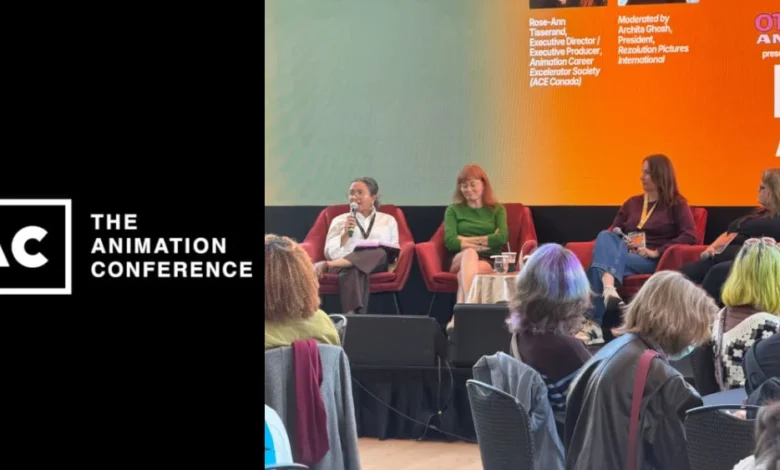
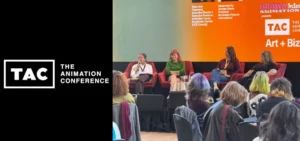
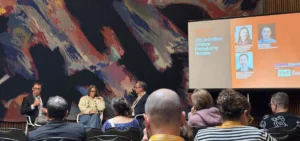
The landscape of professional engagement in the global animation industry has undergone a seismic shift, moving away from the high-pressure, transactional environment of the early 2000s toward a model defined by patience, community, and long-term strategic relationship building. This evolution was the central focus of a keynote panel held during The Animation Conference (TAC), a core component of the Ottawa International Animation Festival (OIAF). Moderated by industry veteran Archita Ghosh, the panel—featuring ASIFA-Hollywood’s Brooke Keesling, Mainframe Studios’ Christine Huot, and ACE Canada’s Rose-Ann Tisserand—addressed the existential question facing many emerging creators: Do animation markets still offer a tangible return on investment, or have they become relics of a bygone era?
The Shift from Transactional Pitching to Relationship Cultivation
Historically, animation markets served as clearinghouses for distribution deals and production greenlights. Producers would arrive with packed portfolios, intending to secure funding or broadcast slots within a single event. However, as the industry has consolidated and the sheer volume of content has increased, the "get-in, get-out" approach has largely proven ineffective.
Rose-Ann Tisserand of ACE Canada characterized the modern era as a "long game." According to Tisserand, the expectation of walking into a market and emerging with a signed development deal is a vestige of a decade ago. In the current economic climate, the primary function of a market is not to close a sale, but to initiate a connection that may pay dividends years down the road.
This sentiment was echoed by Christine Huot, who provided a compelling case study on the longevity of these connections. Huot recounted hiring a director in 2023 whom she had first met at an Ottawa career fair in 2018. Their professional relationship was not sparked by a singular pitch, but sustained through periodic touchpoints on professional platforms like LinkedIn. This anecdote highlights a critical shift: the "market" is no longer a physical space limited by opening and closing hours, but a continuous, global networking process.
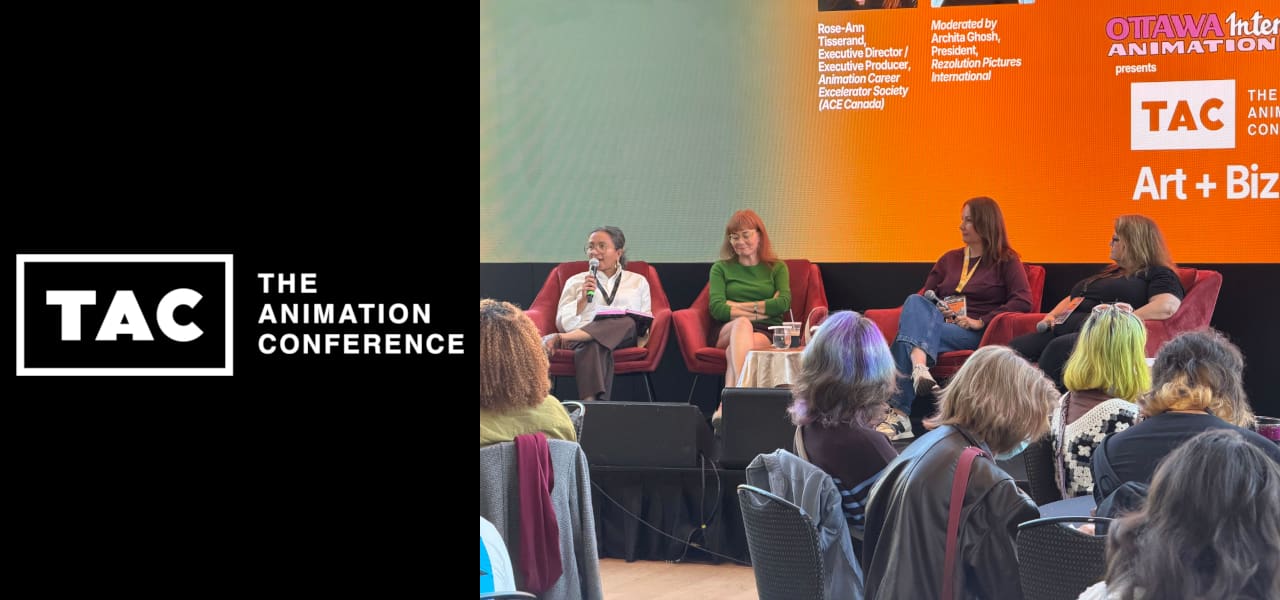
Strategic Financial Allocation for Emerging Creators
A point of contention for many attendees remains the cost-to-benefit ratio for independent filmmakers. With travel, lodging, and accreditation fees often totaling thousands of dollars, a young creator must weigh these costs against the potential for career advancement.
When questioned whether a creator with only $500 to their name should risk that capital on a market pass, the panel was unanimous in their caution. Tisserand emphasized that financial prudence is a prerequisite for a sustainable career. Investing one’s entire savings into a single event is rarely a sound strategy, especially when there is no guarantee of a breakthrough.
The panel instead offered alternative pathways for those with limited resources:
- Volunteering: Many major festivals, including OIAF, rely on volunteer labor. This remains the most effective "backdoor" into networking, providing access to industry experts while reducing overhead costs.
- Digital Engagement: Following the activities, films, and personnel of a festival online allows individuals to stay informed about industry trends without the physical cost of attendance.
- Prioritizing Production: Brooke Keesling, who balances her industry work with teaching at CalArts, offered a sobering reminder: "Making work is the most important thing." No amount of networking can replace a high-quality portfolio or a compelling reel. The industry consistently rewards output; therefore, time spent networking at the expense of creating is a net negative for the artist.
The Anatomy of Modern Networking
For those who do secure the funds and time to attend a market, the methodology of networking has moved from the exchange of physical business cards to a more digitized, data-driven approach.
The panelists underscored that successful networking is grounded in "curiosity, not transaction." Approaching a studio head or a recruiter with a "sell-first" mentality often leads to a quick dismissal. Conversely, asking questions about their current challenges, their studio’s creative philosophy, or their upcoming projects creates a dialogue that is memorable and authentic.
.png)
Practical tips shared by the panel included:
- Preparation is Paramount: Before arriving, attendees should identify key studios or individuals and research their current work. Knowing the specific projects a studio is producing shows respect for their time.
- Tech-Enabled Memory: While business cards remain a staple for some, the use of LinkedIn QR codes has become standard. Huot noted that associating a face with a digital profile is essential for post-event follow-ups, as it helps recruiters recall the context of the conversation weeks or months later.
- The Two-Week Window: Tisserand noted that the value of a connection depreciates rapidly if the follow-up is delayed. A brief, personalized email sent within two weeks—referencing a specific topic discussed—is essential to move a relationship from a fleeting encounter to a professional connection.
Industry Implications and Long-Term Value
The broader implication of this discussion is that the animation industry is moving toward a more decentralized and continuous networking model. The "Market" as a physical destination remains relevant, but its value is being redefined. It is no longer a marketplace in the traditional sense of a stock exchange, but a "relationship hub."
Data from industry reports over the past five years suggest that while the number of independent production companies has risen, the number of gatekeepers has remained relatively stable, leading to a bottleneck in acquisition. Consequently, the importance of "who you know" has increased, but the nature of that knowledge has shifted. Recruiters are no longer looking for the loudest pitch; they are looking for reliable, long-term collaborators who have proven their commitment to their craft over time.
Conclusion: The Sustainability of the Creative Career
The panel at TAC 2026 served as a necessary corrective to the hype that often surrounds industry gatherings. By demystifying the "market experience," the participants provided a blueprint for sustainable growth. The takeaway for the animation community is clear: success in this industry is rarely a result of a lightning-strike moment at a conference. Instead, it is the result of years of consistent, high-quality work coupled with an authentic approach to human connection.
Whether through volunteering at a festival, maintaining an active and updated digital presence, or focusing on the refinement of one’s artistic voice, the path to a career in animation is built on patience. As the industry continues to evolve, the ability to build and maintain these long-term relationships will remain the most valuable asset in any creative professional’s toolkit. The "market" is not a place you go to get lucky; it is a place you go to cultivate the seeds you have already begun to plant in your home studio.
Related posts: