Navigating the 2026 Holiday Economy: How Social Media Search, Tariffs, and Evolving Consumer Habits are Redefining Retail Strategies

The intersection of digital media and holiday retail has reached a definitive maturity point, transforming social networks from auxiliary marketing channels into the primary infrastructure of the modern consumer journey. As the fourth quarter approaches, recent market intelligence highlights a fundamental shift in how shoppers discover, evaluate, and purchase seasonal gifts. Driven by macroeconomic pressures, shifting consumer timelines, and the continuous evolution of social search engines, brands are facing a retail landscape where traditional playbooks no longer guarantee success. Data gathered from comprehensive consumer surveys reveals that social media now rivals traditional brick-and-mortar storefronts in gift discovery, while simultaneously absorbing the bulk of consumer customer service inquiries. Understanding these structural changes is essential for commercial stakeholders aiming to protect profit margins and capture market share during the most critical sales period of the year.
The Macroeconomic Backdrop: Tariffs, Tight Budgets, and Early Shopping Behavior

The 2026 holiday shopping season is unfolding against a complex economic backdrop defined by persistent inflationary pressures and the looming impact of newly instituted tariffs. These macroeconomic factors have fundamentally altered consumer sentiment, fostering a climate of heightened price sensitivity and fiscal caution. According to recent findings from the Q3 2026 Sprout Social Pulse Survey—which polled over 2,200 consumers across the United States, the United Kingdom, and Australia—approximately 56% of shoppers plan to scale back their overall holiday expenditures compared to previous years.
This financial conservatism is directly reshaping purchasing timelines. Faced with the prospect of tariff-induced price hikes, 69% of surveyed consumers express acute concern regarding rising commodity costs, while 36% are actively accelerating their shopping timelines to secure items before anticipated price escalations take effect. Consequently, the traditional holiday shopping rush is no longer confined to the final weeks of November and December. Instead, economic necessity is compelling consumers to plan and execute purchases earlier in the year, decoupling the timeline of consumer action from traditional marketing calendars.
The Timing Paradox: Consumer Preferences Versus Purchasing Reality
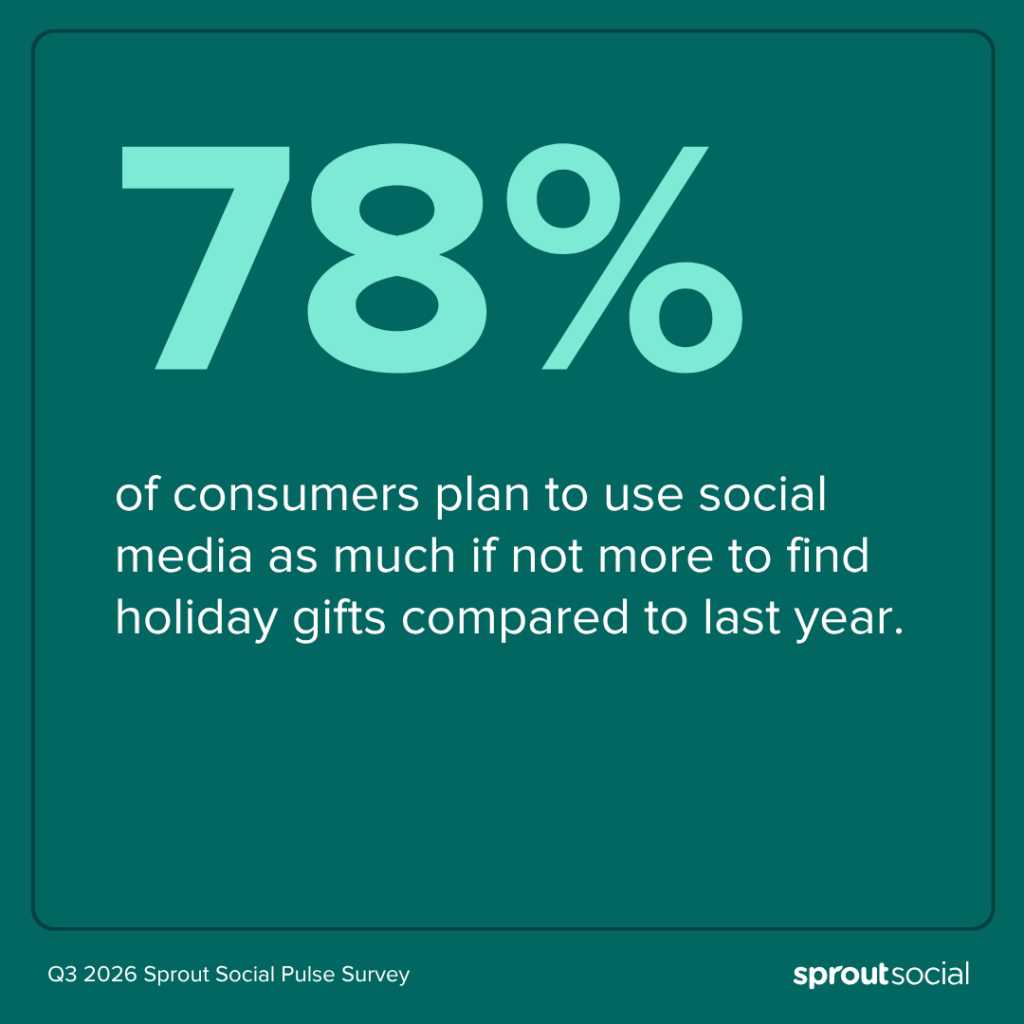
A notable friction point in contemporary holiday marketing is the widening gap between when consumers claim they want to see holiday advertisements and how they actually respond to early campaigns. Corporate marketing timelines have progressively shifted earlier; phenomena like summer-themed holiday promotions, early-August pumpkin spice rollouts, and pre-season inventory previews have become standard practice for major brands seeking to capture early revenue.
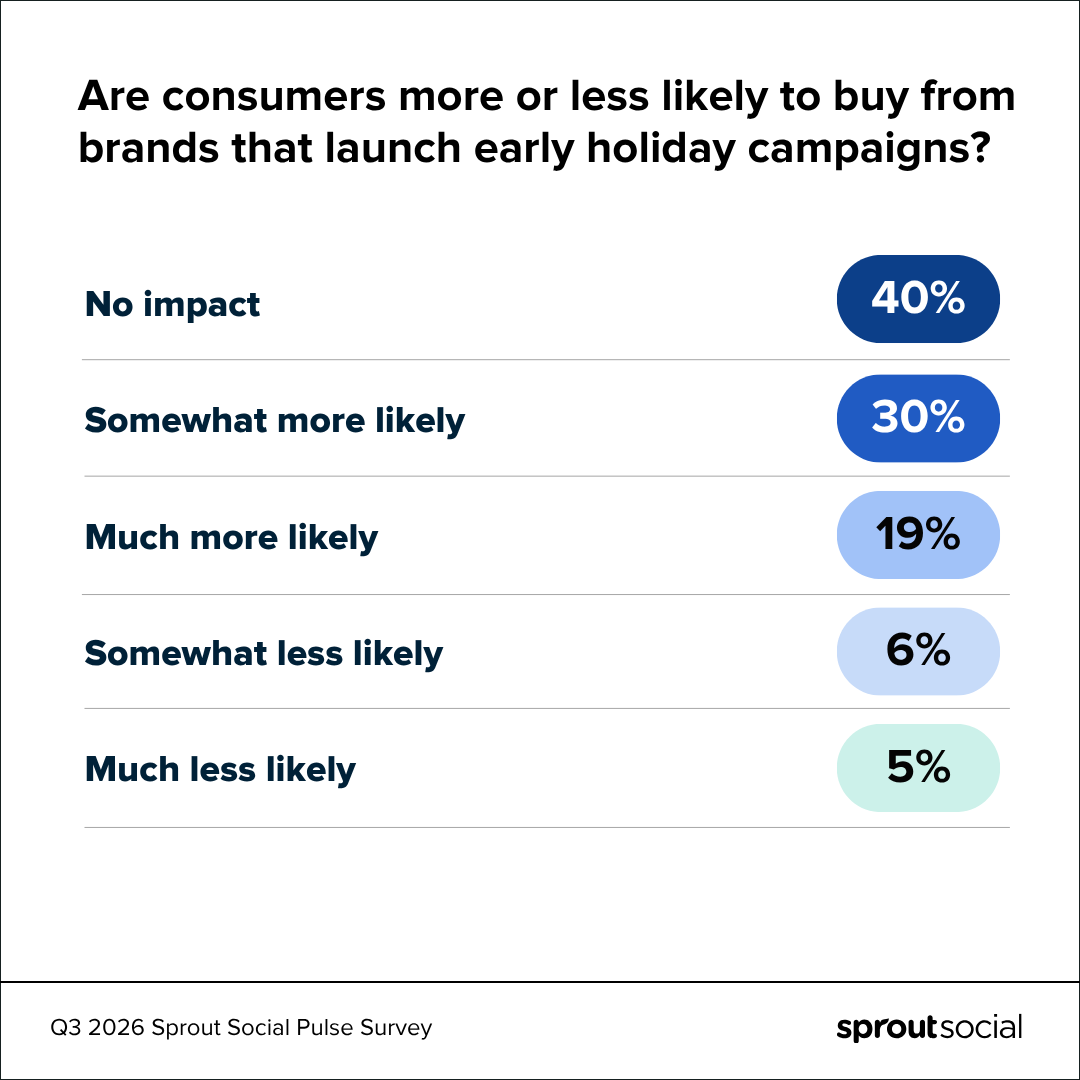
However, consumer stated preferences often contradict their behavioral patterns. When asked about ideal campaign start dates, 50% of consumers indicate that brands should wait until October to launch holiday-specific advertising—a notable retreat from prior years when August and September were more widely accepted. Despite this stated preference for later campaigns, data tracking actual consumer responsiveness paints a different picture. Roughly 40% of shoppers report that holiday campaigns launching as early as August have zero negative impact on their likelihood to purchase from a brand. Conversely, nearly 50% indicate they are somewhat or much more likely to patronize companies that initiate holiday marketing in August.
Industry analysts suggest this paradox reveals that campaign timing is rarely the decisive factor in a consumer’s purchasing decision. For the modern shopper, the exact calendar date of a brand’s first holiday advertisement is secondary to the tangible value and relevance of the offering. Brands that obsess over optimal launch dates risk misallocating resources that would be better spent refining product messaging and promotional value propositions.
What Drives Conversions: The Primacy of Value and Product Demonstration
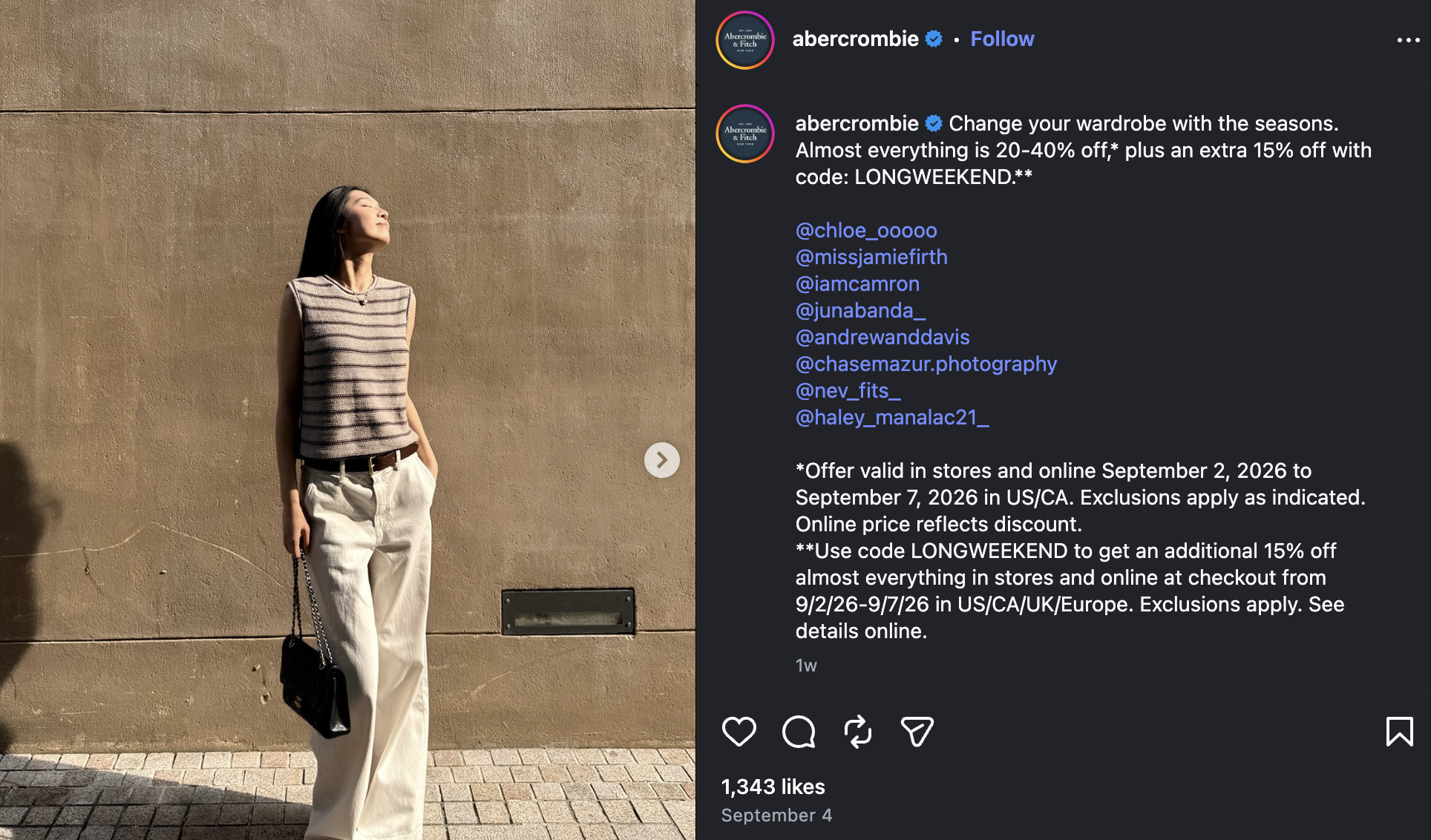
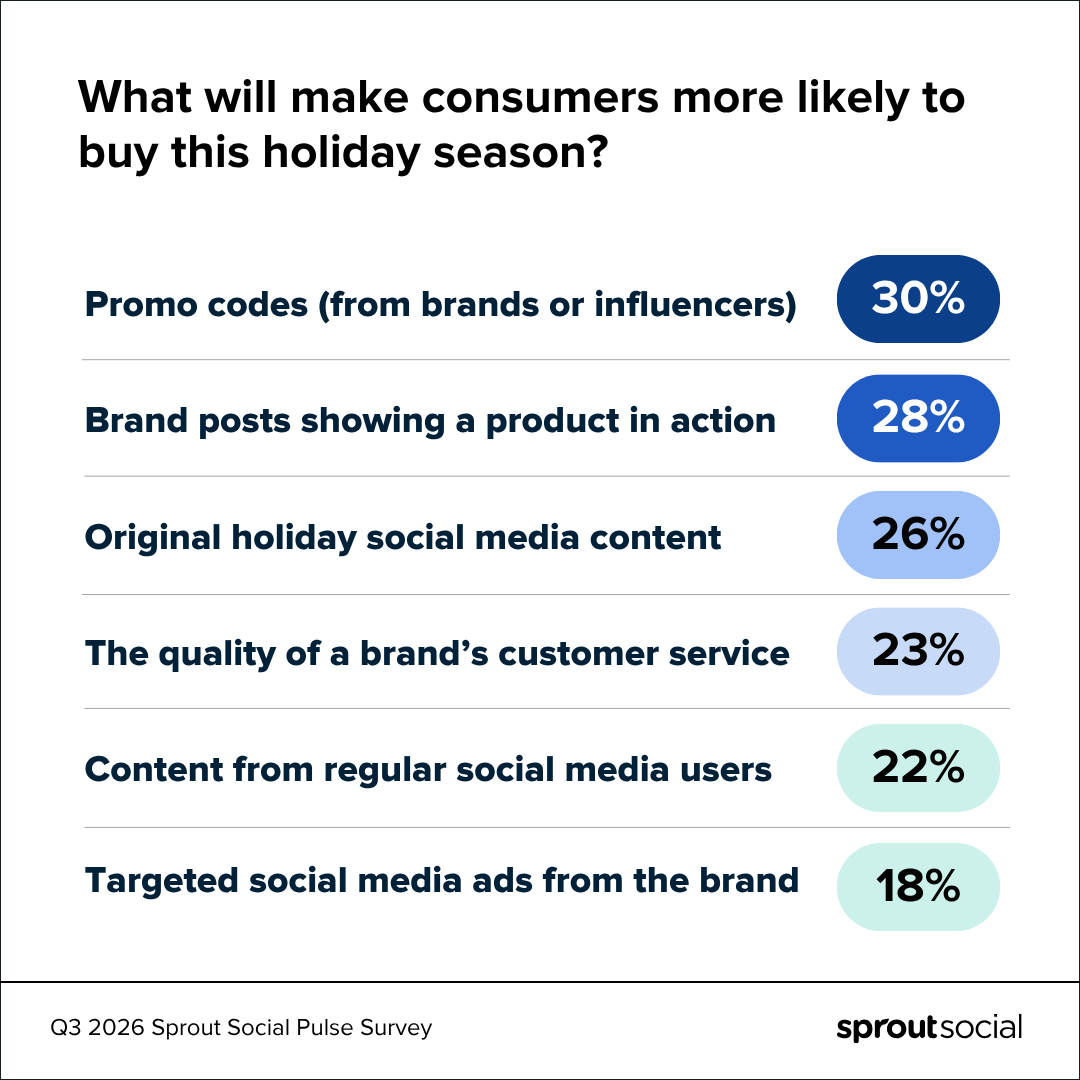
With consumer wallets constrained by broader economic headwinds, conversion strategies must pivot sharply toward tangible incentives. The primary catalyst for consumer action in the current retail environment is clear: financial pragmatism. Survey data indicates that 30% of shoppers are most effectively persuaded to buy when presented with dedicated promo codes, whether sourced directly from the brand or amplified through creator and influencer partnerships. This reliance on discounts underscores the price-conscious nature governing the 2026 holiday season, requiring brands to embed clear value propositions into every tier of their marketing funnel.
Beyond direct monetary incentives, consumers are demanding high-transparency content that demonstrates utility. Approximately 28% of shoppers report that seeing products actively in use—through functional demonstrations or practical reviews—makes them significantly more likely to complete a purchase. Furthermore, 23% are motivated by original, highly creative holiday-specific content that cuts through seasonal noise. This represents a distinct evolution from previous years when general user-generated content and baseline customer service metrics held top-tier influence.
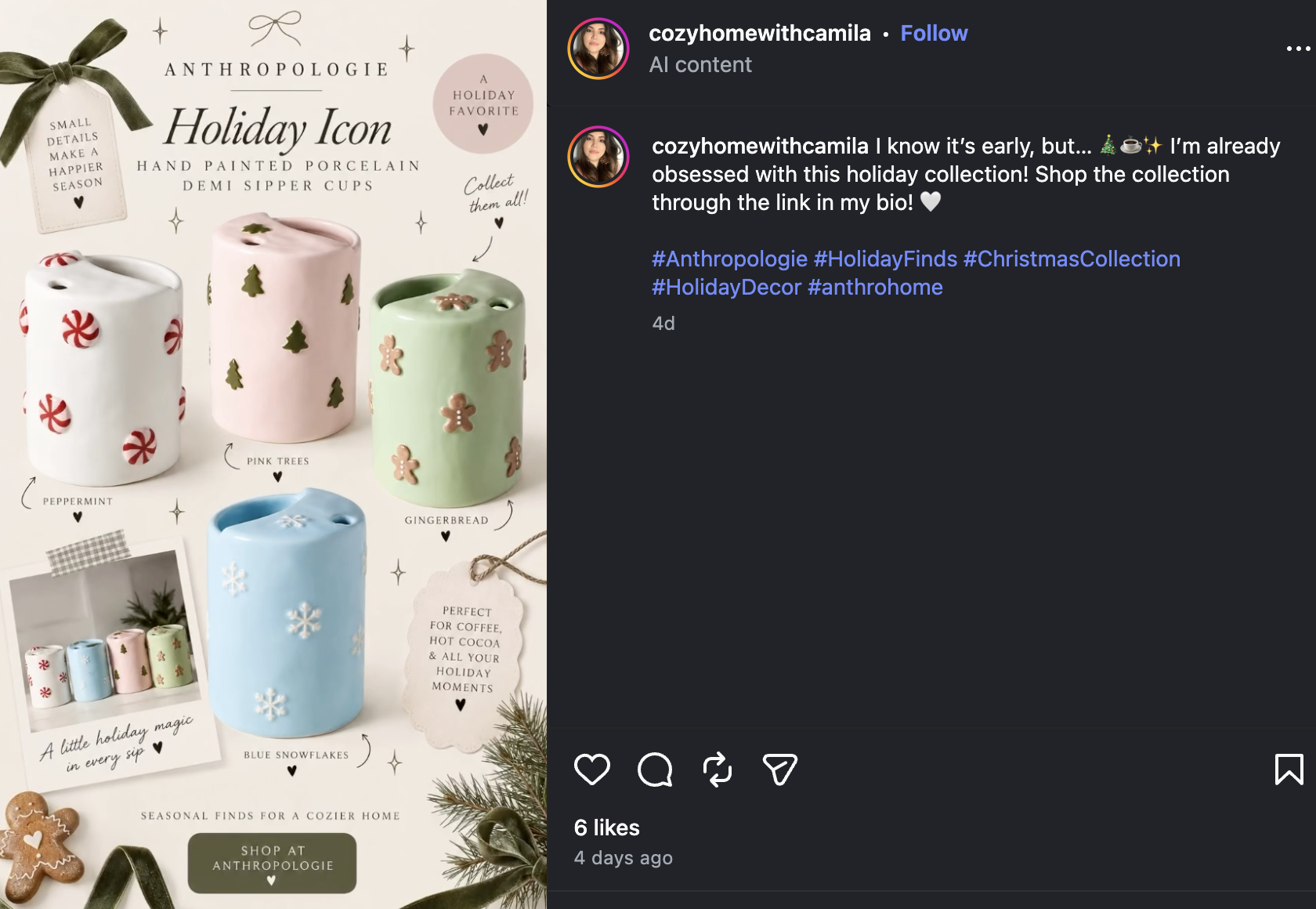
Industry experts note that creator partnerships represent the most efficient vehicle for addressing these demands simultaneously. By collaborating with influencers who can deliver authentic product demonstrations alongside exclusive discount codes, brands can effectively address the triad of consumer priorities: perceived value, functional clarity, and creative engagement.
Social Media as the Ultimate Discovery and Transaction Engine
The integration of social media into the foundational layers of consumer research has permanently altered product discovery. Social networks have long since transcended their origins as social connection platforms, operating instead as sophisticated, highly visual search engines. Recent behavioral metrics demonstrate that social search frequently outperforms traditional search engines when users seek experiential, peer-validated, or visually driven information, such as restaurant recommendations or product reviews.
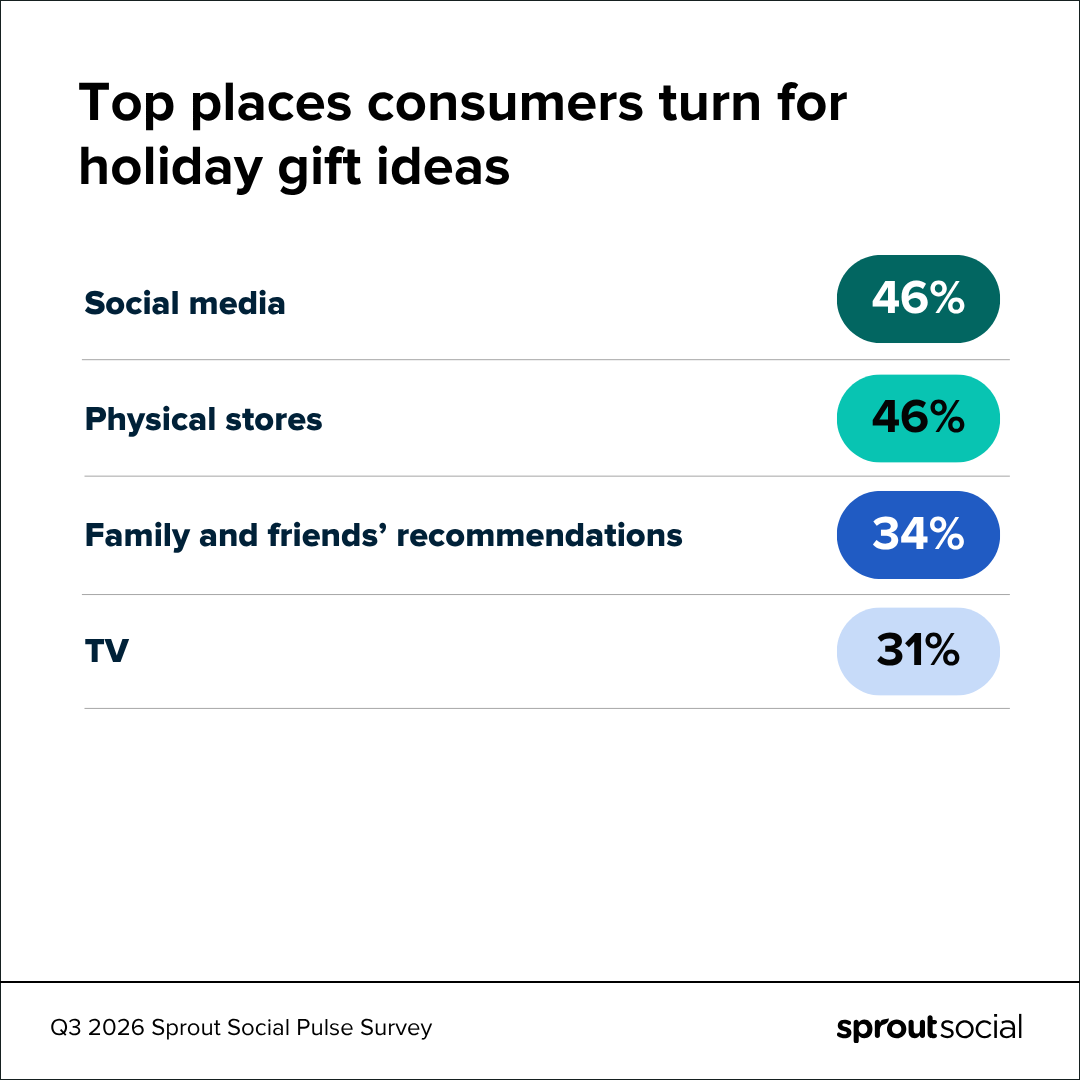
During the holiday season, this shift is pronounced. Social media now ties with physical retail stores as the single most popular destination for holiday gift discovery, with 46% of consumers turning to platforms like Instagram, TikTok, and Facebook for ideas. Among younger demographics—specifically Gen Z and Millennials—social media captures the definitive top spot, with at least half of these cohorts relying primarily on social feeds to curate their gift lists.
Crucially, discovery is no longer separated from conversion. The friction of the traditional e-commerce checkout has been largely dismantled by native shopping ecosystems. Platforms such as TikTok Shop, Instagram Checkout, and Facebook Shops enable consumers to transition seamlessly from inspiration to transaction without ever leaving the application. Over half of surveyed consumers express comfort with making direct purchases within social media environments during the holiday season, establishing in-app social commerce as a primary revenue driver for agile retailers.
The Customer Service Crucible: Speed, AI, and Social Channels
As the volume of digital transactions increases, the pressure on brand customer service infrastructure intensifies correspondingly. The Q3 2026 data indicates that 86% of consumers plan to utilize social media for customer service and support inquiries as much as, or more than, they did in previous years. The primary channels for these inquiries are TikTok (50%), Facebook (46%), and Instagram (44%), supplemented by messaging platforms like WhatsApp and legacy networks like X.
Direct messages remain the preferred communication vector for 55% of consumers across generations; however, public comment sections are increasingly utilized for support requests, with 31% of users opting to air inquiries or complaints openly. This trend introduces significant reputational stakes for retailers. Because public comments are visible to prospective buyers, unresolved service failures in social comment sections can rapidly damage brand equity during peak trading windows.
Consumer expectations regarding response times remain uncompromising. Approximately 70% of shoppers expect a definitive response from a brand within twenty-four hours of reaching out on social media, and 89% report that response speed directly influences their perception of brand reliability. To manage this high-velocity influx of inquiries during the holiday rush, retailers are increasingly turning to artificial intelligence solutions.
Public comfort levels with automated support are growing; approximately 70% of consumers (rising to 77% among Gen Z) are comfortable with brands employing AI to triage messages, analyze sentiment, and draft initial responses. Nevertheless, industry specialists caution against fully automated customer service deployments. To maintain the nuanced personalization that consumers expect, brands must maintain a strategic "human in the loop" approach—utilizing AI for behind-the-scenes triage and operational efficiency while delegating complex resolutions to trained human support teams. Proactive deployment of robust self-help resources and dynamic FAQ repositories can further mitigate social channel congestion before seasonal traffic peaks.
Strategic Implications for the Commercial Sector
The convergence of economic restraint, accelerated shopping timelines, and the complete institutionalization of social commerce defines the operational reality for the modern retail sector. Brands that achieve success during high-stakes shopping periods will be those that abandon rigid adherence to traditional calendar milestones and instead focus on delivering verifiable value, operational responsiveness, and seamless omnichannel journeys.
By optimizing content for social search, integrating transparent promotional mechanics through creator ecosystems, and fortifying customer care infrastructure with a balanced mix of automation and human oversight, commercial entities can navigate economic headwinds effectively. Ultimately, the 2026 holiday season serves as proof that social media is no longer merely a broadcast tool for seasonal campaigns; it is the central operating system of modern consumer behavior, dictating the trajectory of retail success well into the new year.