Digital Anarchy releases Beauty Box update 6.5 to enhance professional video retouching workflows with advanced machine learning capabilities.

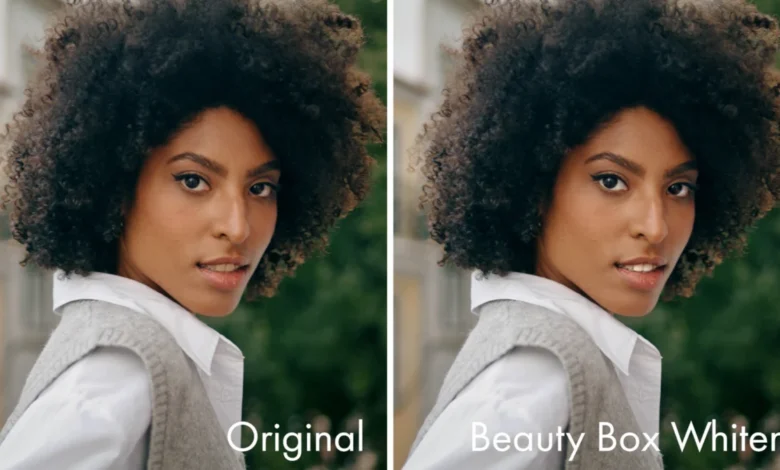
The release of Beauty Box v6.5 marks a significant milestone in the evolution of automated post-production tools. Digital Anarchy, a company long established in the visual effects and motion graphics software market, has officially rolled out the latest iteration of its flagship skin retouching software. This update is particularly noteworthy for its integration of localized machine learning models designed to handle specific aesthetic adjustments—most notably eye and teeth whitening—directly within the host application’s timeline.
For video editors, colorists, and post-production specialists working in high-pressure environments, the demand for high-quality, real-time retouching has never been higher. Beauty Box has historically served as an industry standard for smoothing skin textures and removing unwanted sheen while preserving the essential details of a subject’s face. With version 6.5, the developers have shifted focus toward augmenting these traditional algorithmic capabilities with modern artificial intelligence, effectively bridging the gap between automated correction and manual fine-tuning.
A Chronological Evolution of Beauty Box
To understand the significance of the 6.5 update, it is necessary to look at the progression of Digital Anarchy’s suite. Beauty Box was originally developed to address the time-consuming nature of frame-by-frame retouching. In the early 2010s, post-production artists were largely reliant on manual masks and frame-by-frame keyframing to track skin tones. The initial release of Beauty Box introduced automated face tracking and skin tone masking, which reduced the average retouching time per project by hours, if not days.
Over the last decade, the software has evolved through several major iterations. Version 4.0 brought significant improvements in GPU acceleration, while 5.0 focused on refining the skin-smoothing algorithms to prevent the "plastic" look often associated with early digital beauty filters. The current release, v6.5, represents the first major integration of dedicated machine learning inference engines that do not rely on external cloud processing. By keeping the computational load local, Digital Anarchy is targeting the security-conscious professional—those who work in corporate, legal, or high-end commercial environments where uploading sensitive video footage to third-party cloud servers is strictly prohibited.
Technical Breakthroughs: The New Inference Engine
The core technical achievement of Beauty Box v6.5 is its new, faster GPU inference engine. Modern video editing workflows—ranging from DaVinci Resolve color suites to Adobe Premiere Pro editorial timelines—demand that plugins operate with minimal latency. By optimizing the software to run local AI inference, Digital Anarchy ensures that the rendering process remains tied to the local machine’s hardware, such as NVIDIA’s CUDA or Apple’s Metal architectures.
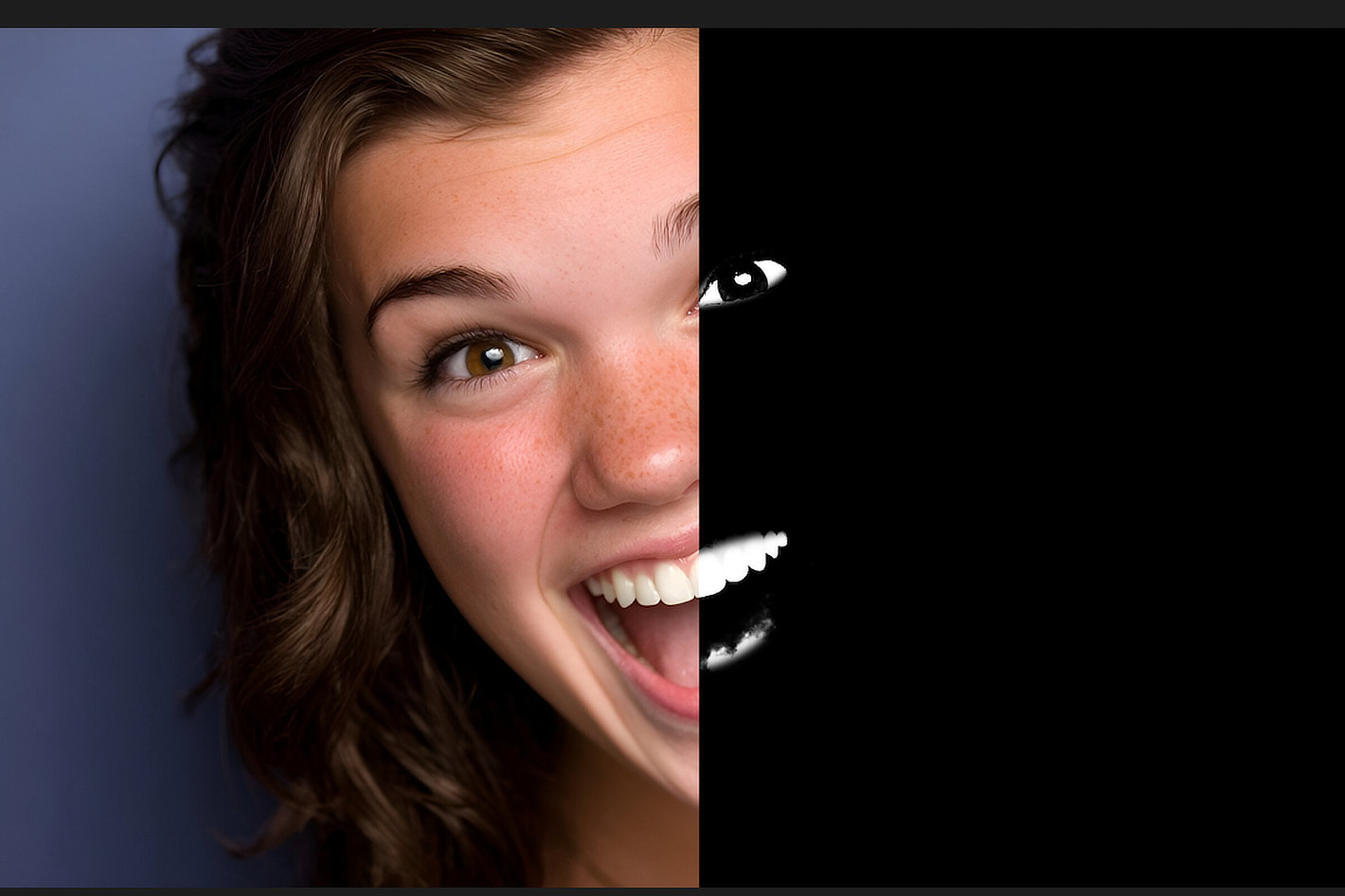
The introduction of machine learning for eye and teeth whitening is a strategic move to address the most common retouching requests in beauty and fashion cinematography. Previously, these adjustments required separate, manual power-windows or masks, which often needed to be adjusted as the subject moved or changed expressions. By automating the identification of these specific features through an AI model, the software identifies the white of the eye and the teeth, applying adjustments that are context-aware. This reduces the need for the editor to manually draw masks, thereby streamlining the "beauty pass" in a professional color grade.
Industry Implications and Workflow Efficiency
The professional post-production industry is currently navigating a transitional period where AI-driven tools are being integrated into traditional NLE (Non-Linear Editing) environments. The primary concern for studios has always been the "black box" nature of cloud-based AI. If a studio uploads a proprietary commercial to a cloud service for processing, they risk intellectual property leaks or data privacy violations.
By emphasizing that all Beauty Box 6.5 features run locally, Digital Anarchy is positioning itself as a "pro-first" vendor. This approach addresses the concerns of major broadcast networks and high-end advertising agencies that require zero-trust security environments. Furthermore, the efficiency gains here are quantifiable. In an industry where the billable rate of a senior editor can exceed $500 per hour, a tool that cuts the time required for facial retouching by 30 to 50 percent offers a tangible return on investment.
Compatibility and Ecosystem Integration
Digital Anarchy has maintained its commitment to multi-platform compatibility. The v6.5 update is designed to integrate natively with the most prevalent software packages in the industry:
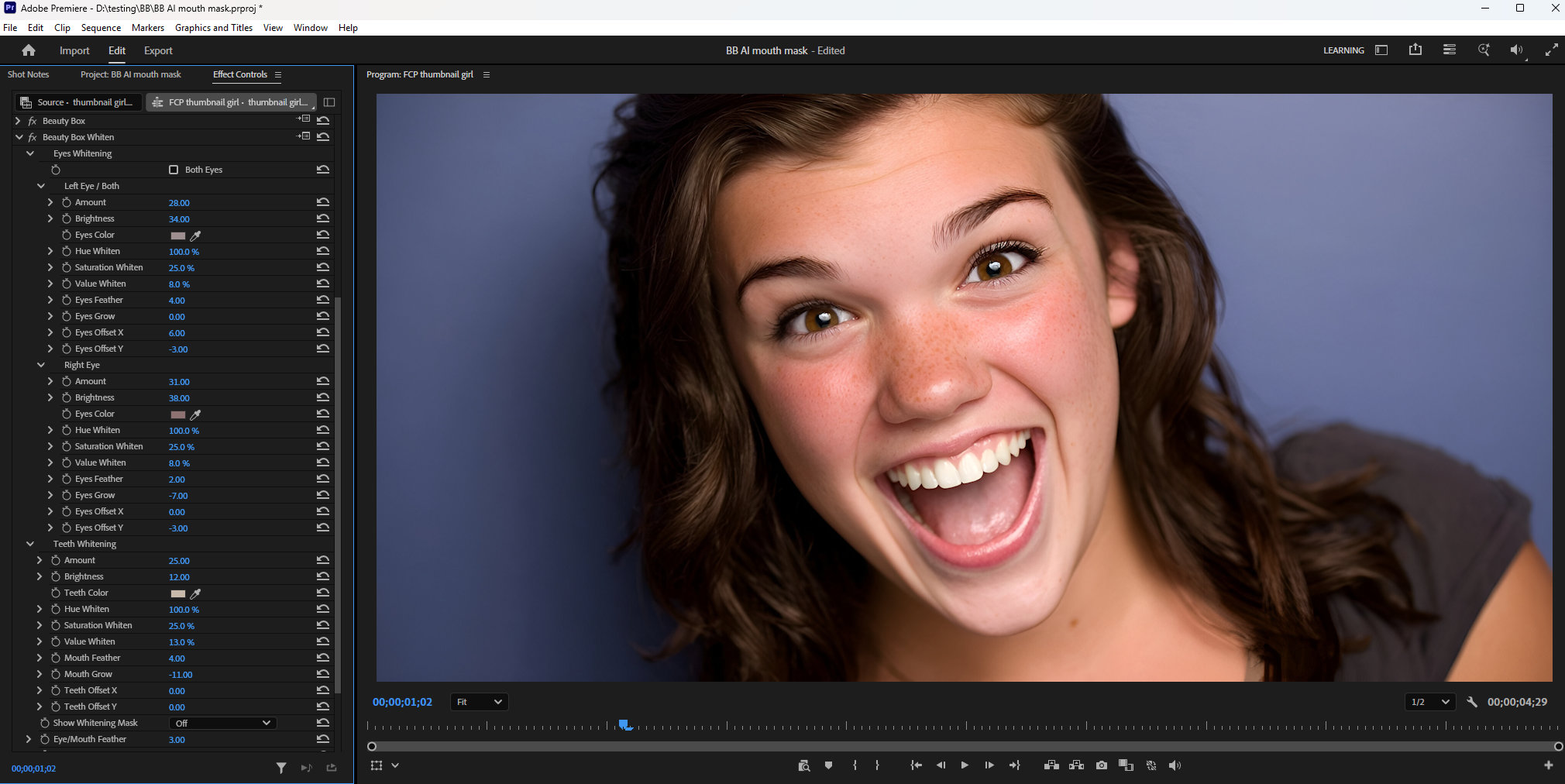
- Adobe Premiere Pro: Seamless integration via the Effects panel.
- Adobe After Effects: Full support for complex compositing workflows.
- Blackmagic Design DaVinci Resolve: Allowing colorists to apply skin treatments as part of the color pipeline.
- Apple Final Cut Pro: Optimized for macOS performance.
- Avid Media Composer: Maintaining its presence in high-end television and film editorial.
By ensuring the plugin works across these platforms, Digital Anarchy avoids locking users into a single NLE ecosystem, a factor that is critical for freelancers and small boutique production houses that may switch software depending on the client’s requirements.
Pricing and Subscription Models
The release strategy for version 6.5 reflects a dual approach to customer acquisition. For those who prefer the traditional perpetual license model, the software is available for $199.00 USD. For existing users, the barrier to entry is lowered, with upgrade paths priced at $99.00 for those coming from version 5.0 and $149.00 for those on earlier builds.
However, the more significant shift is the "Anarchy Cloud" subscription model. This subscription, which provides access to the entire Digital Anarchy suite, is clearly aimed at high-volume content creators who require access to a wide array of tools—including those for flicker reduction, transitions, and text-based editing—without the upfront capital expenditure of multiple individual licenses. The availability of two tiers suggests that the company is attempting to scale its offerings to suit both individual solo creators and larger production firms.
Future Perspectives on AI in Post-Production
The trajectory of Beauty Box 6.5 suggests a broader trend in the software industry: the "democratization of high-end retouching." Features that were once the exclusive domain of high-budget feature film visual effects houses are now becoming standard tools for everyday content creators.
Looking forward, the industry expects further integration of neural networks into video software. As the models become more accurate at identifying features—such as skin blemishes, hair flyaways, or even background distractions—the role of the editor will shift from manual laborer to creative director of the software’s output. The reliance on local inference engines, as established by this release, will likely become the industry standard for any professional-grade plugin.
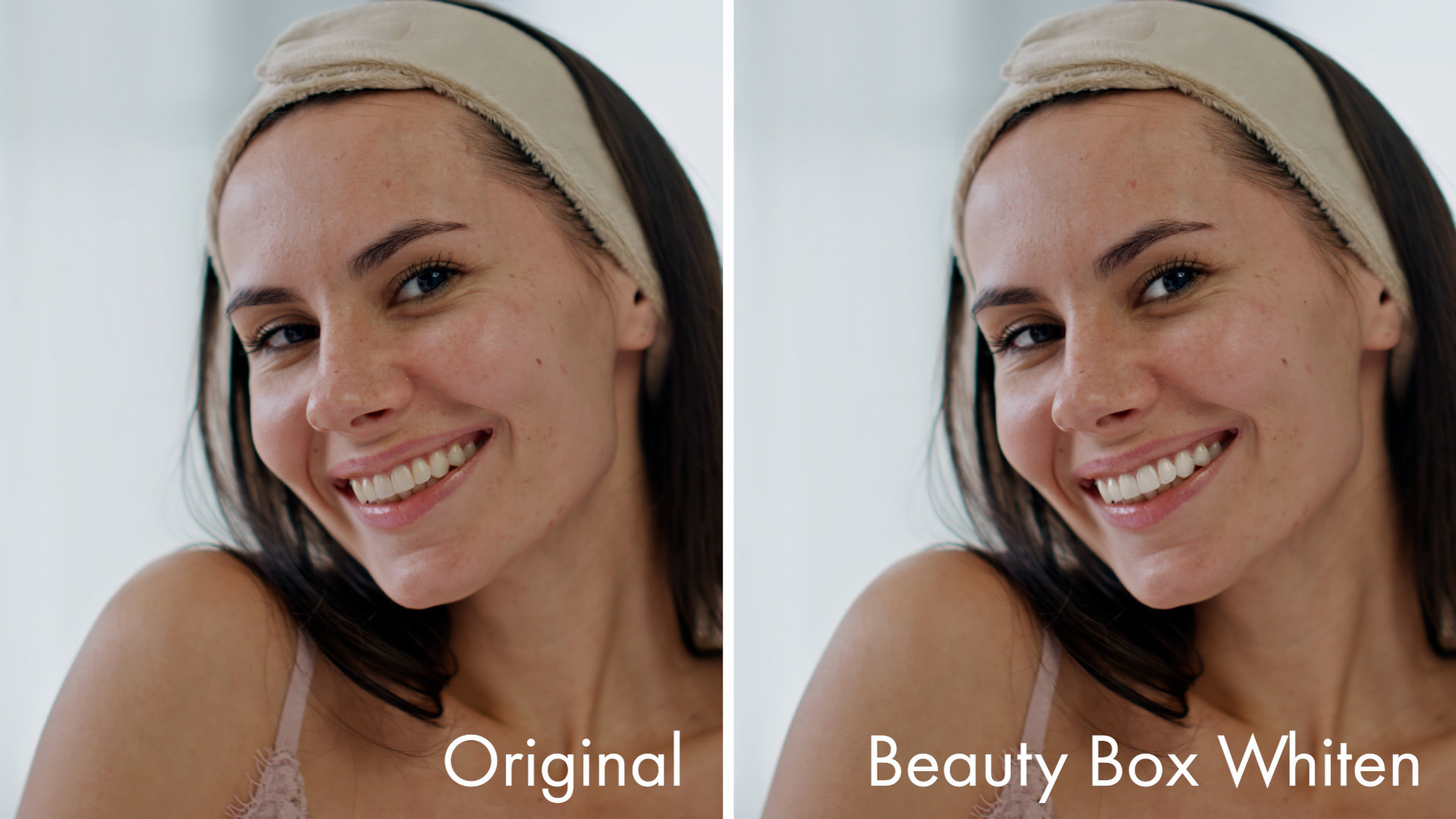
Digital Anarchy has clearly signaled that their roadmap involves a delicate balance between aggressive AI innovation and the preservation of manual control. By allowing the editor to decide the intensity of the AI-driven whitening, they provide a safety valve that ensures the final image remains natural rather than synthetic.
In summary, the release of Beauty Box v6.5 is more than just a feature update; it is an endorsement of the local-AI-first philosophy in post-production. By providing faster, secure, and more intelligent tools, Digital Anarchy continues to support the high-speed requirements of modern digital cinema, ensuring that professional polish remains accessible within the tight delivery windows that define the contemporary media landscape. Whether for high-end commercials, television dramas, or corporate communications, the toolset provided in this version represents a refined evolution in the craft of digital aesthetics.
Related posts: