
Walt Disney World Reaches New Era For Genie Thats Even More Of A Pain
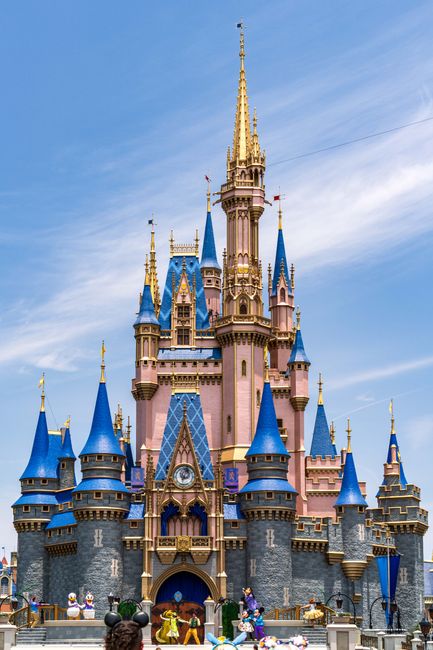
Walt Disney World Reaches New Era for Genie: Even More of a Pain
The long-awaited overhaul of Walt Disney World’s Genie and Genie+ systems has officially arrived, ushering in what can only be described as a new era for the paid skip-the-line service. Unfortunately for parkgoers seeking efficiency and value, this new era is shaping up to be even more of a pain than its predecessor, exacerbating existing frustrations and introducing novel layers of complexity and disappointment. Gone is the relatively straightforward, albeit flawed, pricing model; in its place is a dynamic, multi-tiered system that demands constant vigilance, strategic planning bordering on professional-level analysis, and a significant increase in the potential for unforeseen expenditure. This isn’t an evolution towards seamless park navigation; it’s a tightening of the screws, a further commercialization of the magical experience that leaves many guests feeling squeezed and underserved. The promise of an "enhanced" experience rings hollow when the primary enhancement is to the anxiety and financial burden placed upon the average Disney World visitor.
The core of the problem lies in the fundamental shift from a single price for Genie+ across all parks to a variable pricing structure. Previously, a set fee granted access to Lightning Lane selections for attractions participating in the Genie+ system throughout the day. This provided a degree of predictability. Now, the price of Genie+ fluctuates daily, and more significantly, on an attraction-by-attraction basis for Individual Lightning Lane (ILL) selections. This means that a guest might pay one price for Genie+ on a Monday, only to find it significantly higher on a Tuesday, even for the same set of attractions. The rationale presented by Disney – that pricing will be influenced by demand and crowd levels – sounds sensible on the surface but translates into a constant need for guests to check prices, compare options, and make snap decisions that can dramatically impact their budget. This dynamic pricing introduces a level of financial uncertainty that is antithetical to the carefree vacation experience Disney purports to offer. Families on a budget are now faced with the unenviable task of not just budgeting for park tickets and accommodation, but also for a fluctuating daily expense that can easily double or triple depending on the specific rides they wish to prioritize. The "magic" of Disney is increasingly being overshadowed by the cold, hard calculus of maximizing return on investment for the guest, a concept that should have no place in a theme park.
The introduction of a "per-attraction" pricing model for Individual Lightning Lane selections is perhaps the most egregious aspect of the new system. Previously, a limited number of high-demand rides were available for separate purchase via ILL, with a single price point per ride. Now, the prices for these select attractions can vary not only by day but also by the specific ride itself. A highly sought-after attraction like "Star Wars: Rise of the Resistance" might command a premium price, while another popular ride might be priced lower. This creates a confusing, multi-layered decision-making process. Guests must not only decide if they want to pay for an ILL but also which ILLs are "worth" the price, and how many they can realistically afford. This necessitates extensive pre-trip research and constant in-park monitoring of prices, turning what should be a spontaneous and enjoyable experience into a stressful logistical exercise. Furthermore, the availability of these ILL slots can be highly competitive, meaning that even if a guest is willing to pay the premium, they may still find themselves shut out due to demand. This not only adds to the financial burden but also creates a sense of inequity, where those with deeper pockets and more time for research have a distinct advantage. The promise of a more personalized experience is undermined by a system that incentivizes exclusivity and financial gatekeeping.
The interface and user experience of the My Disney Experience app, which is the sole portal for accessing Genie and Genie+ services, remains a significant pain point. Despite the system’s overhaul, the app still suffers from lag, frequent crashes, and a confusing layout. Navigating through the different tiers of Genie+, understanding the booking windows for Lightning Lane selections, and attempting to make ILL purchases can be a frustrating ordeal, especially during peak park hours when the app is under immense strain. The constant need to refresh the app to check for new Genie+ availability or to secure an ILL slot adds an unnecessary layer of digital friction. This is compounded by the fact that the booking windows for Lightning Lane selections are often very tight and can disappear within minutes of becoming available. The user interface does little to streamline this process; instead, it often feels like a race against the clock with a clunky and unreliable tool. For guests who are not tech-savvy or are experiencing the system for the first time, the app can be an insurmountable barrier to fully utilizing the paid services, leading to a sense of being overcharged for a service they cannot effectively access. The idea that this enhanced system is supposed to simplify parkgoing is a gross misrepresentation when the primary tool for its use is so prone to failure.
The impact of these changes on overall park capacity and guest experience is also a growing concern. While Disney frames these systems as ways to manage crowds and improve wait times, the reality for many guests is that the most desirable attractions remain perpetually crowded, and the "standby" lines are often astronomically long, even for less popular rides. The prioritization of paid Lightning Lane access further exacerbates this disparity, creating a bifurcated park experience where those who pay more essentially bypass the queues that everyone else is left to endure. This can lead to resentment and a diminished sense of shared experience. Moreover, the constant focus on maximizing Lightning Lane bookings can lead to guests rushing from one attraction to the next, desperately trying to get their money’s worth, rather than taking the time to truly enjoy the park and its atmosphere. The immersive magic of Disney is sacrificed for a frantic pursuit of rides, all driven by the pressure to justify the increasing costs associated with park admission and the supplementary services. The "new era" of Genie seems to be an era of hurried, anxious touring rather than relaxed enjoyment.
The communication and transparency surrounding the new Genie system have also been lacking. While Disney announces these changes with positive spin, the practical implications and potential pitfalls are often downplayed or ignored. Guests are left to discover the true extent of the complexity and cost through trial and error, often after they have already committed to their vacation plans. The marketing materials rarely highlight the dynamic pricing, the per-attraction ILL costs, or the potential for the system to feel overwhelming. This lack of upfront honesty breeds distrust and further contributes to the perception that Disney is prioritizing profit over guest satisfaction. The "enhanced" experience is being sold without a clear understanding of the true operational and financial demands it places on the consumer, leading to disappointment and a feeling of being misled.
The overarching sentiment is that the new era of Genie at Walt Disney World is not an improvement but a further complication and financial strain on parkgoers. The promise of efficiency and convenience has been replaced by a system that demands constant attention, significant financial flexibility, and a tolerance for technological glitches and confusing pricing models. Instead of a magical shortcut, Genie has evolved into a demanding taskmaster, stripping away spontaneity and adding layers of stress to an already expensive vacation. The "pain" associated with Genie has not been alleviated; it has been amplified, creating a less enjoyable and more financially burdensome experience for the vast majority of Walt Disney World visitors. The continued push towards these paid skip-the-line options, particularly with the added complexity of dynamic and per-attraction pricing, suggests a clear trajectory: Disney is prioritizing revenue generation through tiered access, and the traditional park experience is becoming increasingly secondary for those unwilling or unable to pay premium prices. This new era of Genie is less about enhancing magic and more about monetizing every moment of a guest’s visit, a decidedly less enchanting prospect.
