
The Last Of Us Creator Explains The Practicalities Of Living During A Zombie Apocalypse And Fans Are Applauding The Series For Showing It
The Last of Us Creator Explains the Grueling Realities of Zombie Apocalypse Survival, and Fans Are Hailing the Series for its Unflinching Portrayal
Neil Druckmann, co-creator and executive producer of the critically acclaimed HBO series The Last of Us, has consistently emphasized the franchise’s commitment to realism, even within its fantastical premise of a fungal pandemic turning humans into aggressive, mutated creatures. This dedication to grounding the apocalypse in practical, often brutal, realities is a cornerstone of the series’ success and has resonated deeply with fans, who have widely applauded its unflinching depiction of survival. Druckmann and the writing team have meticulously considered the day-to-day challenges, the psychological toll, and the logistical nightmares that would plague survivors in a world overrun by the Infected.
One of the most striking aspects of The Last of Us is its refusal to romanticize the apocalypse. Instead, it presents a world where basic necessities become luxuries, and every decision carries life-or-death consequences. Druckmann has spoken extensively about the research and thought that went into these practical considerations. For instance, the scarcity of resources is not merely a plot device but a fundamental driver of the narrative. Food, clean water, medicine, and shelter are constantly in short supply, forcing characters into desperate measures. This isn’t a world of readily available MREs and conveniently placed survival caches. Instead, characters meticulously scavenge through abandoned buildings, risking encounters with both the Infected and other desperate survivors. The act of finding a can of beans or a half-used bottle of antibiotics becomes a small but significant victory, highlighting the precariousness of their existence.
The series also excels at showcasing the sheer physicality and grueling nature of survival. Joel Miller, the grizzled protagonist, isn’t a super-soldier with boundless stamina. He’s a man pushed to his physical limits, often suffering from injuries, exhaustion, and the debilitating effects of constant stress. The show depicts the wear and tear on his body – the limps, the grunts of exertion, the sheer effort required to move heavy objects or traverse difficult terrain. This physical realism extends to the clothing and gear his characters wear. There’s no pristine tactical gear or perfectly tailored survival suits. Instead, their clothes are worn, patched, and functional, reflecting the limited ability to replace or repair them. The grime and wear on their boots, the rips in their jackets, all contribute to the lived-in, desperate feel of their world.
Druckmann has often highlighted the importance of practical skills in this new world order. It’s not just about combat; it’s about knowing how to purify water, start a fire without matches, fashion rudimentary weapons from scrap, and mend clothing and equipment. The show subtly weaves these skills into the narrative, showing characters engaging in these essential activities not as flashy displays of expertise but as necessary steps for their continued survival. Ellie’s resourcefulness, for example, often stems from her upbringing in quarantine zones where such knowledge was vital. Her ability to craft items, her keen eye for useful objects, and her understanding of basic mechanics are all depicted as learned survival traits, not innate superpowers.
The psychological toll of living in a constant state of fear and loss is another area where The Last of Us shines, and it’s something Druckmann has consciously prioritized. The characters are not stoic, unfeeling machines. They are deeply affected by the violence they witness and inflict, the friends and loved ones they lose, and the constant threat of death. The show explores the trauma, the paranoia, and the erosion of their humanity. Joel’s gruff exterior and his initial reluctance to form attachments are direct consequences of past losses. Ellie’s youthful cynicism and her moments of profound sadness are a testament to the world she’s known her entire life. The series doesn’t shy away from depicting the emotional scars, the nightmares, and the moments of profound despair that are an inevitable part of surviving such an ordeal.
Fans have particularly lauded the series for its depiction of how society would realistically fracture and reconfigure. The initial collapse of civilization is depicted as chaotic and brutal, followed by the emergence of various factions and power structures. The quarantine zones, run by the military, represent a desperate attempt at order, but they are also shown to be oppressive and restrictive. The introduction of groups like the Fireflies, with their own ideologies and methods, showcases the complex and often conflicting approaches to rebuilding or resisting. Furthermore, the presence of raider groups, like the ones encountered by Joel and Ellie, illustrates the darker side of human nature when the rule of law dissolves, and survival becomes paramount, often at the expense of others. The series doesn’t offer easy answers about who the "good guys" are; instead, it presents a morally ambiguous landscape where survival often dictates difficult choices.
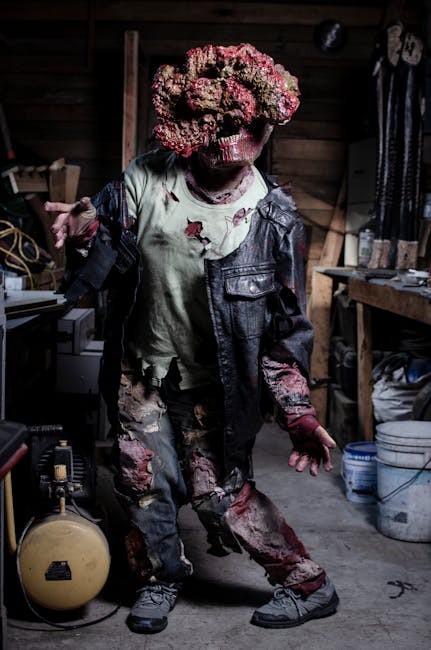
The mechanics of the Infected themselves are also presented with a degree of scientific plausibility, albeit within the realm of fiction. The fungal infection, caused by a mutated strain of Cordyceps, is a key element. Druckmann and the creative team have been clear that they wanted the infection to feel like a genuine biological threat, not just a convenient plot device for monster encounters. The stages of infection, from the initial "Runner" phase to the more advanced "Clicker" and "Bloater" stages, are depicted with a chilling progression. The loss of sight in the Clickers, compensated by echolocation, is a fascinating and terrifying evolutionary adaptation. The spores, a significant threat in the games, are also addressed, forcing characters to wear gas masks, adding another layer of practical consideration and tension to their excursions. The series’ decision to translate the spore mechanic into a more atmospheric and environmentally hazardous threat for the show, while still retaining some direct transmission methods, has been lauded for its cinematic effectiveness while still respecting the source material’s established dangers.
The concept of "making do" is pervasive throughout The Last of Us. Characters are constantly improvising and adapting. A broken-down vehicle becomes a temporary shelter. A sharp piece of metal can be fashioned into a makeshift knife. A torn piece of fabric can be used to tie something down or as a bandage. This ingenuity born out of necessity is a crucial element of their survival. It’s a stark contrast to the disposable culture of the pre-apocalypse world, where convenience often trumped durability and repairability. The show’s attention to detail in this regard, from the way characters use salvaged materials to the worn-out tools they employ, reinforces the theme of resourcefulness and the value of every salvaged item.
The long-term implications of such a catastrophic event are also subtly explored. The show touches upon the loss of knowledge, the breakdown of infrastructure, and the slow, arduous process of rebuilding anything resembling a stable society. The characters’ interactions with remnants of the old world – abandoned books, decaying technology – serve as poignant reminders of what has been lost and the immense challenge of regaining it. The hope that groups like the Fireflies represent, however flawed their methods, highlights the human desire to not just survive but to rebuild and to find meaning in a world shattered by catastrophe.
Fans’ appreciation for the series’ commitment to realism stems from a desire for narratives that acknowledge the harsh realities of survival, even in fictional scenarios. Instead of presenting a world where protagonists effortlessly overcome every obstacle, The Last of Us offers a portrayal of struggle, sacrifice, and resilience. The authenticity of the characters’ experiences, their vulnerabilities, and their triumphs makes them more relatable and their journey more compelling. This grounded approach not only makes the world of The Last of Us feel more believable but also elevates it beyond typical zombie fare, offering a profound exploration of human nature under extreme duress. The series’ dedication to depicting the practicalities of living during a zombie apocalypse, from the mundane act of finding clean water to the immense psychological burden of constant fear, is precisely why fans are so vocally applauding its unflinching and masterful execution.
