U.S. Premiere of Kim Novak’s Vertigo at Palm Springs International Film Festival

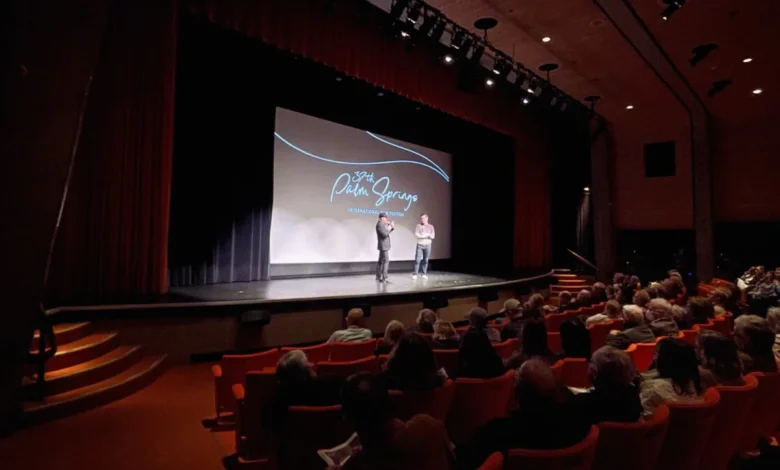
The 37th annual Palm Springs International Film Festival served as the prestigious backdrop for the highly anticipated United States premiere of Alexandre O. Philippe’s documentary feature, Kim Novak’s Vertigo. Hosted at the intimate and architecturally renowned Annenberg Theater inside the Palm Springs Art Museum, the screening brought together cinephiles, industry professionals, and festival attendees for an in-depth exploration of one of cinema’s most enduring psychological masterpieces. The event marked a significant cultural moment for the desert festival, which has increasingly positioned itself as a key destination for innovative documentary storytelling that bridges classical Hollywood history with contemporary cinematic analysis.
Director Alexandre O. Philippe, known for his distinct approach to deconstructing iconic films—such as 78/52, which dissected the famous shower scene in Alfred Hitchcock’s Psycho, and Memory: The Origins of Alien—once again demonstrated his unique ability to unpack the layers of cinematic history. Kim Novak’s Vertigo offers viewers a profound reassessment of Hitchcock’s 1958 psychological thriller, centering its lens through the distinct perspective and lived experience of its legendary leading lady, Kim Novak. Rather than approaching the film solely through the director’s lens, Philippe’s documentary reclaims the narrative, exploring how Novak’s performance, physical transformation, and personal vulnerability fundamentally shaped the haunting atmosphere of Vertigo.
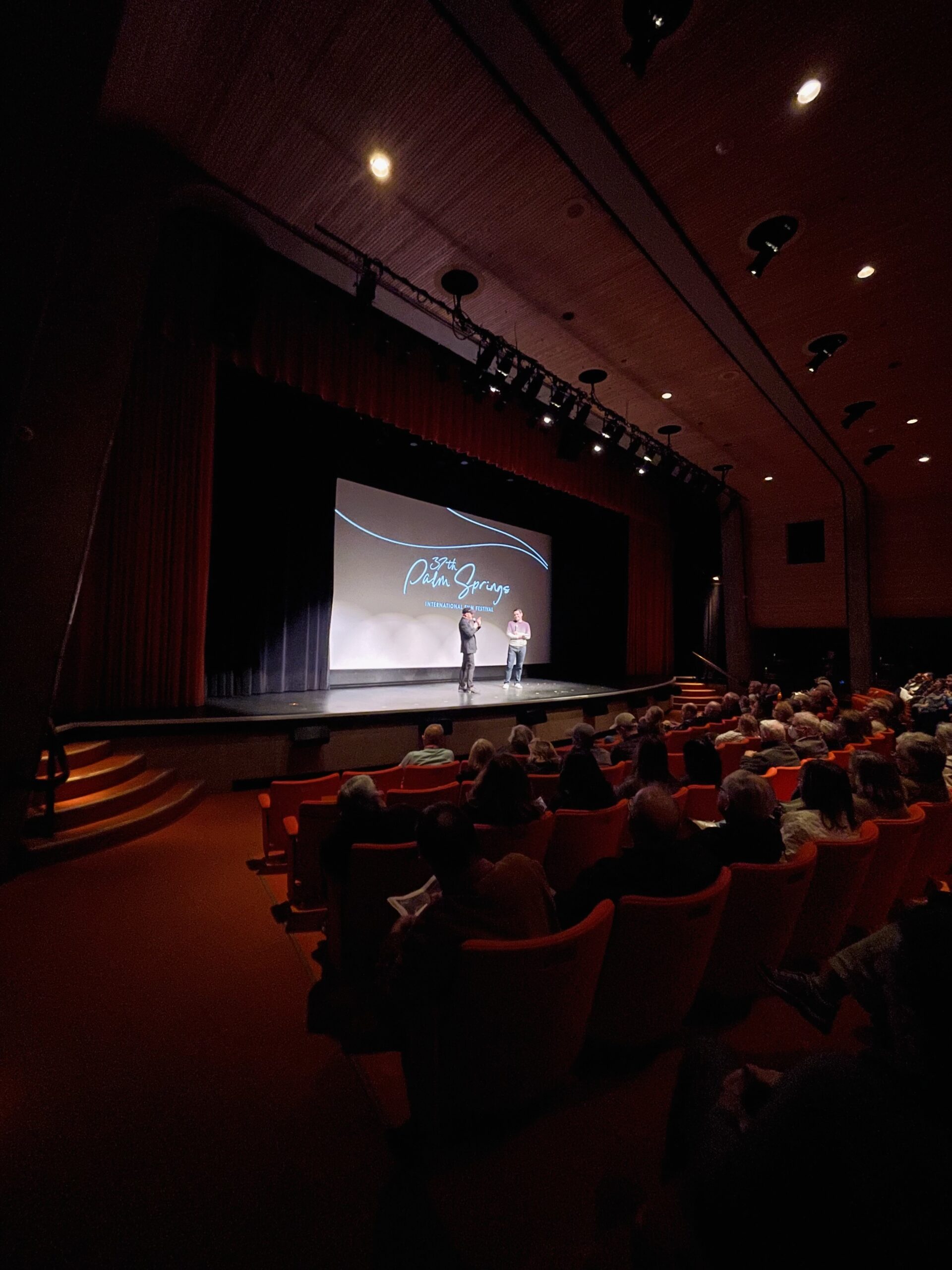
The screening drew substantial crowds, reflecting the enduring legacy of both the original film and the Palm Springs International Film Festival itself. Founded in 1990 by then-mayor Sonny Bono, the festival has grown over nearly four decades into one of the largest and most influential film events in North America. Known historically for its strategic positioning ahead of the Academy Awards nomination window, the festival regularly attracts Hollywood’s elite, major international filmmakers, and tens of thousands of film enthusiasts. Showcasing a project like Kim Novak’s Vertigo at the Annenberg Theater underscores the venue’s reputation as a premier cultural hub capable of housing sophisticated, multi-layered cinematic retrospectives.
Following the screening, the audience was treated to an engaging and illuminating post-screening Q&A session. Moderated by Dave Karger, the prominent host and special correspondent for Turner Classic Movies (TCM), the discussion offered rare behind-the-scenes insights into the painstaking creative process required to bring the documentary to life. Karger, widely respected for his deep knowledge of cinema history and his ability to draw out thoughtful reflections from filmmakers, guided a conversation that shed light on the technical and artistic choices made by Philippe and his editorial team.
During the discussion, Philippe detailed the intricate methodology behind constructing the film’s narrative arc. Central to this process was the seamless integration of diverse media formats. The director explained how archival footage from the golden age of Hollywood was juxtaposed with contemporary visual elements to create a bridge between the past and the present. Crucially, the documentary incorporates Kim Novak’s own personal voice notes, providing a direct, unfiltered auditory channel for the actress to articulate her thoughts on the grueling studio system, her collaboration with Hitchcock, and the complex psychological toll of embodying the dual roles of Madeleine Elster and Judy Barton.

This multi-modal storytelling technique allowed the documentary to move beyond standard retrospective fare, transforming into an intimate dialogue between the actress and her cinematic legacy. Industry attendees and critics in the audience noted how the inclusion of Novak’s personal reflections reframes Vertigo not merely as a masterclass in suspense and technical filmmaking, but as a deeply human document regarding the pressures placed on female performers within mid-century studio structures.
The reception of Kim Novak’s Vertigo at the Palm Springs International Film Festival highlights a broader, ongoing shift in film criticism and documentary filmmaking. In recent years, cultural discourse has increasingly prioritized the re-evaluation of classic cinema through the perspectives of marginalized or overlooked figures—most notably the actresses who were often relegated to the status of cinematic muses without receiving full recognition for their collaborative contributions to character development. Philippe’s documentary aligns with this critical movement, offering a corrective lens that honors Novak’s artistic autonomy and psychological investment in the role.
For the Palm Springs International Film Festival, the successful U.S. premiere of the documentary further cements its standing as a vital platform for cinema-focused nonfiction works. While the festival is globally recognized for presenting the year’s top international feature film submissions for Academy Award consideration, its documentary programming has consistently provided audiences with cerebral, deeply researched explorations of art, culture, and media history.

Industry observers have noted that films like Kim Novak’s Vertigo hold significant long-term value for educational institutions, film archives, and streaming platforms dedicated to classic cinema preservation. By deconstructing the visual motifs of Vertigo—such as the iconic rotating camera movements representing acrophobia, the use of color theory, and Bernard Herrmann’s mesmerizing score—Philippe’s work provides a companion piece that deepens the viewer’s appreciation of the original 1958 text.
As the film prepares for broader distribution following its festival run, early responses from critics and attendees suggest it will find a receptive audience among both dedicated Hitchcock scholars and general fans of classic Hollywood cinema. The combination of Alexandre O. Philippe’s analytical filmmaking style, Dave Karger’s insightful moderation, and the powerful, firsthand testimony of Kim Novak herself ensures that the documentary will remain a pivotal text in contemporary film discourse.
The U.S. premiere at the Annenberg Theater thus stands as a defining highlight of the 37th annual Palm Springs International Film Festival, demonstrating the enduring power of cinema to provoke dialogue, challenge historical narratives, and honor the artists who defined the silver screen. As audiences await wider availability, the event has firmly established Kim Novak’s Vertigo as an essential cinematic achievement of the year, bridging past and present to offer a definitive look at a timeless masterpiece.