Overcoming Camera Shyness for Digital Creators: A Systems-Based Approach to Content Production


The prevailing advice dispensed to aspiring digital creators grappling with on-camera anxiety—often summarized as "just be yourself"—frequently fails to address the underlying psychological and logistical barriers to performance. For the modern creator, the discomfort associated with public performance is rarely a matter of personality; rather, it is a byproduct of decision overload, technical intimidation, and a lack of structured, repeatable processes. Industry analysis indicates that the most successful channels are built upon the foundation of consistent, scalable systems rather than spontaneous, improvised talent. By shifting the focus from performance-based anxiety to logistical optimization, creators can mitigate the fear of the lens and establish a sustainable long-term workflow.
The Psychology of Performance and the Myth of the Introverted Creator
Data from creator economy summits suggest that a significant majority of full-time, high-performing YouTube creators identify as introverts. The perceived need for an extroverted, high-energy persona is largely a stylistic choice rather than a prerequisite for platform growth. In many cases, the "on-camera personality" witnessed by audiences is a manufactured result of rigorous editing, multiple takes, and established production formats.
Research into audience retention metrics reveals that viewers abandon videos primarily due to poor topic selection or protracted introductions, rather than a lack of on-camera exuberance. Consequently, creators who prioritize the structural integrity of their content—ensuring a compelling hook and a rapid delivery of value—frequently outperform those who focus exclusively on their own stage presence. The implication is clear: technical and structural competency often serves as a more reliable engine for growth than personality-driven content.
Establishing a Standardized Production Workflow
A primary contributor to performance anxiety is the cumulative weight of micro-decisions made immediately before filming. Lighting angles, microphone positioning, lens selection, and frame composition represent a significant cognitive load that drains the mental energy required for effective communication. To counteract this, professional creators employ a "fixed-setup" philosophy.
By standardizing a recording environment—designing a space where the camera, lighting, and audio configurations remain static—creators can reduce the initiation of a shoot to a single action. This "plug-and-play" approach allows the creator to enter a flow state more rapidly. Supporting tools, such as those provided by platforms like TubeBuddy, have been shown to assist in this process by providing data-backed insights that remove the guesswork from metadata, SEO, and audience targeting. Studies tracking channels utilizing these integrated toolsets have reported an average increase of 86% in views and 55% in subscriber growth, suggesting that structural support directly correlates with professional success.
Strategic Scripting and Pacing
The reliance on word-for-word scripts often exacerbates camera-related discomfort, as the pressure to deliver lines perfectly creates a feedback loop of anxiety when mistakes inevitably occur. Instead, industry best practices favor a hybrid scripting model. By utilizing detailed bullet points for the body of the content and reserving verbatim scripts only for the opening hook and closing call-to-action, creators can maintain a natural, conversational cadence.
Furthermore, the implementation of teleprompter technology—when placed strategically just below the camera lens—enables creators to maintain a direct eyeline with the audience while relying on pre-written prompts. This allows for a high level of precision without the mechanical, recited delivery that often plagues novices. This technique is common among high-volume creators who balance professional polish with perceived authenticity.
Batch Processing as a Lever for Consistency
The traditional advice to "film when inspired" is often criticized for providing an excuse for procrastination. High-output creators instead utilize batch processing, a technique where multiple episodes are recorded in a single, dedicated session. This approach shifts the burden of performance from a daily or weekly stressor to a monthly, scheduled event.
When a creator reserves a specific day for production—capitalizing on their natural energy peaks—they insulate their channel from the effects of mood fluctuations or external stressors. Implementing a robust content calendar acts as a structural anchor for this process, ensuring that the filming phase is treated as a professional obligation rather than an emotional event. By batching, creators can produce high-quality, consistent output while minimizing the overall amount of time spent in front of the lens.
Optimization of On-Camera Duration
One of the most effective strategies for mitigating discomfort is to reduce the actual "talking head" time within a video. A ten-minute tutorial or explainer does not require ten minutes of the creator’s face on screen. Industry standards suggest that in instructional or list-format content, the primary value is often derived from the subject matter, such as screen recordings, software demonstrations, or B-roll footage.
By limiting the direct camera appearance to approximately 30% to 40% of the total runtime, creators can significantly lower the barrier to entry for their own content production. This approach also allows for the integration of high-quality voiceover, which can be refined through AI-driven audio enhancement tools, ensuring that the quality of the production remains high even when the camera is not active.
The Role of AI and the "Faceless" Debate
In the current creator landscape, the temptation to utilize AI avatars or entirely faceless content to bypass camera anxiety has grown. However, creators must distinguish between a production decision and an avoidance decision. A faceless channel, such as an animation or technical tutorial channel, is a valid format if it serves the content. Conversely, replacing one’s presence with AI avatars or synthetic voices solely to avoid camera discomfort poses significant risks.
YouTube’s current policies regarding "mass-produced, inauthentic" content are increasingly stringent. Channels that utilize AI-generated presenters or synthetic narration over stock footage without a unique perspective or original research are at high risk of demonetization. The platform’s algorithms are designed to favor original, human-driven value. Therefore, AI should be utilized as an augmentative tool—for script drafting, thumbnail ideation, and audio cleanup—rather than as a substitute for the creator’s personality. The creator’s own voice and research remain the most potent assets for building a loyal, long-term audience.
Moving from Self-Critique to Data-Driven Growth
The tendency to view one’s own footage through a lens of self-criticism is a primary cause of creator burnout. To combat this, creators are encouraged to transition from subjective assessment—focusing on how they look or sound—to objective analysis based on audience retention data.
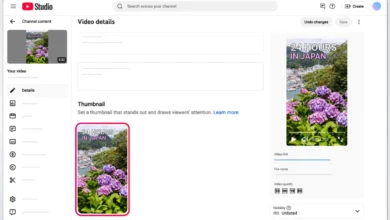
By monitoring metrics such as audience drop-off points, click-through rates, and overall watch time, creators can replace the "cringe" factor with actionable insights. If viewers are leaving at a specific timestamp, the problem is likely in the pacing or the content, not the performer. Furthermore, utilizing features like YouTube’s "Test & Compare" for thumbnails allows creators to see which assets perform best, shifting the feedback loop from personal insecurities to market reality.
Conclusion: The Path Forward
The mastery of on-camera performance is not a test of personality but a test of systems. By creating a standardized, repeatable environment, utilizing bulleted scripting, batching production cycles, and leveraging data to guide content decisions, even the most introverted creators can build a sustainable and successful channel. The discomfort of the first few recordings is a temporary hurdle that can be effectively managed through the accumulation of experience. As with any professional discipline, the most effective way to address the challenge is to move through it systematically, focusing on the infrastructure of the production rather than the perceived flaws of the performer.
Related posts: