Cartoon Brew Weekly Roundup: Market Shifts at Fathom, Disney Restructuring, and the Global Rise of Independent Animation

The animation industry is navigating a period of significant volatility as the final quarter of 2026 takes shape, defined by the calculated expansion of independent distributors, the persistent instability of corporate giants, and a surge of innovative storytelling from international studios. As box office performance becomes increasingly bifurcated between established prestige brands and experimental projects, industry leaders are recalibrating their strategies to account for shifting audience appetites and the integration of emerging technologies.
Fathom Entertainment and the Resurgence of Theatrical Animation
The theatrical landscape for independent animation is currently anchored by Fathom Entertainment, which has successfully positioned itself as a critical player in the distribution of high-concept, non-studio projects. During a recent briefing with Fathom CEO Jason Brenek, the company outlined its aggressive growth trajectory, marked by the ongoing success of Laika’s latest feature, Wildwood.
Wildwood has emerged as a bellwether for the viability of stop-motion animation in a market dominated by digital blockbusters. The film, which secured a significant footprint on more than 3,000 screens, has demonstrated remarkable resilience in its second week of release. By grossing $9 million over the weekend—a mere 27% drop from its opening—the film has solidified a 10-day domestic total of $27.4 million. This performance is noteworthy, as it suggests a durable appetite for premium, craft-oriented animation that transcends the traditional "family film" demographic.

In contrast, the speculative gamble on the integration of artificial intelligence in feature-length production has yielded sobering results. The Chinese production Sanxingdui: Future Past, which was marketed as the nation’s first fully AI-driven feature, has struggled to find a foothold with audiences. Following a disappointing opening, the film’s sophomore performance failed to improve, reaching a cumulative gross of only $253,000 after 11 days. This disparity in box office outcomes highlights a crucial industry takeaway: while technology remains a secondary tool for established studios like Laika, the attempt to leverage AI as a primary creative driver has yet to achieve the quality thresholds required for commercial success.
The Institutional Crisis at Disney
While independent studios explore new creative frontiers, the landscape at The Walt Disney Company remains defined by structural contraction. Under the leadership of CEO Josh D’Amaro, the company has entered a phase of austerity that has sent shockwaves through its animation and creative divisions.
The current cycle of layoffs represents the continuation of a challenging 2026, a year characterized by aggressive cost-cutting measures, the rollback of legacy employee benefits, and a pivot toward heavy investment in AI-driven operational efficiency. Financial analysts observing the firm note that these moves, coupled with significant stock buybacks, suggest a company prioritizing short-term shareholder returns over the long-term stability of its creative workforce. For the animation industry, which has long viewed Disney as the primary engine for talent development and innovation, the ongoing "brain drain" and the dissolution of long-standing creative teams pose a significant risk to the studio’s future output quality.
Global Expansion: The Rise of Gao Shan Pictures
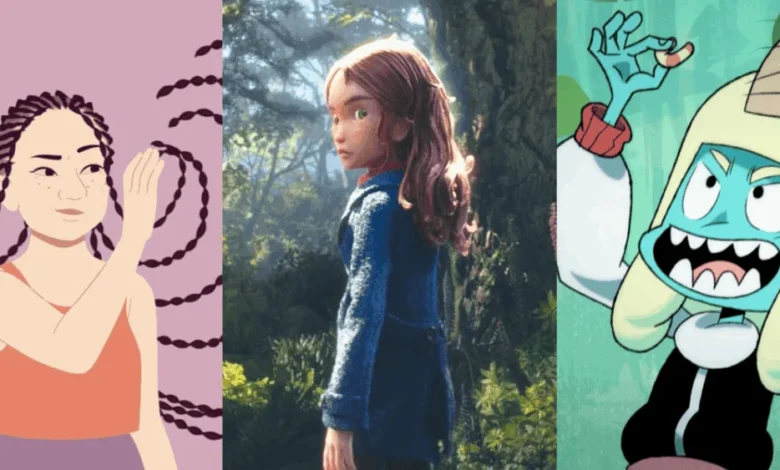
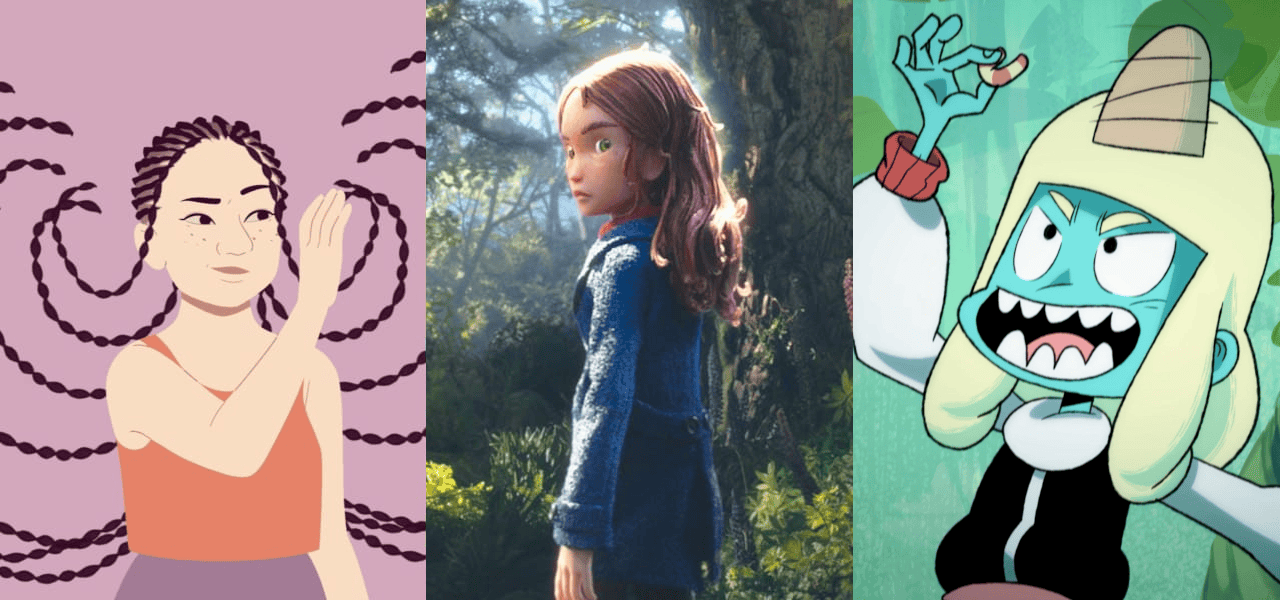
Amidst the corporate uncertainty in Hollywood, regional studios are filling the void with distinct, localized storytelling. A primary example of this is Gao Shan Pictures, the animation powerhouse based in Réunion. The studio has recently garnered international acclaim for a portfolio that includes Jim Queen, In Waves, and Lucy Lost.

Industry reports indicate that Gao Shan’s success is not merely a result of aesthetic innovation but a byproduct of a sustainable, community-oriented business model. Kévin Giraud, a lead analyst on the studio’s operations, emphasizes that their growth is predicated on fostering deep-rooted creative partnerships and a robust commitment to local talent development. Furthermore, the studio has set a new benchmark for environmental responsibility in the industry, integrating carbon-conscious production practices that are increasingly becoming a requirement for European co-productions. The studio’s ability to thrive while maintaining its regional identity provides a compelling alternative to the centralized production models of the past two decades.
Collaborative Innovation: The Samhain Project
The international pipeline for 2027 and beyond shows a trend toward cross-border collaboration, as evidenced by the upcoming fantasy feature Samhain. This project, a joint effort between Spain’s Arriate Studio and Mexico’s ¡Viva Calavera!, represents a new wave of trans-Atlantic partnerships designed to capture global markets through the synthesis of disparate cultural traditions.

The first trailer for Samhain, which recently debuted, showcases a narrative collision between Halloween and Christmas lore. By bridging the distinct aesthetic and thematic traditions of Mexico and Spain, the studios are aiming to create a cross-cultural event film that appeals to a diverse global audience. This project reflects a broader shift in the independent animation sector: rather than attempting to compete with the massive budgets of Hollywood studios, independent entities are leveraging their cultural specificity as a competitive advantage.
Series Development and Future Trends
The streaming landscape continues to provide a vital outlet for high-end animation, with several high-profile projects making significant strides. The second season of the critically lauded Blue Eye Samurai has recently unveiled a new teaser, signaling that the series remains a pillar of Netflix’s adult-oriented animation strategy.

Furthermore, the intersection of gaming and animation continues to deepen. Kojima Productions has provided a first look at Death Stranding Isolations, a hand-drawn series destined for Disney+. The move to adopt a hand-drawn aesthetic for a major IP suggests that audiences are increasingly seeking a break from the hyper-realistic 3D rendering that has dominated the last decade of animation. As the industry moves toward 2027, the emphasis appears to be shifting back toward stylistic variation and the elevation of individual creative voices.
Implications for the Industry
The current state of the animation industry can be summarized by three overarching themes:

- The Maturation of Independent Distribution: As demonstrated by Fathom Entertainment, there is a clear, viable path for independent distributors to compete with major studio slates, provided the content matches the technical quality of the legacy players.
- The "Correction" Phase of Corporate Animation: The turmoil at Disney highlights the dangers of prioritizing fiscal efficiency over human capital. As layoffs persist, the industry is seeing a redistribution of talent toward smaller, more agile studios that offer greater creative agency.
- The Globalized Creative Economy: The success of studios like Gao Shan and the collaborative efforts between Spain and Mexico signal that the center of gravity in animation is moving away from purely US-centric production hubs. The ability to tap into unique cultural narratives while maintaining high technical standards is becoming the primary driver of success.
As the industry prepares for the upcoming awards season and the final release slate of the year, the focus will remain on whether these trends—specifically the pivot toward independent, sustainable production—can maintain momentum against a backdrop of global economic pressure and internal corporate restructuring. The success of projects like Wildwood and the anticipation surrounding new series like Death Stranding Isolations suggest that while the industry is in a state of flux, the appetite for high-quality, inventive animation remains as strong as ever.