
Rihannas Super Bowl Lvii Halftime Show 4 Big Takeaways Including The Eventual Pregnancy Confirmation
Rihanna’s Super Bowl LVII Halftime Show: Four Monumental Takeaways, Including the Shocking Pregnancy Reveal
The Super Bowl LVII halftime show starring Rihanna wasn’t just a musical performance; it was a cultural seismic event. While the Barbadian superstar delivered a career-spanning medley of her greatest hits, the performance transcended mere entertainment, leaving audiences with indelible memories and profound takeaways. Beyond the dazzling choreography, the innovative staging, and the sheer force of Rihanna’s star power, the halftime show served as a powerful platform for several significant moments, none more impactful than the confirmation of her second pregnancy. This event, meticulously planned and executed, cemented Rihanna’s status not only as a global music icon but also as a masterful orchestrator of public spectacle and a symbol of female empowerment and evolution. The sheer anticipation surrounding her return to live performance after a seven-year hiatus only amplified the impact of every element, from the song selection to the subtle yet undeniable visual cues.
The first monumental takeaway from Rihanna’s Super Bowl LVII halftime show was its masterful curation of a legacy set, a testament to her enduring impact on popular music. For years, fans had clamored for her return to the stage, and the halftime performance delivered a potent distillation of her decades-long reign. The setlist was an expertly chosen blend of her most iconic anthems, strategically sequenced to build momentum and evoke a visceral sense of nostalgia and exhilaration. Tracks like "Bitch Better Have My Money," "Only Girl (In the World)," "We Found Love," and "Work" were delivered with the signature swagger and commanding stage presence that have become synonymous with Rihanna’s artistry. The selection was not random; it represented different eras of her career, showcasing her versatility from the dance-pop infectiousness of "Don’t Stop the Music" to the raw vulnerability of "Diamonds." Each song was a carefully placed building block in a narrative of her musical journey, a sonic tapestry woven with the threads of global chart-toppers. The visual presentation further enhanced this narrative, with a vibrant, almost futuristic stage design that shifted and transformed, mirroring the evolution of her sound and image. The sheer volume of hits she could pull from a relatively concise set time underscored her extraordinary prolificacy and influence. This wasn’t just a performance; it was a declaration of her unassailable position in the pantheon of music legends, a reminder to a global audience of the soundtrack she has provided to countless lives. The deliberate omission of certain fan favorites, while understandable given time constraints, also served to highlight the sheer depth of her catalog, leaving some to debate what other gems could have been included. However, the chosen setlist was undeniably effective in its objective: to reassert Rihanna as a force to be reckoned with, not just as a recording artist but as a live performer of unparalleled caliber.
The second significant takeaway was the bold and unapologetic visual storytelling that permeated the entire performance, a testament to Rihanna’s evolving artistic vision and her ability to command attention through imagery. The entire production was a meticulously crafted visual spectacle, from the vibrant, almost otherworldly staging to Rihanna’s own striking costumes. She emerged on a suspended platform, a celestial being descending to earth, setting a tone of grandeur and otherworldliness. The dancers, clad in bright red, moved with precision and power, forming dynamic formations that amplified Rihanna’s every move. The set design itself was a character in its own right, with floating platforms, dramatic lighting, and a consistent, striking color palette that created a memorable aesthetic. Crucially, Rihanna’s wardrobe was not merely fashionable; it was a deliberate statement. Her initial all-red ensemble, featuring a flowing cape and statement jewelry, exuded power and regality. This was not a return to the playful, edgy Rihanna of old, but a maturation, a woman in her prime, exuding confidence and authority. The visual elements were not distractions; they were integral to the narrative of the performance, amplifying the emotional resonance of her music and solidifying her artistic identity. The sheer scale and ambition of the visual production were breathtaking, demonstrating an investment in artistry that far surpassed typical halftime show expectations. The use of drones, while perhaps not as prominent as in some previous Super Bowls, contributed to the futuristic and awe-inspiring atmosphere. The visual language spoke volumes about her brand – luxurious, impactful, and undeniably feminine. This visual prowess, coupled with her musical prowess, created a multi-sensory experience that resonated deeply with viewers, cementing the performance in the collective consciousness as a landmark of visual artistry in live entertainment.
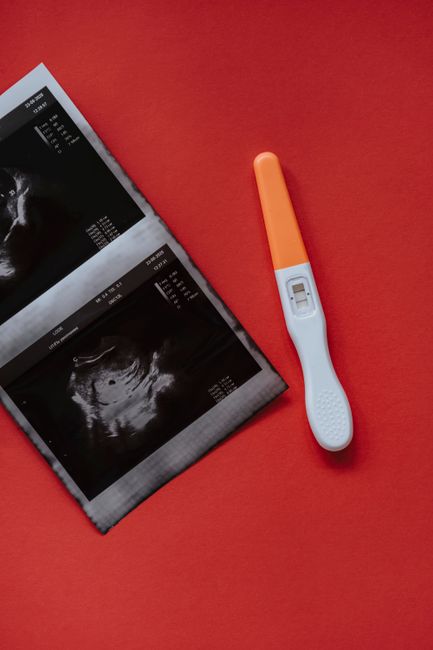
The third, and arguably the most anticipated, takeaway was the pregnancy confirmation, a moment of sheer, unadulterated joy and a masterclass in how to deliver monumental news on a global stage. For weeks, speculation had swirled around Rihanna’s potential appearance and, crucially, whether she would be pregnant again. The whispers intensified as the halftime show approached, fueled by her extended hiatus from live performances and her relatively private life since welcoming her first child. The reveal itself was artfully executed. There were no overt announcements, no staged pronouncements from the stage. Instead, it was conveyed through a subtle yet undeniable visual cue: Rihanna’s slightly rounded belly, prominently displayed beneath her form-fitting, open red jumpsuit. The moment her hand gently rested on her stomach, a gesture of maternal protection and pride, sent shockwaves across social media and the stadium. The reaction was immediate and overwhelming. Hashtags like #RihannaPregnancy and #BabyNumber2 exploded, dominating online conversations. This wasn’t just a celebrity pregnancy announcement; it was the confirmation of a narrative many had been hoping for. It signified a new chapter for Rihanna, one where she is embracing motherhood alongside her continued reign as a global icon. The decision to reveal her pregnancy during such a high-profile performance showcased her incredible confidence and her ability to integrate her personal life with her professional endeavors in a way that felt authentic and empowering. It demonstrated a calculated yet natural way of sharing a deeply personal moment with the world, turning a sporting event into a celebration of family and womanhood. The performance was, in essence, a vibrant and powerful declaration of her multifaceted life, showcasing her as a formidable businesswoman, a groundbreaking artist, and a devoted mother, all at once. The sheer bravery and grace with which she chose to share this deeply personal news on such a colossal stage was as impactful as any of her chart-topping hits.
Finally, the fourth monumental takeaway from Rihanna’s Super Bowl LVII halftime show was the undeniable message of empowerment and the redefining of what it means to be a successful woman in the modern era. Rihanna has consistently been a force of nature, building a billion-dollar empire with Fenty Beauty and Savage X Fenty, all while maintaining her musical career. The halftime show solidified her position as a woman who has successfully navigated multiple industries, demonstrating that talent, ambition, and business acumen can coexist and thrive. Her decision to prioritize motherhood and then return to such a demanding performance, on her own terms and at her own pace, sent a powerful message to women everywhere. It dispelled the notion that motherhood necessitates a sacrifice of career or ambition. Instead, it illustrated a seamless integration, a testament to her strength and resilience. Her confidence, her unapologetic embrace of her body at all stages, and her unwavering control over her narrative are all deeply empowering. She wasn’t just performing songs; she was embodying a philosophy of self-determination and multifaceted success. The Super Bowl stage, often a battleground for male performers, became a testament to female power, artistry, and resilience. Rihanna’s presence and performance challenged traditional notions of what a female artist should be, proving that one can be a global phenomenon, a mother, and a business mogul, all while maintaining an unparalleled level of artistic integrity. Her return was a reclamation of her power, a celebration of her journey, and an inspiration to millions, proving that the biggest stages are indeed for those who dare to be unapologetically themselves. The enduring legacy of this performance lies not just in the music or the spectacle, but in the potent and inspiring message it conveyed about female agency and the boundless possibilities of a woman’s life.
