
Movies Head Honcho Remembers Tom Cruise Hiding Out In Theaters To Gauge Audience Reactions As She Presented Him With Award
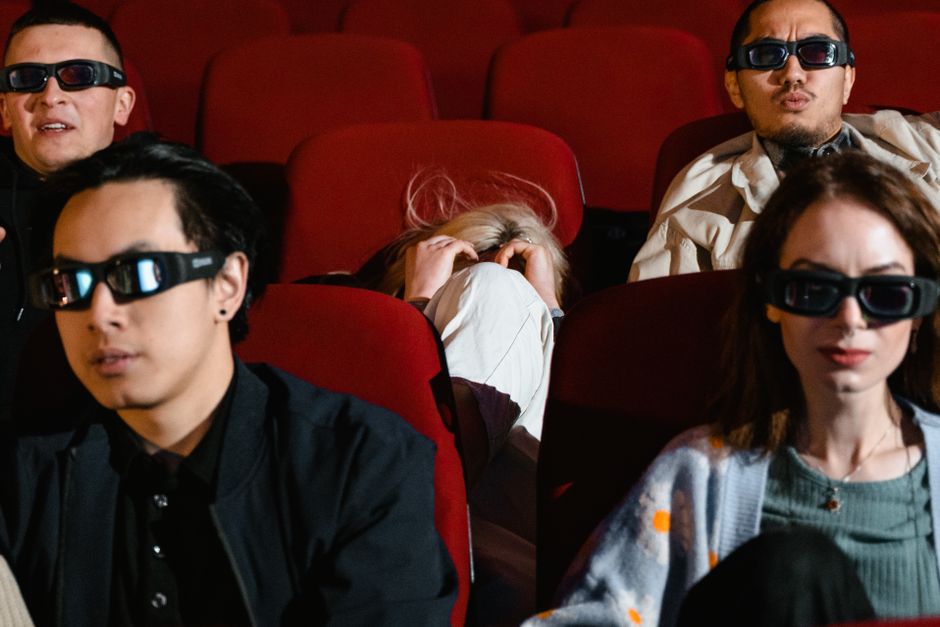
Tom Cruise’s Method Acting: A Theatrical Ghost in the Machine
The glitz and glamour of Hollywood award ceremonies often present a polished, curated image of its stars. However, behind the red carpet smiles and acceptance speeches lie the dedicated, sometimes unconventional, methods that have cemented these individuals as cinematic icons. One particular anecdote, shared by a film executive who wishes to remain anonymous, paints a vivid picture of Tom Cruise’s relentless pursuit of audience connection, a method that involved him literally disappearing into the very spaces his films were designed to captivate: movie theaters. This wasn’t a fleeting curiosity; it was a strategic deployment, a ghost in the machine of exhibition, observing reactions firsthand as she, the executive, was presenting him with a significant industry award.
The setting was a prestigious gala, a night meant to honor Cruise’s considerable contributions to filmmaking. The executive, tasked with delivering a commendation, had spent months working with Cruise’s team, coordinating the intricate logistics of such an event. The usual pre-event chatter focused on seating arrangements, speech timings, and potential media interactions. However, Cruise, ever the pragmatist and deeply invested in the audience experience, had a seemingly unusual request, one that initially baffled the executive. He wanted to discreetly visit local cinemas on the nights his latest blockbuster was playing, not as a celebrity to be recognized, but as an ordinary moviegoer, a silent observer.
This wasn’t about ego; it was about intelligence gathering. In an era where focus groups and test screenings are standard practice, Cruise’s approach was far more organic, more visceral. He wasn’t interested in a controlled environment; he wanted the raw, unadulterated reaction of a public paying their hard-earned money to be entertained. The executive, initially perplexed by the logistics of discreetly escorting a global superstar into a multiplex without causing a media frenzy, eventually understood the profound purpose behind his request. It was an extension of his famed dedication to his craft, a commitment to understanding the emotional impact of his work directly from the source – the audience.
The executive recalled one specific instance, a few weeks before the award ceremony. Cruise had expressed a desire to experience the collective gasp, the shared laughter, the palpable tension of his then-current film, viewed in its intended habitat. The executive, with a team of Cruise’s trusted security and a carefully devised plan, arranged for multiple discreet visits to various theaters across a wide geographical area. The objective was simple: observe the audience’s engagement, their non-verbal cues, their sustained attention (or lack thereof). Cruise, often disguised in simple attire and a baseball cap, would position himself in the back of the theater, or in a less conspicuous aisle seat, his eyes glued to the screen, but his true focus on the faces around him.
He wasn’t just watching the film; he was watching them watching the film. He was gauging the rhythm of the narrative, the effectiveness of the pacing, the moments that truly resonated, and those that might have fallen flat. This information, he believed, was invaluable. It wasn’t about validating his performance alone, but about understanding the overall cinematic experience. How did the sound design land in a real-world setting? Did the visual spectacle translate effectively on a standard screen? Were the emotional beats landing as intended? These were the questions that occupied his mind, and his method of seeking answers was both audacious and deeply insightful.
The executive, while managing the award ceremony preparations, would receive dispatches from Cruise’s discreet team. These reports detailed specific audience reactions: a collective jump during a key scare sequence, prolonged silence during a poignant scene, boisterous laughter at a well-timed quip. Cruise himself would sometimes send terse, insightful observations: "They leaned forward during the chase sequence in theater 7," or "The emotional arc of character X seemed to connect more strongly in the suburban multiplex." This feedback loop was a vital component of his creative process, informing not just future film choices but also his performance nuances.
The irony, and indeed the remarkable nature of the situation, was that while Cruise was immersing himself in the world of the average moviegoer, the executive was simultaneously preparing to publicly honor him for his cinematic achievements. The award ceremony, with its formal pronouncements and accolades, stood in stark contrast to Cruise’s clandestine expeditions into the heart of the audience. It highlighted a fundamental difference in how many approach fame and craft. For Cruise, the ultimate validation wasn’t the award itself, but the genuine connection he forged with the millions who experienced his films on a personal level.
The executive found herself reflecting on this duality during the award ceremony. As she stood on stage, the spotlight illuminating her, and Tom Cruise as the recipient, she couldn’t help but recall his recent excursions. She was about to present him with a testament to his success, while he had been meticulously dissecting the very mechanisms of that success in dimly lit auditoriums. His dedication was not merely about memorizing lines or hitting his marks; it was about understanding the alchemy of filmmaking, the intricate interplay between the story, the performance, and the viewer’s emotional landscape.
This commitment to understanding audience reception is not unique in the entertainment industry, but Cruise’s willingness to engage in such a hands-on, almost anthropological, manner is particularly noteworthy. While other actors might rely on the reports of their publicists or the feedback from test screenings, Cruise sought a more direct, unfiltered perspective. This suggests a profound respect for the audience, a recognition that they are not passive recipients but active participants in the cinematic experience.
The executive’s narrative underscores a critical aspect of Cruise’s enduring appeal: his authenticity. He doesn’t just play heroes; he embodies a relentless pursuit of excellence that seems to be driven by a genuine desire to connect with people. His theatrical ghost tours were not a publicity stunt but a testament to his work ethic and his deep-seated understanding of what makes a film successful. It’s about more than just box office numbers; it’s about the shared experience, the collective emotion, the indelible memories created within the confines of a movie theater.
Furthermore, this anecdote sheds light on the often-unseen labor that goes into crafting compelling cinematic narratives. While audiences witness the final product on screen, the journey involves countless hours of planning, execution, and, as in Cruise’s case, meticulous audience observation. The executive’s experience provided a unique window into this behind-the-scenes dedication, revealing a star who was as comfortable observing from the shadows of a cinema as he was basking in the spotlight of an award ceremony.
The impact of such direct observation can be profound. It allows for real-time adjustments and insights that might otherwise be missed. A subtle shift in audience energy, a collective sigh at a particular plot point, or an unexpected burst of laughter can reveal more about a film’s efficacy than any number of statistical reports. Cruise, by actively seeking these experiences, demonstrated an almost instinctual understanding of cinematic storytelling, a talent honed not just in front of the camera, but also in the hushed aisles of neighborhood theaters.
In conclusion, the executive’s recollection of Tom Cruise’s theatrical excursions offers a rare glimpse into the mind of a Hollywood icon. It transcends the superficiality of award ceremonies and delves into the core of what makes a star like Cruise so enduring. His commitment to understanding the audience’s emotional response, through discreet observation in cinemas, is a testament to his dedication to his craft and his profound respect for the art of filmmaking. It’s a method that, while unconventional, speaks volumes about his unwavering pursuit of cinematic excellence and his desire to create experiences that truly resonate with moviegoers worldwide. The ghost in the machine was, in fact, a visionary, constantly seeking to connect with the heart of his audience.
