Kodak Ektar 100 Remains a Cornerstone of Analog Photography With Fine Grain and Vivid Color Saturation

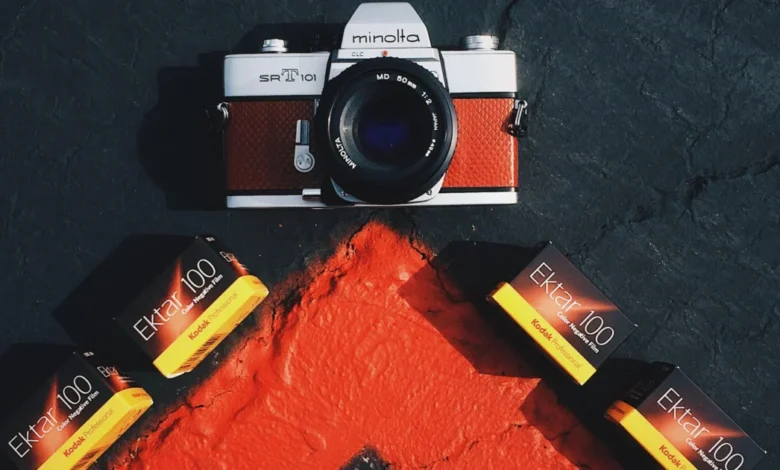
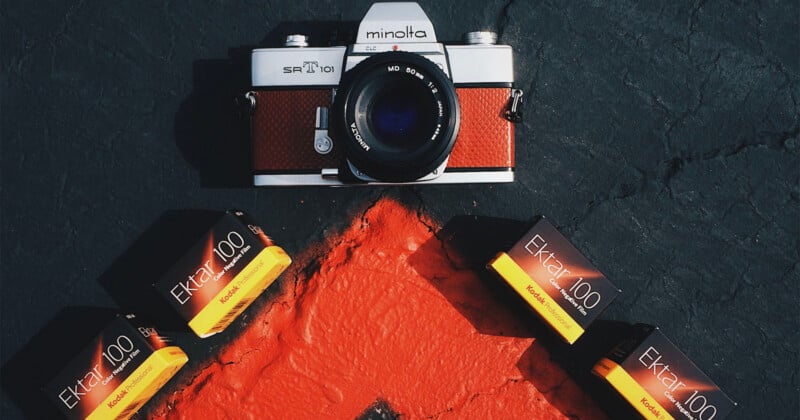
The enduring renaissance of analog photography has cemented specific stocks as modern classics, with Kodak Ektar 100 standing out as a premier choice for professionals and enthusiasts seeking uncompromising color fidelity and resolution. Known widely for its exceptionally fine grain structure, high color saturation, and sharp contrast, Ektar 100 occupies a unique space in the contemporary color negative market. As traditional transparency films have declined in availability, this daylight-balanced ISO 100 emulsion has increasingly become the definitive medium for landscape, architectural, and fine-art photographers demanding punchy, saturated palettes reminiscent of classic slide films without the traditional processing constraints.
Historical Evolution: From Premium Optics to Modern Emulsions
The moniker Ektar carries a rich heritage within the Eastman Kodak Company, originating long before it was ever applied to a roll of chemical film. Introduced in the 1930s, the Ektar designation was initially reserved for Kodak’s highest-tier, professional-grade lenses, the name cleverly coined as a portmanteau of Eastman Kodak and the optical Tessar formula. These lenses graced a diverse array of classic equipment, ranging from folding Bantam and Retina models to heavy-duty large-format field cameras, serving as a distinct signal of cutting-edge optical performance through the 1960s.

The transition of the Ektar brand from optics to film emulsions occurred in 1989 with the introduction of a high-resolution professional color negative film line, which included variants like Ektar 25 and Ektar 1000. Although those early iterations were eventually discontinued in 1997 as market demands shifted, the appetite for ultra-fine-grain color films persisted.

A decade later, in September 2008, Eastman Kodak officially resurrected the Ektar name with the global release of Ektar 100. Initially launched solely in the standard 135 (35mm) format, the emulsion’s commercial success quickly prompted Kodak to expand production into medium format (120) and large-format sheet films, specifically 4×5 and 8×10 sizes. The timing of the release proved strategic; following the gradual discontinuation of legendary transparency films like Kodachrome, Ektar 100 emerged as a vital bridge for photographers seeking ultra-fine detail, positioning itself as a color negative competitor capable of rivaling the rich, saturated output of slide films such as Fuji Velvia.

Technical Performance and Optical Characteristics
At the core of Ektar 100’s reputation is its exceptionally tight grain structure. Kodak engineered the emulsion utilizing advanced micro-structure optimized T-GRAIN emulsions, achieving what manufacturers and independent tests have frequently cited as the finest grain of any available color negative film on the market. When exposed using medium-format or large-format cameras—such as a Hasselblad 500C, Pentax 67, or Linhof Technika—the film yields an almost imperceptible grain structure under high-magnification scanning or optical enlargement. This allows photographers to produce massive, highly detailed prints that retain crisp edge-to-edge sharpness.

Beyond its physical resolution, Ektar 100 is defined by its vibrant color saturation and high-contrast profile. While sibling emulsions like the Kodak Portra family are engineered for natural skin tones and a lower-contrast, muted aesthetic tailored for portraiture, Ektar leans aggressively toward warmth, brilliance, and saturation. Landscape and architectural photographers frequently rely on these characteristics to emphasize natural blues, deep reds, and rich greens.

However, these very traits require careful handling when applied to portrait photography. Industry professionals note that Ektar’s heightened saturation can occasionally render human skin tones overly ruddy or saturated. Consequently, portrait photographers typically reserve the film for specific environmental scenarios where vivid apparel, striking eye color, or vibrant natural surroundings enhance the subject rather than overpower them.

Slow-Speed Versatility and Long-Exposure Performance
Operating at a base sensitivity of ISO 100, Ektar occupies a dwindling category of slow-speed color negative films currently available to the analog community. This slow speed offers distinct practical advantages, particularly for practitioners of long-exposure photography and pinhole camera operators. Because modern high-speed films introduce severe grain and high sensitivity when paired with neutral density (ND) filters in bright daylight, a stable, fine-grained ISO 100 film allows for extended shutter speeds without compromising image integrity.

In the realm of pinhole photography—where exposure times inherently span several seconds to minutes—Ektar 100 has become a staple medium. Furthermore, its performance regarding reciprocity failure—the phenomenon where photographic emulsions lose sensitivity during prolonged exposures—is well-documented and manageable. According to Kodak’s official technical data sheets, exposures up to one second require no time compensation. For exposures extending to 10 seconds, only minimal adjustments are necessary, though extended shutter speeds reaching 30 seconds typically require an additional stop of exposure to compensate accurately.

Market Landscape and Industry Implications
The sustained viability of Kodak Ektar 100 arrives at a critical juncture for the film photography industry. With longstanding transparency stocks like Fuji Velvia facing severe supply chain constraints and intermittent availability worldwide, analog photographers have increasingly relied on color negative alternatives to achieve high-saturation landscape results. While niche alternatives such as CatLABS Color 100 (derived from aerial surveillance emulsions like Kodak Aerocolor IV) offer intermittent supply, and consumer options like Kodak Pro Image 100 fill out the 35mm market, Ektar 100 remains the primary globally distributed, professional-grade slow color film available across multiple formats.

Retailers and industry analysts emphasize that Ektar 100 continues to serve as an indispensable gateway for photographers transitioning from digital capture to the analog medium, particularly during seasonal shifts such as autumn, when its saturated color rendering accentuates fall foliage. As film manufacturing costs fluctuate and raw material availability remains tightly monitored by producers like Kodak Alaris, the sustained production of versatile, high-resolution emulsions like Ektar 100 ensures that traditional large- and medium-format practitioners retain the technical tools necessary for gallery-quality archival work.