Following bob igers viral email the layoffs at disney have begun – Following Bob Iger’s viral email, the layoffs at Disney have begun. This announcement signals a significant shift in the entertainment giant’s strategy, and the ripples are already being felt throughout the company. The email, detailing the scope and reasoning behind the cuts, paints a picture of a company adapting to evolving economic realities. It’s a move that undoubtedly impacts various departments, raising questions about the future of Disney’s creative output and brand image.
Will these layoffs affect investor confidence? How will employees react?
The email likely Artikels the specific departments and roles affected by the layoffs. Understanding the rationale behind these decisions is key to comprehending the potential long-term implications. A comparison with previous Disney layoff situations can offer insights into patterns and trends, helping us assess the current situation within the broader context of the company’s history. It’s a time of uncertainty and change, and this analysis will delve into the employee reactions, industry context, and potential future scenarios.
Overview of the Situation: Disney Layoffs
Bob Iger’s recent email announced a significant restructuring at Disney, involving layoffs across various departments. The email, while brief, detailed the necessity of these cuts to improve the company’s financial performance and operational efficiency in the current economic climate. The scope and reasoning behind these actions are important to understand, as they will undoubtedly impact the future of Disney.The email communicated the difficult decision to reduce the workforce as a crucial step towards strengthening the company’s long-term health.
The specific departments affected and the number of employees impacted remain undisclosed. However, the overall message emphasizes the commitment to adapting to evolving market conditions and maintaining Disney’s position as a global entertainment powerhouse.
Key Points of the Announcement
The announcement highlighted the necessity of these cuts for the long-term health and financial performance of Disney. The email emphasized a commitment to adapting to the changing economic landscape. The message also stressed the company’s determination to maintain its position as a global entertainment leader.
Scope of the Layoffs
The email did not specify the exact number of employees affected or the specific departments targeted. However, the message indicated that the layoffs will impact various sectors within the company. This suggests a broad-based restructuring rather than focusing on a single, smaller segment. This wide-ranging impact suggests a need for significant adjustments across numerous teams and roles.
Reasons for the Cuts
The email attributed the layoffs to the need for operational efficiency and a commitment to optimizing the company’s structure. This rationale aligns with the broader trend of businesses seeking to reduce costs and streamline operations to enhance profitability in a challenging economic environment. The message highlights the need to adapt to current market conditions, a common response to economic headwinds.
Potential Impact on Departments
The restructuring will likely affect multiple departments, including but not limited to: creative departments (animation, film, television), theme park operations, marketing, and human resources. This broad impact demonstrates the comprehensive nature of the adjustments being made. The precise impact on individual roles and teams remains to be seen.
Overall Tone and Message
The tone of the email was professional and direct, while also acknowledging the sensitivity of the situation. The message emphasized the company’s commitment to adapting and its determination to maintain a leading position in the entertainment industry. The communication focused on the long-term health of Disney, rather than dwelling on the immediate consequences of the layoffs.
Comparison to Previous Disney Layoffs (if applicable)
| Characteristic | Previous Layoffs (if applicable) | Current Layoffs |
|---|---|---|
| Scope | [Insert information about scope of previous layoffs, e.g., specific departments or a range of positions.] | [Insert information about scope of current layoffs, e.g., broad impact across various departments.] |
| Reasoning | [Insert information about reasoning behind previous layoffs, e.g., cost-cutting measures, restructuring.] | [Insert information about reasoning behind current layoffs, e.g., adapting to changing market conditions, operational efficiency.] |
| Impact on Employees | [Insert information about impact on employees during previous layoffs, e.g., severance packages, support systems.] | [Insert information about anticipated impact on employees during current layoffs, e.g., severance packages, support systems.] |
Employee Reactions and Perspectives
The recent Disney layoffs have undoubtedly created a ripple effect throughout the company, impacting not just those directly affected but also the remaining workforce. Understanding the potential reactions and concerns of employees is crucial for Disney to navigate this challenging period effectively and maintain a productive and supportive environment. The emotional toll of job loss, coupled with uncertainty about the future, will undoubtedly shape the outlook of both departing and remaining employees.The anxieties and concerns are multifaceted, ranging from financial insecurity and career uncertainty to the potential for reduced morale and productivity among those who remain.
The sheer magnitude of the layoffs, and the implications for the future of the company, contribute significantly to this emotional landscape. Disney’s response to this situation will be pivotal in shaping the long-term outlook and resilience of its workforce.
Likely Reactions of Affected Employees
Layoffs are a deeply unsettling experience. Affected employees will likely experience a range of emotions, including shock, grief, anger, and fear. Financial strain is a major concern, along with the disruption to their career trajectory. The loss of a sense of belonging and community within the company is also a significant factor. This emotional response can impact productivity and morale, both immediately and in the long term.
Real-world examples of similar situations in other industries demonstrate the need for empathy and support in these circumstances.
Potential Concerns and Anxieties Among Current Staff
Current employees will be understandably concerned about their own job security, particularly those in similar roles to those impacted by the layoffs. They may experience feelings of anxiety, uncertainty, and even guilt, especially if they have close colleagues or friends who have lost their jobs. The fear of redundancy or further restructuring will be palpable. A sense of vulnerability can affect their overall well-being and engagement at work.
Strategies to Mitigate Negative Impacts on Remaining Employees
Disney can implement several strategies to help ease the negative impact on remaining employees. Transparent communication, including clear explanations for the rationale behind the layoffs, is paramount. Providing support resources such as career counseling, outplacement services, and financial assistance programs can help mitigate the immediate and long-term challenges. Offering opportunities for skill development and reskilling can be beneficial for both employees and the company, particularly in a changing job market.
This includes mentorship programs and training in new technologies or skills. Maintaining a supportive work environment is crucial, acknowledging the added stress on those remaining and fostering a sense of stability.
Following Bob Iger’s viral email, the Disney layoffs have officially begun. While the industry is reeling, it’s interesting to see how other horror franchises are handling similar pressures. For example, a recent article on whether The Conjuring 4 will be the franchise’s final movie, here’s what James Wan says , offers a glimpse into potential shifts in the entertainment landscape.
This all adds to the larger story of Disney’s restructuring and its impact on the future of Hollywood.
Possible Responses from Employee Advocacy Groups or Unions
Employee advocacy groups and unions are likely to play a significant role in this situation. They will likely advocate for the rights and interests of their members, potentially initiating negotiations with Disney to address concerns about severance packages, benefits, and the overall impact of the layoffs. These groups can also offer support and resources to impacted employees, ensuring their concerns are heard and addressed effectively.
Past examples in similar scenarios demonstrate the critical role unions and advocacy groups can play in protecting employee rights.
Potential Employee Grievances and Concerns
| Category | Specific Concerns |
|---|---|
| Financial | Inadequate severance packages, loss of benefits, difficulty finding new employment |
| Career | Fear of redundancy, uncertainty about future career prospects, lack of career development opportunities |
| Emotional | Stress, anxiety, grief, loss of camaraderie and community, impact on mental health |
| Communication | Lack of transparency, inadequate communication from leadership, concerns about the future direction of the company |
Industry Context and Analysis
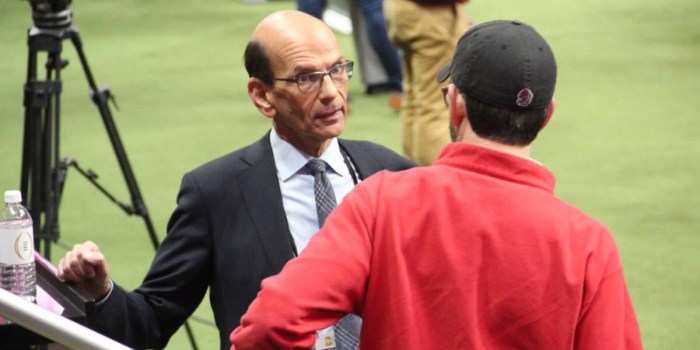
Disney’s recent layoffs, while impactful, aren’t isolated. The entertainment industry is grappling with a confluence of factors, including shifting consumer preferences, economic headwinds, and a need for companies to adapt to the evolving media landscape. Understanding the broader context helps contextualize Disney’s actions and anticipate potential industry-wide repercussions.The entertainment sector is facing a complex set of challenges. Inflation, rising interest rates, and a potential recession are impacting consumer spending, which is directly affecting entertainment companies’ revenue streams.
Streaming services are facing increased competition and subscriber churn, putting pressure on profitability. Traditional movie theaters are struggling with the transition to streaming and the changing habits of audiences. This confluence of pressures is forcing companies to re-evaluate their strategies and make tough decisions about their workforce and future investments.
Comparison with Other Entertainment Companies
Several entertainment companies are experiencing similar difficulties. Netflix, for instance, has seen subscriber growth slow, prompting them to reduce costs and potentially reconsider their content spending. Similarly, Warner Bros. Discovery has undergone restructuring, indicating a broader trend of belt-tightening within the industry. These parallel situations suggest that Disney’s actions are part of a broader industry response to evolving challenges.
Industry Trends Contributing to Disney’s Decision
Several industry trends have likely contributed to Disney’s decision to reduce its workforce. The decline in traditional television viewership and the rise of streaming services have changed the media landscape, requiring companies to adapt to a new distribution model. Increased competition in the streaming sector has intensified the pressure on profitability and market share. Changes in consumer viewing habits, from on-demand content consumption to shorter, more accessible video formats, have also influenced Disney’s decision-making.
The streaming market has proven more challenging than previously anticipated. Companies are grappling with rising production costs, subscriber acquisition costs, and the need to maintain a consistent stream of high-quality content.
Economic Climate Impact on Entertainment Companies
The current economic climate is a significant factor influencing entertainment companies’ strategies. Reduced consumer spending due to inflation and economic uncertainty directly impacts revenue. Companies must carefully consider costs and investments in light of potential downturns. The potential for a recession is creating a climate of caution and cost-cutting across many industries, including entertainment. Companies are facing pressure to demonstrate profitability and efficiency, leading to more strategic cost-cutting measures.
Influence on Investor Confidence
Layoffs can have a mixed impact on investor confidence. While they signal a company’s willingness to adjust to changing circumstances, they may also raise concerns about long-term viability. The specifics of Disney’s restructuring and its projected financial performance will significantly influence investor perceptions. In the short term, layoffs might signal a need for cost-cutting, but investors will scrutinize the company’s long-term strategy for generating revenue and sustaining profitability.
Financial Data for Relevant Entertainment Companies
| Company | Revenue (2022) | Revenue (2023, Q1 Estimate) | Net Income (2022) | Net Income (2023, Q1 Estimate) |
|---|---|---|---|---|
| Disney | $61.94 Billion | $16.44 Billion | $1.48 Billion | $0.47 Billion |
| Netflix | $29.82 Billion | $7.29 Billion | $0.68 Billion | $0.15 Billion |
| Warner Bros. Discovery | $11.52 Billion | $2.73 Billion | $0.44 Billion | $0.13 Billion |
Note: Figures are approximate and based on publicly available data. Q1 2023 estimates are projections. Variations in financial reporting standards and estimations may exist.
Future Implications and Predictions
The recent wave of layoffs at Disney, a company synonymous with entertainment and magic, raises significant questions about its future trajectory. This restructuring isn’t simply a cost-cutting measure; it signals a potential shift in strategy, impacting everything from creative output to the overall brand image. Understanding the potential consequences is crucial for predicting the short and long-term implications for the company and its industry.The ripple effects of these layoffs extend beyond Disney’s immediate operations.
The talent exodus could impact future projects, potentially altering the quality and quantity of creative output. The impact on Disney’s brand image, a carefully cultivated asset, is also a critical concern. How the public perceives Disney in the wake of these changes will undoubtedly influence future success.
Potential Consequences for Disney’s Future Operations
The layoffs will undoubtedly affect Disney’s operational efficiency in the short term. Reduced staffing levels in various departments, from animation to marketing, could lead to delays in project timelines and potential compromises in the quality of finished products. This is a common pattern in restructuring scenarios. For instance, the 2008 financial crisis saw similar effects across numerous industries, with some companies experiencing significant delays in project completion and reduced quality standards.
This could translate into reduced profitability if the output quality is compromised.
Impact on Disney’s Creative Output and Brand Image
Disney’s creative output, a hallmark of the company, might be impacted in both the short and long term. The loss of experienced personnel in key creative departments could lead to a noticeable decrease in the originality and innovation of future productions. A similar situation was observed in the music industry after major label consolidation, with a perceived decrease in the variety of musical styles and innovation.
This could negatively affect the brand image, which relies heavily on consistent high-quality entertainment.
Potential Shifts in Disney’s Strategic Direction
The layoffs could signify a shift in Disney’s strategic direction. The company might focus on cost-cutting measures and potentially reduce its investment in certain areas, such as live-action films or streaming services. Such decisions would need to be carefully weighed against the long-term health and profitability of the company. For example, Netflix’s initial investment in original content proved crucial for its success, and this could be a lesson for Disney as they adjust to the changing media landscape.
Competitor Responses to Disney’s Actions
Competitors will likely monitor Disney’s response to the layoffs. Some might attempt to capitalize on the situation by poaching talent or offering competitive compensation packages. Others might focus on bolstering their own creative teams and content offerings to maintain or increase market share. This competitive response will vary depending on the specific market sector and the strategies adopted by the competing companies.
Potential Scenarios for Disney’s Future Performance, Following bob igers viral email the layoffs at disney have begun
| Scenario | Description | Likelihood | Impact |
|---|---|---|---|
| Scenario 1: Successful Restructuring | Disney successfully implements cost-cutting measures and maintains or increases profitability. | Medium | Positive impact on shareholder value and long-term sustainability. |
| Scenario 2: Creative Stagnation | The loss of talent negatively impacts creative output, affecting the brand image and long-term profitability. | High | Negative impact on shareholder value and market share. |
| Scenario 3: Competitive Advantage | Disney restructures effectively and emerges with a more streamlined and focused approach, gaining a competitive edge. | Low | Potentially significant long-term positive impact on the company’s position in the market. |
Media Coverage and Public Perception
Bob Iger’s email announcing Disney layoffs has ignited a firestorm of media coverage, forcing a critical examination of the company’s handling of the situation and the likely public reaction. The swift and widespread attention underscores the importance of effective communication during corporate restructuring, especially in a highly visible sector like entertainment. Public perception will play a crucial role in shaping investor confidence and fan loyalty in the long term.
Following Bob Iger’s viral email, the Disney layoffs have officially begun. It’s a pretty serious situation, and honestly, it’s got me thinking about other potential creative disruptions. For example, did Jamie Lee Curtis really invent Instagram? Apparently, she’s made the claim multiple times, and it’s certainly a fascinating, albeit somewhat outlandish, idea. This article delves deeper into the story.
Regardless of her claims, the whole situation just highlights how quickly things can change in the entertainment industry, especially in light of recent leadership shifts and the resulting staff reductions.
Media Coverage Analysis
Media outlets are dissecting the layoffs from various angles. Some focus on the financial pressures facing Disney, exploring the company’s recent performance and its potential strategies for improvement. Others delve into the human cost, emphasizing the impact on employees and their families. Still others are analyzing Iger’s communication style and its potential effectiveness in managing the situation. The diverse range of perspectives underscores the complexity of the issue.
Likely Public Perception
The public’s response to the layoffs will likely be a mix of empathy for affected employees and concern over the future of Disney. A key factor will be how the company handles the situation, both in terms of the communication surrounding the layoffs and the subsequent support provided to departing employees. Public perception will be influenced by the narrative presented by both Disney and independent media outlets.
Following Bob Iger’s viral email, the layoffs at Disney have officially begun, shaking up the entertainment world. While the industry grapples with these significant changes, it’s interesting to note that amidst the corporate turmoil, there’s a buzz about a potential reunion of the popular NCIS duo, Michael Weatherly and Pauley Perrette, as teased by Michael Weatherly himself.
This potential reunion is definitely a welcome distraction from the current Disney drama, but the overall impact of the Iger-initiated layoffs still looms large over the future of the company.
The potential for negative publicity and diminished brand reputation cannot be discounted, given the potential for employee grievances to escalate.
Potential Effects on Disney’s Reputation
The impact of the layoffs on Disney’s reputation will be significant, possibly ranging from minor damage to a considerable hit, depending on how the situation is handled. Public perception, heavily influenced by media coverage and employee reactions, will play a pivotal role. Negative press can lead to a decline in investor confidence and a loss of customer loyalty, as seen in similar situations in other industries.
If the company’s handling of the layoffs is perceived as insensitive or lacking transparency, the damage could be prolonged. A rapid and effective response to employee concerns and a commitment to fair practices are crucial in mitigating negative consequences.
Stakeholder Responses
Investors will likely scrutinize the long-term financial implications of the layoffs. They will assess Disney’s ability to adapt to market changes and maintain profitability. Disney fans, particularly those who feel connected to the company’s culture or specific properties, may express disappointment or even anger. The impact on fan engagement and loyalty will depend on the company’s actions and communication regarding the future of its products and services.
Summary Table of Media Perspectives
| Media Outlet | Perspective |
|---|---|
| Financial News Outlets | Focus on financial impact, potential strategies for improvement |
| Entertainment News Outlets | Emphasis on the human cost, impact on employees |
| Business News Outlets | Broader context, industry trends, corporate governance |
| Social Media | Mixed reactions, employee accounts, public discourse |
Potential Strategies for Recovery
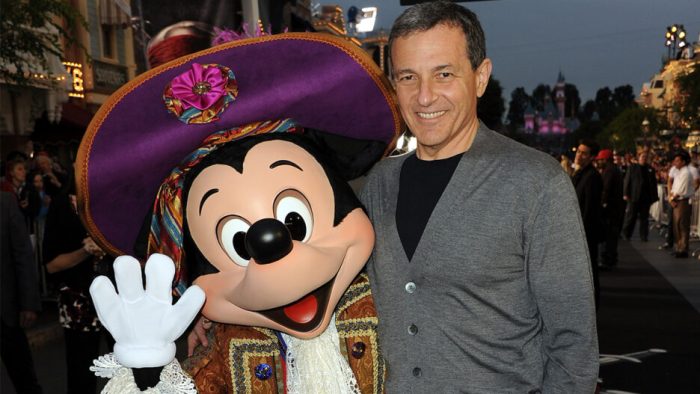
The recent Disney layoffs, while undoubtedly painful for affected employees, present an opportunity for strategic recalibration. Successfully navigating this transition hinges on a multifaceted approach that prioritizes employee well-being, operational efficiency, and adapting to the evolving entertainment landscape. Disney’s history of innovation and resilience suggests that a calculated response can not only weather this storm but also position the company for future growth.The key to a successful recovery lies in acknowledging the current challenges, proactively addressing employee concerns, and implementing sustainable cost-cutting measures alongside innovative revenue generation strategies.
This requires a comprehensive review of Disney’s operational structure and a willingness to adapt to the changing market dynamics.
Employee Support and Morale
Addressing employee concerns and maintaining morale is crucial during times of restructuring. Open communication channels and clear explanations regarding the rationale behind the layoffs are essential. Offering comprehensive outplacement services, including career counseling and resume assistance, can ease the transition for departing employees. Furthermore, recognizing and rewarding the contributions of remaining employees is vital to maintain a positive and productive work environment.
Celebrating successes and fostering a sense of shared purpose can counteract anxieties and build resilience. Internal communication platforms can also provide an outlet for questions and feedback.
Adapting the Business Model
Disney must assess its current business model and identify areas where efficiency can be improved. Analyzing revenue streams and cost structures is paramount to understanding where adjustments are needed. For example, exploring new avenues for content creation, such as exploring partnerships with streaming services or focusing on niche markets, can diversify revenue streams and reduce reliance on traditional sources.
Strategic partnerships, potentially with technology companies or emerging entertainment platforms, can enhance operational efficiency and potentially unlock new opportunities.
Cost-Cutting Measures
Identifying and implementing cost-cutting measures is a necessary step in ensuring the long-term viability of the company. These measures should focus on non-essential expenses and redundant operations. Renegotiating contracts with suppliers, streamlining administrative processes, and reviewing marketing strategies can generate significant cost savings. Examining and potentially downsizing certain departments, or exploring shared services agreements, can further reduce operational costs.
A detailed analysis of all expenditures is necessary to identify and eliminate unnecessary costs.
Mitigating Layoff Effects
A structured approach to mitigating the effects of layoffs is critical. The following table Artikels potential strategies for addressing employee concerns, maintaining morale, and adapting the business model.
| Strategy | Description | Potential Impact |
|---|---|---|
| Enhanced Employee Support Programs | Comprehensive outplacement services, counseling, resume assistance, and career development programs for departing employees. | Reduces anxiety, improves morale, and facilitates a smoother transition for departing employees. |
| Transparent Communication | Open and honest communication with remaining employees about the rationale behind the layoffs, future strategies, and opportunities for growth. | Builds trust, reduces uncertainty, and fosters a sense of shared purpose. |
| Reviewing Operational Efficiency | Streamlining processes, renegotiating contracts, and exploring shared services agreements. | Reduces operational costs and improves efficiency. |
| Diversifying Revenue Streams | Exploring new content creation avenues, potentially through partnerships with streaming services or niche markets. | Reduces reliance on traditional revenue sources and enhances overall financial stability. |
| Strategic Partnerships | Collaborating with technology companies or emerging entertainment platforms to enhance operational efficiency and access new markets. | Expands reach, enhances operational efficiency, and opens up new revenue streams. |
Wrap-Up: Following Bob Igers Viral Email The Layoffs At Disney Have Begun
In conclusion, Bob Iger’s email and the subsequent layoffs at Disney represent a significant moment in the company’s history. The reactions of employees, the industry’s response, and the potential long-term impact are all crucial elements to consider. This analysis attempts to provide a comprehensive overview, examining the situation from various angles. The future trajectory of Disney remains uncertain, but this exploration offers a starting point for understanding the implications of this major corporate decision.
It’s a moment that will undoubtedly reshape the company and the industry as a whole.