Book Excerpt: OIAF Artistic Director Chris Robinson’s ‘Watch Me Jumpstart’ (EXCLUSIVE)

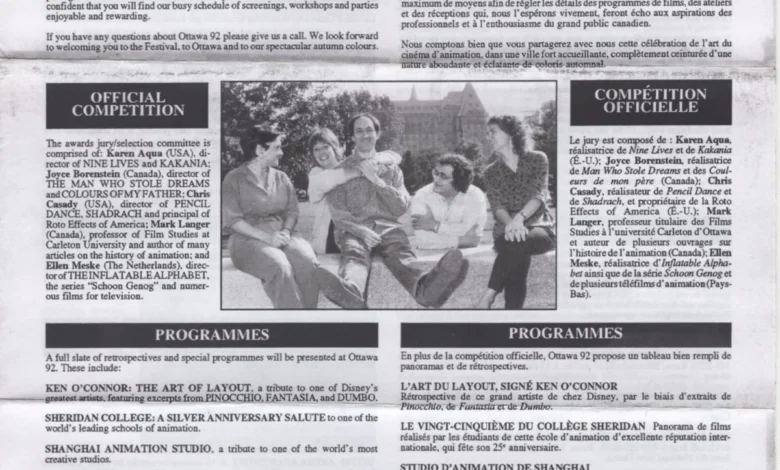
Chris Robinson, a prominent figure in the global animation landscape and the long-standing artistic director of the Ottawa International Animation Festival (OIAF), has released a new volume titled Watch Me Jumpstart: Strutting and Stumbling Through Animation. Published by CRC Press, the book offers a retrospective look at the evolution of the international animation festival circuit, viewed through the lens of Robinson’s own transition from a local cinema enthusiast to a pivotal curator of independent animation. The text serves as both a memoir and a historical document, capturing the logistical and cultural shifts in the medium from the early 1990s to the present day.
The Institutional Backdrop: The Canadian Film Institute
The narrative begins in 1991, a period when the Canadian Film Institute (CFI) served as a critical nexus for cinematic discourse in Canada. Founded in 1935 as the National Film Society, the CFI was instrumental in the establishment of Canadian film infrastructure, including the roots of the Canadian Screen Awards and the early momentum for the Toronto International Film Festival.
By the time Robinson joined the organization, the institute was operating as a scaled-back version of its former self, yet it remained the institutional home for the OIAF. Founded in 1976, the OIAF represents one of the world’s most enduring animation festivals. Its history, however, was marked by significant instability in the 1980s. Following a period of financial deficit, the festival relocated to Hamilton in 1984 and later to Toronto in 1986. Industry observers of the time frequently characterized these editions as logistical failures, prompting Frank Taylor, the then-executive director of the CFI, to spearhead the festival’s return to Ottawa in 1988. This move effectively stabilized the event, cementing its role in the global festival circuit alongside counterparts like Annecy in France, Zagreb in Croatia, and Hiroshima in Japan.
Chronology of a Curatorial Education
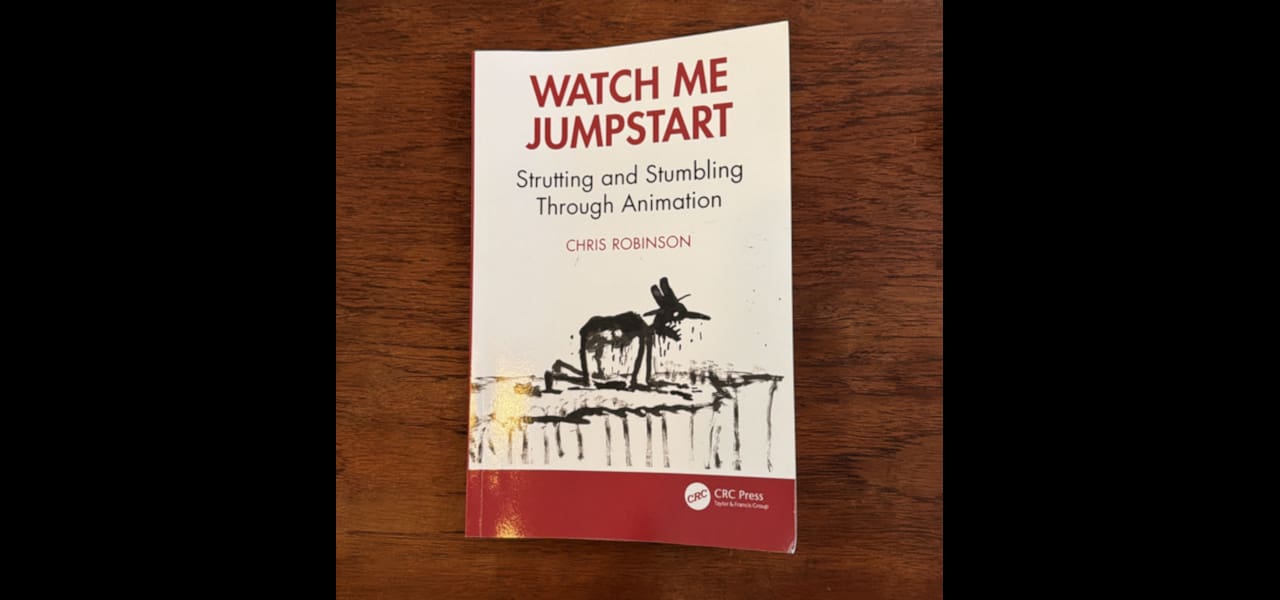
Robinson’s entry into the OIAF in 1992 coincided with a pre-digital era where administrative duties were labor-intensive and entirely manual. His responsibilities involved the physical intake of film submissions, which required the management of thousands of physical assets, including 16mm prints, VHS tapes, and three-quarter-inch professional video formats.
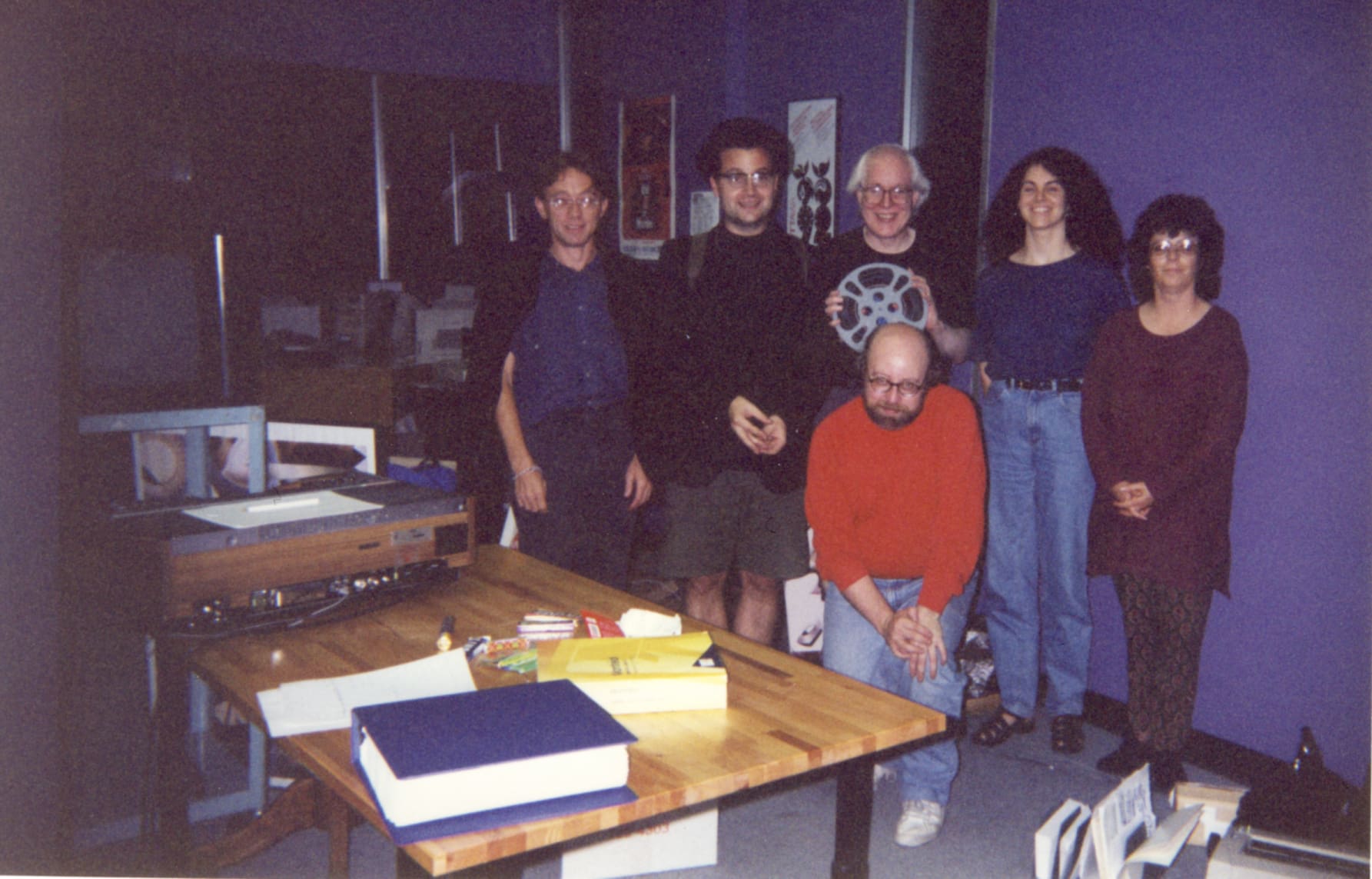
The logistical requirements of the 1992 festival highlight the stark contrast between contemporary digital workflows and the analog processes of the late 20th century. During this period, the selection process was governed by the International Animated Film Association (ASIFA), which mandated strict rules to protect the rights of independent filmmakers. Robinson notes that the selection committee’s work was a high-stakes, multi-day endeavor. Committees were flown to Ottawa and hosted for a week to screen hundreds of entries, often requiring the use of full-scale cinema auditoriums to judge film prints, as the lack of fast-forwarding capabilities made for a grueling, exhaustive evaluation process.
The financial model of the era was equally distinct. ASIFA-sanctioned festivals were expected to cover the costs of international travel and accommodation for both selection committees and juries—a practice that Robinson highlights as indicative of the high level of investment required to maintain the festival’s prestige during that decade.
Data and Infrastructure: The Shift to Digital
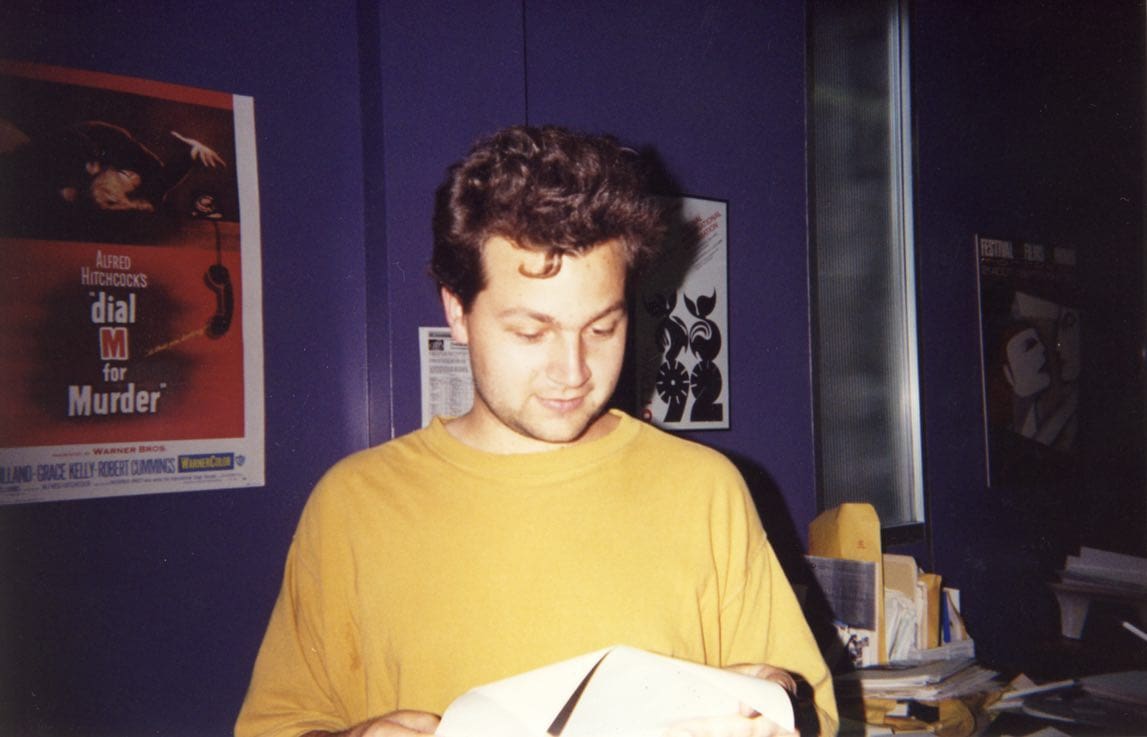
Robinson’s account provides a detailed look at the transition from manual databases to the streamlined digital entry systems used today. In 1992, the festival received approximately 750 entries. Every piece of information, from the filmmaker’s contact details to the technical specifications of the print, had to be typed manually into a nascent computer database. The process was not only time-consuming but also served as a primary source of geographic and cultural education for the staff, who managed submissions from across the globe, including regions behind the former Iron Curtain.
This era was defined by a collaborative spirit among international festivals. If a filmmaker requested, festivals would coordinate the shipment of film prints directly to the next venue in the circuit, a practice that reduced costs for independent creators and fostered a global community of animators. Robinson contrasts this with modern, automated submission platforms, suggesting that while current technology has lowered the barrier to entry, it has fundamentally changed the relationship between festival organizers and the material culture of film.
Cultural Impact and Critical Perspectives
The 1992 OIAF edition proved to be a watershed moment for Robinson. The festival featured a roster of filmmakers who would go on to define the medium, including Caroline Leaf, Henry Selick, and Igor Kovalyov. Robinson highlights films such as Raimund Krumme’s Crossroads and Phil Mulloy’s Cowboys as pivotal works that challenged his perception of animation.
These films, characterized by their minimalist aesthetic and focus on mature, complex themes—such as identity, masculinity, and socio-political critique—demonstrated that animation was not merely a medium for entertainment but a legitimate vehicle for high-level artistic expression, comparable to the live-action works of directors like Ingmar Bergman or Jean-Luc Godard. This realization, according to Robinson, was the catalyst for his long-term dedication to the medium.
Broader Industry Implications
The publication of Watch Me Jumpstart arrives at a time when the animation industry is undergoing its most significant technological shift since the introduction of computer-generated imagery. By documenting the "stumbling" of the early festival circuit, Robinson provides a record of the human and institutional costs associated with maintaining an independent artistic space.
From a sociological perspective, the book reflects on how the "gatekeeping" of the 1990s—which required a rigorous physical review of every submission—differed from today’s data-driven, link-based selection processes. The implications for contemporary filmmakers are significant: while the digital revolution has democratized access to festivals, the loss of the physical "file folder" culture has also led to a reduction in the personal connection between festival curators and the filmmakers they showcase.
Official Context and Reception
While the book is framed as a "distorted memoir," it remains an essential resource for scholars of animation history. Robinson’s candid recollection of the OIAF’s internal dynamics provides a rare look at the operational challenges of a non-profit cultural institution. His experiences during the 1992 festival, including the occasional technical mishap and the often-combative nature of selection committee deliberations, offer a grounded, realistic look at the "backstage" reality of the international festival scene.
The book serves as a reminder that the current prestige of the OIAF was built on decades of labor, much of it invisible to the audiences attending the screenings. By detailing the evolution of his own professional path, Robinson contextualizes the OIAF not just as an event, but as a crucial pillar in the preservation of global animation history. As the industry continues to grapple with the pressures of rapid technological advancement and changing distribution models, the historical perspective provided by Watch Me Jumpstart offers a valuable framework for understanding the resilience and adaptability of the independent animation community.
Related posts: