The Legislative Catalyst: The Australian Precedent
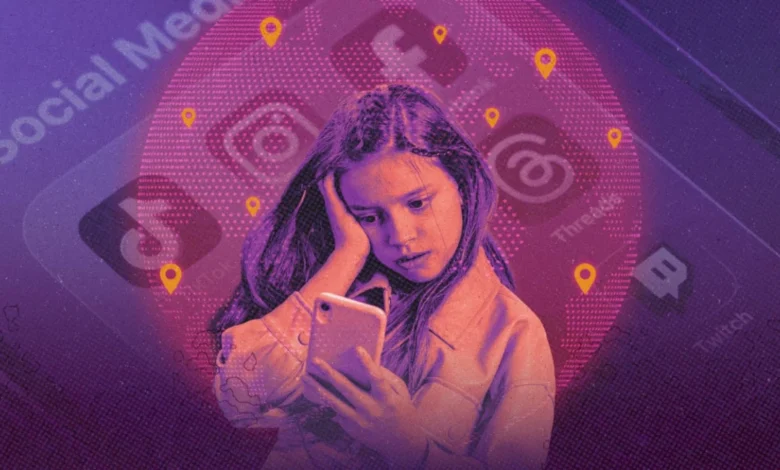
The momentum behind this global trend can be traced back to December 2025, when Australia enacted the Online Safety Amendment (Social Media Minimum Age) Act. This world-first legislation mandated that social media giants—including TikTok, Instagram, Facebook, YouTube, X, and Snapchat—implement rigorous age-verification protocols. The law requires these platforms to take "reasonable steps" to prevent users under the age of 16 from creating or maintaining accounts.
However, the rollout has not been without complications. A July 2026 government-commissioned study revealed that the initial efficacy of the ban has been limited, with many minors successfully bypassing age-gating mechanisms using virtual private networks (VPNs) and other workarounds. Furthermore, the legislation has sparked a legal backlash, most notably a lawsuit from Reddit, which argues that such broad restrictions infringe upon the operational autonomy of digital platforms and raise significant concerns regarding user privacy and freedom of expression.
Global Chronology and Regional Approaches
The international adoption of these measures has been swift, creating a patchwork of regulations that vary in age thresholds and enforcement methods.

- Brazil (March 2026): Brazil’s "Digital Statute of Children and Adolescents" took effect in March 2026. Rather than a total ban, it focuses on integration and limitation. Users under 16 must link their accounts to a legal guardian. The law also mandates that platforms disable features designed to maximize screen time, such as the automatic playback of videos, which regulators have identified as a primary driver of digital addiction.
- Indonesia (March 2026): In a move that signaled a hard-line approach in Southeast Asia, Indonesia announced in March 2026 that it would deactivate the accounts of users under 16 on major platforms. Minister of Communication and Digital Affairs Meutya Hafid specifically identified YouTube, TikTok, Facebook, Instagram, Threads, X, Bigo Live, and Roblox as "high-risk" environments, leading to a swift enforcement effort by the end of that month.
- France (July 2026): France has positioned itself as the European leader in this space. Following a compromise reached on July 20, 2026, French lawmakers moved to block under-15s from creating new accounts. The law is scheduled to phase in existing account closures starting in January 2027, making it the first European nation to enact a comprehensive age-based ban.
- The European Union (September 2026): On September 17, 2026, the European Commission formally proposed the EU KIDS Act. This represents the most ambitious legislative framework to date. It seeks to standardize protection across all 27 member states for children under 13, with restricted access for those under 15. The scope extends beyond traditional social media to include online gaming, AI-driven chatbots, and app stores, utilizing a centralized EU-wide age-verification application.
The Drivers of Legislation: A Data-Driven Crisis
Governments justifying these bans consistently point to a convergence of alarming metrics. Data from public health agencies in the UK, Canada, and Australia indicate a sharp rise in adolescent anxiety, depression, and self-harm, which correlate with the exponential increase in daily screen time.
Regulators have identified several "addictive design" features as targets for reform. These include the "infinite scroll" mechanism, which removes natural stopping points in content consumption; push notifications that create a fear of missing out (FOMO); and algorithmic recommendation engines that prioritize high-engagement, often violent or inflammatory, content. Critics of the platforms argue that these features are intentionally engineered to exploit the developing adolescent brain’s susceptibility to dopamine-reward cycles.
The Debate Over Privacy and Free Speech
The movement has faced significant pushback from human rights organizations and tech industry advocacy groups. The central criticism centers on the "digital identity" paradox: to verify that a user is over 16, platforms must collect more personal data—such as government-issued IDs or biometric facial scans—than they would otherwise require. Critics argue that this creates a massive security risk, as databases of minors’ verified identities become prime targets for cybercriminals and data brokers.
Moreover, civil liberties advocates contend that these bans act as a blunt instrument. By restricting access to digital spaces, governments may inadvertently stifle a young person’s ability to access educational content, connect with peer support networks, or participate in legitimate digital expression. There is also the concern that such laws deepen the "digital divide," where only those with the technical literacy to circumvent the bans maintain access to the modern internet.

Strategic Implications for Big Tech
For global technology corporations, the operational landscape is becoming increasingly hostile. Compliance with these varying international laws requires significant investment in localized age-verification infrastructure. Platforms are finding themselves in a position where they must either develop a fragmented user experience—tailoring the app specifically to the local laws of each country—or implement a global standard that defaults to the strictest regulation.
The shift also signals a broader change in how the internet is governed. For years, the internet operated under a "permissionless" model. The current trend suggests a transition toward "verified access," where the default state of the web is becoming gated. This move is forcing companies to move away from growth-at-all-costs models, as they are now legally required to design platforms that prioritize user well-being over raw engagement time.
Looking Ahead
As of late 2026, the global legislative map remains fluid. Countries like Germany, Denmark, and Greece are in various stages of committee review or public consultation, often looking to the Australian model for a blueprint. The effectiveness of these laws will likely be measured not by the number of accounts deleted, but by long-term public health outcomes and the ability of regulators to adapt to the inevitable technological evolutions—such as decentralized social networks or encrypted peer-to-peer communication—that may fall outside the purview of current legislation.
For families, educators, and the tech sector, this period marks a fundamental realignment of the digital age. While the goal of protecting children is universally supported, the methods of achieving that goal continue to provoke intense debate regarding the balance between government oversight, corporate responsibility, and the fundamental right of individuals to participate in the global information ecosystem. As the legal framework continues to mature, the focus will likely shift from simple prohibition to the development of safer, age-appropriate digital architectures that allow for interaction without exploitation.