Event photography represents a specialized intersection of technical precision, narrative storytelling, and logistical foresight, requiring practitioners to document human interaction and atmosphere within high-pressure environments. Whether covering corporate conferences, high-profile galas, or intimate weddings, the role of the event photographer has evolved from a passive recorder of history to an essential component of modern branding and historical preservation. Success in this field demands a sophisticated mastery of lighting, an intuitive understanding of social dynamics, and the ability to anticipate the "decisive moment" before it unfolds.
The Technical Requirements of Modern Event Coverage
The equipment demands for professional event photography are dictated by the unpredictability of the environment. Unlike studio work, where light and subjects are controlled, event photography requires high-performance gear capable of adapting to rapidly changing conditions. Standard industry practice currently favors full-frame mirrorless or DSLR camera bodies paired with high-aperture zoom lenses, most notably the 24-70mm f/2.8. This lens choice serves as the industry "workhorse," offering the flexibility to pivot between wide-angle environmental shots and tight, portrait-style captures without the necessity of changing optics.

In addition to primary camera systems, professional reliability is ensured through redundancy. It is standard operating procedure for photographers to carry at least two camera bodies to mitigate the risk of mechanical failure and to avoid the time-consuming process of lens switching. Peripheral equipment—specifically, high-speed memory cards and secondary power sources—is non-negotiable. Recent industry data suggests that photographers who prioritize gear reliability reduce post-event troubleshooting by approximately 40%. Supplemental lighting, including off-camera flash units and bounce-light modifiers, remains essential for navigating low-light venues where ambient exposure is insufficient for professional standards.
Establishing the Narrative Arc: A Chronological Approach
Effective event documentation follows a chronological narrative that mirrors the progression of the event itself. By treating the event as a story with a distinct beginning, middle, and end, photographers ensure a comprehensive archive that meets client expectations.
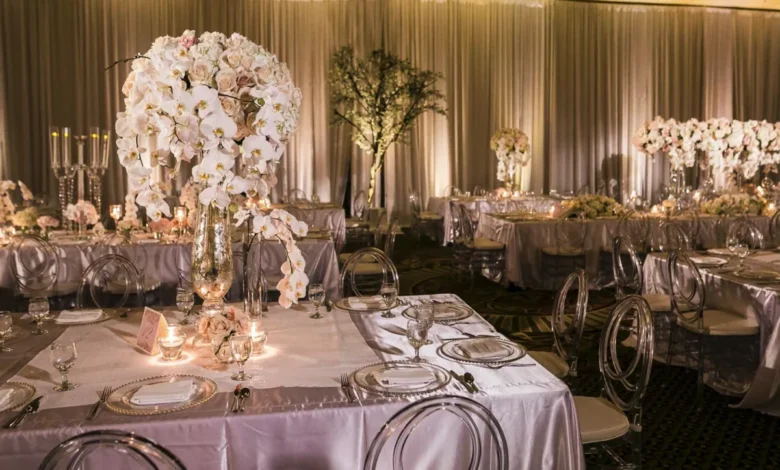
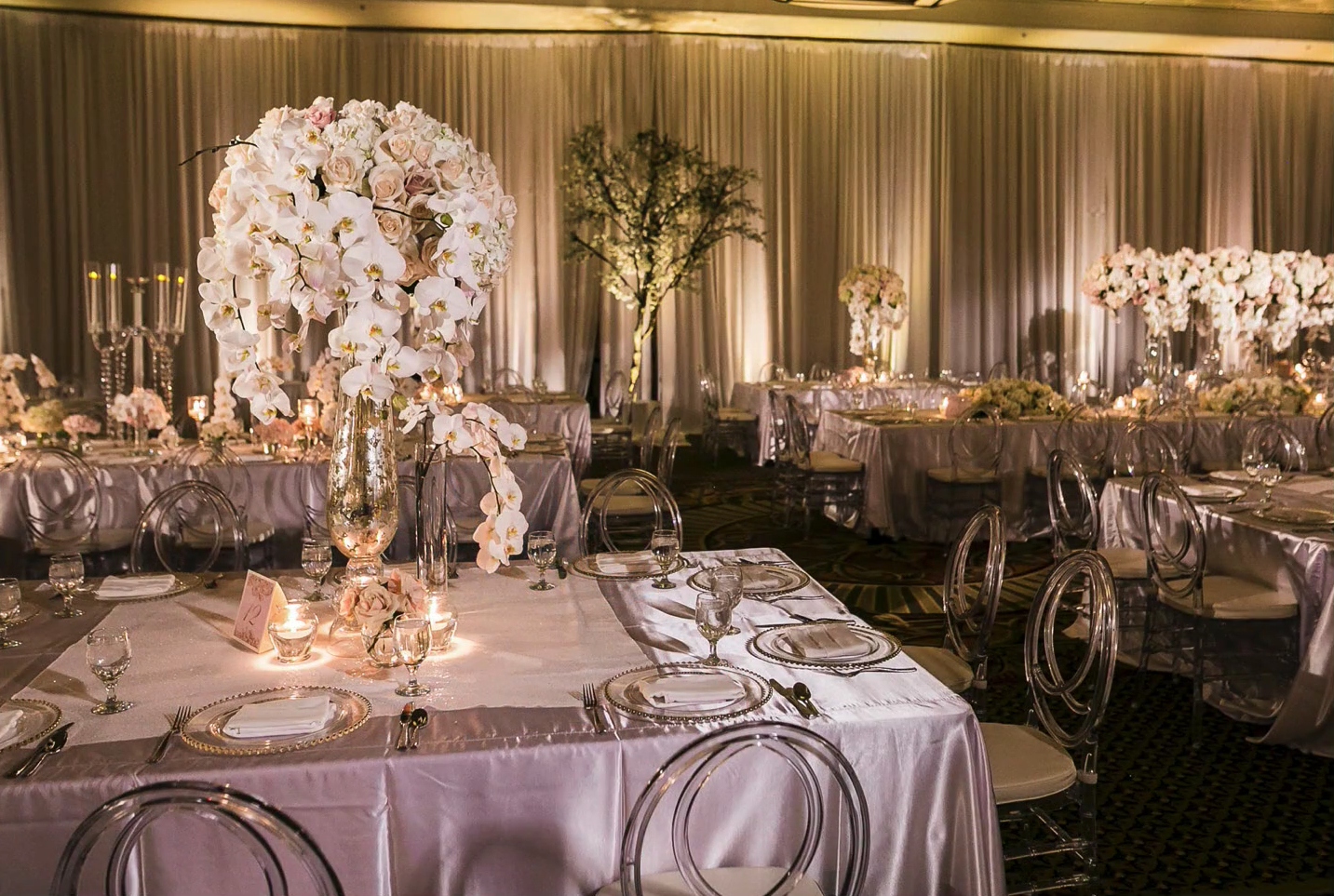
The timeline typically begins with the "pre-event" phase, where the focus is on architectural details, decor, and the logistical preparation of the venue. Industry professionals emphasize that these shots must be captured in the narrow window between the final setup and the arrival of the first guests. This phase often requires a systematic approach: starting with close-up macro shots of table settings and decor, then expanding to wider, expansive room shots.

As the event commences, the focus shifts to candid photojournalism. This is the period where the photographer’s social intelligence is most critical. By anticipating the rhythm of the event—such as the transition from a keynote speaker to a networking session—photographers can position themselves to capture organic interactions, genuine emotional responses, and pivotal networking moments.
The final phase involves formal documentation: group photos, award presentations, and speakers. These require a different skill set, involving the ability to direct groups of people efficiently to minimize downtime while ensuring high-quality, posed results.
Strategic Planning and Client Alignment
The primary metric for success in event photography is the alignment between the photographer’s output and the client’s intended use for the images. Whether the final product is destined for a corporate annual report, a press release, or social media engagement, the objective must be defined long before the shutter is pressed.

Industry surveys of event organizers indicate that the top priority for clients is the consistency of brand representation. For corporate events, this means capturing speakers in a manner that reflects their authority, while also ensuring that the audience engagement is portrayed as dynamic and positive. For private social events, the focus shifts toward emotional resonance and the preservation of personal memories. Photographers who conduct a thorough "shot list" consultation with clients before the event date consistently report higher client satisfaction rates and increased contract retention.
Overcoming Environmental and Human Challenges
Professional photographers frequently contend with three primary constraints: lighting limitations, physical space, and subject interaction. Lighting, in particular, remains the most significant technical hurdle. In modern venues characterized by low-key, dramatic, or erratic lighting, the mastery of bounce flash is a critical skill. By bouncing light off side walls rather than the ceiling, photographers can create directional, flattering illumination that simulates natural light while maintaining the integrity of the ambient atmosphere.
Space management is equally vital. In crowded environments, the use of a monopod is often preferred over a tripod, as it provides stability while allowing for a significantly smaller physical footprint. This allows the photographer to navigate tight spaces without obstructing guests or interfering with the flow of the event.

Furthermore, the human element—directing individuals—remains a persistent challenge, particularly for those with an introverted disposition. However, research into professional performance suggests that confidence in direction is a skill acquired through repetition. Establishing authority in a polite, unobtrusive manner allows the photographer to control the scene without disrupting the event’s natural energy.
Data Management and Post-Production Efficiency
The modern event photography workflow is characterized by extreme time-sensitivity. Clients increasingly demand same-day or next-day delivery, particularly for digital marketing purposes. To meet these deadlines, professionals employ a "culling-on-the-go" strategy. By reviewing and discarding technical failures (such as motion blur or closed eyes) in real-time during downtime, photographers significantly reduce the post-event processing burden.
Post-production focuses on the essentials: color correction, exposure adjustment, and cropping for impact. For large-scale events, the use of presets and batch-processing software is standard. The implementation of a "same-day slideshow"—a highlight reel presented before the event concludes—has become a hallmark of premium service, serving both as a powerful marketing tool for the photographer and a high-value deliverable for the client.
Broader Implications and Industry Trends
The proliferation of high-quality mobile photography has shifted the value proposition of professional event photography. Clients no longer hire professionals simply to "capture an image," as attendees often do that themselves. Instead, the modern professional is hired for their ability to deliver a curated, high-resolution, and strategically aligned visual narrative that elevates the brand or the occasion.
Analysis of the industry indicates that the demand for event photographers remains robust, particularly as organizations place higher value on the visual documentation of corporate culture and human-centric marketing. The rise of hybrid events—which combine in-person and digital audiences—has further complicated the requirements, necessitating a more versatile approach to technical execution and content delivery.
Ultimately, professional event photography is an exercise in preparation and adaptability. The photographer who succeeds is the one who understands that their role is not just to document the environment, but to interpret it in a way that provides lasting value to the client. By mastering the technical demands of light and composition while simultaneously managing the logistical and social complexities of the event space, the photographer becomes an indispensable partner in the success of the occasion. As technology continues to evolve, the core tenets of the craft—storytelling, anticipation, and professional reliability—will remain the foundation upon which all successful event coverage is built.