Lost Mexican Feature Resurrected; Shaun Returns To Cinemas; UPA Doc Teased

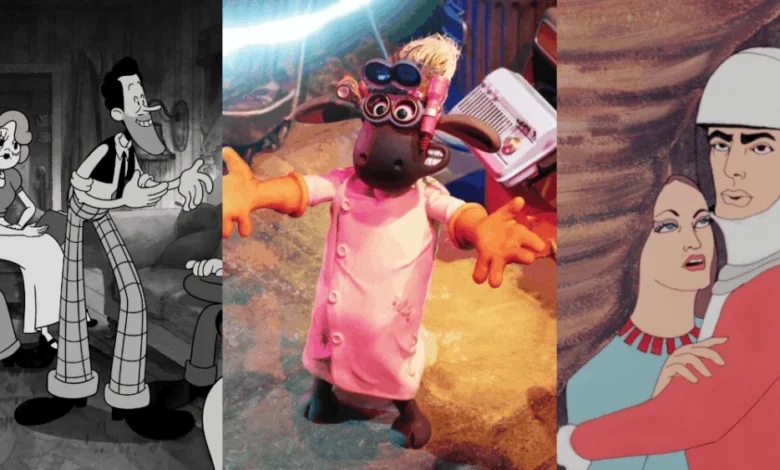
The landscape of global animation is currently witnessing a convergence of historical preservation and modern cinematic expansion. From the painstaking restoration of a long-lost pillar of Mexican film history to the latest theatrical entries from Aardman Animations and Laika, the industry is simultaneously looking backward to honor its heritage and forward to push the boundaries of stop-motion and hand-drawn storytelling.
The Restoration of Roy del Espacio
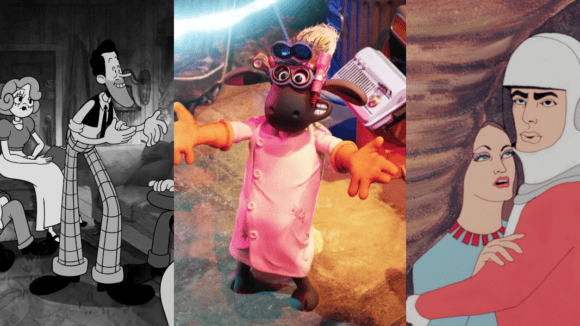
For over four decades, the third animated feature film ever produced in Mexico, Roy del Espacio, remained a ghost in the annals of cinema history. Widely considered lost to time, the film has finally emerged from obscurity thanks to a dedicated restoration effort that blends archival preservation with modern artistic intervention.
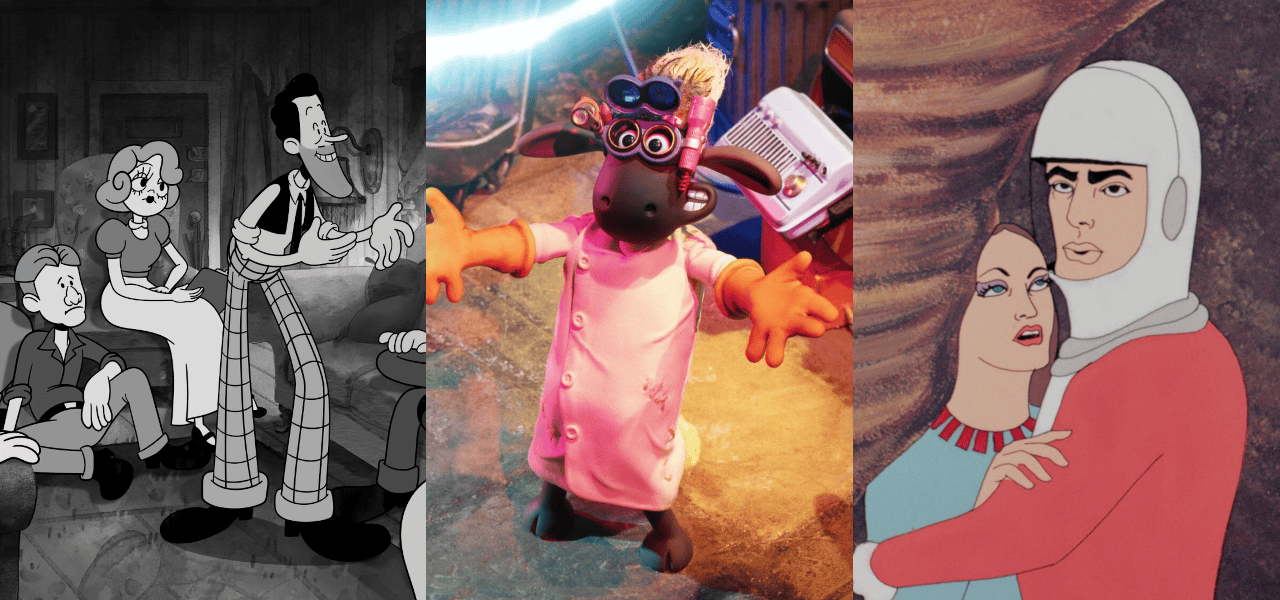
The restoration process was far from a simple digital cleanup. To fill gaps in the original footage, animators Isabelle Aspin and Brian Smee were commissioned to create four and a half minutes of entirely new sequences. To maintain visual fidelity, the duo utilized period-accurate techniques, including hand-painted backgrounds, traditional inked cels, cutouts, and vintage cel paint. This hybrid approach ensures that the new footage is indistinguishable from the surviving original reels, honoring the aesthetic language of the mid-20th-century Mexican animation scene.
The recovery of Roy del Espacio serves as a critical case study in the importance of film archiving in Latin America. Throughout the 1960s and 70s, the lack of centralized infrastructure for animated film preservation led to the degradation of countless works. By integrating new material into the existing structure, the restoration team has not only salvaged a piece of cultural history but has also set a precedent for how "lost" media can be rehabilitated through creative collaboration.
Shaun the Sheep: The Beast of Mossy Bottom
Aardman Animations has long been the gold standard for stop-motion humor, and their latest feature, The Beast of Mossy Bottom, marks a significant milestone in the studio’s output. Returning the beloved character to the big screen for his third standalone feature, the film explores a departure from the series’ usual sunny disposition, opting instead for a Halloween-themed narrative that tests the boundaries of "kid-friendly" horror.
.png)
The production of The Beast of Mossy Bottom was reportedly the most ambitious undertaking in Aardman’s recent history, characterized by an exceptionally tight production schedule. Despite these time constraints, the directors focused heavily on pacing and atmosphere. During interviews, the production team emphasized that finding the right level of "scariness" was a delicate balancing act. They aimed to evoke the classic tropes of monster movies—shadows, suspense, and atmospheric lighting—without alienating the franchise’s core demographic of younger viewers.
This film signifies a pivot for Aardman, demonstrating that even established intellectual properties can successfully experiment with genre shifts. The technical complexity required to achieve the film’s specific lighting effects—often involving intricate puppet movements and multiple exposures—highlights the studio’s refusal to rely solely on digital shortcuts, maintaining their signature tactility in an increasingly CGI-dominated market.
The Landscape of Upcoming Feature Animation
The theatrical calendar for late 2026 and beyond is shaping up to be a diverse showcase of technical styles. Among the most anticipated titles is Laika’s Wildwood. With the release of the final trailer, the studio has solidified its reputation for pushing the limits of stop-motion scale. Wildwood promises a sprawling, epic narrative that utilizes both massive physical sets and sophisticated digital augmentation, a hallmark of Laika’s modern production philosophy.
Netflix, meanwhile, continues to aggressively expand its animation footprint with Steps, a comedic reimagining of the Cinderella narrative told from the perspective of the stepsisters. The first trailer for the film suggests a vibrant, stylized aesthetic that departs from traditional fairytale tropes, focusing instead on themes of self-actualization and humor.
Beyond the major studios, the industry is seeing a renewed interest in the history of the medium. A newly teased documentary project focused on United Productions of America (UPA) highlights the studio’s radical contribution to the medium. UPA is credited with the "limited animation" style that challenged the dominant Disney-style realism of the 1940s and 50s. By prioritizing abstract, modern graphic design over fluid, frame-by-frame realism, UPA changed the trajectory of American animation forever. The upcoming documentary is expected to provide a comprehensive look at how these artists, many of whom were disillusioned with the rigid structures of larger studios, fundamentally altered the artistic potential of the medium.
Insights from the Cartoon Forum in Toulouse
The recent Cartoon Forum held in Toulouse, France, provided a necessary temperature check for the European animation television market. As the premier event for pitching and financing animated TV projects, the forum acts as a bellwether for industry trends. This year’s event was marked by a shift toward more sophisticated, serialized narratives for children and a significant increase in international co-productions.
Standout pitches at the forum emphasized stories that bridge cultural divides, with a heavy focus on folklore-inspired narratives and high-concept sci-fi for younger demographics. The event’s award winners reflected this trend, favoring projects that displayed strong visual identities and clear potential for cross-platform expansion.
The industry discourse at the forum remained focused on sustainability. With rising production costs and a crowded streaming landscape, creators are increasingly looking toward models that allow for smaller, more agile teams without sacrificing production quality. The consensus among executives in attendance was that the "golden age" of content volume is being replaced by a period of strategic curation, where only projects with distinct artistic signatures are receiving the green light for full development.
Broader Implications for the Industry
The current state of animation, as evidenced by these developments, reveals a dual-track evolution. On one hand, the archival work being done on projects like Roy del Espacio underscores an industry-wide realization that our cinematic history is fragile and requires active intervention to survive. On the other, the technical leaps being made by studios like Aardman and Laika indicate that the demand for "handmade" quality remains strong despite the omnipresence of generative AI and automated animation tools.

The movement toward historical documentaries and restorations serves as a vital reminder that animation is not merely a transient entertainment product but a form of cultural documentation. When the history of the medium is preserved, it informs the stylistic choices of contemporary animators, creating a feedback loop that enriches the visual vocabulary of the industry.
Furthermore, the shift toward shorter production cycles without a loss in quality—as seen with the Shaun the Sheep production—suggests that the industry is becoming more efficient at project management. By leveraging new technologies to handle the more tedious aspects of production, artists are finding more time to focus on character performance and narrative depth, which remain the primary drivers of audience engagement.
As the industry looks ahead to the remainder of the decade, the focus appears to be shifting away from sheer output and toward the creation of durable, high-quality intellectual properties. Whether through the revival of lost classics or the deployment of high-concept stop-motion, the animation sector continues to demonstrate remarkable resilience. The success of these varied initiatives suggests that as long as the focus remains on craftsmanship and storytelling, the medium will continue to find new ways to captivate global audiences. The coming months will likely see these projects serve as benchmarks for success, influencing the development pipelines of studios large and small across the globe.