Nintendo of America President Devon Pritchard Unveils Ambitious Multiyear Strategy for Switch 2 and Iconic IP Expansion

The landscape of interactive entertainment is currently witnessing a significant pivot, as Nintendo of America recalibrates its long-term growth strategy to leverage its most storied intellectual properties. As the company marks the one-year anniversary of the Nintendo Switch 2 and simultaneously celebrates four decades of The Legend of Zelda franchise, leadership is signaling that these milestones represent merely the initial phase of a broader, multiyear master plan. This strategy aims to integrate high-fidelity gaming experiences with cinematic adaptations, a shift that positions the Japanese gaming giant at the intersection of Silicon Valley technology and Hollywood storytelling.
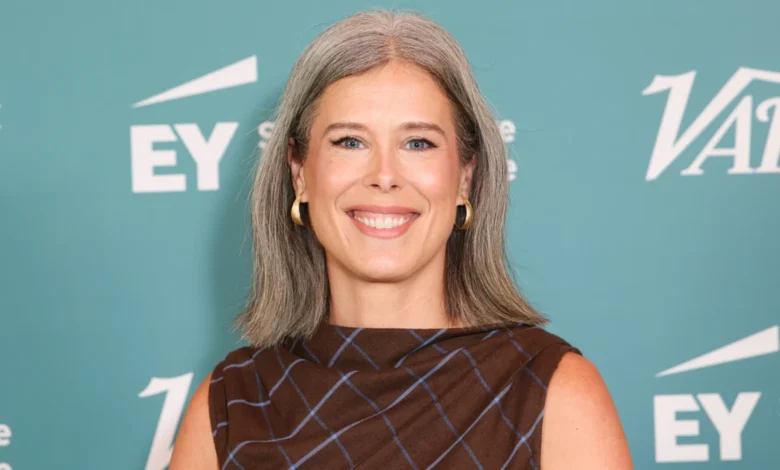
Devon Pritchard, President and COO of Nintendo of America, addressed these developments during a featured panel at the Variety Entertainment & Technology Summit presented by EY. Speaking with Variety co-editor-in-chief Cynthia Littleton, Pritchard emphasized that the company’s trajectory is no longer confined to the traditional console hardware cycle. Instead, the focus has expanded toward creating enduring, multi-generational touchpoints that bridge the gap between digital interaction and passive media consumption.
The Strategic Convergence of Gaming and Film
A cornerstone of this expansion is the deepening collaboration between Nintendo and Sony Pictures. This partnership is set to manifest in a high-profile live-action adaptation of The Legend of Zelda, scheduled for release in late April. This cinematic venture is not an isolated experiment but a calculated effort to synchronize brand presence across disparate entertainment sectors.
The synergy between the upcoming film and the gaming division is underscored by the release of The Legend of Zelda: Ocarina of Time remake. Scheduled for a November debut on the Switch 2, this title serves as a strategic bridge, maintaining player engagement ahead of the film’s spring launch. By timing the release of a seminal, fan-favorite title to precede a theatrical premiere, Nintendo is effectively creating a cross-media feedback loop designed to maximize consumer engagement.
Industry analysts have noted that this approach mirrors successful models seen in the streaming and film industries, where cross-platform synergy is vital for maintaining relevance. By leveraging the deep, four-decade history of the Zelda franchise, Nintendo is not just selling a game; it is managing a legacy brand that spans multiple generations of players.
A Look at the Hardware Lifecycle: The Switch 2 Era
Pritchard was explicit regarding the current standing of the Switch 2 in the global market. "We’re at the beginning of Nintendo Switch 2," she stated during the summit, framing the console as the bedrock upon which the next several years of growth will be built. The first year of the platform’s lifecycle has been marked by a blend of internal software development and robust third-party support, which has helped sustain momentum in a highly competitive hardware market.
The console’s early success provides a fertile ground for the company’s "master plan." Unlike previous hardware cycles where the focus remained largely on the gaming experience alone, the Switch 2 ecosystem is designed to act as a hub for broader content delivery. This involves integrating streaming services, social connectivity, and perhaps most importantly, the aforementioned cross-media IP expansions.
The technical capabilities of the Switch 2 have allowed developers to bridge the graphical gap between classic titles and modern expectations, as evidenced by the Ocarina of Time remake. This, combined with the library of games that the console has accumulated over the past 12 months, creates a compelling value proposition that appeals to both long-time enthusiasts and a younger demographic entering the ecosystem for the first time.
Navigating the Content Saturation Crisis
One of the most pressing challenges addressed by the Nintendo leadership is the current "surplus of content" problem. In an era where consumers are inundated with choices—ranging from short-form social media clips to high-budget streaming series—the competition for the user’s attention has never been more intense.
Pritchard acknowledged this reality but proposed a strategy distinct from that of many industry competitors. Rather than engaging in an arms race to provide the highest volume of content, Nintendo is focusing on the "fun factor" as a metric for longevity. "There are more channels for content than ever before," Pritchard noted. "Content is available 24/7. So I think you hear a lot of times, people saying, we are competing for consumers’ time and I think what’s unique is that Nintendo is focused instead on building experiences that create relationships that last generations."
This philosophy of "lasting relationships" suggests a rejection of the "engagement at all costs" model favored by many digital-first companies. Instead, Nintendo is prioritizing the quality of the user experience to ensure that its IP remains relevant for decades rather than weeks. This, the company argues, is the most effective way to cut through the noise of modern digital entertainment.
Historical Context and Market Implications
The significance of this year cannot be overstated when viewed through the lens of Nintendo’s history. Since the debut of the original The Legend of Zelda on the Nintendo Entertainment System in 1986, the franchise has become a foundational pillar of modern gaming. Over the last 40 years, it has evolved from 8-bit sprites to open-world epics.
The transition into live-action cinema is a significant leap. Historically, the gaming industry has struggled with high-quality adaptations, a trend that began to shift only in recent years. By partnering with established entities like Sony Pictures, Nintendo is mitigating the creative and operational risks inherent in such projects.
From a market perspective, this multiyear plan has profound implications. First, it diversifies Nintendo’s revenue streams beyond hardware and software unit sales. Second, it creates a "halo effect" where successful film adaptations drive renewed interest in older game titles and hardware consoles. Finally, it reinforces Nintendo’s position as a lifestyle brand rather than merely a hardware manufacturer.
The Role of Third-Party Developers
The success of the Nintendo Switch 2 is not solely reliant on Nintendo’s internal teams. Pritchard highlighted the role of third-party developers who have been vital to the console’s early library. These partnerships are a central tenet of the company’s future strategy, as they allow for a broader range of content that can appeal to diverse audience segments.
"I can’t wait to see what the system is going to do and what our talented developers will bring to the table," Pritchard said. This sentiment reflects an openness to collaboration that is essential for any platform holder. By fostering an environment where both internal studios and independent developers can thrive, Nintendo ensures that the Switch 2 remains a vital and dynamic space for interactive entertainment.
Looking Ahead: The Next Three to Five Years
As the company looks toward the next few years, the roadmap appears increasingly clear. The combination of hardware iteration, massive IP utilization, and strategic partnerships with major film studios suggests a company that is confident in its unique market position.
The focus on creating "fun" as a standard of quality remains the ultimate test for any project under the Nintendo umbrella. While the industry at large trends toward complex monetization models and engagement-driven metrics, Nintendo’s commitment to its legacy and its specific brand of entertainment provides a point of differentiation.
As the industry prepares for the release of the live-action Zelda film and the continued rollout of the Switch 2, the message from the Nintendo leadership is one of sustained, long-term growth. The "master plan" is not about a single quarter of success or a single hit product; it is about cementing the company’s place in the broader media landscape for the next 40 years. Whether this approach will successfully navigate the complexities of modern content consumption remains a subject of intense interest for industry observers, but for now, the strategy appears to be one of calculated, nostalgic, and forward-looking growth.
With the 40th anniversary of its most famous hero and the infancy of its newest console, Nintendo is positioning itself at the peak of the industry, waiting to see if its gamble on cross-media synergy will pay off in the long run. As Pritchard indicated, the journey has only just begun.
Related posts: