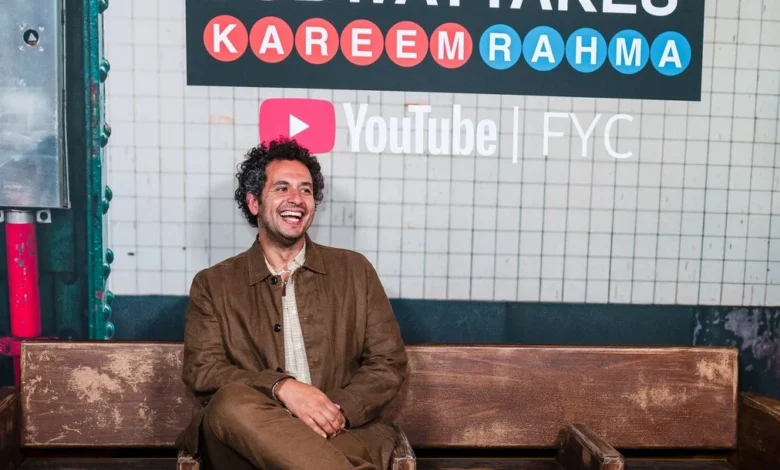
The intersection of digital content creation and traditional Hollywood prestige reached a new milestone when the hit vertical-video series SubwayTakes earned a Primetime Emmy nomination for Outstanding Short Form Series. Created, produced, and hosted by multifaceted artist Kareem Rahma, the show represents a fundamental shift in how independent, creator-led media is conceptualized, produced, and validated by legacy entertainment institutions. Shot entirely on moving New York City subway cars using cinema-grade equipment, SubwayTakes features everyday commuters and A-list guests alike sitting in the hot seat to passionately argue their most trivial, highly specific, and eccentric opinions.
The journey from a modest independent concept filmed on public transit to a critically acclaimed, Emmy-recognized television property highlights the changing dynamics of the modern media landscape. By bypassing traditional studio gatekeepers, embracing strict creative constraints, and elevating everyday individuals to the status of traditional talk-show guests, Rahma and his team have redefined what constitutes a television show in the digital age.
Origins and Creative Philosophy
The conceptual foundation of SubwayTakes is deeply rooted in Rahma’s personal philosophy of creative pragmatism—a mindset he summarizes as doing what is right right now. Eschewing the debilitating cycles of creative paralysis and the pursuit of perfectionism that frequently plague modern producers, Rahma approaches content creation with an urgency to execute ideas immediately. This ethos allowed him to transition fluidly across disparate mediums throughout his career, including poetry, indie rock music, sketch comedy, screenwriting, and publishing.
Born of dual cultural influences growing up between Cairo and Minnesota, Rahma developed a chameleon-like adaptability that later translated into a profound comfort interacting with diverse groups of people. Relocating to New York City provided him with a sense of identity and a community-centric worldview. This localized network became the lifeblood of SubwayTakes, enabling him to leverage interpersonal relationships, quick communications, and local street culture to build the show’s ecosystem from the ground up.
When conceiving the series nearly four years ago, Rahma faced a moment of professional inertia and a reluctance to fail. Rather than seeking out traditional studio backing or waiting for development deals, he chose independence out of necessity. Utilizing the New York City subway system as a production set required minimal financial investment—costing little more than a standard $2.90 subway fare—and yielded a hyper-specific aesthetic. These severe creative constraints forced production discipline, resulting in a distinct visual and conceptual identity that separated the project from standard user-generated content.
Production Strategy and Format Innovation
Unlike typical digital-first clips or screen-lifted excerpts derived from broader television broadcasts, SubwayTakes was intentionally engineered from day one to be self-contained short-form television. Rahma made a deliberate financial and logistical decision to prioritize high production values, utilizing professional Sony FX3 cinema cameras, Sennheiser microphones, and multi-camera setups inside moving subway cars. This uncompromising approach ensured that the series arrived fully formed rather than as a rough pilot or experimental vlog.

The show’s format relies on a careful balance of premeditation and spontaneity. While guests are pre-booked through an intentional mix of personal acquaintances, word-of-mouth recommendations, and street-level networking, the core premise relies on genuine passion for seemingly absurd topics. Rahma has noted that while many individuals express a desire to appear on the program, success on the show requires genuine preparation and a fully formulated, eccentric take. By treating ordinary participants with the high-production reverence typically reserved for celebrity late-night guests, the series established a democratic approach to entertainment that resonated deeply with viewers.
Chronology and Growth of Creator-Led Media
The trajectory of SubwayTakes mirrors a broader evolution within the digital creator economy over the past decade. In the early days of online video platforms, creators were frequently viewed by legacy studios merely as metrics—audiences to be harvested or raw talent to be hastily shoehorned into traditional television formats. Historically, these transitional efforts yielded mixed results, as traditional gatekeepers struggled to translate native digital appeal into structured legacy formats.
SubwayTakes represents a new paradigm where digital-native formats achieve critical validation on their own terms. The series launched independently without traditional network infrastructure, achieving immediate organic traction that justified continued production. Over the ensuing years, the show expanded its cultural footprint while Rahma simultaneously maintained parallel creative projects, such as his secondary YouTube series Keep the Meter Running.
The culmination of this trajectory arrived with the Primetime Emmy nomination for Outstanding Short Form Series. This milestone marked a formal acknowledgment from the Television Academy that short-form, vertical video content produced outside the traditional studio system can meet the highest standards of artistic and technical achievement.
Industry Implications and Future Outlook
The recognition of SubwayTakes by the television industry underscores a fundamental realignment in how media companies evaluate storytelling talent. Rather than attempting to force digital creators into legacy molds, traditional Hollywood institutions are increasingly recognizing that platforms like YouTube, TikTok, and Instagram serve as incubators for sophisticated, highly focused narrative formats.
Industry analysts point out that the Emmy nomination serves as tangible proof that creators possess legitimate storytelling capabilities that transcend mere follower counts. By successfully merging the immediate, unscripted energy of street interviews with the production rigor of cinema-grade television, Rahma and similar independent creators have demonstrated that vertical video is a permanent, viable medium for high-level entertainment rather than a temporary trend.
As the entertainment landscape continues to decentralize, the success of SubwayTakes offers a blueprint for future generations of independent producers. By leaning into creative constraints, rejecting the need for institutional permission, and treating everyday human experiences with genuine curiosity, independent creators are increasingly dictating the terms of modern cultural relevance. For Rahma, the ultimate measure of the show’s success extends beyond accolades, centering instead on capturing the authentic, albeit absurd, energy of urban life during the 2020s for future audiences to look back on with fondness and recognition.