Expanding the Horizon of the Force: Inside the Creation of Star Wars Visions Presents The Ninth Jedi

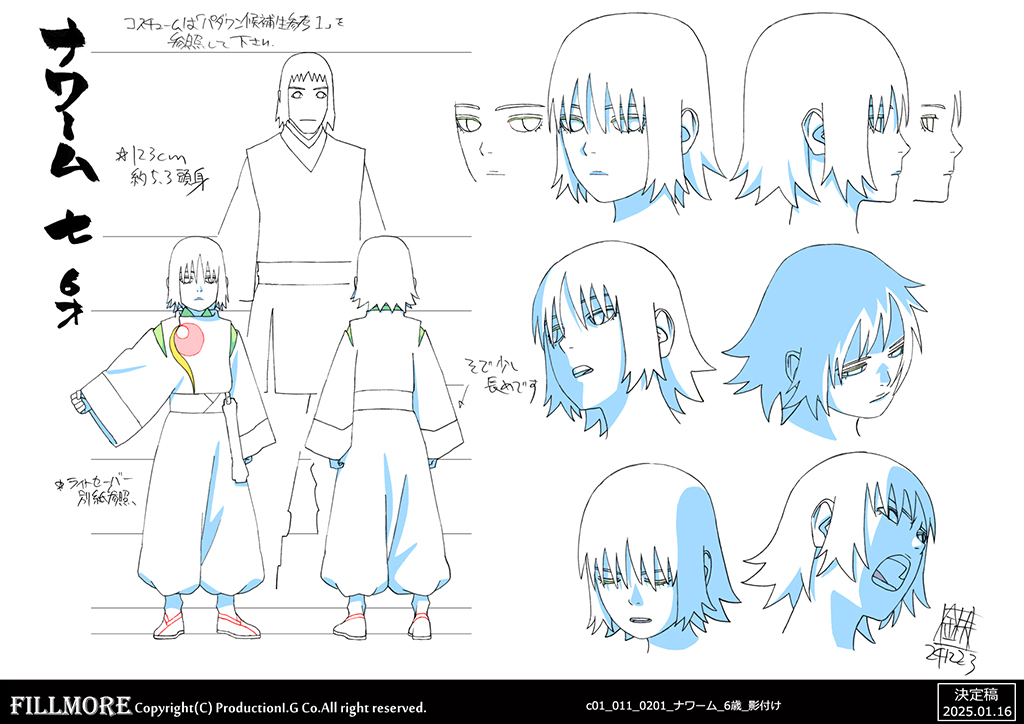
The evolution of Lucasfilm’s celebrated animated anthology series has officially reached a historic milestone, transitioning a fan-favorite short film into an expansive, dedicated narrative canvas. Star Wars Visions Presents – The Ninth Jedi emerges as an eight-episode limited anime series designed to deepen the lore established in previous volumes while reshaping how audiences perceive the boundaries of the galaxy far, far away. Spearheaded by Supervising Director Kenji Kamiyama and Director Shunsuke Tada, the production bridges the gap between traditional Star Wars mythos and distinct Japanese animation sensibilities. By diving deeper into the complex relationship between sabersmith Lah Zhima, his resilient daughter Kara, and the enigmatic antagonist General Nawaam, the series challenges conventional notions of light, darkness, and the institutional legacy of the Jedi Order.
Background Context and Evolution of the Anthology
The roots of this ambitious spinoff trace back to the inaugural volume of Star Wars: Visions, where the original short film The Ninth Jedi introduced viewers to a galaxy recovering from the near-total eradication of the Jedi. In this desolate future, mysterious lightsabers are mysteriously distributed to a select group of surviving force-wielders, triggering a deadly cat-and-mouse game orchestrated by ruthless Jedi Hunters. The narrative thread was subsequently picked up in Volume 3 with The Ninth Jedi: Child of Hope, which intensified the stakes by thrusting Kara into a desperate flight for survival aboard a drifting starship while evading relentless pursuers.
Rather than concluding with a simple standalone resolution, these interconnected shorts laid the groundwork for a much grander story arc. Lucasfilm’s creative team realized that the rich backstories, subtle character dynamics, and geopolitical conflicts hinted at in the shorts demanded a longer format. The eight-episode limited series was consequently greenlit to provide a comprehensive exploration of Lah Zhima’s hidden past, the historical destruction of the planet Bidin, and the deep-seated ideological motivations driving the series’ primary antagonist, General Nawaam.
Chronology and Narrative Arc: Deconstructing Dualism
Set approximately two centuries after the traditional era of Luke Skywalker—in a timeline where neither the Galactic Empire nor the traditional Jedi Order holds sway—The Ninth Jedi structures its narrative around a poignant family reunion. However, achieving this emotional payoff required a meticulously mapped-out chronological progression.
Throughout her harrowing journey, Kara uncovers the hidden truths of her father’s history, leading her to a profound realization: the historical dichotomy between the Jedi and the Sith, or absolute good and absolute evil, cannot be neatly categorized through simple dualism. Rather than following the conventional trope of a weak protagonist who gradually builds strength, Kamiyama made the deliberate creative choice to portray Kara as formidable from the outset. This narrative decision forces the audience to infer the immense hardships she endured prior to the events of the series.
The plot reaches its emotional and philosophical zenith when Kara experiences a catastrophic setback, momentarily giving in to her rage and falling toward the Dark Side of the Force. This descent serves as a structural necessity to embody the core thematic thesis of the series: that justice and evil, the Light Side and the Dark Side, are inextricably linked aspects of a broader universal spectrum. By surviving this psychological crucible, Kara arrives at a state of emotional and spiritual clarity that neither her father nor Master Juro had ever previously attained.
Directorial Vision and Aesthetic Craftsmanship
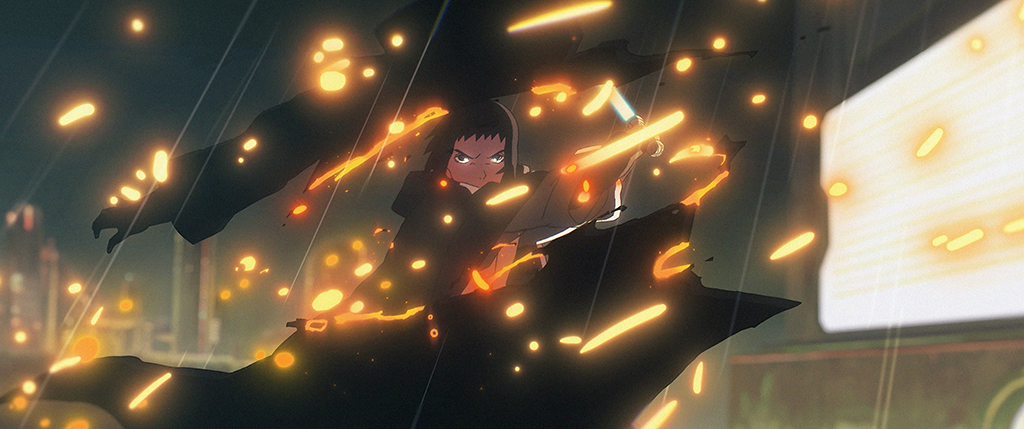
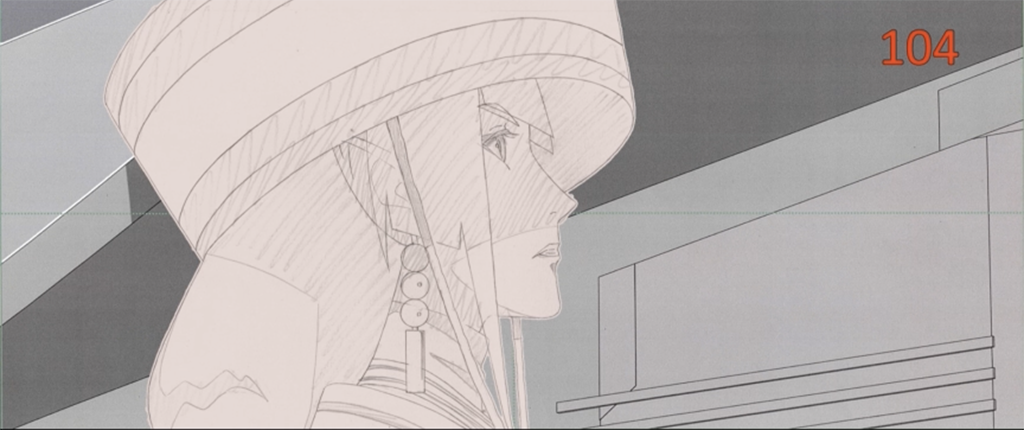
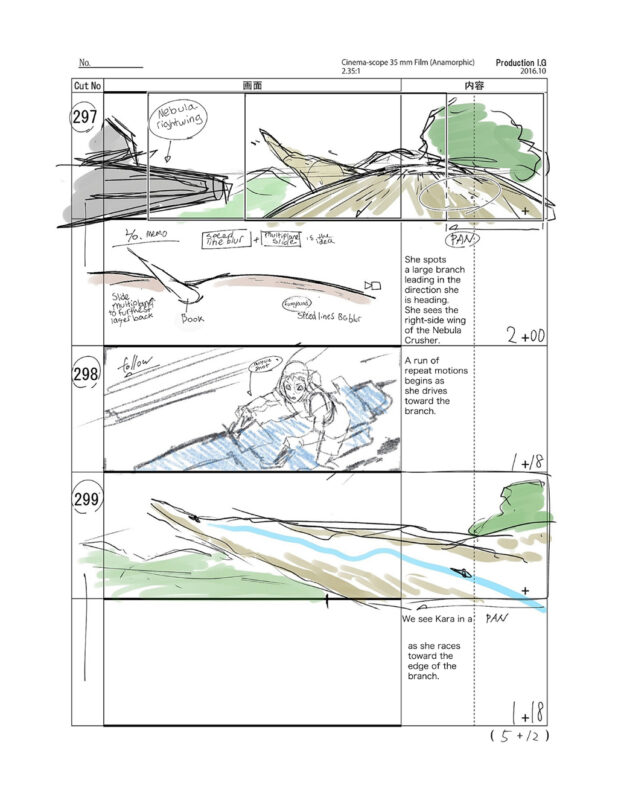
The visual identity of The Ninth Jedi is defined by a meticulous collaboration between two distinct animation paradigms: 2D and 3D digital artistry. According to Director Shunsuke Tada, the deployment of these mediums was strictly intentional. Two-dimensional animation was reserved for elements requiring stylization, organic warmth, and expressive exaggeration—primarily the characters and their fluid physical movements. Conversely, 3D animation was utilized for hard-surface elements, machinery, and environments where organic warmth was intentionally absent.
This technical philosophy extended into the universe’s world-building and prop design. The creative team drew heavy inspiration from historical Japanese weaponry, meticulously designing new lightsaber hilts after traditional katanas and spears. A pivotal creative breakthrough involved the visual representation of the silver lightsaber blade, which symbolizes mu no kyōchi—a state of selfless clarity achieved through the wielder’s absolute mastery over the Force. When characters engage in duels, their choreography intentionally references traditional martial arts stances, such as the mid-level seigan no kamae, before exploding into dynamic, animator-driven action sequences.
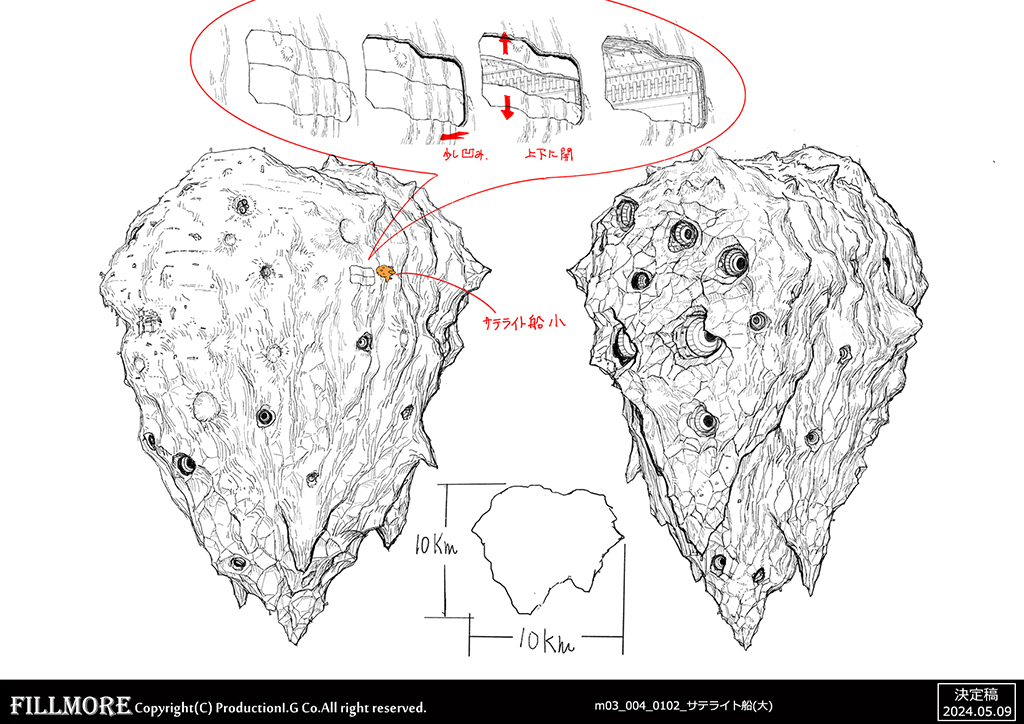
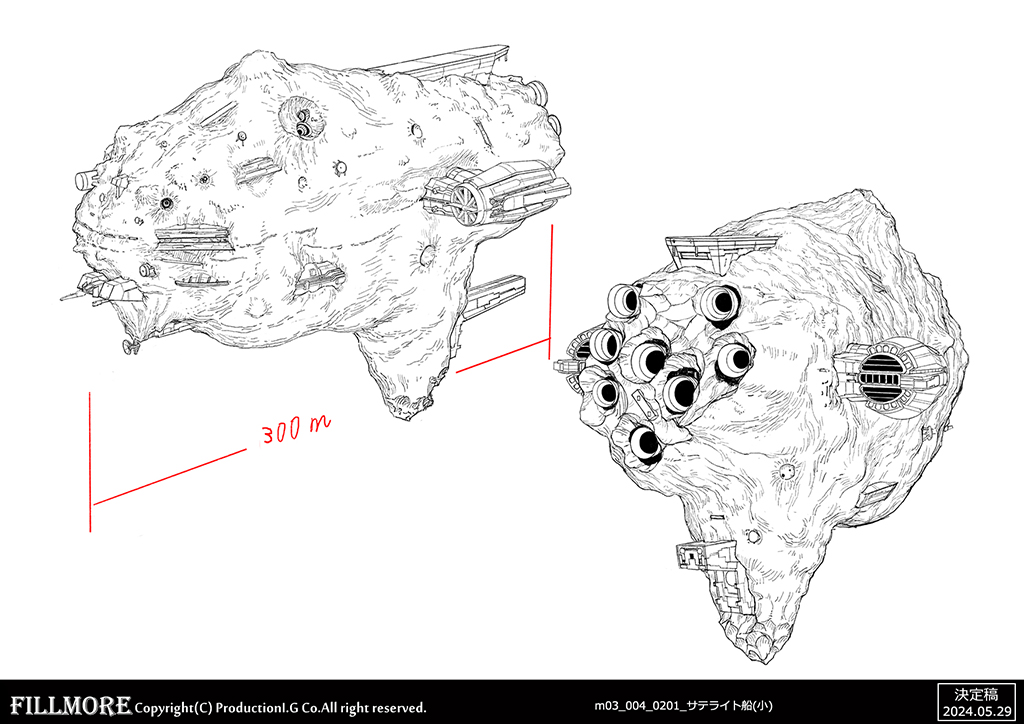
Furthermore, the production team paid homage to classic cinematic history. The holographic communication devices featured throughout the series were deliberately modeled after the low-tech, lo-fi aesthetic of the original 1977 Star Wars: Episode IV – A New Hope, grounding the futuristic anime in a tactile, lived-in reality. Similarly, the design of the mining-planet asteroid starships and the heavily modified cargo ship deployed in the climactic battle of Makoma Ko demonstrate a deliberate effort to expand the technological catalog of the franchise while maintaining visual consistency.
Thematic Complexities and Visual Effects Challenges
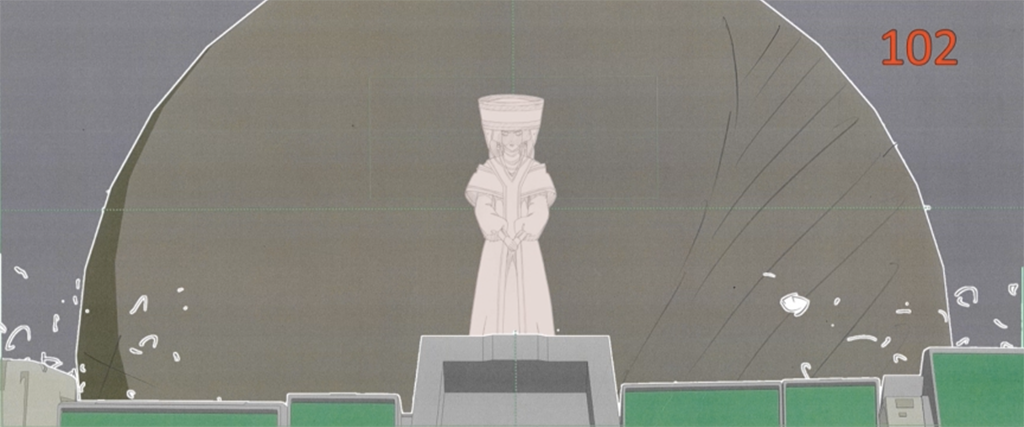
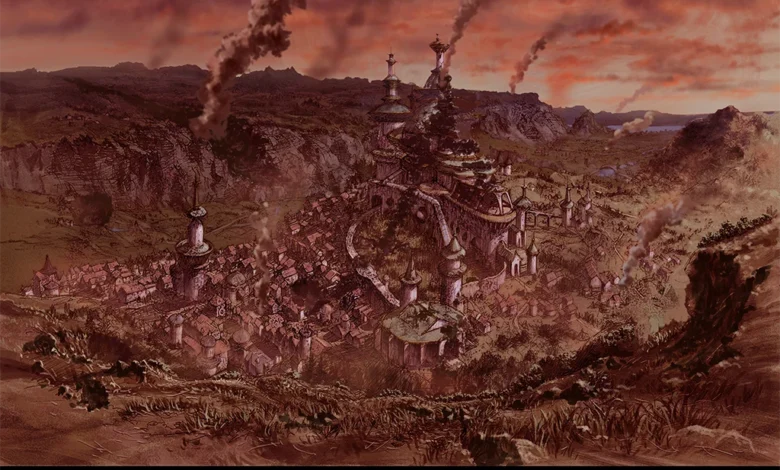
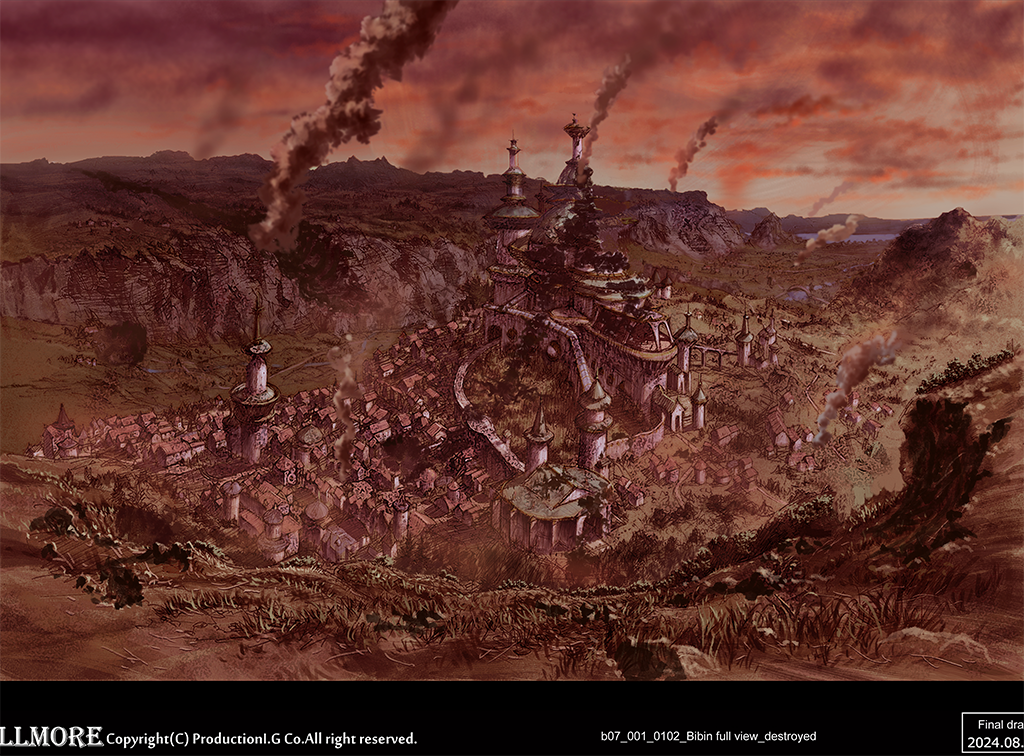
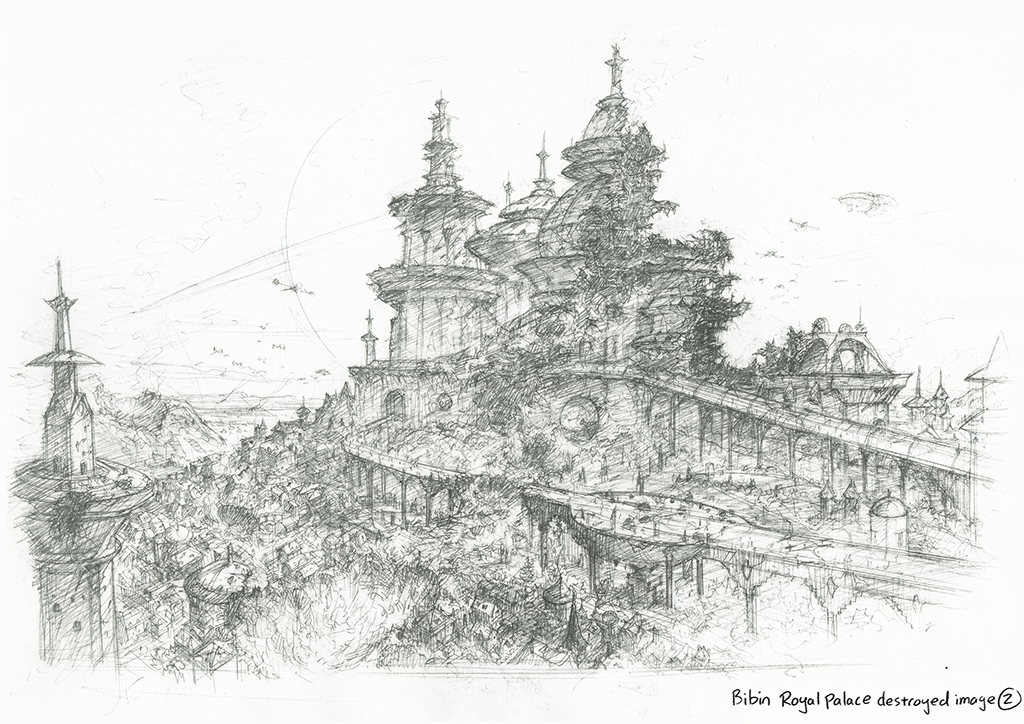
Translating these complex philosophical concepts into animation presented significant technical hurdles, particularly during sequences involving planetary destruction. One of the most devastating moments in the series occurs when a kyber crystal cannon misfires, causing catastrophic collateral damage to the world of Bibin. To visualize this devastation, the effects team had to simulate atmospheric gas—harvested from the gas giant that Bibin orbits—solidifying in the vacuum of outer space and raining down upon the planetary surface. Managing the complex visual effects pipeline required to render this solidifying gas layer proved to be one of the production’s most demanding engineering feats.
At the same time, the directorial team tackled profound thematic questions regarding justice and authority. Kamiyama sought to reimagine the Jedi not as rigid bureaucrats bound by dogmatic rules, but as charismatic, authoritative heroes reminiscent of Japanese samurai generals. By positioning these figures as decisive arbiters capable of maintaining global fairness, the series attempts to re-examine the concept of redemption in a modern context where traditional definitions of righteousness are frequently blurred.
Broader Impact and Implications for the Star Wars Franchise
The release of Star Wars Visions Presents – The Ninth Jedi marks a watershed moment for the franchise’s publishing and television strategies. By demonstrating that anthology concepts can successfully sustain long-form serialized storytelling, Lucasfilm has opened a viable pathway for other beloved Visions shorts to receive dedicated spin-offs.
Industry analysts note that this approach diversifies the demographic appeal of the Star Wars intellectual property, successfully fusing Western space-opera mythos with mature, critically acclaimed anime production methodologies. By stepping completely outside the Skywalker Saga timeline and exploring a post-Empire, post-Jedi future, the creators have granted themselves the freedom to take genuine narrative risks without contradicting core canon constraints.
As the series reaches audiences worldwide, the collaborative effort of its multi-talented creative team stands as a testament to the enduring versatility of George Lucas’s universe. Through striking aesthetic choices, deeply philosophical character arcs, and high-octane martial arts choreography, The Ninth Jedi redefines what contemporary Star Wars animation can achieve, leaving an indelible mark on the franchise’s ongoing expansion.
Related posts: