Strategic Imperatives for Maximizing Holiday Promotions on TikTok in the Second Half of 2026.

As the second half of 2026 rapidly approaches, marketers across industries are sharpening their focus on the pivotal holiday shopping season, a period traditionally responsible for a significant portion of annual sales and brand visibility. The imperative to maximize reach, elevate brand awareness, and drive robust sales figures necessitates a dynamic and adaptable promotional strategy. While many brands may already possess a well-defined holiday marketing calendar or a foundational outline, the incessant evolution of social media usage trends, particularly within the dominant short-form video sphere, mandates a critical reassessment of conventional approaches. To truly capitalize on emergent opportunities, brands must consider the strategic value of cultivating a formidable presence on platforms like TikTok, which has cemented its status as a crucial connector, especially for younger demographics.
The digital marketing landscape has undergone a profound transformation over the past decade, shifting from static advertisements and banner ads to highly interactive and personalized content experiences. This evolution has been particularly pronounced in the realm of social media, which has become an indispensable channel for consumer engagement and e-commerce. Historically, platforms like Facebook and Instagram dominated holiday marketing efforts, offering robust advertising tools and large, diverse user bases. However, the mid-2010s saw the rise of new content formats and platforms, culminating in the meteoric ascent of TikTok. Launched internationally in 2017, TikTok rapidly redefined digital content consumption with its unique algorithm, focus on user-generated short-form video, and emphasis on authentic, trend-driven content. By 2022, TikTok had surpassed one billion monthly active users globally, a testament to its pervasive influence, particularly among Generation Z and younger millennial cohorts. This demographic dividend makes TikTok an undeniable force in shaping consumer trends and purchasing decisions, rendering it indispensable for brands aiming to capture market share during the high-stakes holiday period.
The platform’s unparalleled engagement rates and its capacity to propagate trends at lightning speed present both immense opportunities and unique challenges for marketers. Traditional advertising, often perceived as intrusive or inauthentic, frequently falls flat on TikTok. Instead, success hinges on understanding the platform’s culture, participating in its vibrant trends, and delivering value through entertaining and relatable content. Over the coming weeks, Social Media Today will delve deeper into this evolving landscape, offering a comprehensive series of overviews designed to provide actionable tips and tactics for establishing and scaling an organic social media presence on major platforms. These insights are intended to serve as a robust foundation for broader, more integrated social media promotional efforts. This particular analysis scrutinizes TikTok, acknowledging its dual nature as both an immensely popular and, at times, divisive platform, yet unequivocally a key conduit to younger audiences. The following strategies offer a blueprint for building an effective brand presence and optimizing holiday promotions within this dynamic ecosystem.
Leveraging TikTok’s Trend Intelligence for Strategic Advantage
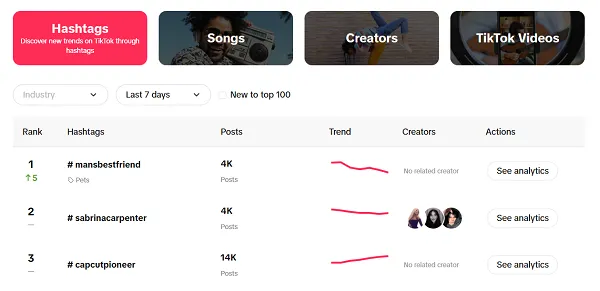
The bedrock of any successful TikTok strategy lies in a profound understanding and agile utilization of the platform’s inherent trend dynamics. TikTok offers an array of sophisticated trend insights tools, invaluable resources for marketers seeking to decode the ephemeral nature of viral content. Foremost among these is the free TikTok Trends tool, an accessible portal that empowers marketers to meticulously track trending topics by specific geographical regions and industry sectors. This functionality allows for granular analysis, enabling brands to pinpoint not only what conversations are currently resonating with their target audience but also how these discussions are evolving.
For instance, a fashion retailer targeting Gen Z in North America could use the tool to identify emerging style aesthetics, popular music snippets, or specific challenges that are gaining traction. This granular intelligence moves beyond superficial engagement, providing deep insights into consumer interests and cultural touchstones. According to a 2024 report by eMarketer, brands that actively participate in platform-specific trends see an average of 30% higher engagement rates on TikTok compared to those that rely solely on evergreen content.
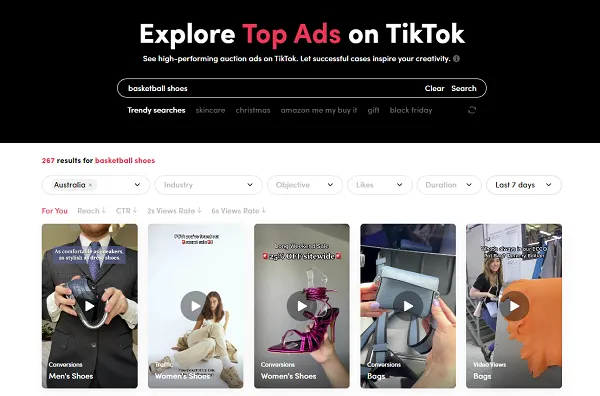
Beyond organic trends, TikTok also maintains a comprehensive Top Ads listing, which serves as an invaluable repository of high-performing advertisements. This feature offers a curated overview of the most successful TikTok ads, categorizable by region, industry, campaign objective, and ad format. Marketers can navigate through a diverse array of examples, dissecting creative approaches, messaging strategies, and visual aesthetics that have demonstrably resonated with TikTok’s diverse user base. A deep dive into the comments section of these top-performing ads can yield further qualitative insights, revealing specific user queries, sentiments, and unmet needs. This user-generated feedback is a goldmine for refining ad copy, content themes, and even product development. Industry analysts at Gartner have consistently highlighted the importance of user feedback integration in agile marketing frameworks, noting that platforms like TikTok provide direct, unfiltered consumer sentiment at scale. The insights gleaned from both the TikTok Trends tool and the Top Ads listing are instrumental in informing a holistic TikTok ad strategy, illustrating not only the prevalent discussions within each business niche but also the precise methodologies through which the most successful brands are integrating these insights into their promotional endeavors.
Cultivating a Dynamic Content Repository: Themes and Formats
Building upon the robust data harvested from TikTok Trends and Top Ads, marketers are well-positioned to construct a comprehensive database of key themes and content formats that consistently capture and sustain user attention. This structured approach moves beyond reactive trend-following, enabling a proactive and strategic content pipeline. The database should categorize content by its core message, emotional appeal, and visual execution. For example, a theme could be "Holiday Gifting Ideas," with formats ranging from "unboxing videos," "quick tutorials," "behind-the-scenes glimpses," or "storytelling narratives" featuring user testimonials.
This systematic cataloging provides a panoramic overview of how best to angle holiday promotions to align intrinsically with TikTok user interests. It directly points to the video styles, sound bites, and engagement mechanics that have proven effective for other brands, both within and outside a specific competitive set. For instance, if comedic skits paired with trending audio consistently outperform product-focused showcases in a given industry, the brand’s content strategy should pivot to incorporate more of these formats. Data from TikTok’s internal studies often indicates that videos incorporating trending audio and visual effects achieve a 45% higher completion rate. This repository acts as a living document, constantly updated with new insights, ensuring that the brand’s content remains fresh, relevant, and highly engaging. It fosters a creative yet data-driven environment, allowing content teams to experiment within proven parameters while continuously optimizing for peak performance during the critical holiday sales period.
The Power of Creator Collaborations: Examining Influencers
Influencer marketing on TikTok stands as a uniquely potent tool, primarily because creators inherently possess a more profound and nuanced understanding of the platform’s culture and dynamics than many traditional brands. Their authenticity, often cultivated through years of consistent engagement and community building, resonates deeply with TikTok’s audience, who prioritize genuine connections over overt commercialism. Consequently, brands can strategically leverage TikTok Trends not only for content ideas but also to identify the most popular and influential creators within specific topical niches.
By analyzing creator performance and audience demographics through the trend tool, marketers can gain invaluable guidance on effective content approaches and develop a more acute understanding of what truly works within their specific industry segment. This identification process extends beyond mere follower counts; it encompasses engagement rates, audience sentiment in comments, and the creator’s ability to drive authentic conversations. A 2023 report by Influencer Marketing Hub revealed that TikTok campaigns leveraging micro-influencers (10K-100K followers) often achieve higher engagement rates and better ROI due to their perceived authenticity and niche audience connection.
Furthermore, brands that possess a granular understanding of their niches are significantly better equipped to identify and vet potential influencers for collaborative holiday promotions. This involves assessing not only the creator’s relevance to the brand’s values and target demographic but also their past performance in driving conversions or brand sentiment. For instance, a beauty brand launching a holiday collection might seek out a makeup artist known for authentic reviews and tutorials, rather than a generic lifestyle influencer. Collaborative campaigns can range from sponsored content and product reviews to co-created challenges and livestream shopping events. Experts from leading digital agencies like Ogilvy have consistently advised brands to prioritize long-term relationships with creators, transforming them into brand advocates rather than one-off campaign participants, especially during high-stakes periods like the holidays. This strategic alignment with creators allows brands to tap into established communities, foster trust, and deliver promotional messages in a manner that feels native and valuable to the TikTok ecosystem, ultimately amplifying holiday marketing efforts.
Formulating an Agile and Data-Driven Strategy
Armed with comprehensive research derived from TikTok’s trend intelligence, content format analysis, and influencer identification, marketers are now empowered to construct a robust and adaptable strategic approach for TikTok. This strategy must be intrinsically aligned with their industry’s prevailing trends and engineered to resonate deeply with users who actively engage with related content. The core principle is agility: the strategy should not be static but rather a dynamic framework that can evolve in real-time.
A well-formulated TikTok strategy for the holiday season will include:
- Content Pillars: Define overarching themes that align with holiday spirit and brand values (e.g., gifting guides, festive DIYs, behind-the-scenes holiday prep).
- Content Calendar: Map out specific content ideas, formats, and posting schedules, incorporating trending sounds and challenges where appropriate. This calendar should have built-in flexibility for emergent trends.
- Influencer Collaboration Plan: Outline potential creator partnerships, campaign objectives, and key performance indicators (KPIs) for each collaboration.
- Paid Media Integration: While the focus is on organic, a strategic allocation of budget for TikTok Ads can amplify high-performing organic content and target specific demographics with precision.
- Community Engagement Protocol: Define how the brand will interact with comments, DMs, and user-generated content (UGC) to foster a sense of community and authenticity.
Crucially, brands must maintain an unwavering awareness of nascent trends, diligently keep abreast of niche interests, and possess the capability to swiftly capitalize on emerging opportunities. This necessitates continuous monitoring of the broader conversations unfolding within the app, allowing for rapid iteration and optimization of content. For example, if a new viral sound emerges that perfectly complements a brand’s holiday product, the strategy should allow for immediate content creation leveraging that sound. According to a 2024 report by McKinsey & Company on digital marketing agility, brands that can adapt their social media content strategy within 24-48 hours of a new trend emerging see a 2x increase in campaign effectiveness. This strategic flexibility is paramount, ensuring that the brand’s holiday messaging remains relevant, timely, and impactful in TikTok’s fast-paced environment.
The Critical Role of Analytics in Optimization
The final, yet perpetually ongoing, step in maximizing TikTok holiday promotions is the diligent and insightful study of analytics. Once content is deployed and campaigns are launched, marketers must leverage TikTok’s robust analytics suite to meticulously measure the response to their content and overall activity. This data-driven feedback loop is indispensable for understanding what resonates with the audience and what falls flat. Key metrics to monitor include:
- Reach and Impressions: To understand content visibility.
- Engagement Rate: Likes, comments, shares, and saves, indicating audience interaction.
- Video Completion Rate: A critical metric for short-form video, indicating how captivating the content is.
- Follower Growth: Tracking the expansion of the brand’s community.
- Profile Visits and Clicks: Measuring user interest in exploring the brand further.
- Conversion Data (for TikTok Shop or linked websites): Directly attributing sales to TikTok efforts.
By meticulously analyzing these metrics, marketers can identify high-performing content types, trending sounds that drive engagement, and messaging strategies that lead to conversions. This insight allows for a process of "doubling down on what’s working" – allocating more resources, time, and creative energy to replicating successful formulas. Conversely, content or strategies that underperform can be swiftly identified and iterated upon or entirely abandoned, preventing wasted resources. For instance, if data shows that user-generated content featuring product unboxings drives significantly higher conversion rates than polished studio ads, the brand can pivot its strategy to encourage and amplify more UGC. A 2023 study by Nielsen highlighted that campaigns optimized through continuous analytics show an average of 15-20% improvement in ROI.
The fundamental tenet of success on TikTok lies in a deep, intuitive understanding of the app’s unique culture and the specific content types that elicit a positive response from its diverse user base. Overtly promotional or highly polished marketing efforts, characteristic of traditional advertising, are typically less successful on TikTok, often perceived as inauthentic. Instead, by immersing themselves in major trends, actively listening to community feedback (especially in comment sections), and analyzing performance data, marketers can gain an unparalleled sense of what truly resonates and what falls flat. This includes discerning the questions users are asking and, crucially, identifying how their brand can provide valuable, entertaining, or informative answers through its content. This iterative process of creation, measurement, and optimization is not merely a tactic but a core operational philosophy for achieving sustained success and maximizing holiday sales within the dynamic and ever-evolving TikTok ecosystem.
Broader Implications and Future Outlook
The strategic importance of TikTok for holiday promotions extends beyond immediate sales figures, carrying broader implications for brand building and long-term market positioning. For many brands, particularly those targeting younger demographics, TikTok has become the primary discovery engine, supplanting traditional search or even other social platforms. This necessitates a fundamental shift in marketing investment and creative resource allocation. The platform’s ongoing foray into e-commerce with features like TikTok Shop further blurs the lines between entertainment and shopping, a phenomenon often termed "shoppertainment." Brands that master this blend are poised to gain a significant competitive edge, turning casual scrolling into seamless purchasing experiences.
However, the TikTok landscape is not without its challenges. Regulatory scrutiny, particularly in Western markets regarding data privacy and national security, introduces an element of geopolitical uncertainty. Brands must remain aware of these external factors and build strategies that are adaptable to potential policy shifts. Despite these headwinds, industry projections for H2 2026 suggest continued growth in social commerce, with TikTok expected to remain a dominant player. Analysts from Statista predict that global social commerce sales will reach nearly $2 trillion by 2026, with short-form video platforms being a primary driver.
For brands, the implications are clear: an agile, data-driven, and culturally sensitive approach to TikTok is no longer optional but a strategic imperative. The holiday season of 2026 will not merely be a test of promotional efficacy but a litmus test of a brand’s ability to adapt, innovate, and authentically connect with a digitally native audience on their preferred platforms. Those that embrace TikTok’s unique ecosystem, investing in understanding its trends, fostering creator partnerships, and meticulously analyzing performance, will not only maximize their holiday sales but also fortify their brand’s relevance and resilience in an increasingly dynamic digital future. The era of passive social media presence is over; the age of active, engaged, and optimized participation is here, and TikTok is at its forefront.
Related posts: