The Boroughs: Netflix Unleashes 1980s Amblin-Inspired Horror and Adventure with Cutting-Edge Visual Effects.

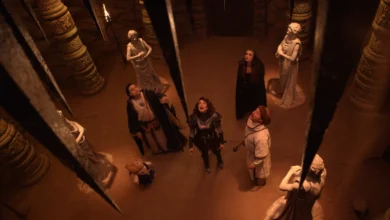
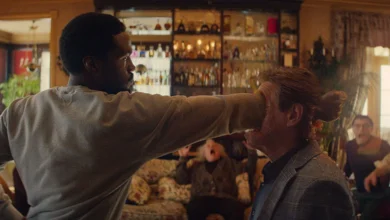
Netflix is set to transport audiences into a world where nostalgia for 1980s Amblin Entertainment meets chilling otherworldly threats in its highly anticipated series, The Boroughs. Created by Jeffrey Addiss and Will Matthews, and executive produced by the acclaimed Duffer Brothers, known for their global phenomenon Stranger Things, this eight-episode season promises a unique blend of horror, comedy, and adventure. Set against the seemingly idyllic backdrop of a luxury retirement community in New Mexico, the series follows a group of seasoned residents who stumble upon a supernatural danger and band together to confront it. The stellar ensemble cast features industry veterans such as Alfred Molina, Alfre Woodard, Denis O’Hare, Clarke Peters, Jena Malone, and Academy Award winner Geena Davis, lending significant dramatic weight and audience appeal to the production.
A Homage to 1980s Genre Cinema and the Duffer Brothers’ Influence
The creative impetus behind The Boroughs is deeply rooted in a desire to recapture the distinct charm and suspense of 1980s Amblin productions, a sensibility that has resonated strongly with contemporary audiences, particularly through the Duffer Brothers’ previous work. This commitment to a specific aesthetic, blending genuine scares with heartwarming camaraderie and thrilling escapades, forms the narrative backbone of the series. The Duffer Brothers’ involvement as producers signals a clear intention to deliver a high-quality genre experience that aligns with their established brand of sophisticated, nostalgia-infused storytelling. Their track record with Stranger Things, which masterfully fused 80s pop culture with sci-fi horror, sets a high bar for the visual and narrative ambition of The Boroughs.
Visual Effects Supervisor Tara DeMarco elaborated on this foundational "vibe," stating, "The vibe started in the script, in terms of the characters, how they care about each other, and the Goonies-like way that they go on adventures as seniors." This emphasis on character-driven adventure, even for an older demographic, distinguishes The Boroughs within the crowded streaming landscape. Showrunners Jeffrey Addiss and Will Matthews, frequent collaborators whose writing credits include the forthcoming animated epic The Lord of the Rings: The War of the Rohirrim, possess a profound interest in visual effects, particularly creature work and magic, aiming to deeply immerse the audience in the show’s fantastical elements. "Will and Jeffrey are in love with creature work and magic, and they want the audience to be transported," DeMarco affirmed, highlighting the collaborative spirit that guided the visual storytelling.
An Acclaimed Ensemble Cast Brings Gravitas
The casting of The Boroughs is a testament to its ambitious scope, bringing together a group of actors celebrated for their diverse and impactful careers. Alfred Molina, widely recognized for his roles in Spider-Man: No Way Home and numerous other films and stage productions, brings a depth of experience to his character, Sam Cooper. Alfre Woodard, an acclaimed actress with multiple awards and nominations across film, television, and theatre, adds significant gravitas. Denis O’Hare, known for his compelling performances in series like True Blood and films such as Dallas Buyers Club, contributes his unique intensity. Clarke Peters, celebrated for his work in The Wire and Foundation, and Jena Malone, known for her roles in Rebel Moon and The Hunger Games franchise, further enrich the ensemble. The presence of Geena Davis, an Academy Award winner for The Accidental Tourist and an icon from films like Thelma & Louise, is particularly noteworthy, promising a powerful and potentially scene-stealing performance. This caliber of talent not only elevates the series but also attracts a broad audience base eager to see these seasoned actors navigate a new and thrilling narrative.
Crafting the Visually Distinct World of New Mexico
The aesthetic of The Boroughs is a meticulously crafted fusion of mid-century modern design and authentic Southwestern elements, designed to establish a believable and cherished community worth fighting for. The luxury retirement community in New Mexico was conceived with a specific historical context in mind, aiming for a look that would resonate with residents who grew up in the 1950s and 1960s. "Will and Jeffrey wanted the town to feel integral to the story, and that had to be a real place that the seniors wanted to fight for," DeMarco explained. The architecture drew inspiration from Palm Springs houses, blending their distinctive mid-century modern lines with adobe structures and a town square reflecting Southwest heritage. To ensure environmental authenticity, a comprehensive "plant bible" was developed, detailing flora indigenous to New Mexico and the surrounding Southwest region.
This commitment to in-camera realism was a cornerstone of the production, driven by Director of Photography Matthew Jensen. Jensen utilized softer lenses and specific lens treatments to achieve a particular visual texture, conducting early tests to ensure these choices would still integrate seamlessly with visual effects. DeMarco noted, "Matt also wanted to keep a fair amount of The Boroughs in-camera, as did the showrunners. We did a lot of prep at the start in Unreal Engine, in an asset that Pixomondo built, trying to figure out what we would see, what we wouldn’t see, where we’d owe an extension, and where we could build some extra set, so that we could all stay in-camera; that allows for more magic and spookiness later because you’re not trying to fix every frame. The visual effects were more intentional." This strategic use of previs and practical builds allowed the VFX team to focus their efforts on enhancing the fantastical elements rather than correcting basic environmental shots.
The Enigmatic Creature: Mother’s Design and "Geriatric Parkour"
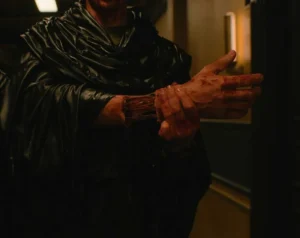
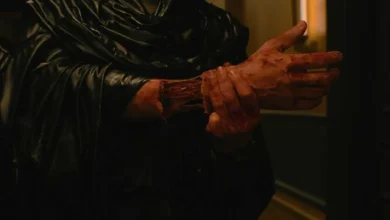
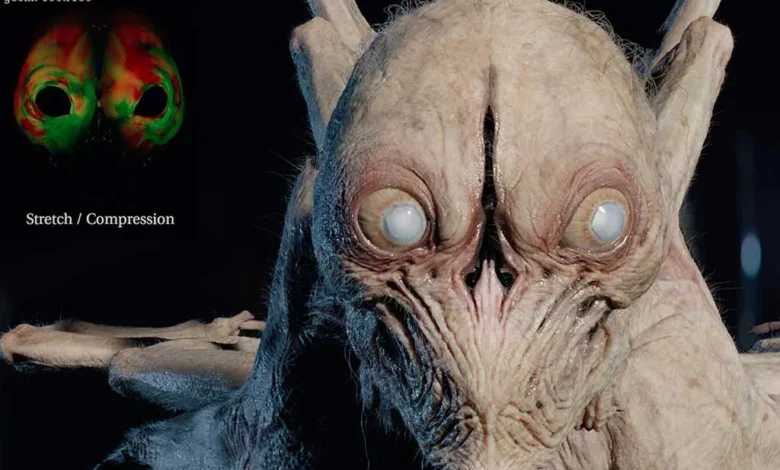
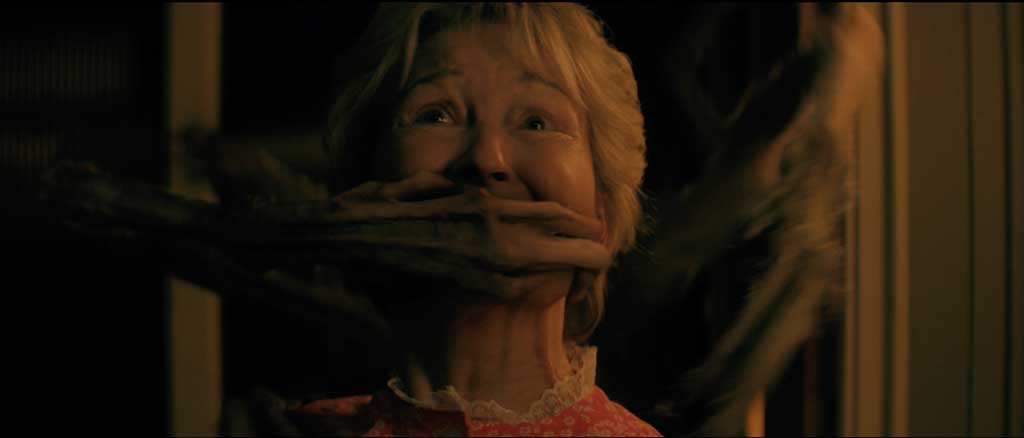
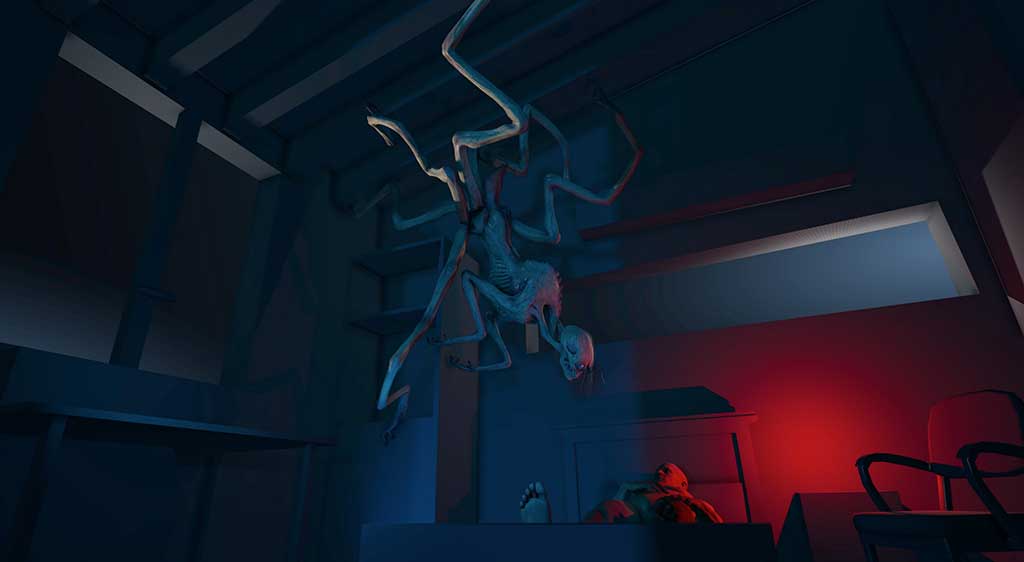
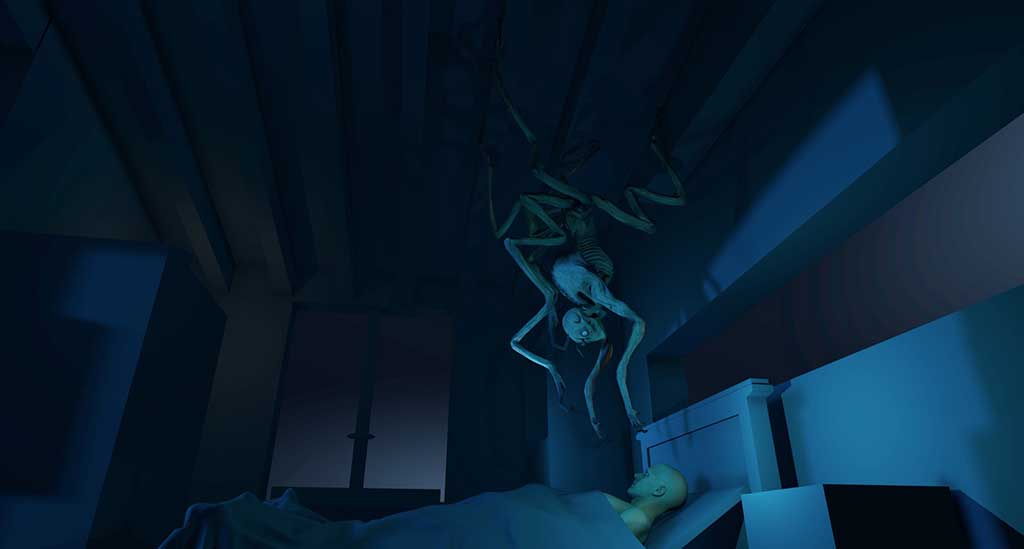
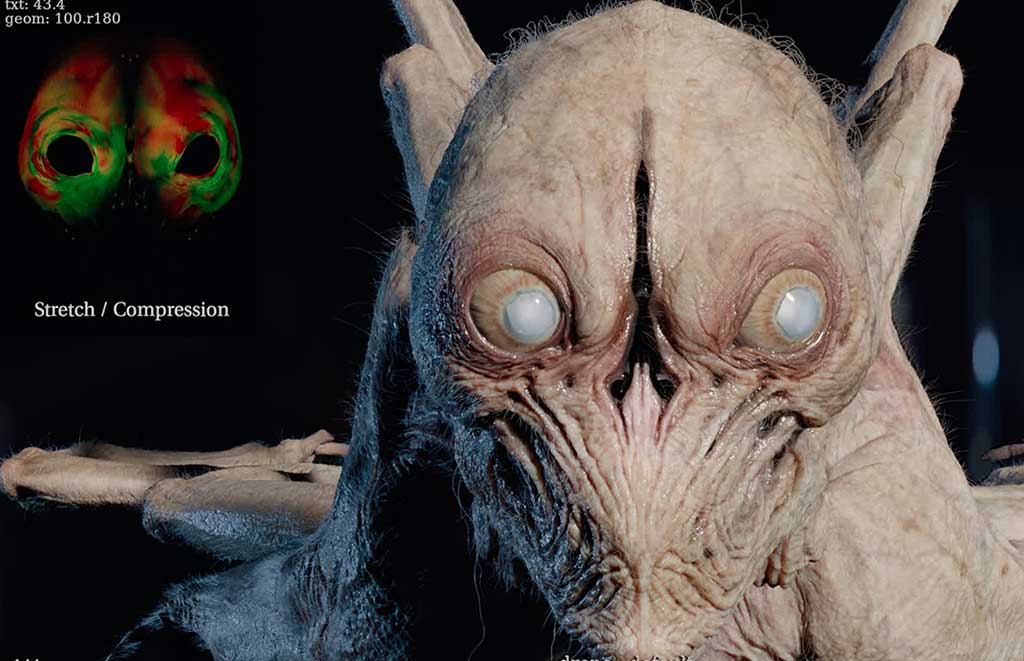
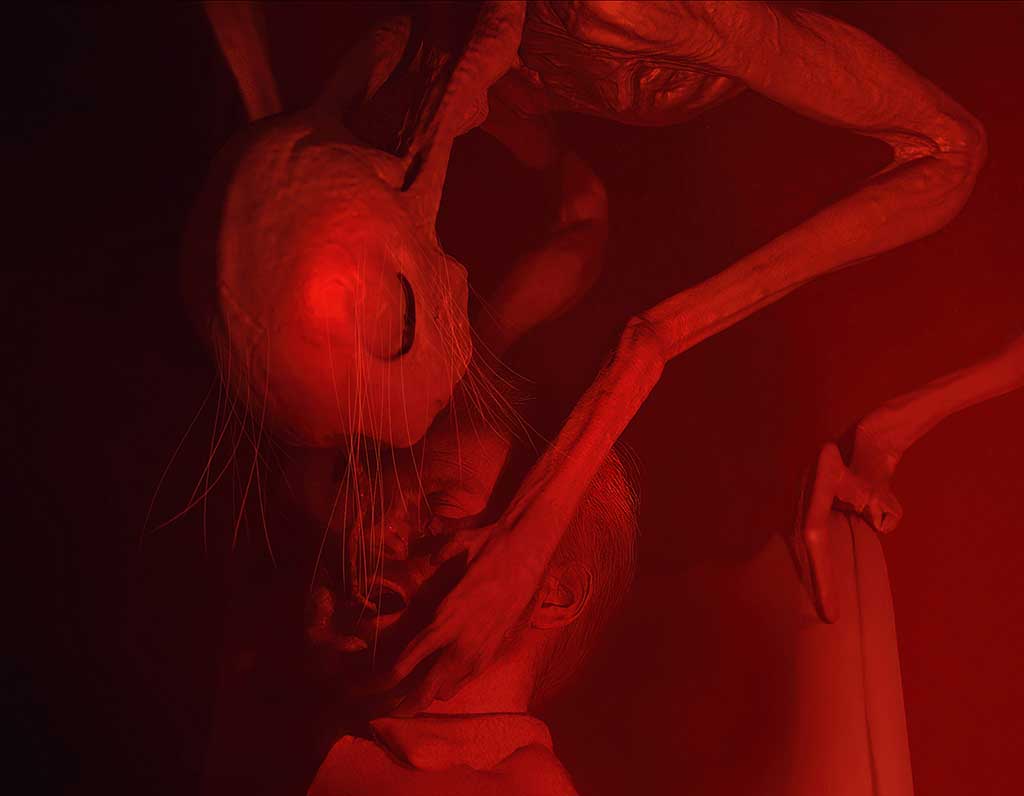
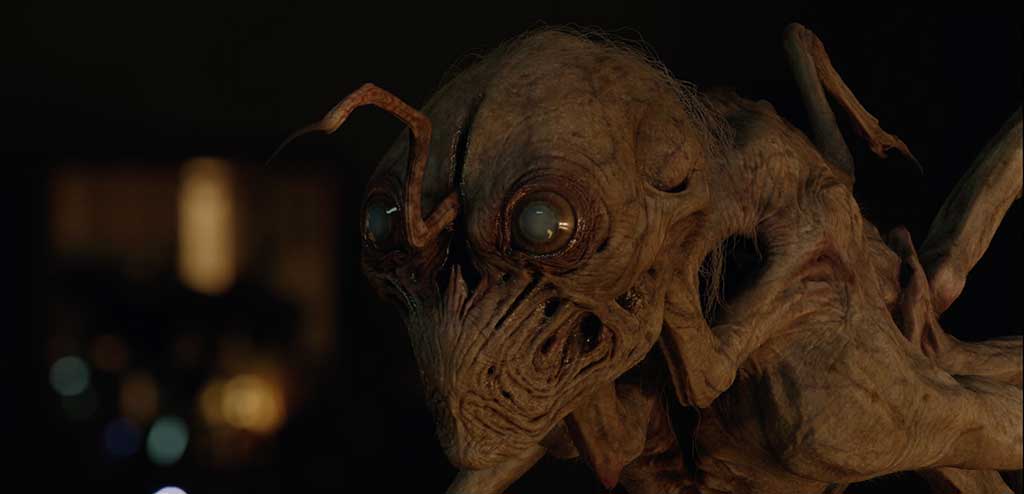
Central to the otherworldly threat is the creature known as "Mother," a character designed to evoke both fear and, ultimately, sympathy. The creature’s appearance was a key design focus, intended to feel ancient, with descriptors such as "thin skin, hair, and liver spots," and movements that conveyed a certain frailty. DeMarco revealed, "There were a lot of conversations about animation and how the skin should wobble and react. We studied an old ballerina in her 70s who could still do pointe to figure out how the musculature would be defined [while retaining] some skin laxity." This meticulous attention to anatomical detail aimed to create a being that, despite its monstrous nature, possessed a relatable, almost childlike arc.
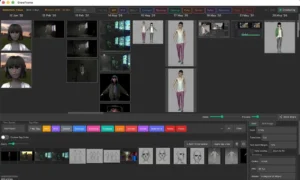
The design process involved several stages, starting with concept artist Jerad Marantz, known for his work on Doctor Strange in the Multiverse of Madness, who focused solely on the creature’s initial appearance. This was followed by visual effects concept artist Jamie O’Hara, who developed keyframes to guide the animation. The production employed a sophisticated workflow for integrating Mother into scenes: sets were scanned using Polycam, and these scans were then sent to ILM (Industrial Light & Magic) for previs (pre-visualization) of the creature’s movements. This allowed the team to precisely plan shots on set. Postvis (post-visualization) by ILM then served as the blocking animation, streamlining the process significantly.
One of the creature’s most complex attributes was its eight limbs, six of which featured five segments each, posing a significant animation challenge. "We spent a bunch of time figuring out how it would move," DeMarco stated, noting the intricate muscle flex and release required to convey older skin laxity and movement. ILM London developed a unique animation style for Mother, affectionately dubbed "geriatric parkour," to depict its unusual agility despite its age. To facilitate on-set interaction and provide accurate lighting references for the complex CG model, Onyx Forge Studio created a range of practical props, including tiny hands for actor interaction, a stand-in proboscis, and a bust for early lighting. A full-size creature model was eventually built for the finale, allowing for precise lighting studies by DP Matt Jensen, further blurring the lines between practical and digital effects.
Mastering the Magic and the Macabre: Visual Effects Sequences
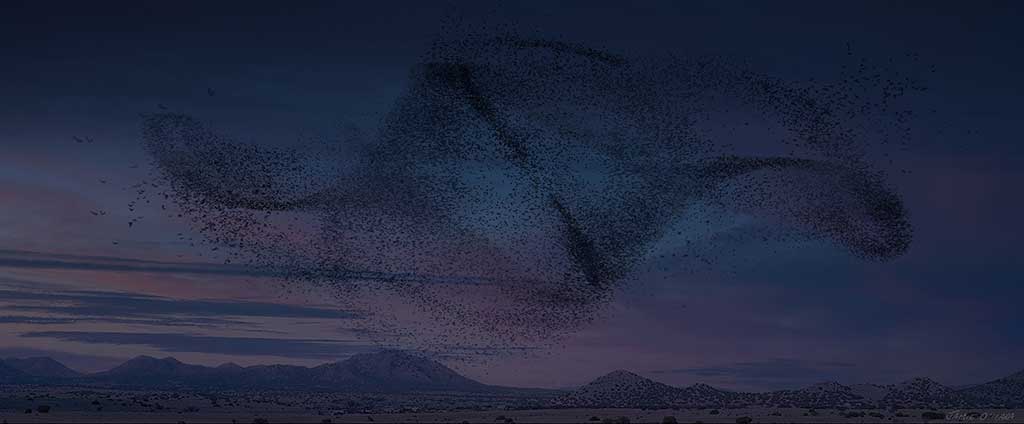
The series features a myriad of visual effects sequences, each contributing to the show’s unique blend of horror and wonder. The crow murmuration, while visually stunning, presented a significant challenge. Unlike starlings, crows do not naturally form murmurations, requiring the VFX team to conceptualize and execute a complex, large-scale bird formation that also served a narrative purpose, including the mass death of the birds. "The crow murmuration was probably the most complicated series of shots to finish because it’s an odd thing… Additionally, the crows had to both die en masse and tell a story," DeMarco explained, highlighting the artistic and technical difficulty involved.
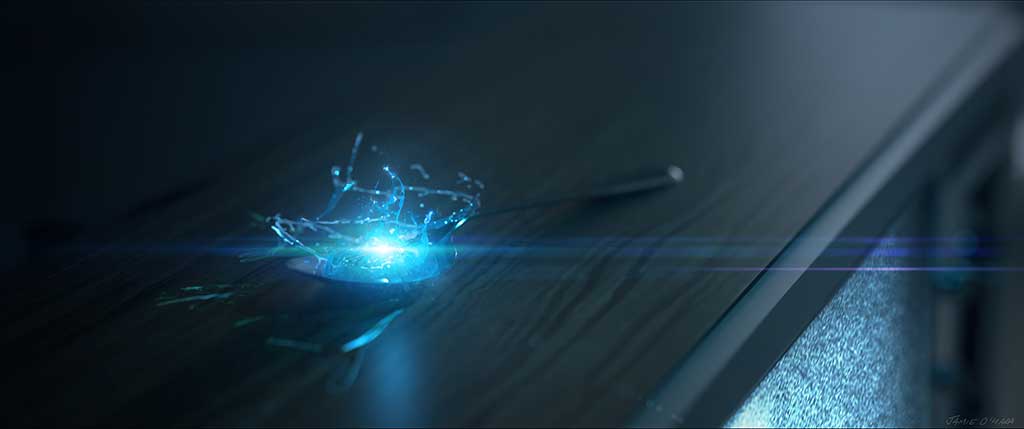
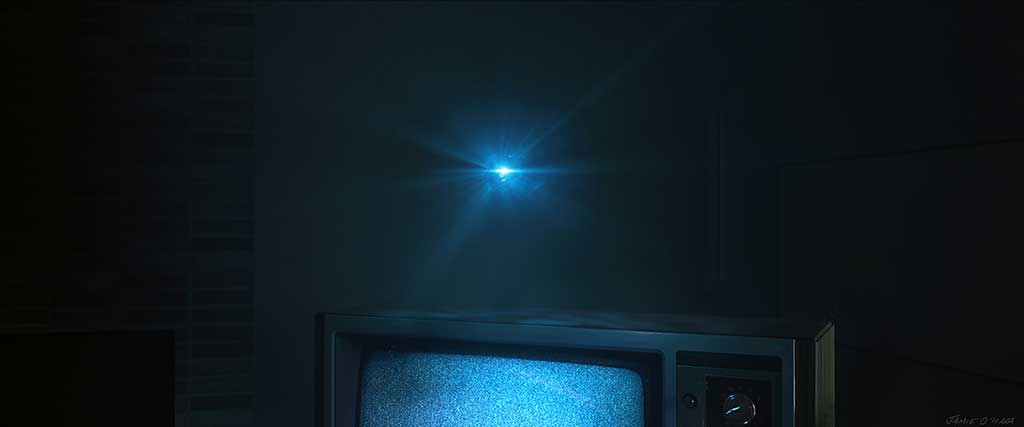
Another critical visual element was the "glitching" effect, particularly in scenes where Sam (Alfred Molina) experiences hallucinations of Mother communicating with him. This visual distortion was conceived as a "transmission" from Mother, activated by old televisions and designed to play with the language of classic TV static. "We added a few glitches to the moments that are supposed to be like a transmission using Sam’s language. Sam loves old TVs," DeMarco detailed, explaining how grain and other effects were added to assets to enhance this communication.
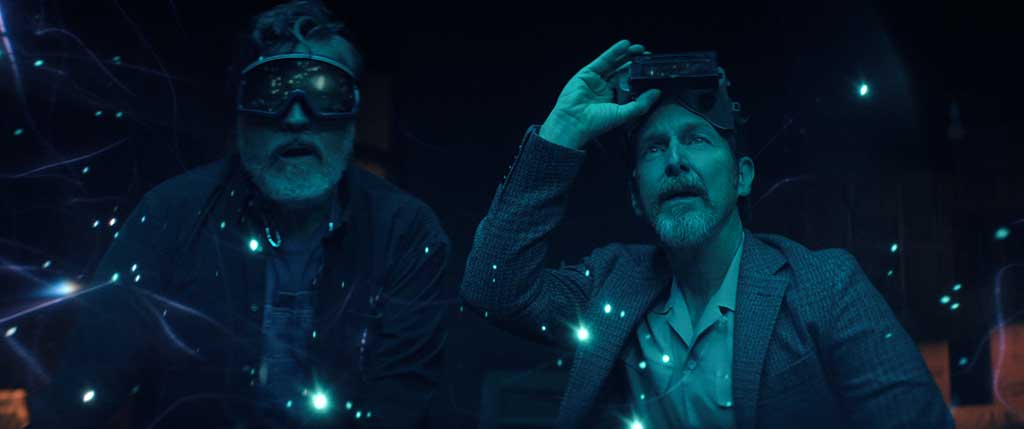
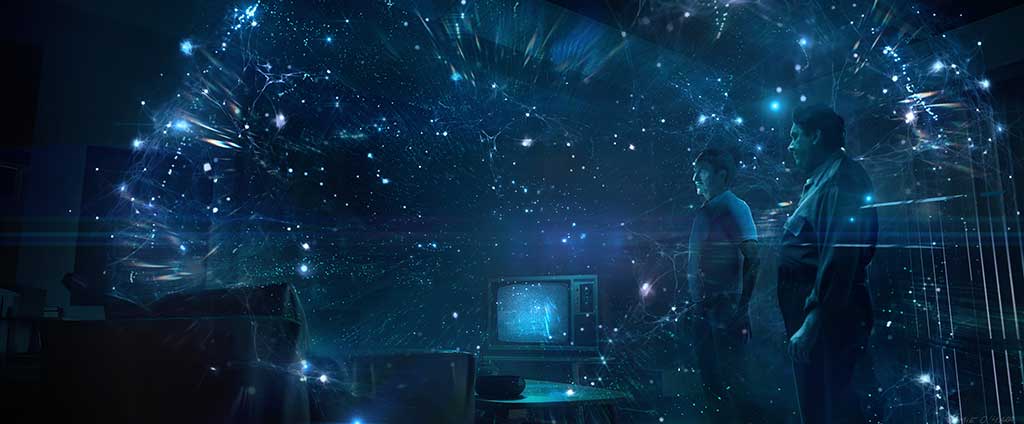
The climactic explosion in Episode 102, which manifests as a star map, was a triumph of collaborative effects. This dramatic moment, with its "atmospheric swirl of magic," required precise coordination between practical lighting and visual effects. The lighting department created a "funky, multicolored, glowing hammer" for when the magical energy was concentrated, complemented by overall blue lighting with a flicker. VFX enhancements added caustic effects and further broke up the light, creating a seamless "handshake between in-camera lighting and visual effects enhancement." Art direction ensured that the actors’ faces remained clear amidst the spectacle, allowing their performances to shine.
The show also delves into body horror with the "monster-y" transformations of characters, where human skin appears to melt away to reveal the monster underneath. These monster faces began as prosthetic builds, which were then augmented with visual effects. DeMarco clarified, "Prosthetics are additive, and Will and Jeff really wanted the wounds to look like they hurt. We would do a little bit of shot sculpting to make sure that the wounds felt wet, as if they were fresh cuts, and looked painful." ILM London, led by Visual Effects Supervisor Steve Ellis, spearheaded the transition from human to monster, implementing a gross yet detailed effect where "little flecks of skin in the other particulate that go away."
An Iconic Stunt and Seamless Digital Integration
One of the most thrilling sequences involves Geena Davis reliving a moment reminiscent of her iconic role in Thelma & Louise, with her character driving a car off a cliff. Davis’s dedication to the role was evident, as she performed nearly all of her stunts. "Gina, as a human and an actor, wants Renee to kick ass and take names, so she was all-in on doing as much of that scene herself as she could," DeMarco revealed. Special Effects Coordinator Daniel Holt meticulously planned the car stunt, utilizing seven cameras to capture the precise moment the vehicle went over the edge.
For the actual plunge, a dummy was used, but the production team executed an innovative digital replacement. "With Steve’s team at ILM, we reverse-tracked both the cameras and the car action and did a motion-control shoot with Eric Edelstein, the actor who plays Hank. We had him essentially hold the position he would have been in if he had actually been flung off the cliff. We were able to comp replace the dummy with an element of Eric, which is a super win for visual effects," DeMarco explained. This highly planned and thoughtfully executed replacement minimized the need for a digital double, a testament to efficient pre-production and on-set coordination. Only one digital face replacement was used in the entire show for a stunt performer, specifically for Renee as she jumped off the back of the car.
Expanding the New Mexico Landscape: World-Building and Environment
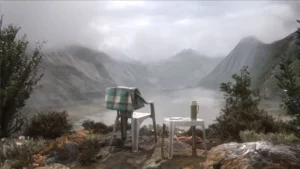
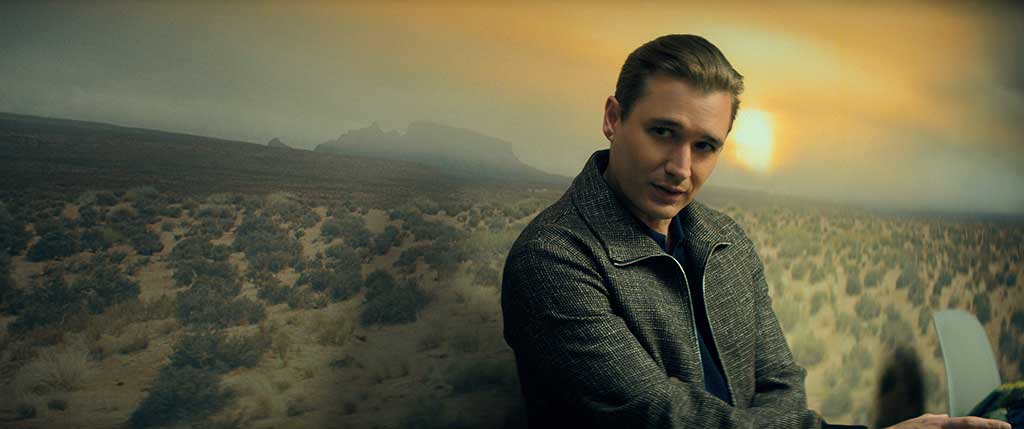
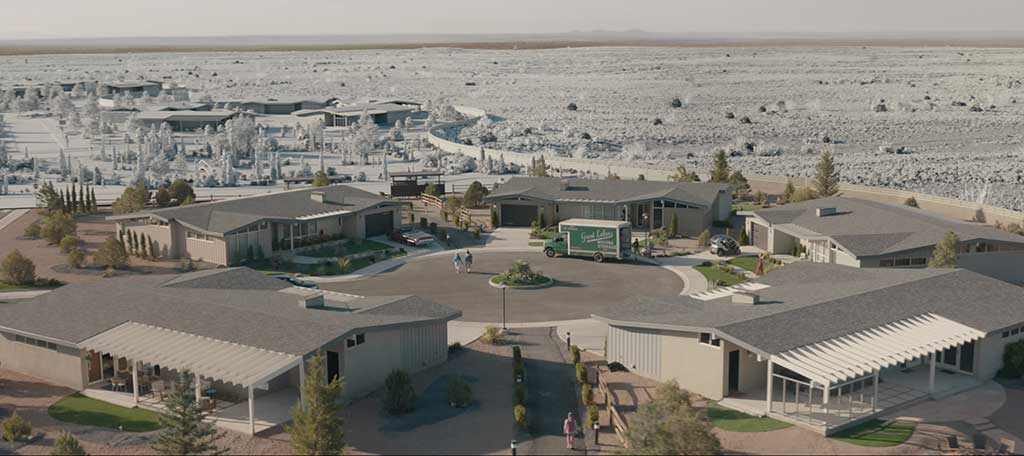
Beyond the intimate settings, The Boroughs required extensive environmental world-building to establish the grandeur and authenticity of its New Mexico setting. Eight major sets were scanned, but the most significant undertaking was creating the panoramic view from the hero cul-de-sac. The filming location, with its partial bluescreen and Netflix fencing, necessitated significant digital extensions. "We spent a lot of time working on the view of the town from Sam’s house, be it from the sky or the ground," DeMarco highlighted.
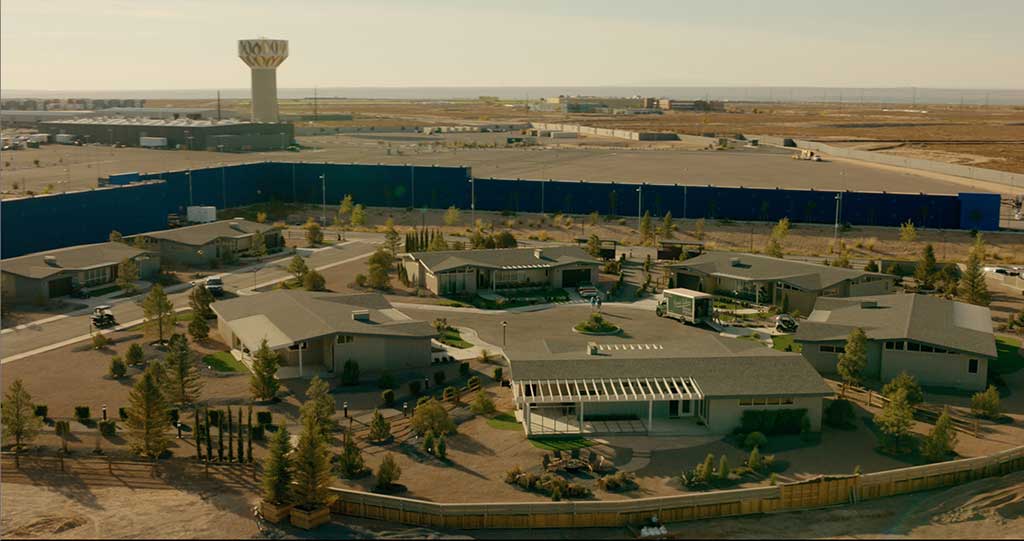
A particularly challenging shot involved the "arrival shot," which featured a full CG city seamlessly integrated into a golf course plate that was actually filmed in snowy conditions. The VFX team transformed the wintry landscape into a warm, sunny New Mexico town. Within this expansive digital cityscape, viewers can discern key locations from the series: the manor, the headquarters, the town square, and the mortuary, all meticulously placed to reflect their narrative geography. This attention to detail ensured that the town felt like a real, cohesive entity. Furthermore, the ever-changing New Mexico sky presented its own challenges, with environmental extensions often needed to ensure consistent sunny and warm weather, reinforcing the community’s comfortable ambiance.
A Collaborative VFX Feat
The ambitious visual scope of The Boroughs required the expertise of multiple leading visual effects studios. A total of just under 1,200 visual effects shots were produced across the eight episodes by a consortium of industry giants, including Industrial Light & Magic (ILM), Framestore, Ghost VFX, Crafty Apes, and Platige. This collaborative effort ensured that the complex creature work, intricate environmental builds, and nuanced magical effects were executed to the highest standards, delivering a visually rich and immersive experience for Netflix subscribers.
Broader Implications and Netflix’s Strategic Vision
The Boroughs represents Netflix’s continued strategic investment in high-quality, genre-bending content that appeals to diverse demographics. By leveraging the proven success of the Duffer Brothers and combining it with a compelling narrative featuring senior protagonists, the series taps into both the enduring popularity of 1980s nostalgia and the growing demand for stories that feature older, empowered characters. The extensive and intentional use of visual effects, from the "geriatric parkour" creature animation to the seamless integration of practical and digital elements, underscores Netflix’s commitment to pushing creative and technological boundaries in streaming productions.
The show also highlights the evolving workflow in visual effects, emphasizing early collaboration, robust previs and postvis stages, and the strategic use of in-camera effects alongside sophisticated digital enhancements. This approach not only optimizes resources but also allows for a more cohesive and impactful visual narrative, where effects serve the story rather than merely acting as spectacle. The Boroughs is poised to be another significant entry in Netflix’s catalog, demonstrating how character-driven storytelling, when paired with innovative visual effects and a clear creative vision, can captivate global audiences across generations.