
Category Comics And Animation
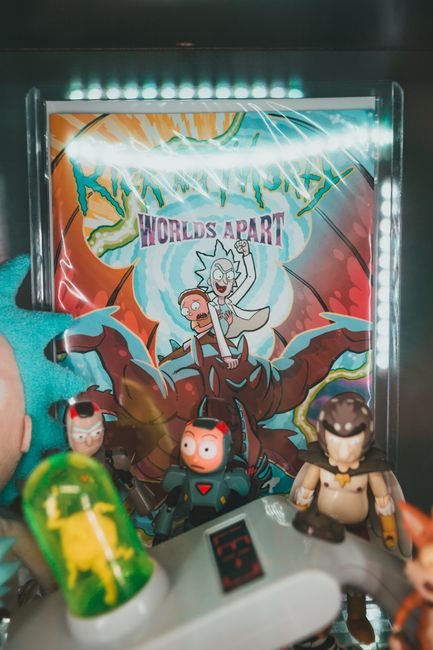
The Dynamic Duo: Category Comics and Animation, Intertwined Worlds of Visual Storytelling
The symbiotic relationship between comics and animation is a foundational pillar of modern visual storytelling, a vibrant ecosystem where one medium consistently fuels, inspires, and reinterprets the other. From their nascent stages, both forms have grappled with the fundamental challenge of conveying narrative, character, and emotion through sequential imagery. This inherent connection manifests in numerous ways, from direct adaptations and stylistic homages to the shared development of narrative techniques and the cross-pollination of talent. Understanding this intertwined history and ongoing evolution is crucial for appreciating the richness and breadth of both comic books and animated productions.
Comics, often defined as sequential art arranged in panels, possess a unique temporal quality. The reader actively participates in constructing the flow of time and action, guided by the artist’s panel layout, pacing, and visual cues. This reader-driven interpretation fosters a particular kind of engagement, allowing for moments of intense introspection or rapid-fire action, dictated by the artist’s deliberate choices in visual rhythm. Animation, on the other hand, inherently captures motion and sound, presenting a more passive, albeit equally immersive, viewing experience. However, the foundational principles of comic book storytelling – panel transitions, character design, expression, and composition – are directly translated and amplified in the animated medium. The static lines of a comic panel explode into fluid motion, dialogue balloons become spoken words, and the imagined sound effects gain auditory life. This inherent transferability makes comics an ideal source material for animation.
The history of animation is deeply indebted to the comic strip and comic book. Early animators, like Walt Disney himself, drew heavily from the visual gags, character archetypes, and narrative structures prevalent in newspaper comics and early comic books. The exaggerated expressions, rubber-hose limbs, and slapstick humor found in strips like Krazy Kat and Felix the Cat directly informed the animation styles of characters like Mickey Mouse and Betty Boop. As comic books gained popularity in the 20th century, their rich universes and iconic characters provided fertile ground for animated adaptations. The Golden Age of comics, with its superheroes like Superman and Batman, quickly found their way into animated serials and later, television cartoons. These early adaptations, while often simplified due to technical limitations, established the visual language and heroic tropes that would define superhero animation for decades to come.
The Silver Age of comics brought a new level of sophistication to the medium, and with it, more complex narratives and character development. This sophistication was mirrored in the animated adaptations that followed. The burgeoning television animation industry in the 1960s and 70s saw a surge of comic book-based cartoons, from Hanna-Barbera’s The Flintstones (which itself drew inspiration from comic strips like The Honeymooners) and Scooby-Doo, Where Are You! to more direct adaptations like The Adventures of Superboy. While often criticized for their simplified plots and repetitive animation cycles, these shows undeniably introduced generations of viewers to the world of comic book heroes and villains, solidifying their cultural impact.
The 1980s and 1990s marked a significant turning point for both comics and animation. The "grim and gritty" aesthetic that permeated certain comic book titles, exemplified by works like Alan Moore and Dave Gibbons’ Watchmen and Frank Miller’s The Dark Knight Returns, pushed the boundaries of what comics could achieve narratively and thematically. While direct animated adaptations of these darker, more mature works were initially rare due to broadcast standards and audience expectations, their influence began to seep into the animation landscape. Shows like Batman: The Animated Series (1992) broke new ground, demonstrating that animation could tackle complex storylines, nuanced characters, and a mature thematic palette. This series, in particular, is a masterclass in adapting comic book sensibilities, meticulously translating the dark, atmospheric visuals and intricate plotting of the Batman comics into a compelling animated format. Its success paved the way for a more discerning and ambitious approach to comic book animation.
The advent of digital animation technologies further blurred the lines between the two mediums. The ability to create more detailed character models, complex environments, and sophisticated visual effects allowed animators to more faithfully represent the intricate artwork of modern comics. This technological leap coincided with the rise of anime, a Japanese animation style that itself has deep roots in manga (Japanese comics). The visual storytelling conventions of manga, characterized by dynamic paneling, expressive character designs, and a wide range of genres, have profoundly influenced global animation. Anime series like Akira, Ghost in the Shell, and Dragon Ball Z demonstrate a fluid, cinematic approach that owes much to the visual grammar of their manga counterparts. The global success of anime has further solidified the concept of comics as a primary source for animated content, showcasing diverse artistic styles and narrative approaches.
Today, the synergy between comics and animation is stronger than ever. Major animation studios actively mine comic book publishers for intellectual property, recognizing the pre-existing fan bases and rich narrative potential. Marvel Comics and DC Comics, in particular, have seen their characters and storylines brought to life in countless animated series, direct-to-video films, and even theatrical releases. Spider-Man: Into the Spider-Verse (2018) and its sequel Spider-Man: Across the Spider-Verse (2023) represent a paradigm shift, pushing the boundaries of animated aesthetics by directly incorporating the visual language and artistic styles of comic books. These films, lauded for their innovative use of comic book techniques like halftone dots, panel layouts, and diverse artistic rendering styles, demonstrate a profound understanding and celebration of the comic medium. They not only adapt comic book stories but also feel like a comic book brought to life.
Beyond direct adaptations, the influence of comics on animation is evident in broader stylistic and narrative trends. The detailed world-building, intricate lore, and character-driven narratives that have become hallmarks of successful animated franchises often find their origins in the expansive universes found in comic books. The rise of independent and creator-owned comics has also provided a rich wellspring of unique stories and distinctive art styles for animators to draw upon. Studios are increasingly looking beyond the traditional superhero fare to explore the diverse genres and themes present in the wider comic book landscape, from fantasy and science fiction to slice-of-life and historical dramas.
The cross-pollination of talent is another significant factor. Many animators begin their careers as comic book artists, bringing their understanding of sequential storytelling, character design, and visual pacing to animated projects. Conversely, established animators often move into comics, contributing their expertise in visual narrative and character expression. This constant exchange ensures that the creative energies of both mediums remain vibrant and interconnected. The skills honed in creating compelling static imagery for a comic page are directly transferable to animating those images, adding depth, emotion, and dynamism to characters and worlds.
The future of comics and animation remains inextricably linked. As animation technology continues to advance, the possibilities for adapting and reimagining comic book narratives become increasingly limitless. The pursuit of authentic visual representation, as seen in the Spider-Verse films, will likely continue to drive innovation. Furthermore, the rise of digital comics and webcomics has democratized the creation and distribution of sequential art, opening up new avenues for undiscovered talent and diverse storytelling to find their way into animated adaptations. The ongoing dialogue between these two powerful visual mediums promises to continue delivering captivating stories, unforgettable characters, and groundbreaking artistic achievements for audiences worldwide. The ability of both comics and animation to transport audiences to imaginative realms, explore complex themes, and evoke powerful emotions ensures their enduring relevance and their continued mutual enrichment.
