The Collapse of Camera Mount Monopolies: How a Chinese Court Ruling Threatens Nikon and Canon


The global photography industry is facing a monumental legal and commercial paradigm shift following a landmark intellectual property ruling in China. In a decision that has sent shockwaves through the mirrorless camera market, the China National Intellectual Property Administration (CNIPA) ruled against industry titan Nikon in a high-profile patent infringement lawsuit targeting independent lens manufacturer Viltrox. The ruling not only dismissed Nikon’s claims for damages and royalties regarding its proprietary Z-mount system but also invalidated one of Nikon’s core design patents. This unprecedented legal defeat has dismantled the defensive walls traditionally maintained by legacy camera manufacturers, raising urgent questions about the future of closed lens mounts across the entire imaging sector—most notably regarding Canon and its heavily guarded RF-mount ecosystem.
Chronology of the Legal Battle
The legal confrontation between traditional Japanese optical giants and rising Chinese engineering firms began to escalate significantly in early 2026. In January, Nikon initiated formal legal proceedings against Shenzhen Jueying Technology Co. Ltd., widely known under its brand name Viltrox. Nikon’s lawsuit alleged that the independent manufacturer had unlawfully copied proprietary intellectual property associated with the Nikon Z-mount, specifically targeting autofocus-enabled lenses designed for full-frame mirrorless cameras. Nikon sought substantial financial damages and demanded an immediate cessation of the allegedly infringing sales and production activities within China.
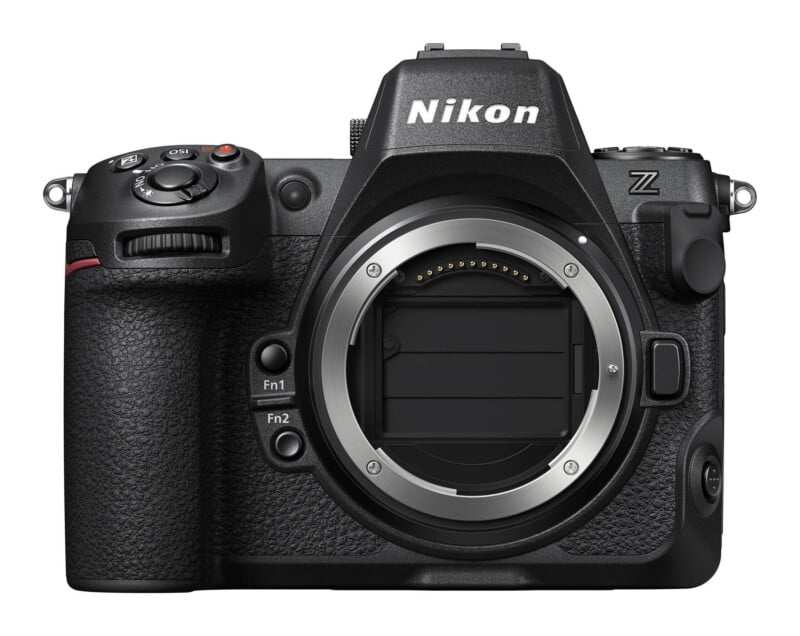
However, the legal tides turned dramatically during the summer months. Following a thorough technical and legal review, the CNIPA issued a ruling entirely favoring Viltrox. Rather than merely dismissing Nikon’s claims, the administrative body took the aggressive step of invalidating a foundational Nikon patent covering the physical bayonet tabs, electronic contact terminal pins, and overall layout of the Z-mount system. This administrative defeat stripped Nikon of the legal leverage required to suppress third-party autofocus lens development within the Chinese market, marking a historical turning point for independent lens manufacturing.
Deconstructing the CNIPA Ruling on Inventive Steps
At the heart of the CNIPA’s decision was a rigorous examination of patent law principles, specifically the requirement of an "inventive step"—the Chinese legal equivalent to the concept of "non-obviousness" in United States patent jurisprudence. Nikon’s legal argument relied on the premise that the specific arrangement, dimensions, and electronic pin placements of the Z-mount constituted a unique technological breakthrough distinguishing it from legacy systems like the Nikon F-mount.

The CNIPA administrative panel fundamentally disagreed. The court determined that modifying the length, physical angle, layout of bayonet lugs, and terminal pin arrangements represented routine engineering iterations rather than patentable innovations. Because modern lens mounts build upon decades of preceding optical and mechanical design history, the panel concluded that minor dimensional tweaks lack the distinct novelty required to justify exclusive legal protection. Consequently, the invalidation of this core patent effectively neutralized Nikon’s legal standing in the region, paving the way for Viltrox and other domestic manufacturers to legally produce and distribute native autofocus lenses for the Z-mount system in China.
Industry Reactions and Corporate Silence
Official responses from the primary corporate entities involved reflect cautious calibration in the wake of the ruling. When approached for comment, Nikon representatives maintained a guarded posture, offering a brief statement out of respect for the judicial system while declining to elaborate on future strategic adjustments. Viltrox similarly adopted a measured public stance, expressing appreciation for industry support while withholding speculative commentary regarding broader market implications or potential expansions into other proprietary mounts.
Despite this public reticence, the underlying commercial implications are vast. China represents the second-largest photography and consumer imaging market in the world. The inability of foreign manufacturers to utilize domestic legal frameworks to suppress local competitors means that major Japanese camera brands can no longer rely on patent enforcement within China to protect their domestic market share or force consumers into proprietary, brand-exclusive ecosystems.
The Shadow Over Canon and the RF-Mount Ecosystem
The fallout from the Nikon-Viltrox verdict immediately directs industry scrutiny toward Canon, the remaining major manufacturer maintaining a strictly closed mirrorless lens mount. While Sony successfully implemented a managed third-party licensing framework for its E-mount, and Fujifilm embraced open licensing for the X-mount, Canon and Nikon initially pursued aggressive protectionist strategies to safeguard their optical sales margins.
Canon’s historical posture against independent manufacturers is well-documented. In August 2022, Viltrox publicly announced that it had been forced to suspend the production and distribution of autofocus lenses designed for the Canon RF-mount following formal legal warnings and cease-and-desist demands issued by Canon. Shortly thereafter, Canon issued a public confirmation acknowledging its aggressive stance against entities manufacturing unauthorized RF-mount autofocus products, asserting that such items infringed upon its intellectual property and design rights.

At the time of Canon’s 2022 warnings, Viltrox occupied a smaller footprint within the global market and lacked the expansive legal and financial resources it commands today. The recent CNIPA precedent demonstrates that modern independent lens makers possess the financial fortitude and technical expertise to challenge and successfully dismantle the patent portfolios of legacy camera corporations. If Canon were to renew aggressive legal threats or initiate formal litigation under similar circumstances in China, legal analysts suggest that the CNIPA would likely apply the same administrative logic used in the Nikon case—ruling that physical bayonet structures and electronic pin layouts derived from legacy EF or EF-M systems lack the requisite inventive step.
Global Jurisdictional Challenges and Strategic Dilemmas
While the CNIPA ruling is strictly binding within the jurisdiction of China, its strategic reverberations extend globally. Nikon and Canon hold corresponding patents across international jurisdictions, including the United States, Europe, and Japan. In theory, these corporations retain the legal right to file infringement lawsuits in foreign courts to block the importation and sale of third-party lenses containing contested designs.
However, pursuing international litigation carries severe commercial risks. A legal defeat in a major Western court would deal a catastrophic blow to the global enforceability of these proprietary mount patents, potentially invalidating them worldwide and permanently stripping manufacturers of their primary legal barrier against third-party competition. Furthermore, even if a foreign court ruled in favor of a camera manufacturer, the decentralized nature of modern global commerce—exemplified by products successfully distributed internationally despite regional sales bans—complicates enforcement. Attempting to shut down global supply chains for domestically manufactured Chinese lenses would prove exceptionally difficult and costly.
Alternative Strategies: Firmware Encrypted Blocks and Licensing Models
Faced with diminishing legal certainty regarding patent validity, camera manufacturers must weigh alternative strategies to protect their hardware-software ecosystems. One potential path involves the deployment of aggressive firmware updates designed to introduce cryptographic handshakes between camera bodies and authorized lenses, effectively blocking unauthorized third-party products.
Such measures, however, carry substantial consumer relations risks. Attempts to restrict lens compatibility often provoke severe backlash from the photographic community. Previous instances where third-party lenses experienced temporary compatibility issues following camera firmware updates have resulted in immediate public accusations of anti-competitive behavior, even when technical anomalies were accidental. Furthermore, independent lens manufacturers have demonstrated the technical agility to circumvent firmware blocks through rapid software updates, neutralizing technical roadblocks within days.
Alternatively, market forces may compel companies like Canon to pivot toward open or semi-open licensing models. By establishing formal partnership programs—similar to Sony’s third-party licensing structure—manufacturers could retain regulatory control over performance parameters, such as maximum continuous shooting speeds or autofocus tracking tolerances, while generating licensing revenue and appeasing consumer demand for affordable, high-performance glass. Industry observers note that Japanese manufacturers, many of whom collaborate closely through industry associations such as the Camera & Imaging Products Association (CIPA), share a vested interest in maintaining the financial health of the domestic imaging sector. Nevertheless, resisting the momentum of competitive global markets becomes increasingly untenable as domestic Chinese manufacturers cement their operational autonomy.
Broader Implications for the Imaging Industry
The resolution of the Nikon-Viltrox dispute marks a definitive turning point in the modern mirrorless era. For years, the control of proprietary lens mounts served as an unassailable financial anchor for camera brands, ensuring high-margin proprietary lens sales supplemented hardware revenue. The CNIPA ruling has exposed structural vulnerabilities in how these physical interfaces are patented, proving that generational iterations of mechanical bayonets and electronic contact pins are increasingly vulnerable to legal invalidation.
As independent manufacturers grow in economic stature and technical sophistication, the balance of power within the photographic industry has shifted perceptibly. Whether legacy giants choose to pursue costly, high-risk international litigation, implement friction-heavy software restrictions, or transition toward cooperative licensing agreements, the era of absolute, unchallengeable mount monopolies is drawing to a close.