
Westworlds James Marsden Opens Up About Hbo Cancellation And Remaining Hopeful About Plans To Finish It
Westworld’s James Marsden Opens Up About HBO Cancellation and Remaining Hopeful About Plans to Finish It
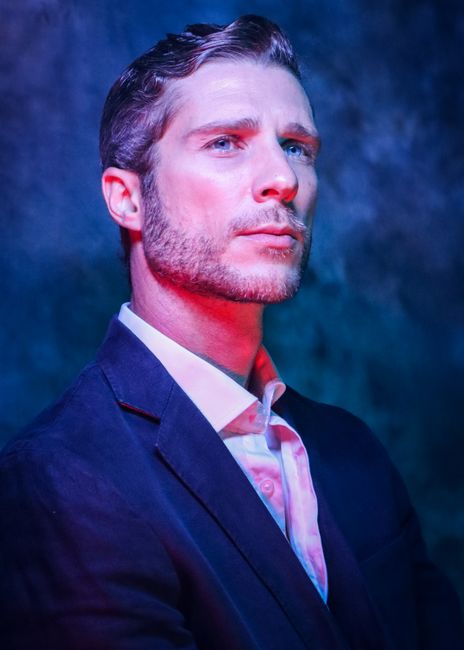
James Marsden, the actor who brought the stoic yet deeply conflicted cowboy Teddy Flood to life in HBO’s ambitious science fiction series Westworld, has broken his silence regarding the show’s abrupt and unceremonious cancellation. Speaking with palpable disappointment but also a surprising undercurrent of optimism, Marsden revealed his thoughts on the series’ untimely demise and, perhaps more significantly, his belief that the story might still find a way to reach a satisfying conclusion. The cancellation, which came after four seasons and a significant narrative shift, left both fans and the cast in a state of bewilderment, with many questions left unanswered and character arcs abruptly halted. Marsden’s candid remarks offer a rare glimpse into the emotional and professional ramifications of such a decision and shed light on the ongoing, albeit slim, hopes for a definitive end to the sprawling narrative.
Marsden’s initial reaction to the news of Westworld‘s cancellation was, understandably, one of shock. The series, a flagship production for HBO known for its intricate plotting, philosophical explorations, and high production values, had cultivated a dedicated following over its run. Its cancellation sent ripples through the industry, highlighting the precarious nature of even seemingly successful, high-profile television shows in a rapidly evolving streaming landscape. Marsden, who had been a central figure since the show’s inception, expressed that the abrupt ending felt like an unfinished symphony, a story that was still building towards its crescendo before being silenced. He acknowledged the immense effort and dedication poured into the series by its creators, writers, cast, and crew, making the cancellation particularly poignant. The feeling was not just about the end of a job, but the premature closure of a complex and ambitious artistic endeavor.
The conversation surrounding Westworld‘s future, particularly its cancellation, has been fraught with speculation. While HBO has remained largely tight-lipped, citing a need to re-evaluate their strategy and focus on certain projects, Marsden’s comments suggest that there might be more to the story. He hinted at discussions and potential avenues being explored to bring the narrative to a close, even if it’s not in the traditional format of a fifth season on HBO. This glimmer of hope, however small, is a testament to the enduring passion for the project and the belief that the intricate plot threads woven throughout the four seasons deserve resolution. Marsden’s willingness to discuss these possibilities, even in their nascent stages, signals a commitment from some of the key players involved to see the story through to its intended conclusion.
One of the key aspects of Westworld‘s appeal was its exploration of complex philosophical themes, including consciousness, free will, and the nature of reality. Marsden, as Teddy, was often a vessel for exploring the manufactured nature of sentience and the struggle for genuine autonomy within the confines of programmed existence. The show’s narrative evolved significantly, moving from the titular Western-themed park to a futuristic, real-world dystopia, and eventually delving into abstract digital realms. This constant reinvention, while praised by some for its ambition, also contributed to a narrative that became increasingly complex and, for some viewers, challenging to follow. The cancellation, therefore, also signifies a pause on these profound explorations, leaving audiences to ponder the unresolved questions about humanity’s place in a technologically advanced world.
When pressed about the specific plans or potential avenues for finishing Westworld, Marsden remained somewhat guarded, understandably so. He alluded to conversations that have taken place and continue to take place, suggesting that the desire to provide closure is shared by many. He mentioned the possibility of alternative platforms or formats that could allow for a more concise and focused conclusion. This could range from a miniseries or a feature film to even an animated project, all of which could offer a more contained way to wrap up the extensive storylines. The focus, he emphasized, is on finding a way to honor the narrative and the characters that fans have invested in, rather than simply abandoning them. The challenge, of course, lies in finding a production partner and a financial model that can support such a venture, especially given the high production costs typically associated with Westworld.
Marsden also touched upon the impact of the cancellation on the cast and crew. For many, Westworld was more than just a job; it was a creative outlet and a collaborative endeavor that spanned years. The abrupt ending undoubtedly brought a sense of loss and a need for emotional and professional recalibrations. He spoke about the camaraderie and the shared passion that defined the production, making the dissolution of that collective effort all the more difficult. However, he also expressed pride in the work that was accomplished and a belief that the impact of Westworld on television storytelling will endure, regardless of its incomplete narrative arc. The show pushed boundaries and challenged audiences, and that legacy, he implied, is something that cannot be erased by a cancellation notice.
The ongoing discussions about finishing Westworld are likely being driven by the show’s creators, Lisa Joy and Jonathan Nolan, who are known for their meticulous storytelling and long-term vision. Marsden’s optimism suggests that they are actively pursuing solutions and are not ready to let their ambitious creation fade into obscurity. The very fact that these conversations are happening is significant, indicating that the project still holds value and potential for those involved. The challenge, as always, is navigating the complexities of the current media landscape, where the economics of television production are constantly shifting. Securing funding, finding a suitable platform, and aligning schedules for a cast that has largely moved on to other projects are all considerable hurdles.
Despite the obstacles, Marsden’s hopeful outlook is infectious. It speaks to the passion that still surrounds Westworld and the belief that a truly compelling story can find its way to a conclusion, even against the odds. He acknowledged that a fifth season on HBO might be unlikely, but that doesn’t preclude other possibilities. The term "finishing it" can be interpreted in various ways, and it’s this flexibility that likely fuels the ongoing hope. The potential for a condensed, focused ending could be more achievable than a full-blown season, allowing for a more streamlined narrative that directly addresses the lingering questions and provides a sense of closure for the characters and the audience.
The inherent complexities of Westworld‘s narrative also present a unique challenge in any attempt to conclude it. The show evolved from a contained theme park experiment to a sprawling, multi-layered exploration of artificial intelligence, human nature, and societal control. Any conclusion would need to synthesize these disparate elements and provide a coherent resolution that satisfies the established lore and the philosophical underpinnings of the series. Marsden’s faith in the possibility of this suggests a confidence in the creators’ ability to craft such a resolution.
Ultimately, James Marsden’s openness about the Westworld cancellation and his continued hope for its completion offers a compelling narrative in itself. It highlights the personal investment of the cast and crew in their projects and the enduring desire to see ambitious artistic visions realized. While the future of Westworld remains uncertain, Marsden’s words provide a much-needed ray of optimism for fans who are still grappling with the abrupt ending and yearning for a satisfying conclusion to one of television’s most thought-provoking science fiction sagas. The possibility, however remote, that we might see Teddy Flood, Dolores, and the other inhabitants of this complex universe reach a definitive end is a prospect that continues to fuel speculation and anticipation, a testament to the enduring power of the show’s narrative and the dedication of its creative team. The search for a way to "finish it" is not just about wrapping up storylines; it’s about honoring the ambition and intellectual curiosity that made Westworld a landmark series in the first place.
