Blizzard Entertainment Workers Ratify Landmark Union Contracts Ahead of BlizzCon 2026

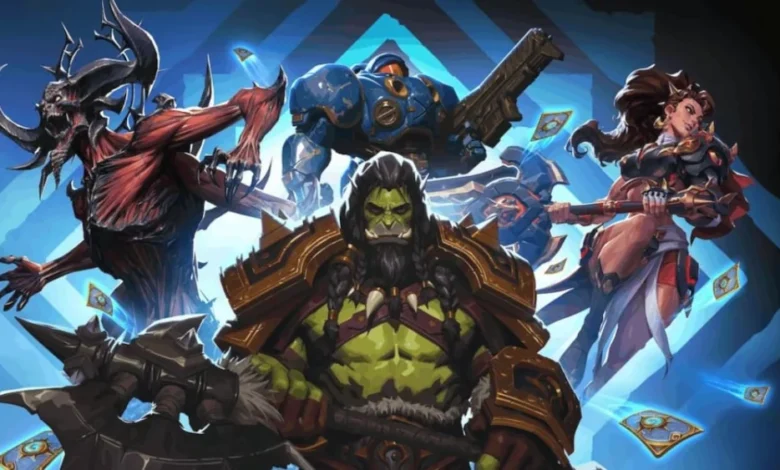
In a watershed moment for the video game industry, a workforce of nearly 1,900 employees at Blizzard Entertainment has officially ratified their first-ever union contracts with Microsoft-owned Activision Blizzard. This development, occurring just days before the highly anticipated BlizzCon 2026 event, marks the culmination of two years of intensive collective bargaining. The agreement establishes a new framework for labor relations within one of the world’s most prominent gaming studios, covering staff across iconic franchises including World of Warcraft, Overwatch, Diablo, Hearthstone, and Warcraft Rumble.
The ratification process, supported by the Communications Workers of America (CWA), signals a significant shift in how labor is managed within the high-stakes environment of AAA game development. By securing common terms across both specialized game teams and shared service divisions—such as quality assurance, platform and technology, and story and franchise development—the union has successfully institutionalized protections that were previously subject to the discretion of corporate leadership.
A Chronology of the Organizing Effort
The road to this historic contract began in the wake of widespread turbulence at Activision Blizzard. Following years of reports concerning workplace culture, systemic inequality, and mass workforce reductions, employees began to organize at an unprecedented pace.
In 2024, the momentum reached a critical juncture when workers on the World of Warcraft team successfully formed a "wall-to-wall" union, setting a precedent that encouraged other departments to follow suit. This grassroots movement was not an isolated incident but a response to the industry-wide trend of instability. Throughout 2024 and 2025, the CWA facilitated negotiations, navigating the complexities of merging Blizzard’s decentralized development teams under a unified bargaining unit.
The bargaining process was marked by persistent advocacy for job security, particularly in light of the 2024 layoffs that saw 1,900 workers let go from the broader Microsoft gaming division—a figure that serves as a sobering bookend to the current union size. By September 2026, the two sides had finalized a comprehensive agreement that addresses both immediate economic concerns and long-term structural workplace policies.
Key Provisions of the Agreement
The newly ratified contract is comprehensive, addressing the primary pillars of the modern tech workplace: compensation, job security, and emerging technology.
Wage Increases and Employment Protections
Central to the agreement are guaranteed wage increases, ensuring that compensation keeps pace with the demands of the high-cost-of-living areas where many of Blizzard’s studios are located. Beyond base pay, the contract introduces "just cause" employment protections. This clause is a cornerstone of the agreement, requiring that any disciplinary action or termination be backed by a fair, objective, and documented reason, effectively ending at-will employment for the represented staff.
Workplace Flexibility and AI Oversight
In response to the shifting nature of post-pandemic labor, the contract formalizes a three-day in-office hybrid schedule. Crucially, it includes specific provisions for remote-work and disability accommodations. Perhaps most notably, the contract establishes a framework for the workplace use of artificial intelligence. Blizzard is now required to bargain with the union over the implementation of AI tools, ensuring that employees have a seat at the table when the company explores technologies that could fundamentally alter their job functions or creative processes.
Severance and Recall Rights
Recognizing the volatility of the gaming sector, the union negotiated enhanced protections for workers impacted by future layoffs. Affected employees will receive four additional weeks of severance pay regardless of their tenure. Furthermore, the agreement grants "recall rights" for 14 months. This provision ensures that if new positions open within the bargaining unit, those who were previously laid off are given priority consideration, providing a bridge back to employment and retaining institutional knowledge within the company.
Institutional Reactions and Perspectives
The sentiment among the bargaining committee members reflects a sense of profound professional milestone. Daniel Weltz, a Principal Software Engineer and member of the Platform & Technology bargaining committee, emphasized that the contract was designed to preserve the company’s creative culture while modernizing its labor practices. "This contract secures a lot of what people already love about working here while adding strong protections around layoffs, job security, and remote work," Weltz stated. "Blizzard helped shape the gaming industry, and I’m proud that this contract allows us to continue setting new standards for this work."
Simon Hedrick, an Overwatch quality analyst, echoed these sentiments, framing the contract as a catalyst for wider industry reform. "This contract marks the beginning of a new era at Blizzard Entertainment, but it doesn’t stop with us," Hedrick said. "I look forward to the day that everyone in the industry can enjoy the protections that this contract affords us."
The Communications Workers of America has lauded the deal as a model for the technology and gaming sectors. By standardizing terms across diverse departments—from the developers building the next expansion for World of Warcraft to the analysts ensuring the stability of the Overwatch competitive ecosystem—the CWA has demonstrated that even massive, multifaceted game studios can be effectively organized.
Broader Implications for the Gaming Industry
The ratification of these contracts is expected to have ripple effects across the global gaming industry, which has faced significant criticism regarding crunch culture, layoffs, and the opaque implementation of generative AI.
.png)
Standardizing Labor Practices
For years, the video game industry has operated with minimal standardized labor protections compared to sectors like film or television. The Blizzard agreement serves as a blueprint for other studios currently witnessing internal organizing efforts. By formalizing grievance procedures and "just cause" standards, the union has essentially created a safety net that encourages long-term career retention in a field notorious for high turnover.
The AI Challenge
The requirement for Blizzard to bargain over the use of AI is perhaps the most forward-looking aspect of the contract. As game studios increasingly look to procedural generation and AI-assisted animation to reduce costs, this contract ensures that such transitions cannot occur unilaterally. It forces a collaborative approach, where the impact on human labor—such as the displacement of junior artists or writers—must be negotiated, not merely dictated.
A New Benchmark for Microsoft
As the parent company, Microsoft now faces a new operational reality. With a significant portion of its Blizzard workforce under a union contract, the company’s ability to execute large-scale, swift structural changes is now tempered by legal and contractual obligations. This shift suggests that for future acquisitions and studio management, Microsoft will need to account for the growing power of organized labor as a permanent stakeholder in its business strategy.
Conclusion
As the gaming community prepares for BlizzCon 2026, the atmosphere within the studio is distinctly different from previous years. The ratification of these contracts is not merely an administrative milestone; it represents a fundamental recalibration of the power dynamic between those who create the games and the corporations that profit from them.
By securing a contract that addresses the dual pressures of economic security and technological disruption, the workers at Blizzard have successfully navigated the complexities of modern labor organizing. As the industry watches, the success of this agreement may well serve as the impetus for a broader, more organized labor movement across the gaming landscape, signaling that the era of unfettered, unilateral management in game development may be drawing to a close.
Related posts: