
Tag House Of The Dragon
House of the Dragon: A Deep Dive into Targaryen Succession, Dragons, and Political Intrigue
The "House of the Dragon," a prequel to the immensely popular "Game of Thrones," plunges viewers back into the brutal and captivating world of Westeros, specifically focusing on the tumultuous era preceding the Dance of the Dragons. This series meticulously details the civil war that tore the Targaryen dynasty apart, a conflict sparked by a succession crisis that pitted kin against kin and dragon against dragon. At its heart, the narrative explores the inherent dangers of unchecked ambition, the corrosive nature of familial betrayal, and the devastating consequences of a power vacuum when the Iron Throne is on the line. The show’s success lies not only in its visceral depiction of dragon combat and grand-scale warfare but also in its intricate portrayal of courtly machinations, the subtle yet potent power plays between powerful figures, and the moral complexities faced by its characters.
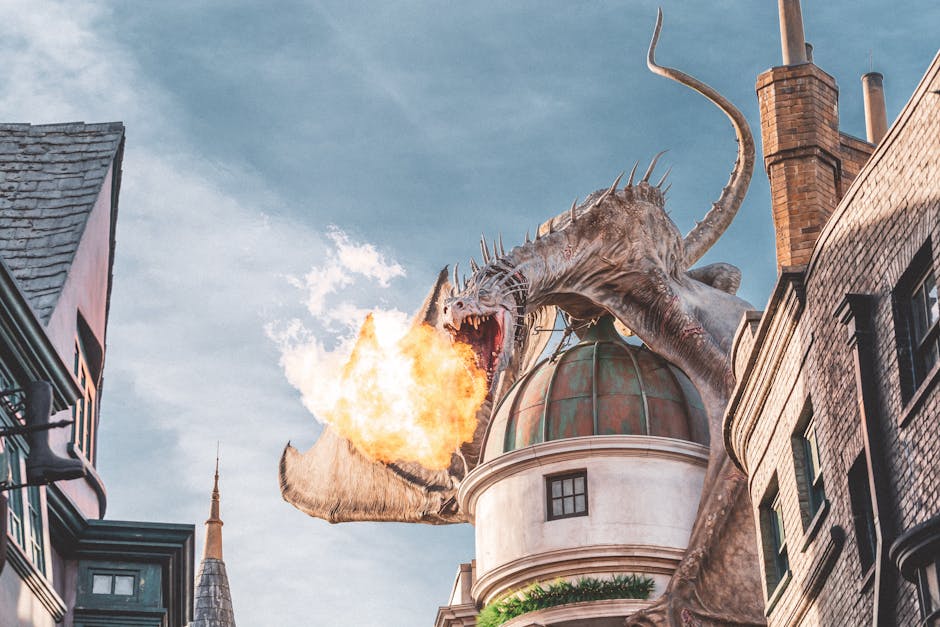
The Targaryen dynasty, at its zenith during this period, wields unparalleled power through its mastery of dragons, creatures of immense destructive capability and symbolic significance. These magnificent beasts are not mere weapons; they are extensions of Targaryen might, their riders a divine lineage believed to be chosen by the gods. The series masterfully illustrates the symbiotic relationship between Targaryens and their dragons, highlighting the deep bonds forged through generations of shared existence. We witness the awe-inspiring spectacle of dragon bonding rituals, the training of young riders, and the sheer terror that a fully unleashed dragon can unleash upon the battlefield. The dragons themselves become characters in their own right, each with unique personalities, strengths, and weaknesses, influencing the course of battles and the fates of those who command them. The visual effects employed to bring these creatures to life are breathtaking, offering a level of detail and realism that elevates the viewing experience and solidifies the dragons’ crucial role in the Targaryen reign.
The central conflict of "House of the Dragon" revolves around the succession of King Viserys I Targaryen. Viserys, a man who desires peace and stability for his realm, finds himself trapped by tradition and the expectations placed upon him as king. His initial heir, Princess Rhaenyra Targaryen, is a strong and capable woman, but the patriarchal society of Westeros struggles to accept a female ruler. Viserys’s decision to name Rhaenyra his successor, breaking with centuries of male primogeniture, sets in motion a chain of events that will irrevocably alter the course of Westerosi history. This decision, while intended to ensure a peaceful transition of power, instead sows the seeds of deep resentment and division within the royal family and the court. The subsequent birth of Viserys’s male heir, Aegon II, by his second wife, Queen Alicent Hightower, creates a direct contender to Rhaenyra’s claim, igniting a fierce and ultimately destructive rivalry.
Queen Alicent Hightower, a woman of deep piety and unwavering loyalty to her family and her faith, becomes a pivotal figure in the unfolding drama. Initially a close friend of Rhaenyra, their relationship deteriorates as their allegiances shift and their families become increasingly entrenched in the succession dispute. Alicent, driven by her conviction that her son Aegon is the rightful heir and by her desire to protect her children’s future, becomes the figurehead for the "Green" faction. Her influence over Viserys and her adept maneuvering within the court allow her to amass significant power, creating a formidable opposition to Rhaenyra and her supporters, the "Blacks." The series meticulously explores the motivations and internal conflicts of Alicent, portraying her not as a simple villain but as a complex individual acting out of a sense of duty and a genuine belief in her cause.
Princess Rhaenyra Targaryen, the designated heir, is a spirited and intelligent woman who chafes against the limitations imposed upon her by her gender. She possesses the fire and ambition of her Targaryen ancestors, eager to prove her worth as a ruler. However, she faces constant challenges to her legitimacy, both from within her own family and from the broader political landscape of Westeros. Her claim is supported by a significant portion of the realm, including powerful lords and her own formidable dragons, but she must navigate a treacherous path of political alliances, strategic marriages, and the ever-present threat of open rebellion. Rhaenyra’s journey is one of immense pressure and sacrifice, forcing her to make difficult choices that will forever mark her reign, should she ever ascend the throne. Her supporters often see her as a symbol of progress and a rejection of outdated traditions, while her detractors view her as an usurper.
The reign of King Viserys I Targaryen, while characterized by a desire for peace, is ultimately a period of simmering tension. He is a king who values diplomacy and domestic harmony, attempting to bridge the growing chasm between Rhaenyra and Alicent. However, his indecisiveness and his reluctance to confront the underlying issues of succession leave the realm vulnerable. His attempts to appease both sides often backfire, inadvertently fueling the flames of animosity. Viserys’s reign serves as a stark reminder that even a benevolent ruler cannot entirely escape the consequences of systemic issues and personal choices. His mortality, as much as his decisions, becomes a catalyst for the ensuing conflict, as the struggle for the throne intensifies in anticipation of his passing.
The concept of dragons as both tools of war and symbols of Targaryen authority is explored in great depth. The series showcases a diverse array of dragons, each with unique characteristics, sizes, and temperaments. Caraxes, the "Blood Wyrm," ridden by Daemon Targaryen, is a fearsome and aggressive beast, reflecting its rider’s volatile nature. Syrax, Rhaenyra’s dragon, is a powerful and regal creature, mirroring her owner’s royal lineage and determination. The depiction of dragon riders and their dragons engaging in aerial combat is a visual spectacle, showcasing the raw power and destructive potential of these ancient creatures. The strategic deployment of dragons during battles becomes a crucial element of warfare, often turning the tide of conflict and instilling terror in the hearts of their enemies. The emotional connection between rider and dragon is also a significant theme, highlighting the profound bond that exists between them.
The political landscape of Westeros plays a crucial role in the unfolding events. Powerful houses, such as the Velaryons, whose wealth and naval power are essential to Rhaenyra’s cause, and the Hightowers, whose influence at court and military strength support Alicent, are deeply entangled in the succession dispute. The loyalty of these great houses, swayed by promises, threats, and personal relationships, becomes a key factor in determining the outcome of the conflict. The show delves into the intricacies of these alliances and rivalries, demonstrating how the actions of a few individuals can have far-reaching consequences for the entire realm. The machinations of characters like Lord Corlys Velaryon, the "Sea Snake," a shrewd and ambitious figure, and his wife, Princess Rhaenys Targaryen, the "Queen Who Never Was," a strong and often overlooked claimant to the throne, add further layers of complexity to the political narrative.
The themes of legacy and duty are central to "House of the Dragon." The characters are constantly grappling with the weight of their family names, the expectations of their ancestors, and their own personal desires. The Targaryen legacy, once a symbol of invincibility, is now threatened by internal strife. The question of who will inherit this legacy, and what kind of ruler they will be, drives much of the narrative. Duty, both to family and to the realm, is a constant source of conflict, forcing characters to make agonizing choices that often involve personal sacrifice and moral compromise. The sacrifices made by characters in the name of duty, or the refusal to acknowledge it, are key drivers of the plot and character development.
The "Dance of the Dragons," the civil war that erupts as a result of the succession crisis, is the culmination of years of simmering resentment and political maneuvering. It is a brutal and devastating conflict that sees Westeros plunged into chaos. The series depicts the horrific realities of war, the loss of life, and the immense suffering inflicted upon the common people. The dragons, once symbols of Targaryen glory, become instruments of mass destruction, their fiery breath leaving behind a trail of devastation. The war highlights the tragic irony of a dynasty destroying itself through its own internal conflicts, a cautionary tale about the dangers of unchecked ambition and the destructive power of family feuds. The visual representation of this war is epic and harrowing, leaving a lasting impression on viewers.
The series also explores the societal impact of the Targaryen reign and the dragons. The existence of these powerful creatures shapes the very fabric of Westerosi society, influencing everything from military strategy to religious beliefs. The fear and awe inspired by dragons are palpable, and their presence fundamentally alters the balance of power. The show subtly touches upon the economic implications of dragon ownership and maintenance, as well as the societal implications of having such a dominant and potentially destructive force within the ruling class. The world of "House of the Dragon" is a world shaped by dragons, and their influence is a constant and undeniable presence.
The intricate family tree of the Targaryens, replete with betrayals, secret alliances, and shifting loyalties, is a crucial element of the narrative. The series navigates this complex web of relationships with a degree of clarity, ensuring that viewers can follow the intricate connections between characters. Understanding these familial ties is essential to grasping the motivations behind their actions and the depth of their animosities. The intermarriages and offspring within the royal family, a common practice for the Targaryens to maintain the purity of their bloodline, further complicate these relationships and create a breeding ground for conflict.
Ultimately, "House of the Dragon" serves as a profound exploration of power, family, and the human cost of ambition. It is a story that warns against the dangers of a singular focus on power, the corrosive nature of entitlement, and the devastating consequences of a society that fails to adapt to changing times. The series, through its compelling characters, breathtaking visuals, and intricate storytelling, offers a grim yet captivating glimpse into a pivotal moment in Westerosi history, forever solidifying the legacy of the Targaryen dynasty and their formidable dragons. The enduring appeal of the franchise, as demonstrated by the success of both "Game of Thrones" and "House of the Dragon," lies in its ability to explore universal themes of power and corruption within a fantastical and richly imagined world.
