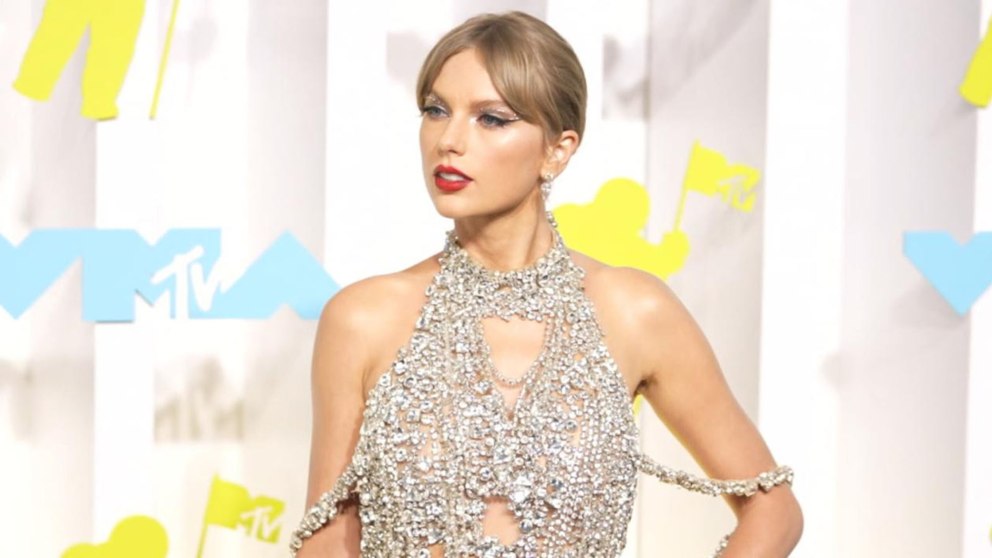
Fans got candid about how much they really paid for Taylor Swift tickets and dang, revealing a rollercoaster of experiences. From exorbitant resale prices to frustrations with official channels, the sheer cost of seeing the Eras Tour was a hot topic among fans. This exploration dives deep into the transparency of ticket pricing, the emotional impact on fans, and the role of resale markets in shaping the overall experience.
The varying methods fans employed to secure tickets, from scalpers to official ticket outlets, are examined. This analysis also considers the emotional toll and excitement experienced by fans, and how it shaped their concert experiences.
Ticket Pricing Transparency
Fans have been vocal about the exorbitant prices of Taylor Swift tickets, revealing a complex picture of pricing strategies and purchasing methods. The sheer volume of transactions and the varying experiences have highlighted the need for greater transparency in the ticket market. This discussion explores the diverse perspectives and experiences shared by fans regarding ticket pricing.
Fan Discussions on Ticket Prices
Fans have shared a wide range of ticket prices, illustrating the significant price variation. Some fans reported paying hundreds of dollars for general admission tickets, while others paid thousands for premium seats. The discussions emphasized the lack of a clear, standardized pricing model, which left fans feeling bewildered and frustrated.
Methods of Ticket Purchase
Fans employed various methods to secure tickets. Many relied on official channels like Ticketmaster, while others turned to secondary markets like StubHub and Viagogo. This diverse approach further complicated the issue, with fans facing different price points and potential risks depending on the chosen method.
Factors Influencing Ticket Prices
Several factors influenced ticket prices, according to fan accounts. Demand, seat location, and the presence of VIP packages were frequently cited as major influencers. Fans also pointed out the role of bots and scalpers in driving up prices on resale markets.
Comparison of Ticket Sources and Prices
| Ticket Source | Typical Price Range (Example) | Potential Risks |
|---|---|---|
| Ticketmaster (Official) | $100-$500 (depending on seating and demand) | Potential for high demand and limited availability; may be challenging to secure tickets. |
| StubHub | $150-$1000+ (often higher than face value) | Higher risk of inflated prices; potential for fraudulent tickets. |
| Viagogo | $200-$5000+ (often significantly above face value) | High risk of inflated prices; often associated with fraudulent tickets or inflated pricing strategies. |
This table provides a general comparison. Actual prices can fluctuate considerably based on the specific event, demand, and other factors.
Fan Experiences and Perceptions
The recent Taylor Swift ticket frenzy has ignited a firestorm of opinions and emotions among fans, revealing a complex spectrum of experiences surrounding ticket pricing. Fans have voiced everything from justified anger at perceived exorbitant costs to passionate support for the artist’s right to set prices. Understanding these varied responses is crucial to comprehending the broader cultural conversation surrounding artist ticket pricing and fan engagement.Beyond the headlines, the experience of paying for tickets is profoundly personal.
Emotional responses range from frustration and disappointment to excitement and anticipation, influenced by individual financial situations, personal connections to the artist, and the perceived value of the experience. This wide range of emotions is amplified by the inherent desire for a connection with the artist and the fear of missing out (FOMO).
Emotional Responses to Ticket Costs
Fan reactions to ticket prices have been emotionally charged, varying significantly in intensity and expression. Disappointment and frustration were often expressed through social media posts, fan forums, and personal accounts. Excitement and anticipation were also present, especially for those who managed to secure tickets, highlighting the powerful allure of the artist and the event. A sense of injustice, fueled by perceived unfairness in ticket allocation, was a recurring theme.
Different Levels of Fan Frustration and Excitement
The range of frustration and excitement expressed about ticket prices demonstrates a nuanced picture of fan experiences. Many fans expressed significant frustration, often fueled by a perceived lack of access to tickets, coupled with a sense of being left out or overlooked. Conversely, fans who secured tickets often expressed a sense of excitement, emphasizing the value of the experience and their connection to the artist.
These reactions highlight the subjective nature of the experience and the varying levels of personal investment in the artist and the event.
Fan Demographics and Ticket Costs
Different fan demographics exhibited varied reactions to ticket prices. Younger fans, often students or those with limited disposable income, voiced more intense frustration about the perceived inaccessibility of tickets. Meanwhile, fans with more disposable income, regardless of age, may have expressed more focused concerns about the overall value proposition of the tickets, sometimes focusing on the artist’s revenue generation.
These diverse perspectives reflect the varying financial capacities and personal circumstances within the fanbase.
Potential Causes for Diverse Fan Opinions
The wide range of fan opinions on ticket prices can be attributed to several factors. Economic disparities between fans, varying levels of personal connection to the artist, and differing expectations for the value proposition of the tickets all play significant roles. Furthermore, the perception of the event’s exclusivity and the fear of missing out (FOMO) also contributed to the intensity of some responses.
The sheer volume of demand, coupled with limited supply, created a volatile market where even a single ticket could hold significant value.
Ways Fans Communicated Their Reactions
Fans expressed their opinions about ticket prices through a variety of channels. Social media platforms, such as Twitter and Instagram, were frequently used to voice frustrations and share experiences. Online forums and fan communities served as crucial spaces for collective discussions and the sharing of personal stories. Personal blogs, social media posts, and fan forums provided a space for fans to express their perspectives on the matter.
| Communication Channel | Description |
|---|---|
| Social Media (Twitter, Instagram) | Public forums for expressing frustration, sharing experiences, and engaging in conversations. |
| Online Forums/Fan Communities | Spaces for collective discussions, sharing personal experiences, and building a sense of community around the artist and event. |
| Personal Blogs | Platforms for detailed, personal accounts of experiences and perspectives. |
| Social Media Posts | Individual statements about opinions, feelings, and experiences. |
Impact on the Concert Experience
The astronomical ticket prices for Taylor Swift’s recent tours have undeniably cast a shadow over the concert experience for many fans. Beyond the initial shock of the costs, the financial strain and emotional toll on fans has created a complex and nuanced reaction to the concerts. This impact extends beyond the individual fan experience and affects the overall atmosphere and engagement at these highly anticipated events.The high ticket prices have profoundly influenced fan behavior, from pre-concert anxieties to post-concert reflections.
This is particularly true for those who have invested considerable time and resources in securing tickets, or those who have had to make difficult choices to attend. This financial pressure creates an environment where the joy of the experience might be overshadowed by financial worries.
Fans were totally upfront about how much they shelled out for Taylor Swift tickets, and wow, some serious dough was dropped! It got me thinking about how the mayor of Kingstown’s latest poster was adjusted, a thoughtful gesture in light of Jeremy Renner’s accident and hospitalization, as reported in this article here. It just goes to show how important community support and thoughtful actions can be, even when dealing with something as huge as Taylor Swift concert tickets.
Pre-Concert Behaviors
The exorbitant prices have led to a notable shift in fan behavior before the concert. Fans have expressed anxieties about the cost, impacting their pre-concert planning. For instance, some fans have reported postponing travel plans, foregoing essential expenses, or even seeking out alternative ways to enjoy the music, such as streaming concerts or relying on social media for the experience.
This economic strain has, in many cases, turned the excitement of anticipation into a source of worry.
During the Concert
During the concert, the financial investment might have an impact on the emotional response. Fans who have sacrificed significant amounts of money for tickets might experience a heightened emotional response to the music and performance. Conversely, the pressure of the financial investment could also subtly influence the concert experience, leading to a more subdued or less spontaneous atmosphere.
Some fans might be preoccupied with the cost of the experience, potentially impacting their enjoyment.
Post-Concert Reactions
The impact of ticket prices extends to the aftermath of the concert. Fans’ reactions have varied, from intense joy and satisfaction to feelings of disappointment or regret. Some fans have shared their experiences of feeling overwhelmed by the cost and the subsequent financial implications. Others have commented on the emotional toll the ticket prices took, with some fans sharing stories of postponing or foregoing other important commitments to afford the tickets.
Impact on Concert Atmosphere
The atmosphere of the concert might be affected by the presence of this financial pressure. Some fans might be less engaged due to financial worries, or their engagement might be subtly altered by the financial implications. The conversations and discussions surrounding ticket prices could also subtly shift the atmosphere, potentially creating a mix of feelings and responses.
Impact on Fan Engagement
The cost of tickets can significantly impact fan engagement and participation at future concerts. The fear of financial strain might discourage fans from attending future events. This could lead to a shift in the overall energy and atmosphere of the concert, potentially leading to a more subdued or less participatory environment. Furthermore, fans might choose to engage in alternative forms of participation, such as supporting artists through streaming or merchandise purchases.
Fan Reactions Table
| Ticket Price Experience | Fan Reaction | Impact on Concert Experience |
|---|---|---|
| Affordable Tickets | Excitement, Enthusiasm, Active Participation | High energy, positive atmosphere, enthusiastic engagement |
| Moderately Priced Tickets | Moderate Enthusiasm, Balanced Participation | Generally positive atmosphere, moderate engagement |
| High Ticket Prices | Anxiety, Stress, Potential Regret | Subdued atmosphere, less active participation, emotional strain |
Resale Market Analysis
The resale market for Taylor Swift tickets, and concert tickets in general, has become a complex and often controversial aspect of the ticket purchasing process. Fans often find themselves navigating a labyrinth of pricing fluctuations, platform variations, and the ever-present possibility of being outbid or scammed. Understanding the role of these markets, their impact on availability, and the inherent risks and rewards is crucial for fans seeking to secure tickets.The resale market significantly influences the overall ticket pricing phenomenon.
Platforms like StubHub, Viagogo, and Ticketmaster’s own resale marketplace function as intermediaries, connecting sellers and buyers. This creates a secondary market where prices can inflate substantially beyond the original face value, often making tickets inaccessible to those who would be willing to pay the initial price. The dynamics of supply and demand, coupled with the activities of scalpers, play a major role in determining final prices.
OMG, fans spilling the tea on how much they shelled out for Taylor Swift tickets is seriously wild. It’s like a whole new level of ticket scalping, and it’s crazy how much people are willing to pay. Speaking of crazy, did you hear about the eyebrowgate drama between Kylie Jenner and Selena Gomez, which apparently drove Selena off TikTok?
Check out this article to get the full scoop on eyebrowgate what happened between kylie jenner and selena gomez that led the latter to quit tiktok. It’s seriously fascinating how these celebrity squabbles can impact so many people, even if it’s just making us wonder how much money is being spent on tickets to a concert.
Back to the Swift tickets though, wow. Seriously, who has that kind of money?
Impact of Ticket Scalping
Ticket scalping, the practice of buying tickets in bulk and reselling them at inflated prices, has a demonstrable impact on ticket availability and cost. Scalpers often exploit limited quantities of tickets, driving up prices to unsustainable levels. This can make legitimate ticket purchases virtually impossible for many fans who are willing to pay the original price, but not exorbitant markups.
This practice ultimately limits access to concerts for those who are not able to participate in the often cutthroat competition of the resale market.
Different Ways Fans Utilize Resale Markets
Fans utilize resale markets for tickets in various ways. Some purchase tickets from these platforms as a last resort when official channels are sold out. Others see these platforms as a way to access tickets to concerts that may be difficult to obtain through other means. Some fans might even be actively involved in the resale market as resellers, potentially creating a dynamic market themselves.
Understanding the reasons behind these choices is essential to grasp the role of resale markets in the broader concert experience.
Risks and Benefits of Purchasing from Resale Markets
Purchasing tickets from resale markets presents both potential benefits and risks. A key benefit is the ability to access tickets to events that might be sold out through official channels. However, this convenience comes with a significant risk: the price can be significantly higher than face value, sometimes even exceeding the original ticket price by several hundred percent. This price gouging can be detrimental to fans’ budgets.
Another risk is encountering fraudulent tickets or sellers. Buying from reputable platforms with buyer protection policies can mitigate some of these risks, but it’s crucial to be vigilant and cautious.
Comparison of Resale Platform Pricing Models
Different resale platforms employ varying pricing models. Some platforms utilize dynamic pricing algorithms that adjust prices based on factors like demand, event popularity, and time remaining before the event. Other platforms might charge a markup on the face value, potentially including transaction fees or service charges. A detailed comparison of these models can assist in making informed purchasing decisions.
Fans were totally upfront about how much they shelled out for Taylor Swift tickets, and wow, some serious dough was dropped! It got me thinking about how much of a cultural phenomenon these concerts are, and then I remembered that MTV’s Ridiculousness, hosted by Chanel West Coast, is wrapping up after 30 seasons. This longtime host is leaving the show , which is such a big deal, and makes me wonder if those ticket prices are somehow related to the show’s legacy.
Dang, those Swift tickets were expensive, no doubt!
For instance, StubHub often employs a dynamic pricing system, while Viagogo tends to be associated with higher markups.
Pros and Cons of Purchasing Tickets from Resale Markets
| Factor | Pros | Cons |
|---|---|---|
| Availability | Access to tickets for sold-out events | Limited availability due to scalping, high demand |
| Price | Potentially lower price than face value on some platforms/occasions | Often significantly higher than face value; risk of inflated prices due to scalping |
| Convenience | Ease of access and transaction | Potential for scams or fraudulent tickets; difficulty in verifying legitimacy |
| Customer Support | May vary by platform; Some offer buyer protection | Potential lack of support for issues; no guarantees of refunds/resolutions for problems |
Potential Solutions and Future Trends
The astronomical prices of Taylor Swift tickets, and similar high-demand events, have sparked a widespread discussion about the need for change. Beyond the frustrating experience for fans, the issue highlights a systemic problem within the ticketing industry. This analysis delves into potential solutions, future trends, and the potential consequences of current practices.The escalating cost of concert tickets isn’t just an inconvenience; it creates a barrier to entry for many fans, potentially impacting the overall fan experience and the health of the live music industry.
Addressing this issue requires a multifaceted approach involving fans, organizers, and potentially regulatory intervention.
Possible Solutions to Address Exorbitant Ticket Prices
Addressing inflated ticket prices necessitates a comprehensive strategy involving multiple stakeholders. Solutions must account for the inherent market dynamics while ensuring equitable access for fans.
- Increased Transparency in Ticket Pricing: Greater transparency in the ticket pricing process is crucial. This includes clearly outlining the factors contributing to the final price, such as venue fees, artist compensation, and platform charges. Fan-friendly pricing models and explanations would enhance trust and understanding.
- Implementing Dynamic Pricing with Fan Input: Dynamic pricing models, while not universally beloved, can be adapted to include fan feedback. A system that takes into account demand and potential resale value, with safeguards against excessive price hikes, could prove effective.
- Expanding Ticket Supply and Accessibility: Increasing the overall ticket supply, particularly for general admission or lower-priced seats, can help alleviate the high demand and lower the average price. This could involve partnerships with alternative venues or expanding ticket allocation.
Strategies for Fans and Event Organizers
Fan and event organizer cooperation can lead to more equitable ticket distribution. Effective strategies need to be adaptable and responsive to the ever-changing landscape of ticket sales.
- Promoting Fan-to-Fan Ticket Exchanges: Facilitating secure and transparent exchanges between fans, through verified platforms, can help reduce reliance on resale markets with their inflated prices. This creates a more community-based approach to ticket distribution.
- Limiting Resale Market Markups: Stricter regulations or penalties on excessive markups on resale platforms can curb the practice of ticket scalping. This might involve platform-level restrictions or legal interventions to curb exploitative practices.
- Utilizing Alternative Ticketing Platforms: Event organizers could explore alternative ticket platforms or partnerships that offer transparent pricing and limit resale markups. A focus on smaller, more accessible venues could be an alternative to high-demand, large-scale events.
Potential Future Trends in Ticket Pricing and Fan Behavior, Fans got candid about how much they really paid for taylor swift tickets and dang
The future of ticket pricing and fan behavior is likely to be shaped by evolving technologies and consumer expectations. Predicting precise outcomes is difficult, but understanding the potential trends is vital for stakeholders.
- Rise of Decentralized Ticket Markets: Decentralized platforms could emerge, offering more control to both fans and event organizers, potentially leading to more transparent and fair pricing models. This approach could reduce the influence of large, centralized resale markets.
- Increased Demand for Accessible Pricing Options: Fans are increasingly seeking accessible and affordable options, leading to a greater emphasis on tiered pricing models and the use of alternative venues. Event organizers might need to adapt to accommodate this demand.
Potential Consequences of Current Ticket Pricing Practices
The current practices of ticket pricing have significant consequences for both fans and the live music industry. Understanding these consequences is vital to designing sustainable solutions.
- Alienation of Fans: High ticket prices can alienate fans, discouraging participation and potentially driving them towards alternative forms of entertainment. This has implications for the health of the live music industry.
- Increased Reliance on Resale Markets: The high demand for tickets fuels the resale market, which often results in exorbitant prices. This often undermines the intent of the initial ticket sale.
Possible Regulatory Changes or Market Adjustments
Government or industry-led regulations could play a role in mitigating the issue of exorbitant ticket prices. Market adjustments can help create a more equitable environment.
- Implementing Ticket Resale Limits: Regulations that cap the percentage of markup on resale platforms or limit the number of tickets a single individual can purchase could help mitigate excessive markups.
- Establishing Price Caps for Specific Events: In cases of extreme demand, considering price caps for tickets to high-profile events could help ensure more equitable access.
Potential Solutions Summary Table
| Solution | Description | Potential Impact |
|---|---|---|
| Increased Transparency | Clearer pricing breakdown | Enhanced trust, understanding |
| Dynamic Pricing with Fan Input | Pricing adapts to demand, with safeguards | More equitable pricing, feedback incorporation |
| Expanding Ticket Supply | Increase availability of tickets | Lower prices, broader access |
Visual Representation of Data
Understanding the intricacies of Taylor Swift ticket pricing requires more than just numbers; it demands a visual language that can translate complex data into easily digestible insights. Visual representations, like graphs and charts, allow us to quickly grasp patterns, identify outliers, and spot relationships between different variables. This section dives into how these visual tools can illuminate the often-opaque world of Swift ticket purchases, offering a clearer picture of fan experiences and market dynamics.
Ticket Price Distribution
A bar graph, depicting the frequency of ticket prices, is a powerful tool for understanding the price spectrum of Taylor Swift tickets. This visualization allows for a quick overview of the most common price ranges, highlighting any notable peaks or dips. It enables us to discern if the majority of tickets fall within a specific price bracket or if the prices are widely dispersed.
Example: A bar graph could show a significant cluster of tickets priced between $100 and $200, indicating a common price point for general admission tickets, while a smaller, but noticeable, spike might appear at the $1000+ range, representing VIP or premium seating.
Ticket Source Breakdown
A pie chart provides a clear visual representation of the various sources fans used to purchase Taylor Swift tickets. This breakdown allows us to analyze the relative importance of different channels, such as official vendor sites, resale platforms, and ticket brokers. This insight is crucial in assessing the impact of each channel on the overall market and fan experiences.
Example: A pie chart might reveal that 60% of tickets were purchased directly from the official vendor, while 30% were acquired from resale markets, showcasing the significant role of these secondary markets in the ticket purchasing process.
Fan Satisfaction vs. Ticket Price
A scatter plot can illustrate the correlation between ticket prices and fan satisfaction. Plotting each data point as a coordinate (ticket price, fan satisfaction rating) allows for the identification of any trends or patterns. This visualization can help determine if higher prices consistently correlate with higher levels of satisfaction or if satisfaction levels remain relatively consistent across different price ranges.
Example: A scatter plot might show a positive correlation between ticket price and fan satisfaction for premium seating, but a lack of correlation for general admission tickets, indicating that price isn’t the sole determinant of satisfaction for all ticket types.
Ticket Purchase Process Flowchart
A flowchart can Artikel the steps involved in purchasing tickets from different sources. This visual representation details the processes involved in acquiring tickets from official vendors, resale platforms, and broker websites. This is essential for understanding the different paths fans take and the potential points of friction or complexity.
Example: The flowchart could visually represent the steps involved in purchasing tickets from the official vendor website, highlighting the need to create an account, select the desired event, choose seating, and complete the transaction. It would similarly illustrate the resale market process, highlighting the involvement of intermediaries and the potential for price fluctuations.
Factors Influencing Ticket Prices
Visualizing the different factors influencing ticket prices requires a comprehensive approach. This can be achieved through a combination of charts and graphs. For instance, a bar graph could display the impact of venue capacity on ticket pricing, or a line graph could illustrate how demand changes over time, affecting the ticket prices. This visual representation provides a clear picture of the various factors influencing ticket pricing, allowing for a more nuanced understanding of the market dynamics.
Example: A bar graph could compare the average ticket price for a Taylor Swift concert at a stadium with a capacity of 50,000 people to one with a capacity of 20,000 people. A separate graph could highlight the fluctuation in ticket prices during the week leading up to the concert date, illustrating the effect of demand.
Last Point: Fans Got Candid About How Much They Really Paid For Taylor Swift Tickets And Dang
The Taylor Swift ticket frenzy has sparked a fascinating discussion about pricing transparency, fan experiences, and the role of resale markets. Fans’ candid accounts highlighted a wide range of emotions, from excitement to frustration, and revealed the complex relationship between ticket costs and the concert experience. This analysis raises questions about potential solutions and future trends in the ticketing industry, impacting how fans approach future concerts.
The sheer volume of data and diverse perspectives make this a truly fascinating and important conversation to have.