Welcome to El Bulli: Ferran Adrià Chef Drama Sets Netflix Release Date

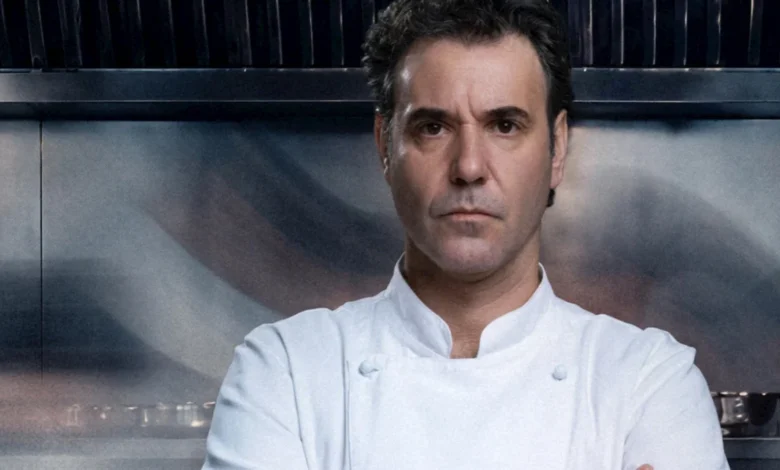
The global appetite for high-stakes culinary drama is set to reach a new boiling point as Netflix confirms the acquisition of the six-part limited series Welcome to El Bulli. Formerly titled Genesis (Gènesi), the production chronicles the meteoric rise of the world’s most influential restaurant and its mastermind, chef Ferran Adrià. The series is scheduled to debut on the streaming platform on November 20, 2026, across a vast array of territories, including the United States, the United Kingdom, Western Europe, and Latin America. This acquisition marks a significant strategic pivot for Netflix, which has increasingly sought to bolster its prestige international catalog with high-quality, pre-produced dramas rather than relying solely on internal original content.
The Genesis of a Gastronomic Revolution
To understand the weight of this series, one must look at the history of El Bulli itself. Located in the picturesque town of Roses on the Catalan coast, the restaurant became a temple of molecular gastronomy under the stewardship of Ferran Adrià and his business partner, Juli Soler. Between the late 1980s and its final service in 2011, El Bulli was awarded three Michelin stars and consistently topped the "World’s 50 Best Restaurants" list.
The series Welcome to El Bulli operates on a dual-timeline narrative structure. The primary historical thread depicts the 1980s, documenting the arrival of a young, ambitious Adrià at the restaurant. It captures the collaborative chemistry between him and Soler, detailing how they pushed the boundaries of traditional cooking to create an avant-garde menu that defied conventional logic. The secondary timeline shifts to 2025, centering on a fictional food critic, Glòria Canabach, who returns to Catalonia to reopen a family business alongside her niece, Lola. This narrative device allows the series to explore the legacy of El Bulli, bridging the gap between the revolutionary past and the modern-day impact of Adrià’s philosophy.
A Strategic Move for Global Streaming
The decision by Netflix to license Welcome to El Bulli—originally commissioned by the Catalan broadcaster 3Cat—underscores a shift in the current media landscape. In recent years, streamers have faced rising production costs and audience fatigue regarding overly saturated domestic content. By acquiring a polished, critically acclaimed series that has already proven its mettle in its local market, Netflix mitigates financial risk while providing its global subscriber base with "pre-vetted" prestige drama.
This trend is also a testament to the success of "kitchen dramas" such as The Bear, which have proven that the intensity of professional kitchens provides a compelling backdrop for exploring themes of obsession, perfectionism, and human connection. By positioning Welcome to El Bulli alongside these hits, Netflix is betting on the fact that the fascination with culinary excellence—and the toll it takes on those who pursue it—remains a potent draw for viewers worldwide.
Behind the Production and Authenticity
One of the most noteworthy aspects of the series is the direct involvement of Ferran Adrià. Rather than a superficial biopic, the production team, led by creators Eva Mor, David Pujol, and Albert Val, worked closely with the chef to ensure the technical accuracy of the culinary sequences. Reports indicate that over 80 iconic dishes from the El Bulli menu were recreated specifically for the show, utilizing the expertise of former El Bulli staff members.
Director David Pujol has explicitly stated that the series aims to treat the restaurant’s closure—which occurred at the zenith of its popularity—as a central mystery. This narrative choice elevates the show from a simple documentary-style drama to a psychological exploration of why an artist would choose to dismantle their masterpiece at the peak of its success.
Critical Reception and Industry Implications
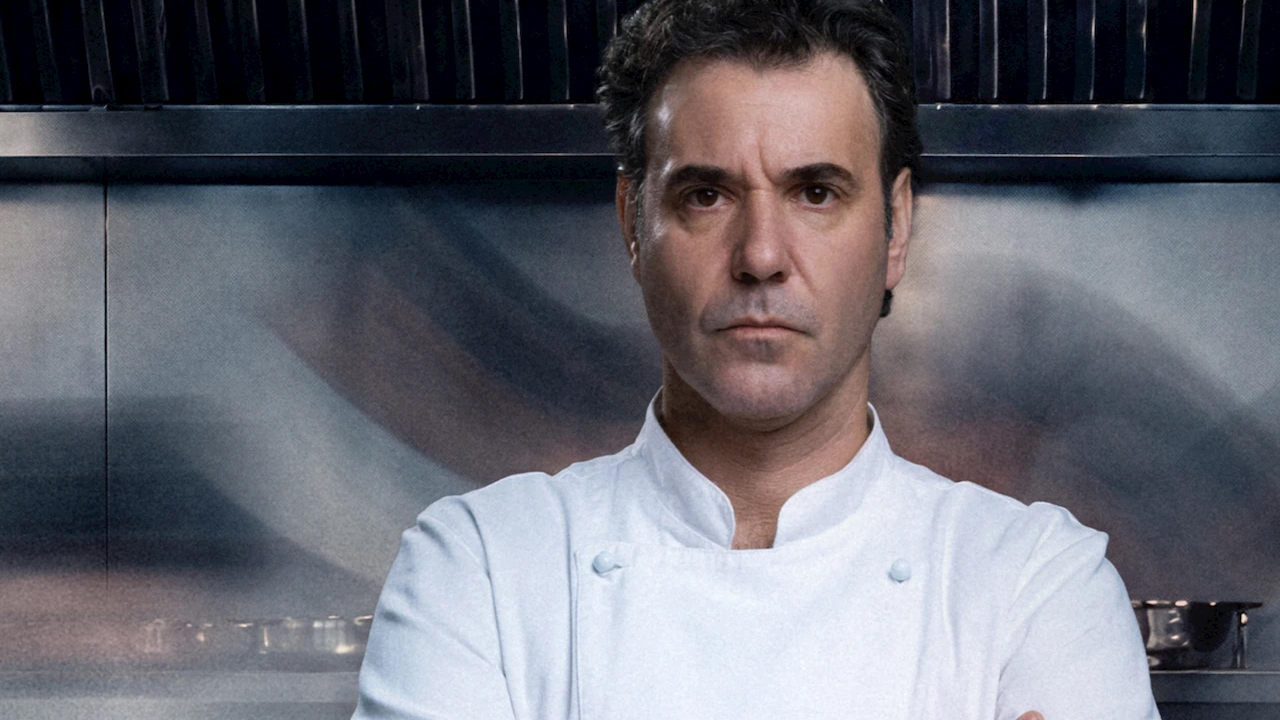
When the series premiered at the San Sebastian Film Festival, it drew immediate attention for its stylistic choices. While critics praised the production design and the evocative portrayal of the 1980s culinary scene, some reviews, including those published by The Guardian, noted a divergence from the reality of the original kitchen environment. While the real El Bulli was famously serene, characterized by the methodical, quiet focus of its staff, the series adopts a more frantic, high-tension atmosphere. This creative liberty is a standard practice in dramatized biographies, designed to maintain audience engagement in a visual medium where quiet, repetitive labor can often struggle to translate into high-stakes drama.
Marco Arabit, representing New Regency, the company holding international rights, has emphasized that the show is intended to transcend the narrow scope of food preparation. "It shows the audience that food is also a form of expression," Arabit stated in recent trade interviews. "It is a story of legacy, family trauma, and the way creativity can be both a gift and a burden."
The Economic and Cultural Context
The production of Welcome to El Bulli was initially greenlit in 2025 to align with Catalonia’s designation as a global gastronomy destination. This synergy between regional branding and media production has proven highly effective. When the series aired on 3Cat in mid-October 2026, it became the most-watched series launch for the network in three years. This level of local performance provided the necessary data for Netflix to confidently move forward with its acquisition.
The economic implications for the Catalan television sector are significant. By securing a high-profile international distribution deal with a major platform like Netflix, the production secures not only a return on investment but also global cultural visibility. It reinforces the status of Spain as a premier hub for high-end European television production, following the success of other Spanish-language hits that have found massive audiences on global platforms.
A Timeline of the El Bulli Phenomenon
- 1984: Ferran Adrià takes full control of the kitchen at El Bulli, marking the beginning of a transformative era in culinary history.
- 1997: El Bulli receives its third Michelin star, cementing its status as one of the world’s elite dining establishments.
- 2002–2009: The restaurant is named the number one restaurant in the world five times by the San Pellegrino "World’s 50 Best Restaurants" list.
- 2011: The restaurant closes its doors to the public, transitioning into the elBullifoundation.
- 2025: 3Cat commissions the six-part drama series to celebrate the regional history of gastronomy.
- October 2026: The series airs in Spain, achieving record-breaking ratings for the local network.
- November 20, 2026: Netflix releases all six episodes of Welcome to El Bulli to an international audience.
Analyzing the Legacy of Molecular Gastronomy
The arrival of this series on a mainstream platform serves as a cultural marker for the impact of molecular gastronomy. In the late 1990s and early 2000s, the techniques pioneered at El Bulli—foams, spherification, and the use of liquid nitrogen—were often met with skepticism by traditionalists. Today, these techniques are foundational elements of high-end cooking globally. By dramatizing the early days of this movement, the series provides a retrospective on how a small, isolated restaurant in the Spanish countryside fundamentally altered the way the world consumes food.
The show’s focus on the human cost of this innovation—the long hours, the intense pressure, and the personal sacrifices made by Adrià and his team—adds a layer of poignancy that elevates it beyond a mere history of culinary trends. It invites the audience to consider the fine line between genius and madness, and the necessity of risk in the pursuit of perfection.
Looking Forward
As the November 20, 2026, release date approaches, the industry will be watching closely to see how the series performs on a global scale. If Welcome to El Bulli resonates with the same intensity as other international acquisitions have in recent years, it could set a precedent for more collaborations between regional European broadcasters and global streaming giants.
For fans of culinary arts, the series offers a unique opportunity to witness the recreation of a bygone era of gastronomic history. For Netflix, it represents a calculated attempt to capture a discerning audience that values narrative depth, historical accuracy, and the aesthetic beauty of the culinary arts. Whether the series manages to balance the frantic dramatization of the kitchen with the nuanced reality of Adrià’s work remains to be seen, but the anticipation surrounding its release is palpable. As the final episodes drop, the legacy of El Bulli will undoubtedly be served to a new generation of viewers, ensuring that the revolution that started in a small kitchen in Roses continues to inspire long after the original restaurant has served its last meal.