The Truth About YouTube Clipping and the Reality of Content Monetization in 2026

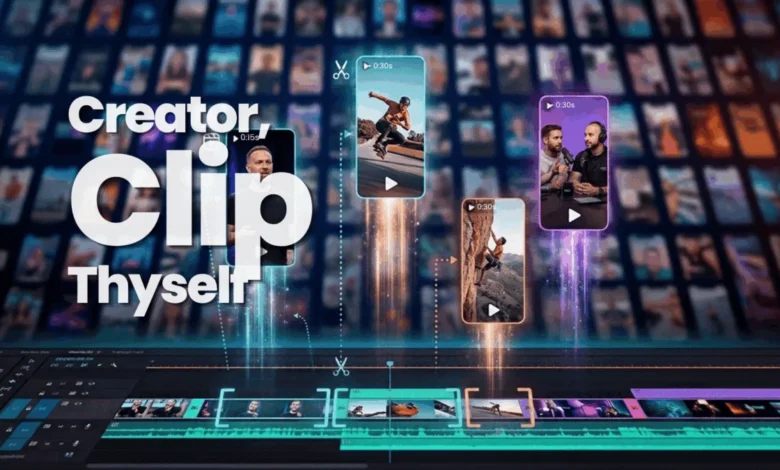
Search for "clipping" on any major social media platform today, and you will inevitably encounter a barrage of videos promising "untold riches" and "passive income" with little effort. These content creators often sell courses or access to private groups, claiming that simply re-uploading segments of popular podcasts, streams, or long-form videos is a shortcut to financial independence. However, behind the polished thumbnails and promises of easy wealth lies a complex ecosystem of platform policy shifts, copyright risks, and diminishing returns. For both aspiring creators and established influencers, it is necessary to move past the hype and examine the mechanical and legal realities of clipping in the current YouTube landscape.
The practice of clipping—defined as the act of extracting short, high-engagement segments from longer media to be published as standalone content or YouTube Shorts—has undergone significant structural changes. As of April 2026, YouTube retired its native "Clip" button, a feature once used by viewers to share specific moments from videos. This was followed by a pivotal shift in October 2026, when YouTube officially signaled a change in its recommendation algorithms. The platform stated it would prioritize original content and actively reduce the reach of Shorts that consist of re-uploaded third-party content without significant creative modification or added value.
Understanding the current state of clipping requires distinguishing between three distinct categories: community-driven sharing, legitimate creator-led repurposing, and the commercialized "clipping for hire" industry.
The Evolution of the YouTube Clipping Tool
For years, the YouTube "Clip" button served as a community-based engagement tool. It allowed viewers to isolate a specific segment of a video to share across social media. However, in April 2026, YouTube removed this functionality. The company’s stated intent was to move toward more robust, creator-centric tools. Currently, the primary method for highlighting a specific segment is the "Start at" timestamp feature within the Share menu. Unlike the former clipping tool, this acts more like a bookmark than a standalone video file.
YouTube’s decision to remove the native clip button reflects a broader shift toward tighter control over how content is distributed and monetized. By phasing out these tools, the platform has essentially forced a clearer distinction between casual social sharing and the professional, often automated, distribution of short-form content.
The Strategic Value of Self-Clipping
For established content creators, clipping remains a highly effective, low-cost strategy for audience retention and growth. By taking long-form content—such as multi-hour live streams or deep-dive tutorials—and distilling them into 60-second Shorts, creators can feed the algorithmic preference for short-form content while driving traffic back to their primary channel.
This "repurposing" model is arguably the most sustainable way to engage with the clipping trend. It utilizes the creator’s own intellectual property, mitigating the risk of copyright strikes. Tools such as TubeBuddy’s "Suggested Shorts" feature assist in this process by analyzing long-form videos to identify high-retention spikes and engaging moments, effectively automating the discovery phase of the editorial process. Data consistently shows that channels employing this "flood method"—consistently releasing high-quality, repurposed clips—see significant upticks in overall channel visibility.
The Commercial Reality of Third-Party Clipping
The "clipping for hire" industry, often marketed as a passive income stream, operates on a fundamentally different economic model. These clippers typically join marketplaces like Whop’s Content Rewards, where they are tasked with finding viral-ready moments from popular creators, editing them into Shorts, and distributing them to earn a share of revenue.
The economic reality, however, often diverges from the marketing claims made by course sellers. According to industry reports and statements from marketplace founders, the average payout for these creators is approximately $1 per 1,000 views, with some campaigns paying as little as $0.30 per 1,000 views. When factoring in the volume required to generate significant income, the "passive" aspect of this work disappears. Most successful participants in this field treat it as a high-volume, time-intensive job rather than a source of passive revenue. A 2026 analysis of payouts on major clipping marketplaces indicated that the vast majority of participants earn meager amounts, with only a small fraction of "top-tier" clippers earning a full-time income.
The Risks: Copyright and Monetization
The primary threat to the third-party clipping model is the intersection of copyright law and YouTube’s "reused content" policy. Even if a creator gives a clipper permission to use their footage, the resulting channel may still be ineligible for the YouTube Partner Program (YPP) if the content is deemed to be "reused" without sufficient editorial commentary or transformation.
YouTube has made it clear that content consisting of clips edited together with "little or no narrative" does not meet the standards for monetization. Furthermore, the October 2026 algorithm update specifically targets the reach of these channels. Because the algorithm now favors original, additive content, many channels dedicated solely to raw clips have seen a sharp decline in discovery, effectively killing the viability of many "clip-first" business models.
Strategic Implications for Content Creators
For creators looking to expand their footprint, the question is not whether they should use clips, but how to do so responsibly. Engaging with professional, legitimate clipping services can be a valid growth strategy if implemented with strict guidelines. Successful partnerships usually involve:
- Clear Licensing Agreements: Ensuring that the legal rights to the footage are explicitly outlined.
- Value Addition: Requiring that all clips include unique editing, transitions, or additional context that distinguishes them from the source material.
- Quality Control: Ensuring that the brand image of the primary channel is protected by maintaining a high standard of production.
- Channel Diversification: Not relying solely on a third party for distribution, but maintaining an internal workflow for repurposing content.
Chronology of Platform Policy Changes
- Early 2026: The rise of "clipping for hire" platforms accelerates, leading to an influx of low-effort, repurposed content across the Shorts feed.
- April 2026: YouTube officially disables the native "Clip" button, citing a shift in focus toward creator-developed tools and improved audience engagement features.
- October 2026: YouTube announces a major update to its recommendation algorithm, specifically penalizing content that re-uploads third-party work without adding significant value.
- Late 2026 to Present: A period of market correction, where channels relying on mass-produced, non-original clips face declining reach and reduced monetization eligibility.
Analytical Conclusion: The Shift to Originality
The data suggests that the "easy money" era of YouTube clipping is effectively coming to a close. As the platform matures, its algorithms are becoming increasingly sophisticated at identifying original contributions. While the potential for virality remains, the risks—ranging from copyright disputes to being de-indexed by the recommendation system—far outweigh the benefits for the average user.
For creators, the path forward is clear: treat the back catalog as a library of assets. Instead of outsourcing to third parties who prioritize quantity over quality, successful channels are increasingly investing in internal editing pipelines that repurpose their own work. By doing so, they retain full ownership of their intellectual property, maintain eligibility for monetization, and build a cohesive brand identity that is not dependent on the shifting winds of platform-wide clipping trends.
In the final analysis, the most successful YouTube strategy remains the same as it has always been: consistent, high-value, original production. Clipping is merely a tool, not a business model in itself. Those who master the art of repurposing their own content will find that the compounding effect of their efforts serves as a far more reliable foundation for growth than the volatile, high-risk world of third-party clipping.