The announcement, delivered via an Instagram statement on Monday, marks a somber conclusion to a volatile chapter for one of the few remaining lesbian-identified spaces in the United States. While the venue’s management characterized the move as a "soft" closure—leaving the door open for a potential transfer of ownership or a shift to a worker-owned cooperative model—the immediate cessation of operations underscores the mounting pressures that have plagued the establishment in recent months.
A Timeline of Escalation
The decline of Last Ditch, located in the culturally vibrant but physically isolated landscape of Western Massachusetts, began in earnest following a high-profile report by the Boston Globe. The article brought the venue’s specific operational challenges to a national audience, focusing primarily on the friction surrounding its COVID-19 mitigation strategies.
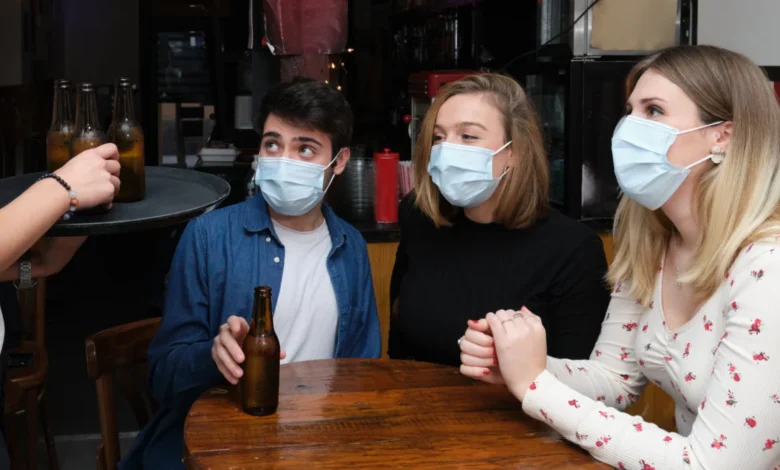
For much of its existence, Last Ditch positioned itself as a "COVID-conscious" sanctuary, mandating KN-95 masks for all patrons and staff. This policy was intended to provide a safe harbor for immunocompromised members of the LGBTQ+ community. However, when the leadership team moved to relax these requirements, the internal policy shift triggered a disproportionate external backlash.
The chronology of the fallout is as follows:
- Early 2024: Last Ditch maintains strict masking protocols, establishing itself as a rarity in the post-pandemic hospitality landscape.
- Mid-2024: Internal discussions regarding the sustainability of the business lead to the proposed relaxation of masking mandates, intended to bolster patronage and revenue.
- Late 2024: The Boston Globe publishes an exposé detailing the friction between the venue’s ownership and its community base. The report highlights unique cultural anecdotes, including the backgrounds of the owners, which quickly become subjects of intense, often mocking, internet discourse.
- Post-Publication: The venue experiences a surge in digital vitriol. Social media platforms, particularly X (formerly Twitter) and Instagram, become arenas for heated debate, with some detractors accusing the venue of ableism, while others engage in personal attacks against the staff.
- Current Date: Last Ditch announces a cessation of operations, citing a lack of leadership and an inability to finalize a transition to a worker-owned cooperative structure.
The Context of the Lesbian Bar Crisis
To understand the significance of the closure of Last Ditch, one must look at the broader, systemic decline of lesbian-specific venues in America. According to data provided by the Lesbian Bar Project—a national initiative dedicated to preserving and celebrating these essential spaces—the number of bars catering specifically to lesbians has dwindled to fewer than 30 nationwide.
Historically, these establishments were more than just taverns; they served as critical community nodes for organizing, political activism, and social support. The disappearance of any such venue represents a loss of institutional memory and a reduction in the "third spaces" available to queer women and non-binary individuals.
Last Ditch attempted to bridge the gap between historical community preservation and modern health-conscious advocacy. By prioritizing a "network of care," they attracted a loyal but demanding clientele. When the logistical reality of running a small business collided with the high expectations of this specialized base, the resulting friction proved to be an insurmountable obstacle for the current leadership.
Analysis of the Public Backlash
The "viral" nature of the Last Ditch controversy serves as a case study in the intersection of digital activism and local business viability. When the Boston Globe article went live, it shifted from a local human-interest story to a national cultural flashpoint.
The criticism directed at the owners was multifaceted. Some activists argued that by relaxing masking protocols, the bar was abandoning its core mission and endangering its most vulnerable patrons. Conversely, others critiqued the administrative chaos that preceded the closure, pointing to the lack of a clear governance structure as a symptom of broader mismanagement. The presence of inflammatory rhetoric, including calls for violence and aggressive doxxing, exacerbated the stress on the staff, eventually leading to the dissolution of the leadership team.
The irony of the situation, as noted by observers, was that the venue’s attempt to remain inclusive by adopting rigid health standards created a "purity test" that was ultimately impossible to sustain in a fluctuating market.
Internal Challenges and the Call for New Ownership
The Instagram statement released by the venue’s leadership was characterized by a tone of exhaustion. "We have put our lives on hold to foster networks of care, resources, and a home base for organizing," the statement read. "It’s time we pass it on."
This plea for a successor underscores the difficulty of maintaining a business in a niche market while navigating the complexities of cooperative ownership. The vision for Last Ditch was to move toward a worker-owned cooperative, a model often touted as the ideal for community-led businesses. However, the legal and administrative requirements for such a transition proved too taxing for the remaining board members.
The venue’s management noted that they have been searching for a new team to manage this transfer for months. Without a qualified group of individuals to take over the financial and operational burden, the closure appears to be permanent, regardless of the "soft" designation.
The Broader Implications for Queer Spaces
The closure of Last Ditch raises significant questions about the future of specialized, identity-based businesses in a polarized digital age. Can a business survive if it is constantly tethered to the fluctuating expectations of a vocal, online-only constituency?
Economists and hospitality experts point out that the financial margins for small bars are razor-thin. When a business is forced to dedicate significant resources to crisis management, public relations, and legal defense—as Last Ditch was following the viral backlash—the operational budget for core services (such as utilities, rent, and staffing) is inevitably cannibalized.
Furthermore, the loss of this venue highlights the vulnerability of queer spaces that rely on a single, specific social contract. As LGBTQ+ identities become more visible in mainstream media, the pressure on specialized physical spaces to represent the "perfect" iteration of community values has increased, often to the detriment of the business’s longevity.
Looking Ahead: Can the Space Be Saved?
As of this writing, there have been no confirmed reports of potential buyers or investors coming forward to assume the mantle of Last Ditch. The arts venue, which hosted countless queer performers, political organizers, and community members, stands empty.
The legacy of Last Ditch will likely be debated for some time. To its supporters, it was a bold experiment in radical care; to its detractors, it was a cautionary tale of how internal policy shifts and administrative failures can destroy a community institution.
For the LGBTQ+ community in Western Massachusetts, the silence left by the closure is palpable. The venue’s call for a "saviour" remains unanswered, and for now, the doors are locked. The event serves as a stark reminder of the fragile nature of grassroots organizing and the heavy toll that public controversy can take on small, mission-driven enterprises.
As the national count of lesbian bars continues to fluctuate, the story of Last Ditch will undoubtedly be cited in future discussions regarding the viability of safe spaces, the ethics of public criticism, and the immense labor required to sustain a physical home for a marginalized community in a post-pandemic world. Whether or not a new leadership group emerges to revitalize the space, the closure of Last Ditch is a definitive chapter in the evolving history of the American queer bar scene.